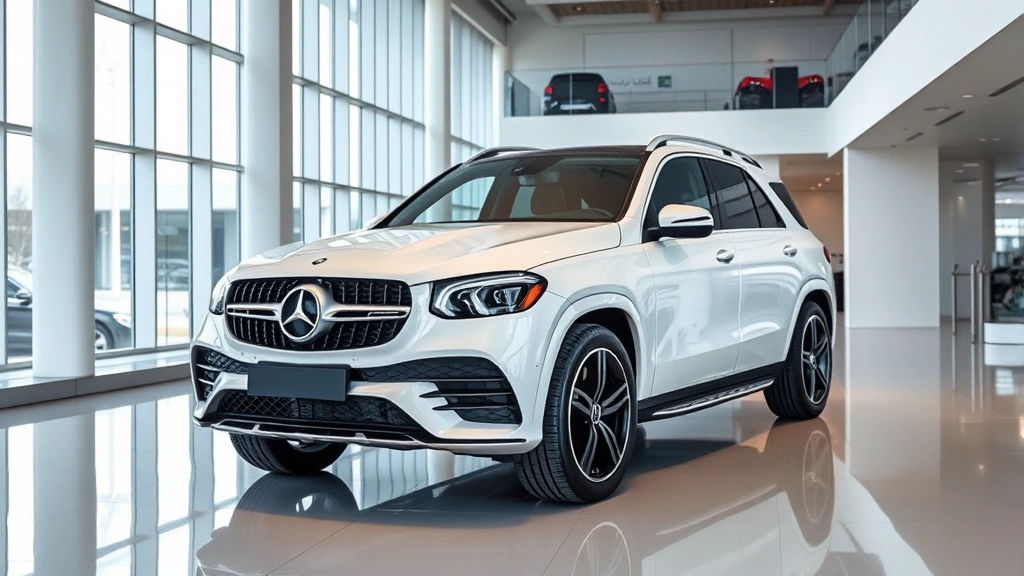
Who Owns Mercedes-Benz? Industry Overview
Mercedes-Benz stands as one of the world’s most prestigious automotive manufacturers, renowned for engineering excellence and luxury craftsmanship. Understanding the ownership structure of this iconic German brand provides valuable insights into corporate governance, multinational business operations, and strategic positioning within the competitive automotive industry. The company’s ownership has evolved significantly over its 140-year history, reflecting broader trends in consolidation, privatization, and shareholder capitalism.
The question of who owns Mercedes-Benz is more nuanced than a simple answer might suggest. Today, Mercedes-Benz Group AG operates as a publicly traded company with diverse stakeholders, complex institutional arrangements, and strategic partnerships that span the globe. This comprehensive overview explores the current ownership structure, historical context, and implications for the automotive sector.
Current Ownership Structure
Mercedes-Benz Group AG is a publicly listed company traded on the Frankfurt Stock Exchange and other international markets. This means that no single individual or entity holds complete ownership. Instead, the company is owned by thousands of shareholders worldwide, including institutional investors, pension funds, mutual funds, and individual retail investors. The company’s ownership is distributed across multiple stakeholder groups, each with varying degrees of influence and investment objectives.
As of recent filings, significant institutional investors hold substantial stakes in Mercedes-Benz. These include major asset management firms, sovereign wealth funds, and pension schemes from various countries. The decentralized ownership structure reflects modern corporate capitalism, where large multinational companies operate across consumer services and industrial sectors with diverse ownership bases.
The board of directors, elected by shareholders, provides strategic oversight and governance. The supervisory board includes representatives from major shareholders, employees, and independent directors. This two-tier board system, common in German corporations, ensures balanced representation and accountability. Management decisions require approval from both the management board and supervisory board, creating checks and balances within the organizational hierarchy.
Geely-Volvo Partnership and Strategic Alliances
One of the most significant ownership developments involves the relationship between Mercedes-Benz, Geely Holding, and Volvo. Chinese automotive manufacturer Geely Holding has emerged as an important strategic partner and investor in the automotive sector. Through various acquisitions and partnerships, Geely has built a portfolio that includes Volvo Cars, Polestar, and significant investments in Daimler (the former parent company of Mercedes-Benz).
Geely’s strategic involvement represents a broader shift in global automotive ownership patterns, with Asian manufacturers gaining increased influence in European luxury brands. However, it’s important to note that Geely does not own Mercedes-Benz outright. Rather, Geely maintains a significant minority stake and works collaboratively on technology development, electric vehicle platforms, and operational efficiencies. This partnership model demonstrates how modern automotive companies leverage cross-border alliances to remain competitive in rapidly evolving markets.
The Geely-Mercedes relationship exemplifies contemporary business partnership structures that create mutual value while maintaining operational independence. Both companies benefit from shared research and development resources, manufacturing expertise, and market access across different geographic regions. This arrangement allows Mercedes-Benz to accelerate electric vehicle development and battery technology while preserving its brand identity and design philosophy.

Public Shareholders and Institutional Investors
The majority of Mercedes-Benz shares are held by institutional investors, including pension funds, insurance companies, and asset management firms. Major shareholders include BlackRock, Vanguard, State Street, and other global investment managers. These institutions hold shares on behalf of millions of individuals through retirement plans, mutual funds, and other investment vehicles.
Institutional ownership provides stability to the company’s share price and long-term strategic direction. However, it also creates accountability pressures, as these large investors increasingly focus on environmental, social, and governance (ESG) factors. Mercedes-Benz must balance profitability with sustainability commitments, workforce development, and ethical business practices to satisfy institutional investor expectations.
Individual shareholders, though representing a smaller percentage of total ownership, remain important stakeholders. Retail investors gain exposure to Mercedes-Benz through direct stock purchases or investment funds. The company’s dividend policy, earnings reports, and strategic announcements directly influence share valuations and investor returns. Understanding corporate risk management and insurance considerations becomes crucial for protecting shareholder value across economic cycles.
Historical Evolution of Ownership
Mercedes-Benz’s ownership history reflects broader transformations in global capitalism and industrial organization. The company was founded in 1926 through the merger of Daimler-Motoren-Gesellschaft and Benz & Cie. For much of the twentieth century, Mercedes-Benz operated under various ownership structures, including family control, government influence during wartime, and post-war reconstruction under different national frameworks.
Following World War II, Mercedes-Benz reorganized as separate entities in West Germany and East Germany. The West German company eventually consolidated as Daimler-Benz AG, which became a publicly traded corporation. Throughout the latter half of the twentieth century, Daimler-Benz expanded through acquisitions and strategic partnerships, acquiring brands like Chrysler (forming DaimlerChrysler) and later divesting to focus on core luxury automotive operations.
The 2019 restructuring separated Mercedes-Benz from Daimler Trucks, creating Mercedes-Benz Group AG as a standalone publicly traded entity. This separation allowed Mercedes-Benz to focus exclusively on passenger vehicles and luxury brand positioning while Daimler Trucks pursued independent commercial vehicle strategies. The restructuring demonstrated management’s commitment to shareholder value creation and strategic clarity.
Corporate Governance Framework
Mercedes-Benz operates under a robust corporate governance framework established by German law, international standards, and company policies. The supervisory board oversees management performance, approves major capital expenditures, and ensures compliance with regulatory requirements. Board members represent diverse backgrounds, including automotive industry expertise, financial acumen, and international business experience.
The company’s governance structure emphasizes transparency, accountability, and stakeholder engagement. Regular shareholder meetings provide forums for investors to voice concerns, ask questions, and vote on significant corporate decisions. The annual general meeting represents a critical governance mechanism where shareholders exercise their ownership rights and influence corporate direction.
Management compensation aligns individual incentives with shareholder interests through performance-based bonuses and stock option plans. Executives must balance short-term profitability with long-term strategic investments in electric vehicle technology, autonomous driving capabilities, and digital transformation. This alignment ensures that leadership decisions reflect owner priorities while building sustainable competitive advantages.
Impact on Industry Dynamics
Mercedes-Benz’s ownership structure influences competitive dynamics across the global automotive industry. As a publicly traded company with diverse shareholders, Mercedes-Benz must compete aggressively while maintaining financial discipline and delivering consistent returns. This creates pressure to innovate in electric vehicles, autonomous driving, and connected vehicle technologies.
The company’s strategic partnerships, including relationships with technology firms and battery manufacturers, reflect how modern automotive ownership structures facilitate collaboration across traditional industry boundaries. Employee engagement initiatives become crucial for maintaining the skilled workforce necessary to execute complex transformation strategies in manufacturing and software development.
Mercedes-Benz’s ownership also shapes its approach to sustainability and corporate responsibility. Institutional shareholders increasingly demand evidence of climate strategy implementation, supply chain ethics, and workforce diversity. The company’s €60 billion investment in electric vehicle development reflects shareholder expectations and competitive market pressures.
The distributed ownership model allows Mercedes-Benz to access global capital markets and attract diverse investor perspectives. International shareholders bring different viewpoints on market opportunities, risk management, and strategic priorities. This diversity strengthens decision-making processes and helps the company navigate complex geopolitical and economic environments.
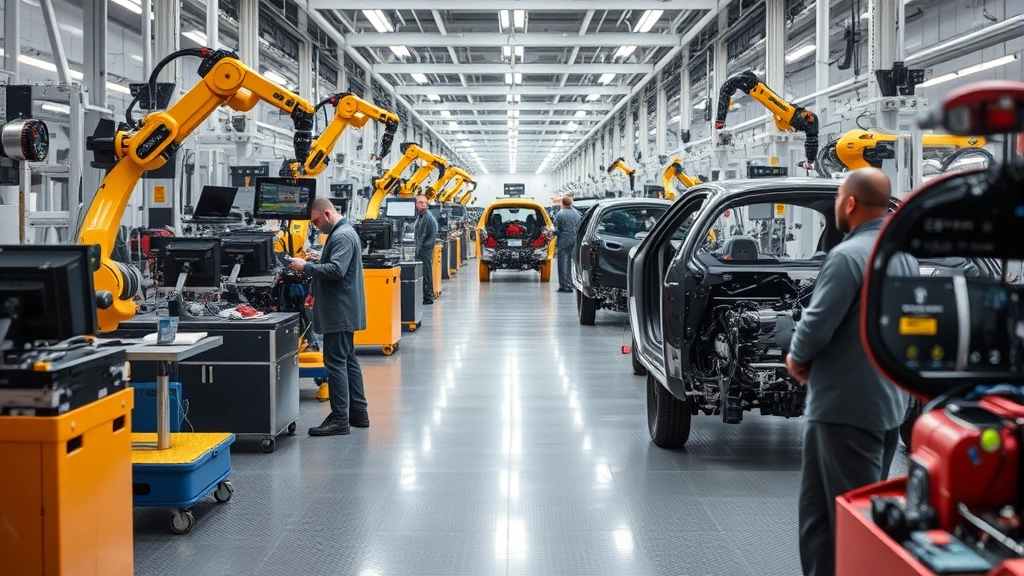
Industry analysts recognize that Mercedes-Benz’s ownership structure positions it differently from competitors owned by family offices, private equity firms, or state-controlled entities. Public ownership requires consistent communication with capital markets, regulatory compliance across multiple jurisdictions, and responsiveness to shareholder activism. These factors shape Mercedes-Benz’s strategic decisions, innovation investments, and market positioning.
The automotive industry increasingly recognizes that ownership structure influences technological adoption and transformation speed. Mercedes-Benz’s public ownership provides access to capital for aggressive electric vehicle investments while requiring disciplined capital allocation. Competitors with different ownership structures may pursue alternative strategies based on their unique stakeholder compositions and investment horizons.
Digital transformation and brand marketing strategies reflect Mercedes-Benz’s ownership structure and shareholder expectations. The company invests significantly in digital customer experiences, direct-to-consumer sales channels, and brand positioning as premium lifestyle choice. These investments appeal to institutional shareholders seeking growth opportunities beyond traditional automotive sales.
FAQ
Who is the current owner of Mercedes-Benz?
Mercedes-Benz Group AG is owned by thousands of public shareholders, with no single individual or entity holding complete ownership. Major institutional investors including BlackRock, Vanguard, and State Street hold significant stakes. The company also maintains strategic partnerships with Geely Holding, a Chinese automotive manufacturer.
Is Mercedes-Benz still a German company?
Yes, Mercedes-Benz remains headquartered in Stuttgart, Germany, and operates under German corporate law. While ownership is internationally distributed, the company maintains its German heritage, design philosophy, and manufacturing expertise. German shareholders and management teams continue playing central roles in strategic decisions.
Does Geely own Mercedes-Benz?
Geely Holding does not own Mercedes-Benz outright but maintains a significant minority stake and strategic partnership. The relationship involves technology collaboration, platform sharing, and operational cooperation. Both companies benefit from the partnership while maintaining independent brands and operational structures.
How can I become a shareholder?
Individual investors can purchase Mercedes-Benz shares through stock brokers, investment platforms, or financial institutions. Shares trade on the Frankfurt Stock Exchange under the ticker symbol MBG. Investors can also gain exposure through mutual funds, exchange-traded funds, or pension plans that hold Mercedes-Benz securities.
What role do employees play in ownership?
Mercedes-Benz operates under German codetermination laws, which mandate employee representation on the supervisory board. Employee shareholders also participate through stock option plans and profit-sharing arrangements. This structure ensures workers have voice in corporate governance and benefit from company success.
How does public ownership affect Mercedes-Benz strategy?
Public ownership requires transparent financial reporting, regular shareholder communication, and accountability for capital allocation. Institutional shareholders increasingly demand strong ESG performance, technology investment, and sustainable business practices. These pressures shape Mercedes-Benz’s electric vehicle strategy, workforce development, and supply chain management.
What happened to Daimler-Benz?
In 2019, Daimler-Benz restructured to separate Mercedes-Benz passenger vehicles from Daimler Trucks. This created Mercedes-Benz Group AG as an independent publicly traded company focused on luxury automobiles. The separation allowed each business to pursue distinct strategies while maintaining operational efficiency.