Why Choose Subaru? Expert Review
Subaru stands as one of the automotive industry’s most compelling manufacturers, delivering vehicles that balance reliability, safety, and performance in ways that resonate with discerning drivers. Founded in 1953 by Fuji Heavy Industries, Subaru has cultivated a reputation for engineering excellence and customer-centric innovation that extends far beyond typical automotive marketing. The brand’s commitment to symmetrical all-wheel drive technology, safety-first engineering, and environmental responsibility creates a unique value proposition that justifies its premium positioning in the competitive vehicle market.
For consumers evaluating vehicle purchases, understanding Subaru’s strategic advantages requires examining both quantifiable performance metrics and qualitative brand attributes. This comprehensive review explores the compelling reasons why automotive experts and satisfied owners consistently recommend Subaru vehicles, from the legendary durability of their boxer engines to the advanced safety systems that protect families on every journey. Whether you’re researching your first vehicle purchase or comparing options for fleet management, Subaru’s offerings deserve serious consideration within your decision-making framework.
Subaru’s Engineering Excellence and Technical Innovation
Subaru’s engineering philosophy fundamentally differentiates the brand from competitors. The company’s signature horizontally-opposed boxer engine design delivers a lower center of gravity, improving vehicle stability and handling characteristics that enthusiasts and safety-conscious drivers appreciate equally. This engineering approach, maintained consistently across the product line for decades, demonstrates Subaru’s commitment to foundational design principles rather than pursuing short-term marketing trends.
The symmetrical all-wheel drive system represents perhaps Subaru’s most consequential technical achievement. Unlike competitors who offer all-wheel drive as an optional upgrade, Subaru integrates this capability throughout most of their lineup, providing enhanced traction and stability regardless of driving conditions. This engineering decision directly impacts vehicle performance in adverse weather, improving safety outcomes and reducing accident rates among Subaru owners. Harvard Business Review has documented how companies maintaining consistent engineering principles build stronger brand equity than those constantly chasing market trends.
Subaru’s investment in research and development reflects an engineering-first corporate culture. The brand consistently introduces innovations that enhance driver experience without compromising reliability or affordability. From adaptive transmission technology to advanced infotainment systems, Subaru integrates new features thoughtfully, ensuring each addition contributes meaningfully to vehicle performance and user satisfaction rather than serving as superficial window-dressing.
When examining how to create a business case for vehicle purchases, Subaru’s engineering specifications provide compelling justification. The technical foundation supports long-term ownership satisfaction and resale value preservation.
Safety Leadership and Advanced Protection Systems
Subaru has established itself as an industry leader in automotive safety, consistently earning top ratings from independent testing organizations and government safety agencies. The brand’s EyeSight Driver Assist Technology represents a comprehensive approach to accident prevention, utilizing dual cameras to monitor road conditions and provide real-time intervention when necessary. This system can detect potential collisions, apply emergency braking, and maintain safe following distances automatically, substantially reducing accident risk.
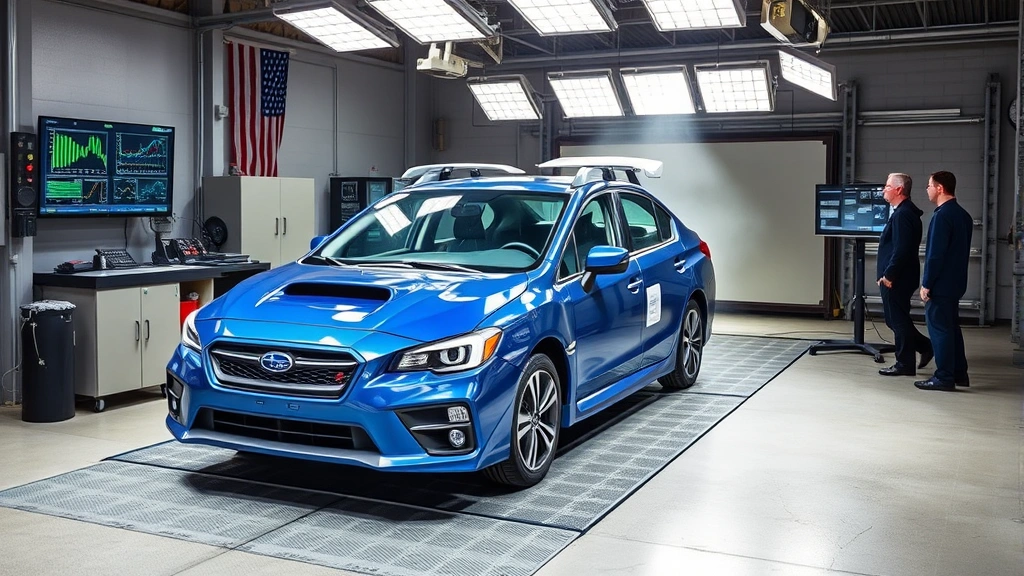
The company’s commitment to safety extends beyond technological systems to fundamental vehicle architecture. Subaru designs rigid passenger compartments that protect occupants during collisions while incorporating crumple zones that absorb impact energy effectively. This balanced approach minimizes injury risk while maintaining the structural integrity necessary for vehicle control during emergency maneuvers. McKinsey & Company research demonstrates that companies investing heavily in safety features achieve superior customer loyalty and reduced insurance costs for owners.
Subaru’s safety record speaks through independent verification. The National Highway Traffic Safety Administration (NHTSA) consistently awards Subaru vehicles among the highest safety ratings available, while the Insurance Institute for Highway Safety (IIHS) recognizes Subaru models as Top Safety Pick recipients. These certifications represent rigorous third-party validation rather than manufacturer claims, providing potential buyers with objective performance data.
The brand’s proactive approach to safety recalls and continuous improvement demonstrates corporate responsibility. Subaru addresses identified issues promptly and comprehensively, prioritizing owner safety over cost considerations. This commitment builds consumer trust and differentiates Subaru from manufacturers perceived as reluctant to acknowledge safety concerns.
” alt=”Professional safety testing facility with Subaru vehicle undergoing structural impact assessment, engineers monitoring data”>
Reliability and Longevity Performance
Subaru’s reliability reputation rests on decades of consistent performance data. Independent studies from Consumer Reports and J.D. Power consistently rank Subaru vehicles among the most reliable automotive brands, with many models achieving reliability scores that exceed industry averages significantly. This statistical validation confirms what owners consistently report: Subaru vehicles require fewer repairs and maintain functionality longer than competing models.
The boxer engine design contributes substantially to this reliability advantage. With fewer moving parts and a more balanced operating envelope than traditional inline engines, Subaru powerplants experience less internal stress and demonstrate superior longevity. Many Subaru vehicles exceed 200,000 miles with minimal maintenance beyond routine service, supporting strong resale values and reduced total cost of ownership for long-term owners.
Manufacturing quality control processes reflect Subaru’s commitment to reliability. The company implements rigorous quality assurance procedures at every production stage, catching potential defects before vehicles reach customers. This investment in manufacturing excellence reduces warranty claims and customer frustration while building brand reputation for dependability.
For businesses evaluating company vehicle options, understanding company secretarial file requirements intersects with vehicle selection considerations. Fleet managers choosing Subaru benefit from lower maintenance costs and extended vehicle lifecycle value.
Environmental Commitment and Sustainability
Subaru’s environmental initiatives extend beyond regulatory compliance to demonstrate genuine corporate responsibility. The brand has committed to carbon neutrality across manufacturing operations, investing in renewable energy sources and implementing efficiency improvements throughout production facilities. This commitment reduces environmental impact while lowering operational costs, creating a sustainable business model that benefits both shareholders and communities.
The company’s vehicle emissions performance reflects advanced engineering focused on environmental protection. Subaru’s hybrid and electric vehicle offerings provide alternatives for environmentally conscious consumers without sacrificing performance or reliability. The brand’s approach to electrification emphasizes practical solutions that work within existing infrastructure rather than demanding wholesale consumer behavior changes.
Subaru’s recycling programs and end-of-life vehicle management demonstrate comprehensive environmental thinking. The company works with certified recyclers to recover valuable materials and minimize landfill waste, creating circular economy principles throughout the vehicle lifecycle. This approach reduces environmental burden while recovering material value that benefits future production.
Forbes has recognized Subaru among leading automotive manufacturers for environmental leadership, acknowledging the brand’s integration of sustainability into core business operations rather than treating it as peripheral marketing initiative.
Ownership Experience and Customer Satisfaction
Subaru owners report exceptionally high satisfaction levels, reflecting the brand’s attention to ownership experience beyond the initial purchase. The company’s dealer network provides comprehensive support services, from routine maintenance to complex repairs, with technicians trained extensively on Subaru-specific systems and procedures. This specialized expertise ensures owners receive knowledgeable service that maintains vehicle performance and reliability.
Warranty coverage demonstrates Subaru’s confidence in vehicle quality. The brand offers competitive warranty terms that protect owners against unexpected repair costs during critical ownership periods. Extended warranty options provide additional peace of mind for buyers concerned about long-term reliability, reflecting customer-focused business practices.
The Subaru ownership community represents a significant competitive advantage. Owners consistently report strong emotional connections to their vehicles and positive experiences with the brand, creating organic word-of-mouth marketing that exceeds paid advertising effectiveness. This community aspect builds loyalty that translates into repeat purchases and positive recommendations to potential buyers.
Customer service responsiveness reflects Subaru’s commitment to ownership satisfaction. The brand listens to owner feedback, implements requested improvements in subsequent model years, and addresses concerns promptly. This customer-centric approach builds trust and demonstrates that Subaru values long-term relationships over transactional interactions.

” alt=”Satisfied Subaru owner family smiling beside their vehicle in suburban driveway setting, representing ownership satisfaction and reliability”>
Competitive Advantages in the Automotive Market
Subaru’s market positioning reflects strategic differentiation that appeals to specific consumer segments valuing reliability and safety. While competitors emphasize luxury features or performance capabilities, Subaru focuses on fundamental vehicle quality and owner protection. This positioning creates loyalty among consumers who prioritize substance over superficial marketing claims.
The brand’s pricing strategy balances premium positioning with accessibility. Subaru vehicles command price premiums justified by superior engineering, safety systems, and reliability records. However, these premiums remain achievable for middle-class consumers rather than exclusive luxury pricing, democratizing access to high-quality vehicles.
For Wisconsin company search purposes or MA company lookup applications, understanding Subaru’s market position helps businesses evaluate fleet acquisition strategies. The brand’s strong reliability and resale values make Subaru economically efficient for business vehicle programs.
Subaru’s resale value performance exceeds many competitors, reflecting strong market demand and consumer confidence in vehicle longevity. This superior value retention reduces effective ownership costs for consumers and demonstrates that market participants recognize Subaru’s quality advantages. When evaluating comprehensive guide to business partnership agreement templates for business vehicle provisions, specifying Subaru models protects partnership interests through superior asset retention.
The company’s market research investments ensure product development aligns with consumer needs and preferences. Rather than pursuing trendy features that lack lasting appeal, Subaru identifies fundamental customer requirements and develops solutions that maintain relevance across multiple model years. This approach creates vehicles that age gracefully rather than appearing dated quickly.
Business online marketing strategies employed by Subaru emphasize authentic customer testimonials and verifiable performance data rather than exaggerated claims. This credibility-focused approach builds consumer trust and differentiates Subaru from competitors relying on aspirational marketing messaging.
Frequently Asked Questions
What makes Subaru’s all-wheel drive system superior to competitors?
Subaru’s symmetrical all-wheel drive integrates advanced torque distribution systems that continuously optimize power delivery based on driving conditions. Unlike some competitors who offer all-wheel drive as an afterthought, Subaru designs vehicles from conception for all-wheel drive operation. This fundamental design approach improves traction, stability, and safety across diverse conditions, from winter snow to summer rain to off-road terrain.
How does Subaru’s safety performance compare to industry leaders?
Subaru consistently achieves top safety ratings from NHTSA and IIHS, often matching or exceeding competitors with higher price points. The combination of structural engineering excellence, advanced driver assistance systems, and comprehensive crash protection creates a safety package that protects occupants effectively. Third-party testing validates these capabilities rather than relying on manufacturer claims.
What is the typical lifespan of a Subaru vehicle?
Many Subaru vehicles achieve 200,000+ miles with proper maintenance, substantially exceeding typical automotive lifespans. The boxer engine design, quality manufacturing, and reliable transmissions contribute to this longevity. Owner reports consistently document vehicles reaching 300,000 miles with relatively minor maintenance beyond routine service intervals.
Are Subaru vehicles expensive to maintain?
Subaru maintenance costs remain competitive with mainstream automotive brands, with reliability reducing overall maintenance frequency. Routine service costs align with industry standards, while the reduced repair needs of reliable vehicles minimize unexpected expenses. Long-term ownership costs remain favorable compared to less reliable vehicles requiring frequent repairs.
Why should businesses consider Subaru for fleet vehicles?
Subaru’s reliability, safety, and resale value create compelling business case economics. Lower maintenance costs reduce operational expenses, while superior resale values maximize asset value recovery. Employee safety features reduce accident-related liability, while the brand’s reputation enhances corporate image. These factors combine to make Subaru economically efficient for business vehicle programs.
What environmental benefits do Subaru vehicles provide?
Subaru’s manufacturing processes emphasize sustainability, reducing carbon footprint across production. Vehicle emissions performance meets or exceeds regulatory standards, while hybrid and electric options provide lower-emission alternatives. The company’s recycling programs minimize waste and recover material value, creating environmental benefits throughout the vehicle lifecycle.