
Start a Candle Company? Entrepreneur Tips for Building a Profitable Wax Business
The candle industry generates over $3 billion annually in the United States alone, with consumer demand consistently climbing year after year. Starting your own candle company represents a compelling opportunity for entrepreneurs seeking a business with relatively low startup costs, high profit margins, and passionate customer bases. Whether you’re drawn to the creative aspects of fragrance blending, the artisanal appeal of handcrafted products, or the scalability of e-commerce sales, launching a candle company can transform your passion into a thriving enterprise.
The beauty of establishing your own candle company lies in its accessibility. Unlike capital-intensive industries requiring massive infrastructure investments, you can begin operations from a home studio, test products with minimal inventory, and scale production as demand grows. This article provides comprehensive guidance on transforming your entrepreneurial vision into a sustainable, profitable candle business that stands out in a competitive marketplace.
Market Research and Niche Selection
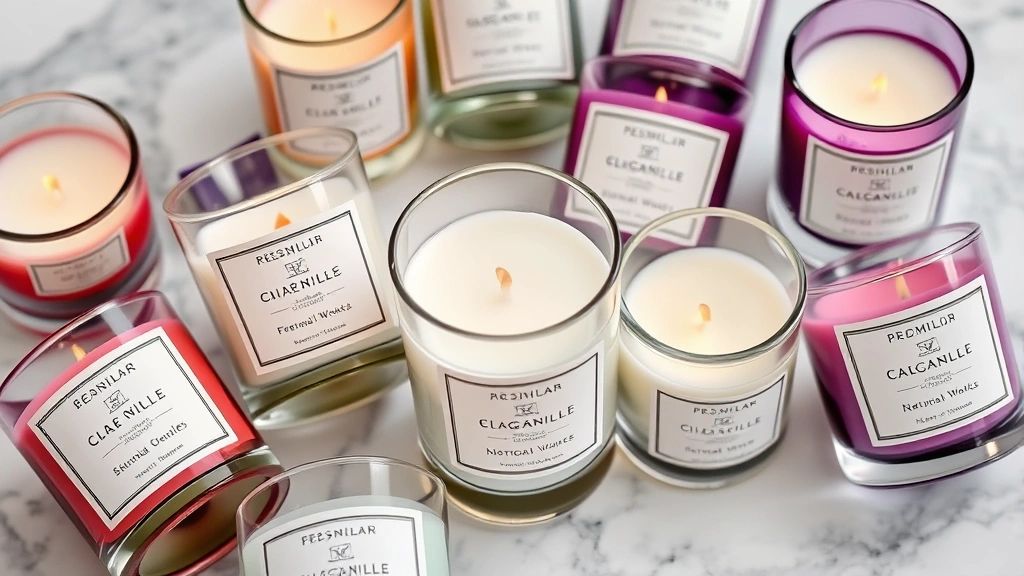
Before investing capital into your candle company, conduct thorough market research to identify underserved niches and customer preferences. The candle market encompasses luxury scents, eco-friendly options, therapeutic aromatherapy products, decorative designs, and specialty segments like gender-specific fragrances or seasonal collections. Understanding where demand exceeds supply positions you for competitive advantage.
Research competitors operating in your target segment. Visit local boutiques, analyze online marketplaces like Etsy and Amazon, and examine McKinsey’s consumer goods insights for industry trends. Identify gaps in product offerings, pricing strategies, and customer pain points. Perhaps existing candle makers neglect sustainable packaging, underserve specific fragrance preferences, or lack personalization options.
Survey potential customers through social media, focus groups, or online surveys. Ask about preferred scents, price points they’ll pay, packaging preferences, and purchase triggers. This primary research validates your business concept before you commit significant resources. Consider whether you’ll focus on luxury positioning, eco-conscious sustainability, therapeutic benefits, or mass-market accessibility.
Study demographic trends affecting candle purchases. Women represent approximately 75% of candle buyers, with strong appeal among millennials and Gen Z consumers prioritizing sustainability and ethical production. Understanding your target demographic’s values, shopping habits, and willingness to pay premium prices directly shapes your product development and marketing strategy.
Sourcing Quality Materials and Suppliers
The foundation of a successful candle company rests on sourcing premium materials that deliver superior quality and consistent results. Your primary material choice—wax type—significantly impacts burn quality, fragrance throw, and customer satisfaction. The three primary wax options include paraffin (economical, excellent color retention), soy (natural, eco-friendly, slower burn), and blended waxes (combining benefits of multiple types).
Paraffin wax offers cost advantages and superior scent throw, making it ideal for budget-conscious customers. However, growing environmental consciousness makes soy and palm-alternative waxes increasingly popular among sustainability-focused consumers. Coconut wax blends represent the premium segment, offering clean burns, excellent fragrance dispersion, and eco-friendly credentials that justify higher price points.
Establish relationships with reliable wholesale suppliers offering competitive pricing on bulk orders. Suppliers like Candlewic, The Candle Barn, and Pourette provide extensive product catalogs including waxes, fragrance oils, wicks, containers, and accessories. Compare pricing structures, minimum order quantities, shipping costs, and quality consistency. Building strong supplier relationships ensures reliable material access as your candle company scales production.
Fragrance selection critically influences customer satisfaction and repeat purchases. Partner with fragrance suppliers specializing in candle applications, as cosmetic-grade fragrances may not perform optimally in wax. Test multiple fragrance oils before committing to bulk purchases. Consider both classic scents with broad appeal and unique fragrances differentiating your brand. Premium fragrance oils cost more but deliver superior scent throw and complexity, justifying premium pricing.
Source containers, wicks, labels, and packaging materials from suppliers aligned with your brand positioning. Luxury brands invest in premium glass vessels and elegant packaging, while eco-conscious companies prioritize recyclable or compostable materials. Packaging significantly impacts perceived value and customer unboxing experience, influencing social media sharing and repeat purchases.
Developing Your Product Line
Create a focused initial product line of 5-10 signature scents rather than overwhelming customers with excessive options. This approach simplifies production, reduces inventory risk, and establishes brand identity through memorable fragrances customers specifically request. Test formulations extensively, documenting exact measurements, temperatures, and processes to ensure consistency across batches.
Develop scent profiles addressing different occasions and preferences. Consider energizing citrus blends for morning use, calming lavender combinations for relaxation, warm spice scents for autumn ambiance, and fresh floral options appealing to traditional preferences. Offer seasonal collections generating urgency and repeat purchases during specific times.
Experiment with candle formats beyond standard containers. Pillar candles, votive candles, wax melts, and decorative designs appeal to different customer segments and price points. Wax melts particularly offer high profit margins with minimal material costs, making them ideal for scaling production. Test burn times, ensuring products deliver 25-50 hours of burn depending on size and positioning.
Develop proprietary blends creating distinctive scent profiles customers cannot easily replicate elsewhere. Document formulations securely, as your unique fragrance combinations represent intellectual property differentiating your brand. Consider naming scents evocatively—evoking emotions, imagery, or experiences rather than generic fragrance descriptions.
Setting Up Operations and Compliance
Establish your candle company as a formal business entity, choosing between sole proprietorships, LLCs, or corporations based on liability protection and tax considerations. Consult accountants and legal professionals regarding optimal structure for your specific situation. Register your business name, obtain an Employer Identification Number (EIN), and secure necessary licenses and permits.
Understand regulatory requirements governing candle production and sales. The Federal Trade Commission (FTC) regulates fragrance labeling, requiring accurate scent descriptions and ingredient disclosures. The Consumer Product Safety Commission (CPSC) establishes candle safety standards, including wick specifications, burn time requirements, and warning label mandates. Compliance ensures customer safety and protects your business from liability.
Implement business process automation software streamlining your workflow to manage production schedules, inventory tracking, and quality control. Document standard operating procedures for candle creation, ensuring consistency across batches and enabling efficient scaling as demand increases.
Secure appropriate business insurance protecting against product liability, property damage, and general business risks. Product liability insurance becomes essential as you scale, protecting against claims related to candle quality, safety, or performance. Consider business interruption insurance safeguarding operations against unexpected disruptions.
Set up proper accounting systems tracking material costs, labor expenses, overhead, and revenue. Accurate financial records enable informed decision-making, tax preparation, and profitability analysis. Many candle entrepreneurs underestimate overhead costs initially, so meticulous tracking prevents financial surprises as operations expand.
Pricing Strategy and Profitability
Develop pricing strategies balancing competitive positioning with profitability requirements. Calculate material costs precisely—including wax, fragrance, containers, wicks, labels, and packaging. Most candle entrepreneurs target 60-70% gross margins, meaning a candle costing $3 in materials sells for $8-10. This margin accommodates overhead, marketing, shipping, and profit.
Research competitor pricing within your target segment. Luxury artisanal candles command $25-40+ per unit, while mass-market options range $5-15. Your pricing should align with perceived value, quality, and brand positioning. Premium pricing requires exceptional quality, distinctive branding, and effective storytelling justifying higher costs to customers.
Consider tiered pricing strategies offering products at multiple price points. Small votive candles at $8-12 provide affordable entry points, while large decorative vessels at $35-50 capture customers seeking luxury gifts. This approach maximizes addressable market while optimizing average order value.
Factor in hidden costs often overlooked by new entrepreneurs. Shipping materials, payment processing fees (2-3% per transaction), marketing expenses, website hosting, and your labor represent significant overhead. Many successful candle entrepreneurs spend 15-20% of revenue on marketing and customer acquisition, so budget accordingly.
Implement customer relationship management systems tracking customer lifetime value and repeat purchase rates. Candle customers typically demonstrate strong loyalty, with repeat purchase rates of 30-40% once satisfied. Nurturing these relationships through email marketing and loyalty programs significantly improves profitability.
Building Your Brand and Marketing
Create a compelling brand identity differentiating your candle company in a crowded marketplace. Develop a distinctive brand story—perhaps emphasizing sustainable practices, family heritage, unique fragrance inspiration, or social mission. Authentic storytelling resonates with customers, particularly younger demographics prioritizing brand values alignment.
Design professional visual branding including logo, color palette, typography, and packaging aesthetics. Invest in quality graphic design creating cohesive brand presentation across all touchpoints. Your label design directly influences purchasing decisions, so ensure it communicates brand positioning effectively while meeting regulatory requirements.
Leverage social media marketing, particularly Instagram and TikTok, where visual content drives engagement. Share candle creation processes, fragrance inspiration, customer testimonials, and behind-the-scenes content humanizing your brand. User-generated content from satisfied customers provides authentic social proof more persuasive than traditional advertising.
Develop content marketing strategies providing value beyond product promotion. Create blog posts about fragrance psychology, interior design inspiration, or sustainable living tips. This approach establishes authority, improves search engine visibility, and attracts organic traffic to your online store.
Consider influencer partnerships with lifestyle, home decor, and wellness content creators aligned with your brand values. Micro-influencers (10,000-100,000 followers) often deliver better engagement and conversion rates than mega-influencers, while requiring more reasonable investment.
Implement business communication tools enhancing workplace collaboration and customer engagement. Email marketing remains one of the highest-ROI channels for candle companies, with welcome series, abandoned cart recovery, and post-purchase follow-up driving significant revenue.
Sales Channels and Distribution
Establish multiple sales channels maximizing market reach and revenue diversification. E-commerce platforms like Shopify, WooCommerce, or Etsy provide accessible entry points requiring minimal setup investment. Etsy particularly attracts customers seeking artisanal, handmade products, making it ideal for launching your candle company.
Develop your own branded website as your primary sales channel, building customer relationships and capturing full profit margins. Invest in professional product photography, compelling product descriptions, and seamless checkout experiences optimizing conversion rates. Mobile optimization becomes essential, as over 60% of online shoppers browse on smartphones.
Explore wholesale partnerships with boutique retailers, home decor stores, and gift shops. Wholesale pricing typically requires 40-50% discounts from retail prices, reducing per-unit margins but dramatically increasing volume potential. Strong wholesale relationships enable rapid scaling beyond direct-to-consumer limitations.
Consider subscription box partnerships introducing your candles to curated audiences. Services like FabFitFun, Birchbox, and specialty subscription boxes actively seek artisanal candle products, providing exposure and bulk orders validating market demand.
Participate in craft fairs, holiday markets, and pop-up retail events building direct customer relationships and gathering valuable feedback. In-person sales opportunities also provide cash flow advantages and immediate market validation.
Leverage Forbes’s business coverage and industry publications for PR opportunities and thought leadership positioning. Features in lifestyle publications and podcasts build credibility while reaching target customers.
Scaling Your Candle Company
As demand exceeds your production capacity, develop scaling strategies maintaining quality while increasing output. Invest in equipment like candle-making machines, faster production processes, and organized inventory systems. Many successful candle entrepreneurs transition from home-based operations to dedicated studio spaces as revenue justifies the investment.
Hire employees or contractors handling production, packaging, and order fulfillment, freeing you for strategic activities like product development and marketing. Document standard operating procedures thoroughly, enabling new team members to maintain quality standards. Consider how to improve employee engagement strategies fostering ownership and quality consciousness among your growing team.
Expand product lines strategically based on customer demand and production capabilities. Introduce complementary products like room sprays, diffusers, or body care items leveraging your fragrance expertise and customer relationships. This approach increases average order value and strengthens brand positioning as a comprehensive home fragrance destination.
Implement business risk management frameworks protecting operations as complexity increases. Diversify supplier relationships, establish inventory buffers, and develop contingency plans addressing potential disruptions. The importance of business continuity planning becomes increasingly critical as your candle company grows.
Analyze financial metrics determining growth investments. Track customer acquisition costs, lifetime value, repeat purchase rates, and profit margins per channel. Data-driven decisions guide resource allocation toward highest-ROI activities, whether that’s paid advertising, influencer partnerships, or wholesale expansion.
Consider Harvard Business Review’s entrepreneurship resources for advanced business strategy guidance as your candle company matures. Many successful entrepreneurs benefit from mentorship, peer advisory groups, and continued learning as operations scale.
Explore international expansion opportunities as domestic market saturation approaches. European and Asian markets demonstrate growing demand for premium candles, though regulatory requirements and shipping logistics require careful planning. Start with markets featuring favorable trade agreements and established logistics infrastructure.
FAQ
How much capital do I need to start a candle company?
Initial startup costs typically range $500-$2,000 for home-based operations including materials, containers, basic equipment, and initial inventory. Scaling to commercial production requires $5,000-$15,000 investment in equipment, studio space, and larger material quantities. Many entrepreneurs bootstrap operations initially, reinvesting profits into growth rather than requiring external funding.
What’s the most profitable candle company business model?
Direct-to-consumer e-commerce typically delivers highest profit margins (60-70%), though requires significant marketing investment. Subscription models generate predictable recurring revenue with excellent customer lifetime value. Hybrid models combining e-commerce, wholesale, and subscription services diversify revenue while maximizing total opportunity.
How do I differentiate my candle company from competitors?
Differentiation emerges through unique fragrances, distinctive branding, sustainability commitments, or niche positioning (luxury, eco-friendly, therapeutic, etc.). Authentic storytelling, exceptional customer service, and community building create emotional connections transcending commodity competition. Many successful brands emphasize values alignment—whether environmental responsibility, social justice, or artisanal craftsmanship.
Do I need special certifications or licenses for candle production?
Requirements vary by location. Most jurisdictions require business licenses and compliance with FTC fragrance labeling and CPSC safety standards. Some areas mandate home-based business permits or zoning compliance. Consult local authorities and legal professionals ensuring full regulatory compliance before launching production.
What’s the typical timeline from startup to profitability?
Many candle entrepreneurs achieve profitability within 6-12 months, though timelines vary based on startup capital, marketing effectiveness, and sales channel success. Home-based operations with low overhead reach profitability faster than those requiring commercial space. Consistent reinvestment in inventory and marketing accelerates growth during initial phases.
Should I start with Etsy or my own website?
Etsy provides faster market entry with established traffic, though requires platform fees and limits branding control. Your own website builds long-term brand equity and delivers higher profit margins, though requires more marketing effort. Many successful entrepreneurs start on Etsy while simultaneously building their website, leveraging both platforms strategically.