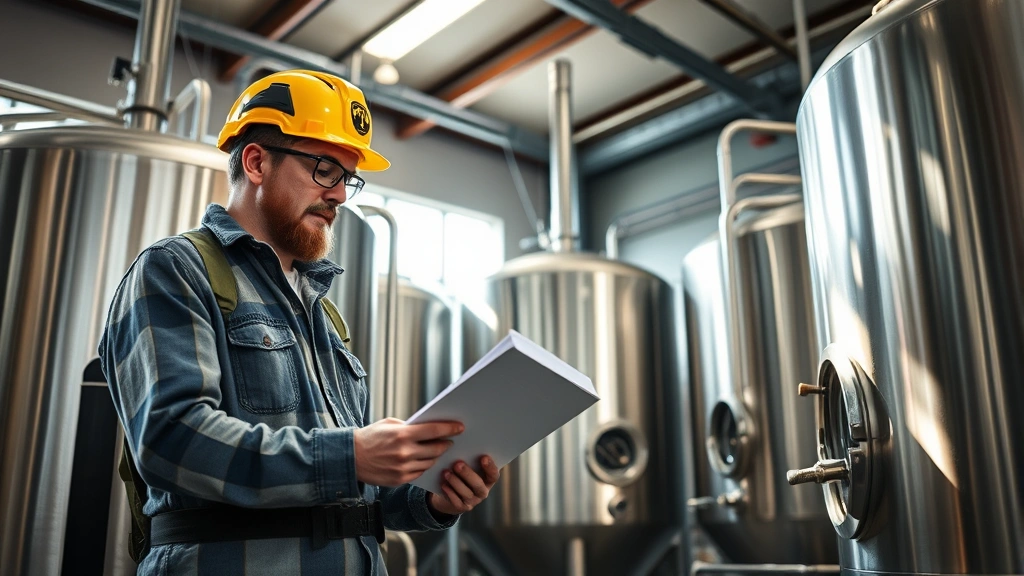
How to Start a Brewery? Third Eye Brewing Tips
The craft brewery industry has experienced explosive growth over the past decade, with thousands of entrepreneurs launching successful brewing operations across North America and beyond. Starting a brewery requires far more than passion for beer—it demands strategic planning, substantial capital, regulatory expertise, and a deep understanding of both the production and business sides of the industry. Third Eye Brewing represents the modern craft brewery model: innovative, quality-focused, and customer-centric.
Whether you’re envisioning a nano-brewery in your garage or a full-scale production facility, this comprehensive guide will walk you through every critical step of launching your brewery venture. From initial concept validation through your grand opening, we’ll explore the essential considerations that separate successful breweries from those that struggle to gain traction in a competitive marketplace.
Understanding the Brewery Business Landscape
The craft beer market has matured significantly since the early 2000s, creating both opportunities and challenges for new entrants. According to the Brewers Association, there are now over 10,000 breweries operating in the United States alone, representing a tenfold increase from just 20 years ago. This saturation means success requires differentiation, quality execution, and a clear understanding of your target market.
Third Eye Brewing exemplifies the modern brewery that recognizes market dynamics and positions itself strategically. The brewery landscape includes several distinct categories: macro breweries producing millions of barrels annually, regional craft breweries with established distribution networks, brewpubs combining food service with brewing, and nano-breweries focusing on experimental and limited-release batches. Understanding where your brewery fits within this ecosystem is crucial for positioning and financial projections.
The current market favors breweries that develop unique flavor profiles, tell compelling brand stories, and create engaging customer experiences. Consumer preferences have shifted toward quality over quantity, with craft beer drinkers willing to pay premium prices for distinctive products. This presents opportunities for entrepreneurs who can identify underserved niches and execute at high levels.
Developing Your Brewery Concept and Business Model
Before investing significant capital, you must develop a clear, well-researched brewery concept. This begins with identifying your brewing philosophy, target customer demographic, and competitive differentiation. Are you creating a traditional German-style lager brewery, a hop-forward IPA specialist, or an experimental sour beer producer? Your brewing focus will influence everything from equipment selection to marketing positioning.
Market research is non-negotiable at this stage. Conduct surveys with potential customers, visit competing breweries, analyze local consumption patterns, and evaluate demographic trends in your target market. Third Eye Brewing’s success stems partly from understanding its specific community’s preferences and building a brand that resonates authentically with those values.
Your business model determines revenue streams and profitability potential. Common brewery models include:
- Production brewery with taproom: Focus on on-premise sales with limited distribution
- Brewpub model: Combine brewing with food service for higher margins
- Distribution-focused brewery: Prioritize wholesale accounts and regional distribution
- Experience-driven brewery: Emphasize tours, events, and hospitality revenue
- Contract brewing: Produce beer for other brands using your facilities
Consider exploring incubated company models that allow you to test your concept with lower initial investment before scaling operations. Many successful breweries start in shared facilities or co-brewing arrangements before establishing independent production.
Financial Planning and Capital Requirements
Brewery startup costs vary dramatically based on scale and location, but most operations require between $250,000 and $1.5 million in initial capital. This includes equipment, facility buildout, permits, working capital, and operational expenses during the pre-revenue phase. Understanding these financial requirements prevents undercapitalization, which is a primary cause of brewery failure.
Equipment costs typically represent 30-40% of total startup investment. A small 5-barrel system costs $40,000-$60,000, while a 15-barrel system runs $80,000-$150,000. Larger installations require proportionally greater investment. Beyond brewing equipment, you’ll need fermentation tanks, cooling systems, packaging equipment, quality control instruments, and point-of-sale systems.
Facility costs include lease deposits, buildout expenses, and utility infrastructure. Breweries require significant water access, wastewater treatment capacity, and climate control. Zoning, building codes, and landlord requirements vary by location, making facility selection a critical financial decision.
Develop detailed financial projections including startup costs, monthly operating expenses, and revenue forecasts for at least three years. Most breweries operate at losses during year one and break even in year two. Realistic projections demonstrate viability to investors and lenders. When considering business structure options, evaluate tax implications and liability considerations specific to brewery operations.
Funding sources for brewery startups include personal savings, bank loans, SBA loans, equipment financing, crowdfunding, and angel investors. Many successful breweries combine multiple funding sources. SBA loans, particularly the 7(a) loan program, offer favorable terms for brewery ventures with solid business plans.
Navigating Legal and Regulatory Requirements
Brewery operations fall under extensive federal, state, and local regulations administered by the Alcohol and Tobacco Tax and Trade Bureau (TTB), state alcohol beverage control boards, and municipal authorities. Navigating this regulatory landscape requires expertise and meticulous attention to detail.
Federal requirements include obtaining a Brewer’s Notice from the TTB, which involves submitting detailed facility diagrams, equipment specifications, production methods, and quality control procedures. This process typically takes 2-4 months and is non-negotiable before beginning production. You’ll also need federal employer identification numbers and payroll tax registration.
State regulations vary significantly. Some states impose strict production limits, residency requirements, or distribution restrictions. Others regulate pricing, require specific labeling formats, or mandate participation in three-tier distribution systems. Understanding your specific state’s requirements is essential before finalizing business plans.
Local zoning and building code compliance is equally critical. Breweries must comply with environmental regulations, wastewater treatment standards, noise ordinances, and parking requirements. Some municipalities restrict brewery locations or require special use permits. Engaging with local planning departments early prevents costly conflicts.
Liability and insurance considerations are substantial. Breweries require general liability insurance, property insurance, product liability coverage, and alcohol liability insurance. Working with an insurance broker experienced in brewery operations ensures adequate coverage. When establishing partnerships, a comprehensive partnership agreement protects all stakeholders and clarifies operational expectations.
Employment regulations require compliance with labor laws, safety standards, and training requirements. Brewery operations involve hazardous equipment and chemical handling, necessitating proper safety protocols and employee training programs.
Securing Location and Equipment
Location selection profoundly impacts brewery success. Evaluate potential sites based on zoning compliance, utility capacity, accessibility, visibility, and community demographics. Breweries require reliable water sources, adequate electrical capacity, and sufficient space for production, storage, and customer areas if operating a taproom.
Equipment selection depends on your production model and financial resources. New equipment is reliable but expensive; used equipment can reduce capital requirements but may lack warranty coverage. Many successful breweries acquire equipment gradually, starting with essential brewing systems and expanding capacity as revenue permits.
Critical equipment includes:
- Brew kettles and mash tuns for production
- Fermentation vessels for yeast activity
- Cooling and temperature control systems
- Filtration and clarification equipment
- Packaging systems (canning, bottling, or kegging)
- Quality control laboratory equipment
- Cleaning and sanitation systems
Establish relationships with equipment suppliers and distributors who understand brewery operations. They can provide valuable guidance on equipment sizing, utility requirements, and installation logistics. Consider equipment flexibility—can your system accommodate different beer styles or production scales as your business evolves?
Building Your Brand and Marketing Strategy
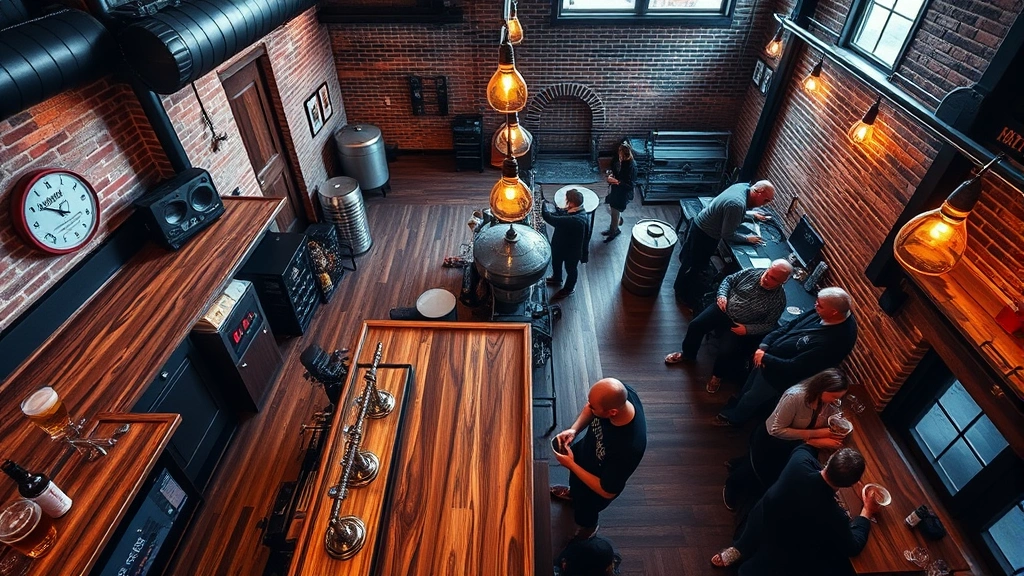
In a crowded market, brand differentiation determines survival. Your brewery’s brand encompasses visual identity, flavor profile, origin story, and customer experience. Third Eye Brewing’s brand success reflects authentic storytelling, consistent quality, and community engagement.
Develop a comprehensive brand strategy addressing visual identity (logo, label design, color palette), brand messaging (core values, mission statement, unique positioning), and customer experience (taproom atmosphere, staff expertise, event programming). Your brand should resonate with target customers and differentiate your brewery from competitors.
Marketing strategies for breweries include:
- Taproom experience and hospitality excellence
- Social media engagement and content marketing
- Influencer partnerships and beer blogger relationships
- Event hosting and community sponsorships
- Distribution partnerships and wholesale relationships
- Direct-to-consumer channels and membership programs
Implementing effective digital marketing strategies is essential for reaching beer enthusiasts and building community. Social media platforms, email marketing, and content creation establish thought leadership and customer engagement. Beer enthusiasts actively seek information about brewing processes, flavor profiles, and brewery stories—provide this content authentically.
Consider how you’ll measure marketing effectiveness and track customer satisfaction metrics to refine your approach continuously. Taproom feedback, online reviews, and sales data provide insights into what resonates with your audience.
Assembling Your Team and Operations
Brewery success depends on assembling a talented team with complementary skills. Critical roles include head brewer (production and quality expertise), taproom manager (customer experience and hospitality), and general manager or owner (business operations and strategy). Many startup breweries require founders to wear multiple hats initially, but as operations scale, specialized expertise becomes essential.
Head brewer qualifications should include formal brewing education, production experience, and quality control expertise. This position directly impacts product quality and consistency. Consider whether you’ll recruit an experienced brewer or promote from within as your team develops.
Taproom staff require training in beer knowledge, customer service, and alcohol service laws. Creating a positive customer experience builds loyalty and generates word-of-mouth marketing. Staff should articulate your brewery’s story and values while demonstrating genuine enthusiasm for your products.
Operational systems include production scheduling, inventory management, quality control procedures, financial management, and compliance documentation. Implementing standardized procedures ensures consistency and enables scaling. Many breweries utilize specialized brewery management software for production tracking, sales analysis, and regulatory reporting.
Consider the importance of workplace diversity and inclusive hiring practices as you build your team. Diverse perspectives strengthen decision-making and create more welcoming customer environments.
Quality control is non-negotiable in brewery operations. Implement comprehensive testing procedures for water chemistry, ingredient quality, fermentation progress, and finished product analysis. Many breweries partner with external laboratories for specialized testing and validation.
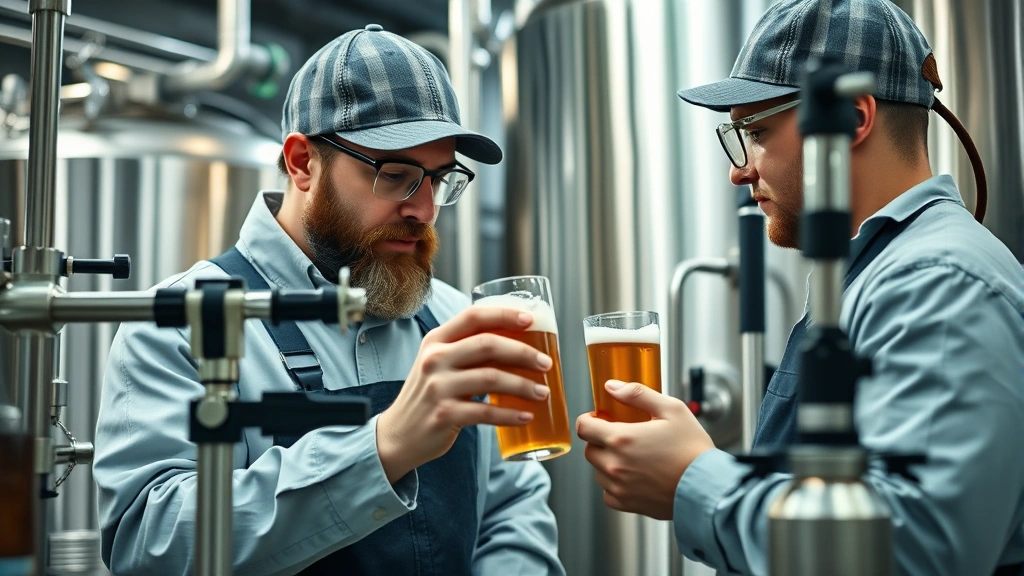
Production planning requires balancing demand forecasting with inventory management. Overproduction ties up capital in excess inventory; underproduction misses revenue opportunities. Sophisticated breweries utilize historical sales data and market trends to optimize production schedules.
Distribution logistics determine how effectively you reach customers. Direct-to-consumer models (taproom and online sales) provide highest margins but require customer acquisition efforts. Wholesale distribution expands reach but involves lower margins and distributor relationships. Many successful breweries employ hybrid models combining multiple distribution channels.
Third Eye Brewing’s operational excellence stems from attention to detail, commitment to quality, and customer-centric decision-making. These operational fundamentals distinguish thriving breweries from struggling ventures.
FAQ
How much capital do I need to start a brewery?
Startup costs typically range from $250,000 for small nano-breweries to $1.5 million or more for medium-scale operations. This includes equipment ($80,000-$400,000), facility buildout ($50,000-$300,000), permits and licensing ($5,000-$20,000), working capital ($30,000-$100,000), and operational expenses during the pre-revenue phase. Precise figures depend on location, equipment choices, and facility requirements.
What licenses and permits do I need?
Federal requirements include a Brewer’s Notice from the TTB and federal employer identification numbers. State requirements vary by location but typically include state alcohol beverage licenses and production permits. Local requirements may include zoning variances, building permits, food service licenses (if operating a brewpub), and health department approvals. Consult with local authorities and an attorney specializing in alcohol beverage law to ensure complete compliance.
How long does it take to open a brewery?
Timeline varies significantly based on location and complexity. Typical timelines range from 12-24 months from initial planning to opening day. This includes business planning (2-3 months), facility acquisition and buildout (3-6 months), equipment installation (1-2 months), regulatory approvals (2-4 months), and final preparations (1-2 months). Complex locations or facilities may extend timelines significantly.
What’s the difference between contract brewing and owning a brewery?
Contract brewing involves producing beer at another brewery’s facility, reducing capital requirements and allowing focus on brand development and sales. Brewery ownership provides control over production, quality, and facility, but requires substantially greater capital investment and operational responsibility. Many entrepreneurs start with contract brewing to validate their concept before investing in dedicated facilities.
How do I differentiate my brewery in a competitive market?
Successful differentiation combines unique flavor profiles, authentic brand storytelling, exceptional customer experience, and community engagement. Identify underserved market niches (specific beer styles, flavor preferences, or customer demographics) and execute at high levels. Build genuine relationships with customers, host engaging events, and demonstrate commitment to quality and innovation. Third Eye Brewing succeeds through authentic positioning and consistent delivery of distinctive products.
What’s the typical production timeline for a batch of beer?
Production timelines vary by beer style but typically range from 3-8 weeks from brewing to packaging. This includes brewing day (4-8 hours), fermentation (7-14 days), conditioning (7-21 days), and packaging (1-2 days). Barrel-aged or sour beers may require months or years. Understanding these timelines helps with production planning and inventory management.


