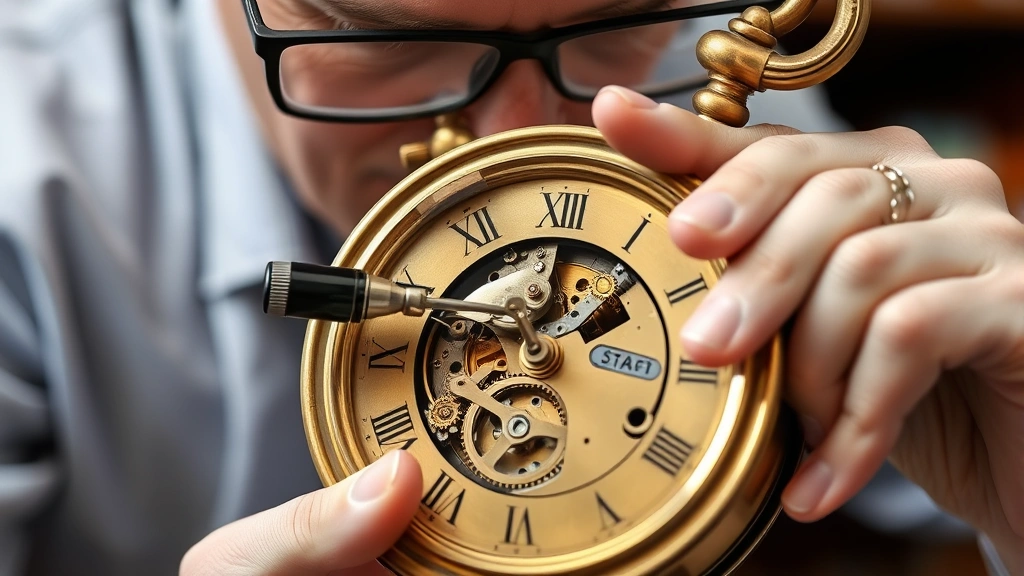
Ansonia Clock Value? Expert Appraisal Guide
The Ansonia Clock Company stands as one of America’s most prolific timepiece manufacturers, producing millions of clocks from its founding in 1850 through the early 20th century. Whether you’ve inherited an ornate brass mantelpiece clock, discovered a striking regulator in an antique shop, or possess one of their iconic kitchen models, understanding the true value of your Ansonia clock requires knowledge of production history, manufacturing techniques, condition assessment, and current market dynamics. This comprehensive guide walks you through everything you need to know about appraising and valuing your Ansonia timepiece.
Collectors and antique enthusiasts recognize Ansonia clocks as reliable investments and decorative pieces that have appreciated significantly over recent decades. However, market values fluctuate based on model rarity, mechanical condition, case materials, and provenance. An authentic Ansonia clock in pristine working condition can command anywhere from $200 to several thousand dollars, while exceptional or rare models occasionally exceed $10,000 at auction. Understanding these valuation factors empowers you to make informed decisions about selling, insuring, or preserving your clock.
Ansonia Clock Company History and Manufacturing Legacy
Founded in 1850 in Ansonia, Connecticut, the Ansonia Clock Company emerged as a dominant force in American horological manufacturing. The company’s founder, Anson Phelps, established operations that would eventually produce over 3 million clocks throughout its operational lifetime. The company’s strategic location near New York City and access to skilled labor enabled rapid expansion and innovation in clock design and production methodologies.
Throughout the 1850s and 1860s, Ansonia developed a reputation for manufacturing affordable yet reliable timepieces that appealed to middle-class households across America. Their production facilities utilized cutting-edge manufacturing techniques for the era, including standardized parts, assembly-line processes, and quality control measures that set industry standards. The company’s commitment to mechanical excellence combined with artistic case design created a unique market position that distinguished Ansonia products from competitors like Sessions, Waterbury, and Ingraham.
The Victorian era (1880-1910) represented the peak of Ansonia’s influence and production volume. During this period, the company manufactured an extraordinary variety of clock styles including ornate parlor clocks, practical kitchen models, elegant mantelpiece timepieces, imposing floor-standing regulators, and specialized office clocks. Each category featured dozens of distinct models with variations in decoration, mechanism, and materials. This prolific output created the large inventory of surviving Ansonia clocks available to modern collectors.
Understanding this manufacturing context proves essential for valuation. Clocks produced during the 1880-1920 period represent the majority of surviving examples, while pre-1870 models command premium prices due to rarity. The company’s transition through various ownership structures and manufacturing locations throughout the late 19th and early 20th centuries affected production quality and design characteristics, influencing modern collector preferences and market values.
Identifying Authentic Ansonia Clocks
Authentic identification forms the foundation of accurate valuation. Ansonia consistently marked their timepieces with company name and location information, though marking styles evolved throughout the company’s operational history. Most clocks feature “Ansonia Clock Co.” or variations thereof stamped, cast, or printed on the movement, dial, or case.
The movement—the internal mechanical mechanism—provides the most reliable authentication method. Ansonia movements display distinctive characteristics including specific gear configurations, escapement designs, and manufacturing marks. Experienced collectors and appraisers examine the movement’s construction quality, metallurgy, and craftsmanship to confirm authenticity. Counterfeits and reproductions typically display inferior movement quality and inconsistent finishing.
Dial markings offer additional authentication clues. Original Ansonia dials feature specific fonts, printing techniques, and materials consistent with production periods. Porcelain dials, common on higher-quality models, display characteristic crazing patterns and hand-painted details. Lithographed paper dials show period-appropriate printing methods and color palettes. Replacement dials, while sometimes necessary for damaged originals, significantly reduce clock value because they indicate previous restoration and alter the authentic appearance.
Case construction and materials provide further authentication indicators. Ansonia utilized various materials including cast iron, brass, wood, porcelain, and eventually bakelite as production progressed. The manufacturing technique, joint construction, and finishing methods reflect the production period. For example, early cast-iron cases display hand-finishing marks and inconsistencies, while later production shows more uniform machine finishing. Understanding these technical details enables you to assess authenticity and dating with confidence.
Production Models and Their Rarity Factors
Ansonia manufactured hundreds of distinct clock models, each with different production runs, design features, and collector demand. Rarity significantly influences market value, making model identification crucial for accurate appraisal. The company’s extensive product line included kitchen clocks, parlor clocks, office regulators, and specialty timepieces, each category containing multiple variations.
Kitchen clocks represent the most commonly encountered Ansonia models. These practical, decorative timepieces featured simple mechanisms, compact designs, and affordable price points that made them accessible to average households. Models like the “Peerless,” “Parisian,” and “Crystal Palace” sold in large quantities, meaning surviving examples are relatively abundant. While common kitchen clocks typically range from $150-$400, exceptional examples with original paint, intact doors, and working mechanisms command higher prices.
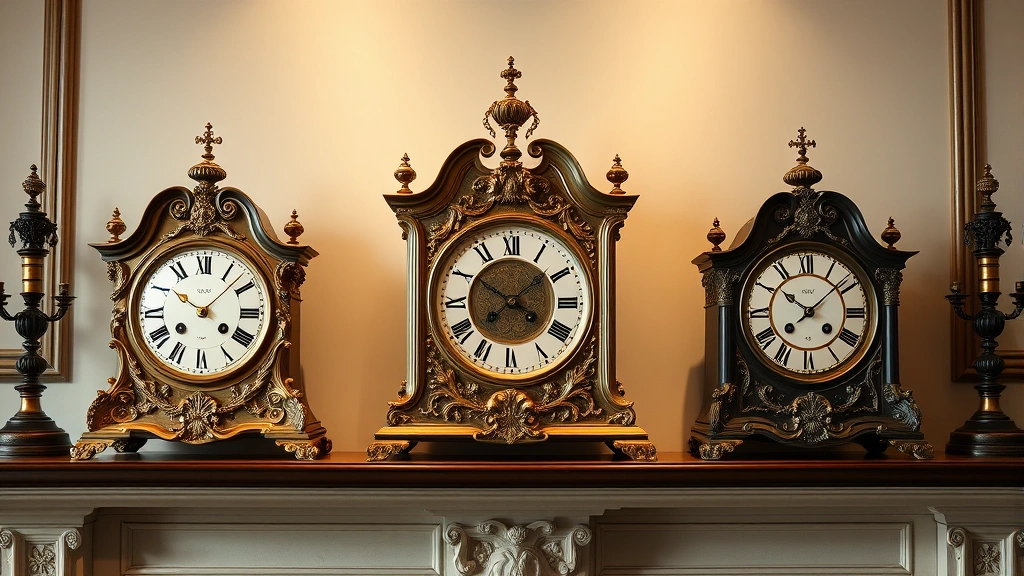
Parlor and mantelpiece clocks display more ornate decoration and sophisticated mechanisms than kitchen models. These timepieces featured quality case work, often incorporating brass, porcelain, or marble elements. Models like the “Regal,” “Rialto,” and “Sonora” represent mid-range production pieces with moderate rarity. These typically value between $400-$1,200 depending on condition and specific model characteristics.
Regulator clocks represent Ansonia’s premium product category. These large, wall-mounted timepieces featured precision movements designed for accuracy and longevity. Regulators typically display substantial wooden cases, large faces, and complex mechanical systems. Rare regulator models in excellent condition frequently exceed $2,000 and can reach $5,000-$10,000 for exceptional examples. The mechanical sophistication and case quality justify premium valuations.
Specialty models including calendar clocks, alarm clocks, and novelty designs occupy niche collector markets. Calendar clocks that display date and day information command premium prices due to mechanical complexity and collector enthusiasm. Alarm clocks, while functional and charming, typically value lower than comparable non-alarm models unless they represent particularly rare designs.
Production volume data, while imperfect for Ansonia, provides insight into rarity. Models manufactured for 5-10 years in large quantities exist in greater numbers than models produced for brief periods. Consulting detailed reference works and collector databases helps identify production timelines and relative rarity for specific models.
Condition Assessment and Mechanical Evaluation
Clock condition dramatically impacts valuation. A pristine, fully functional Ansonia clock commands substantially higher prices than a similar model requiring restoration. Professional appraisers evaluate multiple condition factors including mechanical operation, case integrity, dial condition, and originality of all components.
Mechanical operation represents the most important condition factor. Clocks that keep accurate time with original movements intact and functioning properly demonstrate superior value. Pendulum and spring-driven mechanisms should operate smoothly without grinding sounds, binding, or irregular motion. Experienced appraisers listen carefully to movement operation and observe pendulum swing patterns to assess mechanical health.
Worn bearings, broken mainsprings, damaged escapements, or missing parts substantially reduce value. However, mechanical issues don’t necessarily eliminate value entirely—many collectors and restoration specialists specifically seek clocks with repairable problems at discounted prices. Understanding the extent and cost of necessary repairs helps establish realistic valuation ranges.
Case condition significantly influences aesthetic value and overall appeal. Original paint, intact decorative elements, and structurally sound cases increase desirability. Chips, cracks, loose joints, and paint loss reduce value proportionally. Severe damage affecting structural integrity or visual appeal can reduce value by 50% or more. Conversely, cases refinished to high standards by skilled craftspeople may recover much of their lost value.
Dial preservation critically affects clock appearance and value. Original dials in excellent condition with clear numerals, legible maker marks, and intact glass or bezels represent ideal scenarios. Crazed porcelain dials, faded lithographed dials, or missing dial elements reduce value. Replacement dials, while sometimes necessary, indicate previous restoration and typically reduce value by 15-25%.
Originality of components matters significantly to serious collectors. Clocks retaining original pendulums, weights, keys, and decorative elements command premiums. Missing or replaced components reduce value and suggest incomplete restoration history. Documentation of original components through photographs or historical records enhances value and collector confidence.
Material Composition and Case Value
Ansonia employed various materials in case construction, each contributing distinctly to clock value. Understanding material composition helps assess quality, dating, and desirability within collector markets.
Cast iron cases represent the most common Ansonia construction material. Iron provided durability, affordability, and aesthetic flexibility for intricate designs. Cast iron cases range from simple functional designs to highly ornate decorative pieces. Quality of casting, finishing details, and paint preservation significantly impact value. Well-preserved cast iron clocks with original paint and intact decorative elements may command $300-$800, while damaged or heavily stripped examples value $100-$300.
Brass and metal cases appeal strongly to collectors seeking premium aesthetics. Ansonia utilized brass, bronze, and other metals for higher-end models. These materials resist corrosion better than iron and develop attractive patinas with age. Polished brass cases with original mechanical components typically value $500-$1,500. Oxidized or tarnished brass reduces appeal unless restoration is feasible.
Porcelain and ceramic cases represent specialty production emphasizing artistic decoration. These delicate cases required careful manufacturing and appealed to affluent households. Porcelain cases with hand-painted decoration, intact glazing, and working mechanisms frequently exceed $800 and can reach $2,000+ for exceptional examples. Chips, cracks, or repairs significantly reduce porcelain clock value due to difficulty in restoration.
Wood cases appear primarily on regulator clocks and some parlor models. Quality wood selection, finish preservation, and structural integrity influence value. Mahogany, walnut, and oak cases in excellent condition increase desirability. Water damage, wood rot, or extensive refinishing reduces value. Well-maintained wooden regulators typically value $800-$3,000 depending on size and mechanical quality.
Mixed material construction combining wood, metal, and porcelain elements appears on many premium Ansonia models. These sophisticated combinations showcase manufacturing expertise and design sophistication. Mixed-material clocks typically command mid-to-premium prices reflecting their complexity and quality.
Current Market Values and Price Ranges
Ansonia clock values fluctuate based on market demand, collector interest, and economic conditions. Understanding current pricing helps establish realistic expectations for selling, insuring, or collecting purposes. The following price ranges reflect typical market values for clocks in good to excellent condition as of recent auction results and dealer pricing.
Budget category ($100-$400): Common kitchen clocks, simple mechanical designs, and models with moderate damage fall into this range. These accessible price points appeal to casual collectors and decorators seeking period-appropriate furnishings. Common models like basic kitchen clocks in fair-to-good condition typically sell in this range.
Mid-range category ($400-$1,200): Quality parlor clocks, well-preserved kitchen models, and moderately ornate designs occupy this valuation tier. These pieces appeal to serious collectors seeking authentic examples with good mechanical condition and aesthetic appeal. Clocks featuring brass cases, intact original dials, and working movements typically achieve these prices.
Premium category ($1,200-$3,000): Exceptional regulator clocks, rare models, and clocks featuring superior materials or design sophistication command premium prices. These pieces appeal to advanced collectors willing to invest in museum-quality examples. Pristine mechanical condition, complete originality, and artistic merit justify premium valuations.
Collector specialist category ($3,000+): Extremely rare models, exceptional historical examples, and clocks with significant provenance may exceed $3,000. These pieces include early production models, limited-run designs, and clocks with documented ownership history. Specialized collector auctions occasionally feature Ansonia pieces commanding $5,000-$10,000+.
Market values continue appreciating as collector interest grows and supply of pristine examples diminishes. Institutional interest from museums and increasing recognition of industrial design heritage support long-term value appreciation for quality examples.
Professional Appraisal Process
Obtaining professional appraisal ensures accurate valuation and provides documentation for insurance, estate planning, or sales purposes. Understanding the appraisal process helps you prepare effectively and maximize the value of expert assessment.
Selecting qualified appraisers represents the critical first step. Seek appraisers specializing in antique clocks with demonstrated expertise in Ansonia production and market values. Professional affiliations with organizations like the American Society of Appraisers (ASA) or Antiquarian Horological Society indicate credibility and commitment to professional standards. References from previous clients and established reputation within collector communities validate expertise.
Documentation preparation supports thorough appraisal. Gather any available historical documentation, previous appraisals, photographs of the clock in original settings, and information about acquisition or inheritance. Detailed condition photographs from multiple angles help appraisers assess condition accurately even for remote appraisals.
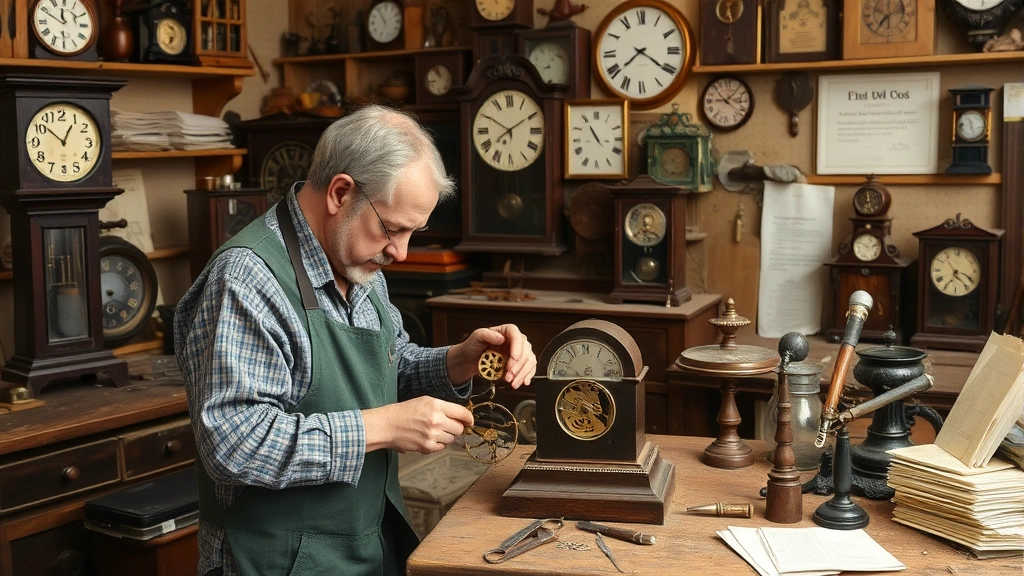
Physical examination by qualified appraisers involves detailed assessment of movement, case, dial, and all components. Appraisers examine maker marks, manufacturing techniques, material composition, and mechanical operation. They document condition through photographs and written descriptions establishing baseline for future reference.
Market research by professional appraisers incorporates recent auction results, dealer pricing, collector databases, and specialized publications. Appraisers compare your specific clock to comparable recent sales adjusting for condition, rarity, and market demand variations. This research-based approach ensures valuations reflect current market realities rather than outdated pricing guides.
Written appraisal reports document findings comprehensively. Professional reports include detailed description, authentication confirmation, condition assessment, comparable sales analysis, and final valuation. Insurance appraisals specify replacement value; estate appraisals typically provide fair market value; and sales appraisals reflect realistic selling prices considering market conditions.
For valuable clocks or estate planning purposes, investment in professional appraisal ($300-$500 typically) provides documentation protecting against disputes and ensuring proper insurance coverage. Harvard Business Review’s valuation insights highlight the importance of professional assessment for valuable assets.
Understanding your clock’s specific model, production period, and market category enables productive conversations with appraisers. When researching, consult comprehensive references like Ansonia clock catalogs, collector guides, and online databases documenting production models. This preparation accelerates appraisal process and ensures thorough evaluation.
If you’re managing multiple valuable items, consider implementing proper inventory documentation systems that track appraisals and condition assessments over time. For business applications involving antique asset management, proper business risk management frameworks protect valuable collections.
The appraisal process ultimately provides peace of mind, accurate valuation documentation, and professional assessment supporting informed decisions about your Ansonia clock collection. Whether you’re selling, insuring, or preserving these timepieces for future generations, professional expertise ensures proper stewardship of valuable historical artifacts.
Ansonia clocks represent more than functional timepieces—they embody American manufacturing heritage, artistic design traditions, and mechanical innovation from the industrial era. Proper valuation respects this historical significance while establishing market-appropriate pricing reflecting current collector demand and condition factors.
FAQ
What factors most significantly influence Ansonia clock value?
Mechanical condition, model rarity, case materials, and originality of components represent the most influential value factors. Working movements with original dials, intact cases, and complete original components command premium prices. Rare production models in excellent condition can appreciate significantly beyond common kitchen clock examples.
How can I verify my clock is authentically Ansonia-made?
Examine the movement for Ansonia maker marks, check the dial for company name and location information, and assess case construction quality and materials. Authentic Ansonia movements display distinctive gear configurations and finishing characteristics. Consult reference guides and experienced collectors for model-specific authentication assistance.
Should I restore my damaged Ansonia clock before selling?
This depends on damage extent and restoration costs. Minor cosmetic issues like paint touch-ups may justify restoration if costs remain reasonable. Extensive mechanical work or case restoration often costs more than value increases justify. Consult appraisers about cost-benefit analysis before investing in major restoration.
Where can I sell my Ansonia clock for best value?
Specialized antique clock dealers, online auction platforms (eBay, Worthpoint), and regional antique auctions typically offer better prices than general antique shops. Serious collectors actively seek quality Ansonia pieces, supporting competitive bidding and fair market prices. Consider condition, model rarity, and local market conditions when selecting sales venues.
How often should I have my Ansonia clock appraised for insurance purposes?
Professional appraisals should be updated every 3-5 years or when significant market changes occur. Insurance companies typically require current appraisals for items exceeding $1,000 in value. Maintaining updated documentation protects against underinsurance and supports claims if loss or damage occurs.
Are early production Ansonia clocks worth significantly more than later models?
Pre-1870 Ansonia clocks command premium prices due to rarity and historical significance. However, exceptional later models with superior design, rare features, or exceptional condition can achieve comparable or higher values. Model-specific rarity and condition ultimately matter more than production date alone.


