
Arbor Brewing Company: A Co-Founder’s Blueprint for Corner Brewery Success
Arbor Brewing Company stands as a testament to the power of vision, persistence, and community-driven entrepreneurship in the craft beverage industry. What began as an ambitious dream in Ann Arbor, Michigan has evolved into a respected regional brewery that demonstrates how small-batch producers can compete in an increasingly crowded marketplace. The story of Arbor Brewing’s co-founders reveals critical insights into building sustainable businesses, fostering brand loyalty, and creating exceptional products that resonate with customers beyond the corner brewery aesthetic.
The craft brewing revolution has fundamentally transformed American business culture, with thousands of microbreweries and regional producers challenging established industry giants. Arbor Brewing Company exemplifies this entrepreneurial spirit, proving that authentic storytelling, quality craftsmanship, and strategic community engagement can create lasting competitive advantages. Understanding how the co-founders navigated early challenges, scaled operations, and maintained their core values offers valuable lessons for aspiring entrepreneurs across industries.
The Visionary Foundation: Co-Founder Origins and Philosophy
Every successful business begins with founders who possess clarity of purpose and unwavering commitment to their vision. Arbor Brewing Company’s co-founders recognized an emerging market opportunity in the mid-1990s when craft beer was still considered a niche category. Their decision to establish operations in Ann Arbor, a college town with educated consumers and progressive values, demonstrated sophisticated market analysis and target audience understanding.
The co-founders built their enterprise on three foundational pillars: quality above all else, community authenticity, and sustainable business practices. Rather than pursuing rapid expansion or seeking venture capital that might compromise their values, they chose measured growth that allowed them to maintain direct control over product quality and brand identity. This conservative approach contrasted sharply with many competitors who prioritized scale over substance.
Their philosophy extended beyond brewing excellence to encompassing broader business values. The founders understood that consumers increasingly wanted to support businesses aligned with their personal values. By emphasizing local sourcing, environmental responsibility, and genuine community involvement, Arbor Brewing created emotional connections with customers that transcended typical consumer-brand relationships. This approach transformed casual beer drinkers into passionate brand advocates.
Exploring similar entrepreneurial journeys, you’ll find that many successful founders emphasize the importance of researching established companies to understand industry best practices and avoid common pitfalls. The Arbor Brewing co-founders likely studied regional breweries and national leaders to identify gaps in the market and opportunities for differentiation.
Building the Corner Brewery Experience
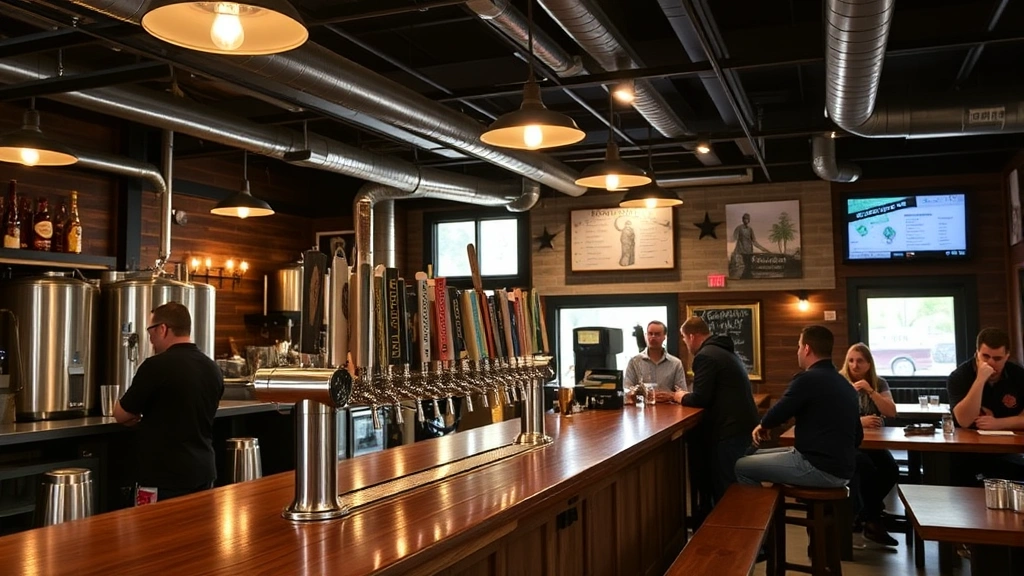
The concept of a “corner brewery” transcends physical location—it represents accessibility, community gathering, and approachable excellence. Arbor Brewing’s co-founders intentionally designed their taproom and production facilities to feel welcoming rather than exclusive or intimidating. This architectural and cultural choice proved instrumental in building their customer base and establishing themselves as neighborhood institutions.
The corner brewery aesthetic emphasizes transparency, allowing customers to observe the brewing process, interact with brewmasters, and develop deeper appreciation for the craft. Arbor Brewing embraced this model wholeheartedly, recognizing that experiential marketing and customer education created sustainable competitive advantages. When people understand the complexity and care involved in producing quality beer, they develop loyalty that price competition cannot erode.
Designing effective brewery experiences requires understanding customer psychology and creating spaces that encourage extended visits, social interaction, and repeat patronage. Arbor Brewing invested in comfortable seating, engaging atmospheres, and knowledgeable staff capable of educating customers about flavor profiles, brewing techniques, and beer pairing principles. These investments in experience design directly contributed to customer lifetime value and word-of-mouth marketing effectiveness.
The physical space became a community hub where local residents gathered for celebrations, business meetings, and casual social interactions. This multifunctional role transformed the brewery from a mere commercial establishment into a genuine community asset. Successful businesses understand that effective communication tools and collaborative environments strengthen relationships with customers and stakeholders alike.
Strategic Growth and Market Positioning
Growth presents one of the most challenging decisions for successful small businesses. Arbor Brewing’s co-founders faced persistent pressure to expand distribution, increase production capacity, and pursue aggressive market penetration strategies. However, they maintained disciplined growth that preserved quality and brand integrity rather than sacrificing these elements for revenue maximization.
This strategic positioning required saying no to opportunities that conflicted with core values or threatened operational excellence. Many breweries succumbed to expansion temptations, only to discover that rapid scaling degraded product quality, diluted brand identity, and created operational chaos. Arbor Brewing avoided this trap by establishing clear growth boundaries and maintaining focus on their target market.
The co-founders recognized that market positioning in the craft beverage industry depends heavily on authenticity perception and quality consistency. They invested in sustainable production practices, local ingredient sourcing, and transparent communication about their brewing philosophy. These commitments resonated with consumers increasingly concerned about environmental impact and corporate responsibility.
Strategic positioning also involved understanding competitive dynamics within their regional market. Rather than attempting to compete nationally against larger breweries with superior resources, Arbor Brewing leveraged local advantages, community relationships, and regional brand recognition. This focused approach created defensible market positions that larger competitors found difficult to challenge.
” alt=”Brewery taproom interior with wooden bar, craft beer taps, and customers enjoying beverages in warm lighting”>
Community Integration as Competitive Advantage
Perhaps the most distinctive element of Arbor Brewing’s success strategy involved deep community integration that transcended typical corporate social responsibility initiatives. The co-founders understood that genuine community involvement created authentic connections that marketing alone could never achieve.
They sponsored local events, supported charitable organizations, collaborated with neighborhood businesses, and actively participated in community decision-making processes. This engagement wasn’t performative—it reflected genuine commitment to their hometown’s wellbeing and prosperity. Customers recognized this authenticity and rewarded it with loyalty and advocacy.
Community integration also provided valuable market intelligence and product development insights. By maintaining close relationships with customers and community members, the co-founders understood emerging preferences, identified market opportunities, and gathered feedback that informed strategic decisions. This organic market research proved more valuable than expensive external consultants.
For businesses interested in replicating this community-focused approach, exploring regional company networks and community business organizations provides valuable networking opportunities and collaborative potential. Local business ecosystems enable companies to strengthen community bonds while accessing resources and expertise.
Product Innovation and Quality Standards
Maintaining product excellence while introducing innovative offerings requires careful balance between experimentation and consistency. Arbor Brewing’s co-founders established rigorous quality standards that applied to every batch produced, regardless of volume or profitability considerations.
They invested in equipment, training, and processes that ensured consistency while allowing creative expression through limited editions and seasonal offerings. This approach satisfied both customers seeking reliable favorites and those desiring novel experiences. The brewery developed a reputation for trustworthiness—customers knew that any Arbor Brewing product would meet exacting standards.
Innovation extended beyond recipes to encompassing sustainable packaging, efficient production processes, and ingredient sourcing that supported local agriculture. These innovations demonstrated commitment to environmental responsibility while creating compelling marketing narratives. Consumers increasingly value businesses that align profit motives with broader societal benefit.
The co-founders recognized that product quality ultimately determines long-term viability. No amount of marketing or branding can overcome inferior products. By prioritizing quality above short-term profitability, they created sustainable competitive advantages that strengthened over time as their reputation for excellence grew.
Digital Marketing and Brand Development
As digital channels emerged and evolved, Arbor Brewing adapted marketing strategies while maintaining brand authenticity. The co-founders recognized that digital marketing for small businesses requires strategic focus and authentic storytelling rather than attempting to compete with larger competitors’ advertising budgets.
They leveraged social media platforms to share behind-the-scenes content, educate customers about brewing processes, and build community around their brand. This content marketing approach provided genuine value while subtly reinforcing brand narratives about quality, authenticity, and community commitment.
Email marketing enabled direct customer communication without relying on third-party platforms or advertising intermediaries. By building subscriber lists of engaged customers, Arbor Brewing maintained direct communication channels for announcing new products, sharing company news, and inviting customers to special events.
The brewery’s website evolved from simple information repository to comprehensive digital experience that communicated brand values, told company story, and facilitated online community engagement. This digital presence extended their physical footprint, allowing customers to connect with the brand beyond taproom visits.
Digital marketing also enabled data collection and analysis that informed strategic decisions. By tracking customer behavior, preferences, and engagement patterns, the co-founders understood which products resonated most strongly and which marketing messages proved most effective. This evidence-based approach improved marketing efficiency and effectiveness.
Scaling Without Losing Soul
The ultimate test of entrepreneurial success involves scaling operations while maintaining the values, quality standards, and authentic culture that created initial success. Many businesses fail this test, discovering that growth creates organizational complexity that erodes the characteristics making them special.
Arbor Brewing’s co-founders deliberately designed organizational structures, hiring practices, and operational systems that preserved their culture while accommodating growth. They invested in employee training that emphasized company values and customer service excellence. New team members learned not just job responsibilities but also the philosophy and mission driving the organization.
Leadership development became critical as the organization grew and required additional management layers. The co-founders mentored emerging leaders who understood and embodied company values, ensuring cultural consistency across expanding operations. This intentional approach to leadership succession prevented the cultural drift that often accompanies organizational growth.
They also maintained direct customer contact despite operational expansion, ensuring that leaders remained connected to customer feedback and market realities. This prevented the disconnect that often develops when executives become isolated from actual customer experiences and frontline operations.
Looking at broader business leadership principles, organizations considered among the best companies to work for share similar characteristics: strong cultures, value-driven leadership, and genuine commitment to employee wellbeing. Arbor Brewing’s approach aligned with these principles, creating workplaces where employees felt genuinely invested in company success.
The co-founders understood that sustainable growth requires investing in systems, processes, and people rather than simply increasing production volume. By building organizational infrastructure supporting their values and operational excellence, they created foundations enabling continued growth without sacrificing the characteristics making Arbor Brewing special.
FAQ
What makes Arbor Brewing Company’s business model distinctive?
Arbor Brewing distinguishes itself through unwavering commitment to quality, authentic community integration, and sustainable business practices. Rather than pursuing aggressive expansion, the co-founders prioritized maintaining product excellence and cultural authenticity, creating competitive advantages that transcend price competition and industry commoditization pressures.
How did the co-founders maintain quality during growth?
The co-founders invested in rigorous quality standards, employee training emphasizing company values, and organizational structures supporting cultural consistency. They deliberately scaled at measured pace, ensuring that growth didn’t overwhelm operational capacity or degrade product quality and customer experience.
What role did community involvement play in Arbor Brewing’s success?
Community integration transcended marketing tactics—it represented genuine commitment to their hometown’s wellbeing. This authenticity created emotional connections with customers, provided valuable market intelligence, and built competitive advantages through customer loyalty and word-of-mouth advocacy that marketing alone could never achieve.
How did Arbor Brewing adapt to digital transformation?
The brewery leveraged digital channels while maintaining brand authenticity, using social media for community building and content marketing rather than attempting to compete with larger competitors’ advertising budgets. Email marketing and website development extended their digital presence while maintaining direct customer relationships.
What lessons does Arbor Brewing offer other entrepreneurs?
The primary lesson involves prioritizing values and quality over short-term growth maximization. By maintaining disciplined focus on core competencies, authentic community relationships, and operational excellence, entrepreneurs build sustainable competitive advantages that strengthen over time while creating genuinely fulfilling business experiences.