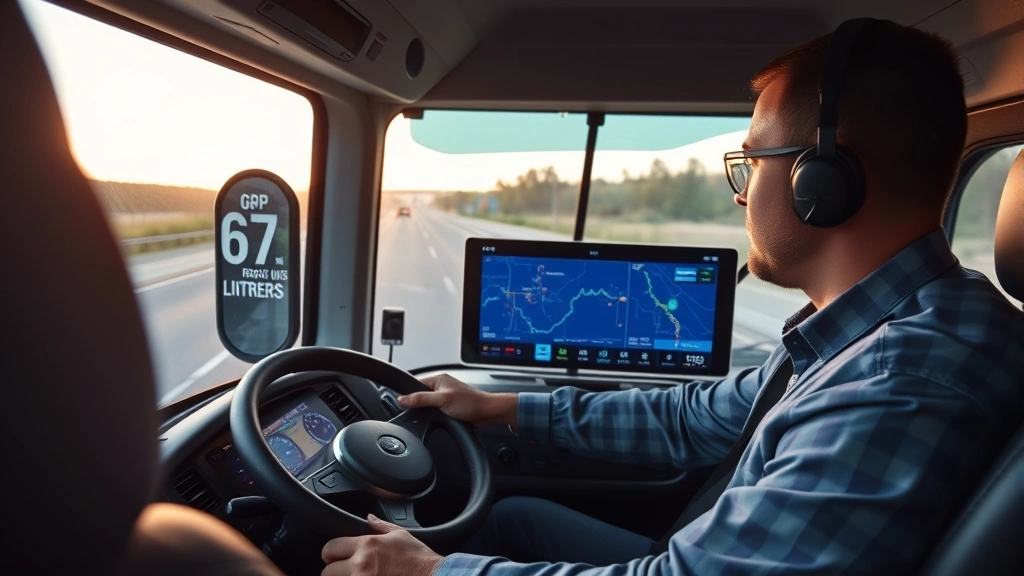
Top Trucking Companies: Industry Leaders 2023
The trucking industry stands as a cornerstone of North American commerce, moving over 70% of freight tonnage annually and generating revenues exceeding $875 billion. As supply chains grow increasingly complex and consumer demand for rapid delivery intensifies, the biggest trucking companies have emerged as critical infrastructure players driving economic growth. These industry leaders combine sophisticated logistics networks, advanced technology platforms, and expansive fleet operations to maintain their competitive edge in a rapidly evolving marketplace.
Understanding the landscape of major trucking operators provides valuable insight into industry trends, technological innovation, and strategic positioning. Whether you’re evaluating potential partners, seeking employment opportunities, or analyzing sector performance, recognizing which companies dominate the space is essential. This comprehensive guide examines the top trucking companies of 2023, their operational scale, strategic initiatives, and market significance within the broader transportation ecosystem.
What Defines Industry Leadership
Industry leadership in trucking extends beyond simple revenue metrics. The biggest trucking companies distinguish themselves through multiple dimensions: fleet size and modernization, geographic reach, service diversity, technological sophistication, safety records, and financial stability. Market leaders typically operate 10,000 to 20,000+ tractors with corresponding trailer capacity, maintain operations across all 48 contiguous states and Canada, and generate annual revenues surpassing $5 billion.
These companies invest heavily in cloud computing infrastructure for real-time tracking, predictive maintenance, and route optimization. They also prioritize driver recruitment and retention through competitive compensation, modern equipment, and career advancement opportunities. Safety performance, measured through CSA (Carrier Safety Alliance) scores and incident rates, represents another critical differentiator among top-tier operators.
Strategic positioning within the supply chain further defines leadership status. Top companies balance asset-heavy trucking operations with asset-light brokerage services, 3PL capabilities, and specialized freight handling. This diversification provides revenue stability during market fluctuations and strengthens customer relationships across multiple service verticals.
Top Five Trucking Companies by Revenue
UPS Freight (UPS Supply Chain Solutions) dominates the less-than-truckload (LTL) segment with annual revenues exceeding $15 billion. As a subsidiary of United Parcel Service, UPS Freight leverages the parent company’s global infrastructure, technology platforms, and financial resources. The division operates approximately 125,000 employees across North America and maintains one of the industry’s most extensive pickup and delivery networks.
FedEx Freight represents another transportation giant, generating revenues around $10 billion annually. This LTL subsidiary of FedEx Corporation operates over 500 service centers and maintains a modern fleet emphasizing efficiency and reliability. FedEx Freight’s integration with FedEx’s broader logistics ecosystem provides significant competitive advantages in multi-modal transportation solutions.
J.B. Hunt Transport Services ranks among the largest full-service transportation companies, with annual revenues surpassing $15 billion. Operating approximately 23,000 trucks and 90,000+ trailers, J.B. Hunt provides intermodal, dedicated contract carriage, refrigerated trucking, and logistics services. The company’s diversified revenue streams and technological innovation have positioned it as a consistent market leader.
Schneider National generates revenues exceeding $5.5 billion through trucking, intermodal, and logistics operations. With over 13,000 trucks and 35,000+ trailers, Schneider maintains a strong presence in dry van, refrigerated, and specialized hauling segments. The company’s commitment to driver development and technology integration has earned recognition as an employer of choice.
Werner Enterprises operates as a major publicly-traded trucking company with revenues around $3 billion. The company maintains approximately 14,000 trucks and 40,000+ trailers across dedicated contract carriage, transportation management, and logistics services. Werner’s focus on driver recruitment, retention, and modern equipment keeps it competitive among the biggest trucking companies.
These five companies collectively control significant market share while maintaining distinct operational strategies. Understanding their strengths helps contextualize industry benchmarks and competitive dynamics. For businesses evaluating partnerships or networking with industry stakeholders, recognizing these leaders provides strategic advantages.
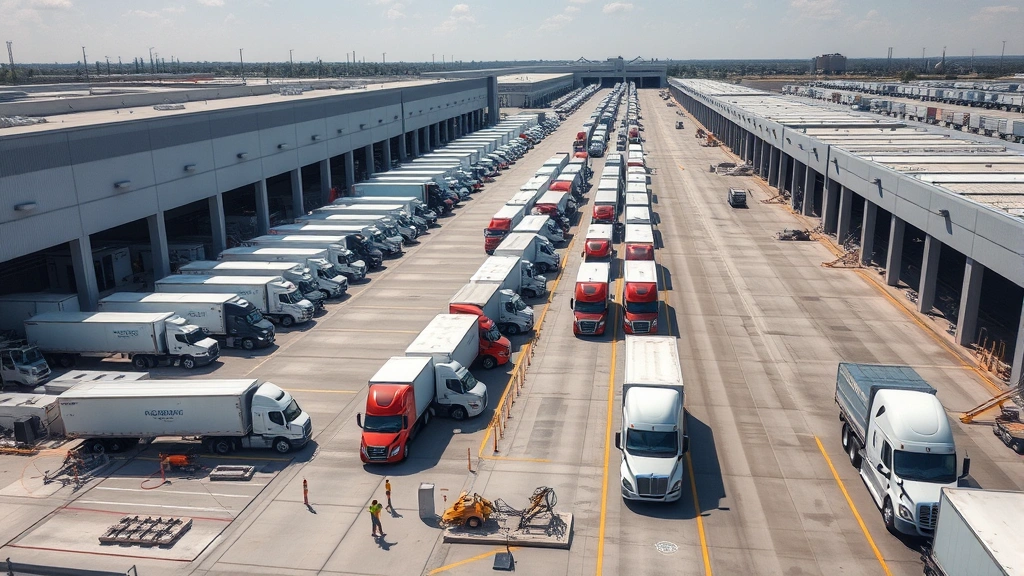
Operational Excellence and Fleet Management
Operational excellence distinguishes the biggest trucking companies from mid-tier competitors. These leaders invest substantially in fleet modernization, targeting average fleet ages of 3-5 years compared to 7-10 years for smaller operators. Newer equipment improves fuel efficiency, reduces maintenance costs, and enhances safety performance—all critical metrics for profitability and customer satisfaction.
Predictive maintenance systems represent a key operational advantage. Industry leaders implement telematics solutions collecting real-time data from thousands of vehicles, identifying potential failures before they occur. This proactive approach reduces downtime, extends equipment lifespan, and improves on-time delivery performance. Harvard Business Review has documented how transportation leaders leverage predictive analytics for competitive advantage.
Driver management and recruitment remain central to operational strategy. Top companies employ dedicated recruiting teams, offer competitive compensation packages starting at $70,000+ annually for experienced drivers, and provide comprehensive training programs. They recognize that driver retention directly impacts service quality, safety metrics, and customer retention. Leading companies often achieve driver turnover rates 15-25 percentage points below industry averages.
Route optimization and load planning technology enable better asset utilization and reduced empty miles. Advanced algorithms consider fuel costs, traffic patterns, driver hours-of-service regulations, and customer delivery windows simultaneously. This sophistication translates to improved profitability and reduced environmental impact—increasingly important for customer procurement decisions.
Technology Integration and Innovation
Technology serves as a primary competitive differentiator among the biggest trucking companies. These leaders invest 2-4% of revenues into technology development and implementation—substantially above industry averages. Their investments span transportation management systems (TMS), driver-facing applications, customer portals, and data analytics platforms.
Real-time visibility represents a baseline expectation for enterprise customers. Top trucking companies provide customers with shipment tracking interfaces, estimated delivery windows, and proactive exception notifications. This transparency reduces customer anxiety, improves supply chain planning, and strengthens retention. Integration with customer enterprise resource planning (ERP) systems has become standard among leading providers.
Autonomous vehicle technology and electric vehicle adoption represent emerging strategic priorities. While full autonomy remains years away, leading companies test autonomous trucks on specific routes and invest in electric vehicle fleets for regional distribution. McKinsey & Company research indicates that early adoption of alternative powertrains provides competitive advantages in customer acquisition and regulatory compliance.
Mobile applications for drivers represent another innovation area. Leading companies provide apps enabling drivers to manage delivery documentation, communicate with dispatch, access training materials, and track earnings—all critical for recruitment and retention. These platforms also collect valuable data improving routing, safety, and performance management.
Blockchain and smart contract technology are beginning to transform freight brokerage and payment processes. Some industry leaders pilot blockchain solutions for documentation, reducing paperwork, accelerating payments, and improving transparency. These innovations position companies as forward-thinking partners for technology-focused customers.
Sustainability and Environmental Initiatives
Environmental responsibility has evolved from corporate goodwill to competitive necessity. The biggest trucking companies face customer pressure, regulatory requirements, and investor expectations regarding emissions reduction. Leading operators have committed to achieving carbon neutrality by 2040-2050, with interim targets requiring significant fleet transformation.
Fuel efficiency improvements represent the most accessible near-term sustainability strategy. Advanced aerodynamics, low-rolling-resistance tires, engine optimization, and driver training reduce fuel consumption 5-15% compared to standard operations. Every gallon saved reduces both costs and emissions—creating aligned incentives for sustainability and profitability.
Alternative fuel adoption accelerates among industry leaders. Natural gas trucks, already deployed by major operators, reduce emissions while maintaining operational compatibility. Electric vehicles for regional distribution and yard operations represent the next frontier. While infrastructure challenges remain, leading companies partner with energy providers and equipment manufacturers to scale EV adoption.
Intermodal transportation, combining trucks with rail for long-distance freight, provides significant environmental benefits. Top companies expand intermodal capabilities, recognizing that rail moves freight more efficiently than trucks over long distances. This modal shift reduces emissions per ton-mile while improving network economics.
Sustainability reporting and third-party certifications have become customer requirements. Leading companies pursue Science-Based Targets initiative (SBTi) certification, report through GRI standards, and participate in industry sustainability councils. These commitments signal serious environmental dedication to customers, investors, and regulators.
Market Consolidation Trends
The trucking industry has experienced significant consolidation over the past decade, with the biggest trucking companies acquiring regional operators and specialized service providers. This consolidation reflects the capital intensity of modern trucking operations, regulatory complexity, and technology investment requirements that favor scale.
Consolidation enables several strategic benefits: expanded geographic coverage, service line diversification, improved technology platforms, and enhanced customer capabilities. When major carriers acquire regional operators, they typically invest in fleet modernization, driver recruitment, and system integration—often improving service quality and financial performance of acquired operations.
Vertical integration trends also reshape the industry landscape. Leading companies acquire logistics providers, freight brokerages, and 3PL operators to control more of the supply chain value. This integration allows companies to offer comprehensive solutions while capturing margins across multiple service layers. Integration also provides customer stickiness through multi-service relationships.
However, consolidation faces headwinds from regulatory scrutiny, driver availability constraints, and cultural integration challenges. The Federal Trade Commission closely monitors acquisitions in concentrated markets, occasionally challenging transactions that might reduce competition. Successfully integrating acquired companies requires careful attention to operational culture, technology systems, and employee retention—particularly driver retention in an already tight labor market.
Private equity investment in trucking has increased significantly, with major firms acquiring regional carriers and smaller fleets. These investors typically implement operational improvements, technology upgrades, and strategic repositioning, often with plans for future consolidation or public offerings.
Future Outlook for Industry Leaders
The trucking industry faces transformative forces requiring sustained strategic adaptation. Driver shortage dynamics will likely intensify, with demographic trends reducing available labor supply even as freight demand potentially increases. Biggest trucking companies must continue innovating in recruitment, compensation, and working conditions to attract talent.
Autonomous vehicle technology will gradually reshape industry structure and employment. While widespread adoption remains years away, leading companies must prepare for gradual fleet transformation. Early adopters gain competitive advantages through improved economics and customer differentiation, though transition costs will be substantial.
Regulatory requirements for emissions reduction will accelerate. Companies delaying sustainability investments face increasing customer pressure and potential regulatory penalties. Those integrating environmental performance into core strategy will capture premium pricing from sustainability-focused customers and benefit from improving alternative fuel economics.
Shipper consolidation and customer concentration continue reshaping negotiating dynamics. As major retailers and manufacturers consolidate, they exercise increasing leverage over trucking providers. Biggest trucking companies maintain negotiating power through scale and service capabilities, but mid-tier operators face margin compression. This dynamic will likely drive continued consolidation.
Digital freight marketplaces and load-sharing platforms create new competitive dynamics. While these platforms haven’t displaced traditional carriers, they’ve increased transparency and pricing pressure. Leading companies integrate marketplace capabilities into their service offerings rather than viewing them as threats, capturing additional revenue while maintaining core customer relationships.
Strategic partnerships with technology providers, energy companies, and logistics platforms will become increasingly important. Companies that collaborate effectively with ecosystem partners gain capabilities and market reach faster than those attempting to build everything internally. These partnerships also provide flexibility to adapt as technology and market dynamics evolve.
Looking forward, the biggest trucking companies will likely resemble technology companies increasingly. While trucks and drivers remain central, the competitive differentiation increasingly derives from data analytics, customer integration, operational optimization, and supply chain visibility. Companies that successfully blend transportation expertise with technology capabilities will dominate the industry.

Strategic Considerations for Business Partnerships
Organizations evaluating relationships with major trucking providers should understand how industry leadership translates to operational benefits. Largest carriers typically offer superior technology integration, more reliable service levels, and broader geographic coverage. However, they may have higher pricing and less flexibility than mid-tier operators.
When assessing trucking partnerships, consider how providers align with your sustainability goals, technology requirements, and growth strategy. Leaders in environmental performance may command premium pricing but provide competitive advantages in customer perception and regulatory compliance. Technology capabilities increasingly determine whether carriers can integrate seamlessly with your operations.
For organizations seeking to develop business acceleration through strategic partnerships, understanding trucking industry dynamics provides valuable insights. Transportation represents a significant cost category for most supply chains, and optimizing this function through partnerships with industry leaders can substantially improve overall performance.
Industry associations and trade organizations provide valuable resources for understanding carrier capabilities and performance. The American Trucking Associations (ATA), Council of Supply Chain Management Professionals (CSMP), and other groups publish benchmarks and best practices that help organizations evaluate providers. Forbes and industry publications regularly cover major trucking company developments and strategic moves.
FAQ
Which trucking company is the largest in the United States?
UPS Freight and J.B. Hunt Transport Services compete for the largest position by revenue, each exceeding $15 billion annually. However, “largest” can be measured multiple ways—by revenue, fleet size, employee count, or geographic reach. UPS Freight benefits from parent company resources, while J.B. Hunt operates more independently as a diversified transportation company.
What services do major trucking companies offer beyond standard trucking?
The biggest trucking companies offer comprehensive logistics solutions including less-than-truckload (LTL) services, intermodal transportation, dedicated contract carriage, freight brokerage, third-party logistics (3PL), and supply chain consulting. This diversification provides revenue stability and enables companies to serve customers’ complete transportation needs.
How do trucking companies maintain competitiveness with driver shortages?
Industry leaders address driver shortages through competitive compensation (often $70,000+ annually), comprehensive training programs, modern equipment, flexible scheduling, and career advancement opportunities. Some companies invest in recruiting teams, sign-on bonuses, and retention incentives. Technology improvements that reduce driving burden—such as automated systems and improved routing—also help.
What role does technology play in modern trucking operations?
Technology is increasingly central to competitive advantage. Leading companies deploy transportation management systems, real-time tracking, predictive maintenance, route optimization, mobile applications, and data analytics platforms. These systems improve efficiency, enable better customer service, and provide data for continuous improvement.
Are electric vehicles becoming mainstream in trucking?
While still a small percentage of fleets, electric vehicles are growing in trucking, particularly for regional distribution and yard operations. Infrastructure limitations and upfront costs remain challenges, but leading companies pilot EV programs and plan for gradual fleet transition. Regulatory pressure and improving economics will likely accelerate adoption over the next decade.
How do consolidation trends affect smaller trucking companies?
Consolidation creates both challenges and opportunities for smaller carriers. Challenges include pricing pressure from larger competitors and customer consolidation favoring bigger providers. Opportunities include acquisition by larger companies, specialization in niche markets, or strategic partnerships. Many smaller carriers survive by focusing on specific geographies, freight types, or service levels where they can differentiate.
What metrics should organizations use to evaluate trucking providers?
Key evaluation metrics include on-time delivery performance, safety records (CSA scores), technology capabilities, pricing competitiveness, geographic coverage, service flexibility, and financial stability. Customer references, industry certifications, and compliance records provide additional insight. Organizations should align evaluation criteria with their specific operational priorities and supply chain requirements.
How are trucking companies addressing environmental concerns?
Industry leaders pursue multiple sustainability strategies: fuel efficiency improvements, alternative fuel adoption (natural gas and electric vehicles), intermodal transportation expansion, and emissions reporting. Companies increasingly set science-based sustainability targets, pursue third-party certifications, and integrate environmental performance into corporate strategy. Customer pressure and regulatory requirements drive this commitment.


