
Millersburg Brewing Tips: Brewmaster’s Expertise in Craft Production
The craft brewing industry has experienced remarkable growth over the past two decades, with breweries becoming cultural cornerstones in communities across North America. Millersburg Brewing Company represents the pinnacle of this movement, combining traditional brewing methodologies with modern quality control standards. Whether you’re an aspiring brewmaster, a business owner considering entry into the beverage industry, or simply someone passionate about understanding the craft, the expertise demonstrated by established breweries provides invaluable insights into successful production, scaling, and market positioning.
The journey from concept to commercial success in brewing requires far more than passion for beer. It demands meticulous attention to ingredient selection, fermentation science, equipment management, regulatory compliance, and business acumen. Millersburg Brewing’s approach to these fundamentals offers a masterclass in how to build a sustainable, profitable brewing operation while maintaining the quality standards that discerning consumers demand.
Understanding Brewing Science and Ingredient Selection
Successful brewing begins with comprehensive knowledge of the raw materials and the chemical transformations that occur during production. The four primary ingredients—water, malted grains, hops, and yeast—each play critical roles in determining the final product’s flavor profile, alcohol content, and shelf stability. Millersburg Brewing’s expertise demonstrates that understanding these components at a molecular level separates amateur home brewers from professional operations.
Water chemistry forms the foundation of brewing excellence. Different mineral compositions affect yeast performance, enzyme activity during mashing, and the final beer’s taste characteristics. Brewmasters analyze their water sources meticulously, sometimes adjusting mineral content to achieve specific flavor objectives. Hard water suits darker beers, while softer water works better for pale ales. This scientific approach to water management is non-negotiable in professional brewing.
Malt selection determines the beer’s body, color, and fermentable sugar content. Breweries source malts from specialized maltsters who control the roasting process with precision. Base malts like Pilsner or pale ale malt provide fermentable sugars, while specialty malts add color, flavor, and complexity. Understanding the enzymatic potential of different malts and how they interact during the mashing process—where enzymes convert starches into fermentable sugars—is essential knowledge.
Hop varieties contribute bitterness, aroma, and preservation qualities. Modern craft breweries maintain relationships with hop suppliers and conduct sensory evaluations of new varieties. The timing of hop additions during the boil dramatically affects the final product: early additions provide bitterness, late additions contribute aroma. Millersburg Brewing’s recipe development reflects deep knowledge of how specific hop varieties perform in different beer styles.
Yeast strain selection influences fermentation speed, flavor development, and final alcohol content. Different strains produce distinct esters and phenolic compounds that define a beer’s character. Professional breweries maintain cultures of multiple yeast strains, conducting fermentation trials to understand how each performs under various temperature and pressure conditions.
Equipment Investment and Facility Planning
The infrastructure required for professional brewing represents substantial capital investment. From brewing kettles to fermentation vessels, conditioning tanks to packaging lines, equipment decisions directly impact production capacity, product quality, and operational efficiency. As a small business owner, understanding these capital requirements is crucial for financial planning.
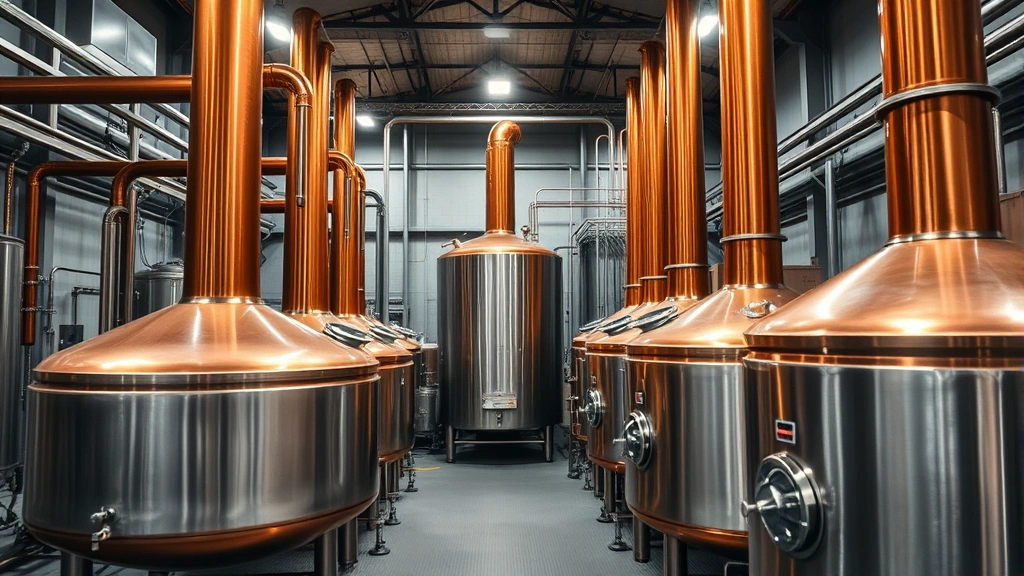
Brewing system architecture typically includes a hot liquor tank (for heating water), a mash/lauter tun (for steeping grains and separating liquid), a kettle (for boiling wort), and a whirlpool or settling vessel (for clarification). The size of these components determines batch size and production capacity. Millersburg Brewing’s system design reflects the balance between flexibility and efficiency—the ability to produce multiple beer styles while maintaining consistent quality.
Fermentation vessel selection significantly impacts beer quality. Conical fermenters allow easier yeast harvesting and sediment removal, while cylindroconical tanks optimize space and temperature control. The number and volume of fermentation vessels determine how many batches can be in process simultaneously. Professional breweries typically operate with multiple fermentation vessels at various stages, enabling continuous production.
Temperature control systems are absolutely critical. Fermentation temperature directly affects yeast metabolism and the flavors produced. Most professional breweries invest in glycol-based cooling systems that maintain precise temperature control throughout fermentation. This infrastructure investment separates consistent, high-quality production from inconsistent results.
Packaging equipment ranges from simple bottling lines to sophisticated canning systems. The choice depends on target distribution channels and market positioning. Many craft breweries initially focus on draft beer for local distribution before investing in packaging equipment for wider market reach. Understanding the consumer services landscape helps breweries determine which packaging format best serves their target market.
Fermentation Control and Quality Assurance
The fermentation process—where yeast converts sugars into alcohol and carbon dioxide—represents the heart of brewing science. Professional breweries monitor fermentation with scientific precision, tracking specific gravity (sugar content), temperature, and pH throughout the process. This monitoring prevents off-flavors, stuck fermentations, and inconsistent products.
Gravity measurements indicate fermentation progress. Original gravity (OG) measures the sugar content before fermentation, while final gravity (FG) measures residual sugars after yeast has consumed fermentable sugars. The difference between OG and FG determines alcohol content. Professional breweries maintain detailed records of gravity readings, allowing them to identify fermentation problems early and adjust procedures as needed.
Temperature management during fermentation is non-negotiable. Different yeast strains perform optimally at different temperatures. Lager yeasts ferment cold (50-55°F), producing clean, crisp flavors, while ale yeasts ferment warm (65-72°F), producing fruity esters. Temperature fluctuations cause off-flavors and inconsistent results. Millersburg Brewing’s investment in temperature control demonstrates the seriousness with which professional breweries approach this fundamental aspect of production.
Sanitation protocols prevent contamination that would ruin entire batches. Every surface contacting wort or beer must be sanitized. Professional breweries implement comprehensive cleaning-in-place (CIP) systems that automatically clean and sanitize equipment. This systematic approach prevents wild yeast and bacterial infections that compromise product quality.
Sensory evaluation complements laboratory analysis. Trained sensory panels evaluate samples throughout fermentation and after packaging, identifying any off-flavors or quality issues. This human expertise, combined with scientific measurement, ensures only products meeting quality standards reach consumers.
Recipe Development and Innovation Strategy
Creating distinctive beers that appeal to target markets requires systematic recipe development. Millersburg Brewing’s success reflects thoughtful approaches to balancing innovation with consistency. The brewery maintains flagship beers that define the brand while regularly introducing limited releases that showcase creativity and respond to market trends.
Recipe formulation begins with a target style—IPA, stout, pilsner, etc.—and desired flavor profile. Brewmasters calculate ingredient quantities to achieve specific gravity, bitterness units (IBUs), and color targets. Modern brewing software assists with these calculations, but experienced brewmasters also rely on intuition developed through years of hands-on experience.
Pilot batch testing precedes full-scale production. Brewing small batches allows evaluation of new recipes before committing to large-volume production. This process reduces risk and allows adjustments before scaling up. Professional breweries often maintain small pilot systems specifically for this purpose.
Ingredient experimentation drives innovation. Breweries test new hop varieties, specialty malts, and alternative fermentation techniques. Some experiment with adjuncts—ingredients beyond the traditional four—to create unique flavor profiles. This innovation keeps brands fresh and exciting for consumers while building reputation as forward-thinking producers.
Seasonal offerings and limited releases create excitement and encourage repeat purchases. Consumers actively seek new offerings, and breweries that regularly introduce seasonal beers build loyal followings. This strategy also allows breweries to use ingredients at their peak—fresh hops in fall, warming spices in winter—creating authentic connections to ingredients and seasons.
Scaling Production While Maintaining Quality
Growing from small startup to established regional producer requires careful planning and investment. Many breweries struggle during scaling because larger equipment behaves differently than smaller systems. Water-to-grain ratios change, heat transfer rates differ, and fermentation dynamics shift. Millersburg Brewing’s successful scaling reflects understanding these technical challenges and investing appropriately to overcome them.
Equipment upgrades must be planned strategically. Expanding brewing capacity requires larger kettles, more fermentation vessels, and upgraded utilities (water, electricity, drainage). These investments should align with demand forecasts, avoiding both under-investment that limits growth and over-investment that strains finances.
Quality consistency becomes more challenging as production scales. Larger batches sometimes produce different results than small batches due to heat distribution, mixing patterns, and fermentation dynamics. Professional breweries conduct extensive testing when upgrading equipment, developing new procedures that maintain consistency despite increased scale.
Staff training becomes critical as operations grow. Larger breweries require trained operators who understand both the technical aspects of brewing and the importance of following established procedures. Investing in staff development—through formal brewing education programs and hands-on mentoring—protects quality as the organization grows.
Supply chain management becomes increasingly important. Sourcing sufficient quantities of quality ingredients while maintaining relationships with suppliers requires attention and planning. Professional breweries often sign long-term contracts with maltsters and hop suppliers, ensuring consistent ingredient availability.
Business Operations and Regulatory Compliance
Beyond the technical brewing aspects, successful breweries operate as sophisticated businesses. Understanding business risk management is essential for navigating regulatory requirements, managing financial resources, and building sustainable operations.
Regulatory compliance with federal and state alcohol beverage regulations is non-negotiable. The Alcohol and Tobacco Tax and Trade Bureau (TTB) regulates brewing at the federal level, while state and local agencies impose additional requirements. Professional breweries employ compliance specialists or work with consultants to navigate these complex regulations. Violations can result in fines, production shutdowns, or license revocation.
Licensing requirements vary by jurisdiction but typically include federal permit applications, state brewery licenses, and local operating permits. The application process can take months and requires detailed operational plans, including facility diagrams, equipment specifications, and quality control procedures. Breweries must demonstrate they understand and will comply with all applicable regulations.
Tax obligations include federal excise taxes on beer, state taxes, and standard income taxes. The federal excise tax currently stands at $3.50 per barrel for breweries producing less than 2 million barrels annually. Understanding tax implications is crucial for pricing products appropriately and maintaining profitability.
Insurance coverage protects breweries from various risks. Product liability insurance protects against claims related to contaminated or defective products. General liability insurance covers injuries or property damage occurring on brewery premises. Understanding what insurance coverage is available and necessary helps brewery owners protect their investments.
Distribution strategy affects operational complexity. Direct-to-consumer sales through taprooms involve different regulations than wholesale distribution to bars and retailers. Many breweries use a multi-channel approach, managing different regulatory requirements for each channel.
Marketing and Brand Development
Technical excellence alone doesn’t guarantee success. Breweries must develop compelling brands and effectively reach target consumers. Millersburg Brewing’s market position reflects strategic marketing that communicates the brewery’s values and differentiates its products.
Brand positioning communicates what makes a brewery unique. Some breweries emphasize traditional brewing methods, others highlight innovation or local sourcing. Consistent messaging across all touchpoints—labels, taproom design, social media, events—builds brand recognition and loyalty. Understanding the broader customer relationship management landscape helps breweries engage effectively with consumers.
Taproom experience creates direct consumer relationships. Many brewery visitors become brand ambassadors who recommend products to friends. Investing in welcoming taproom environments, knowledgeable staff, and engaging events builds community and loyalty. Educational tastings that explain brewing processes deepen consumer appreciation for the products.
Digital marketing reaches consumers where they spend time. Social media platforms allow breweries to showcase new releases, share behind-the-scenes content, and engage with fans. Email marketing keeps loyal customers informed about special events and releases. Digital strategies should align with overall brand positioning.
Event participation builds brand awareness and creates memorable experiences. Breweries participate in beer festivals, farmers markets, and community events. These interactions allow consumers to taste products and learn about the brewery directly from staff, building authentic connections that drive loyalty.
Retail partnerships expand distribution reach. Relationships with bottle shops, bars, and restaurants introduce products to new consumers. Sales representatives who understand the products and can communicate their unique qualities are essential for building strong retail relationships.

FAQ
What makes Millersburg Brewing Company distinctive in the craft brewing market?
Millersburg Brewing distinguishes itself through commitment to quality, ingredient sourcing, and community engagement. The brewery’s emphasis on technical excellence, combined with strategic innovation and authentic brand positioning, has built a loyal consumer base. Their approach balances respecting traditional brewing methods with embracing modern quality control standards and responding to consumer preferences for new flavor experiences.
How do brewmasters maintain consistency across batches?
Consistency requires documented procedures, regular equipment maintenance, and continuous monitoring throughout fermentation. Brewmasters maintain detailed brewing logs recording water chemistry, ingredient specifications, temperature profiles, and gravity measurements. This data allows identification of variables affecting quality. Regular staff training ensures all team members follow established procedures precisely.
What are the primary challenges when scaling a brewery?
Scaling challenges include equipment upgrades that behave differently than smaller systems, maintaining quality consistency with larger batch sizes, managing increased supply chain complexity, and training staff to maintain standards as the organization grows. Financial management becomes more complex as capital investments increase. Professional guidance from experienced brewers or consultants can help navigate these challenges.
How important is water quality in brewing?
Water quality is absolutely critical—it comprises roughly 90% of finished beer. Water chemistry affects yeast performance, enzyme activity during mashing, and final flavor characteristics. Different water mineral compositions suit different beer styles. Professional breweries analyze their water sources and sometimes adjust mineral content to optimize brewing results.
What regulatory requirements do breweries face?
Breweries must comply with federal regulations from the Alcohol and Tobacco Tax and Trade Bureau, state alcohol beverage regulations, and local operating requirements. These include obtaining appropriate licenses, paying federal and state excise taxes, and maintaining detailed production records. Compliance requirements vary by jurisdiction and distribution channel, making professional guidance essential.
How do breweries decide which beers to produce?
Breweries develop flagship beers that define the brand and generate consistent revenue. They also introduce seasonal offerings and limited releases that showcase creativity and respond to market trends. Recipe development involves pilot batch testing before full-scale production. Understanding target consumer preferences, local market dynamics, and broader industry trends informs these decisions.
What role does equipment play in brewing quality?
Equipment quality directly impacts product consistency and quality. Professional-grade systems provide better temperature control, more precise ingredient measurement, and more reliable fermentation management than smaller equipment. Investment in appropriate equipment—sized to production goals—is essential for producing consistent, high-quality products at scale.


