Free Baby Shower Gifts: Brand Recommendations for Smart Parents
Expecting a baby is one of life’s most exciting milestones, but it also comes with significant expenses. From nursery furniture to clothing and feeding supplies, the costs add up quickly. The good news? Numerous companies recognize the opportunity to build brand loyalty with new parents and offer generous free baby shower gifts, samples, and welcome packages to those willing to request them. Strategic outreach to these brands can substantially reduce your initial baby expenses while introducing you to quality products your family may use for years.
This comprehensive guide reveals the top companies that send free baby shower gifts, explains how to request these packages, and helps you maximize your benefits through smart brand engagement. Whether you’re planning your first baby shower or looking for ways to stretch your budget, understanding which companies offer the most valuable freebies can transform your preparation timeline and reduce financial stress during this important life transition.
Top Companies That Send Free Baby Shower Gifts
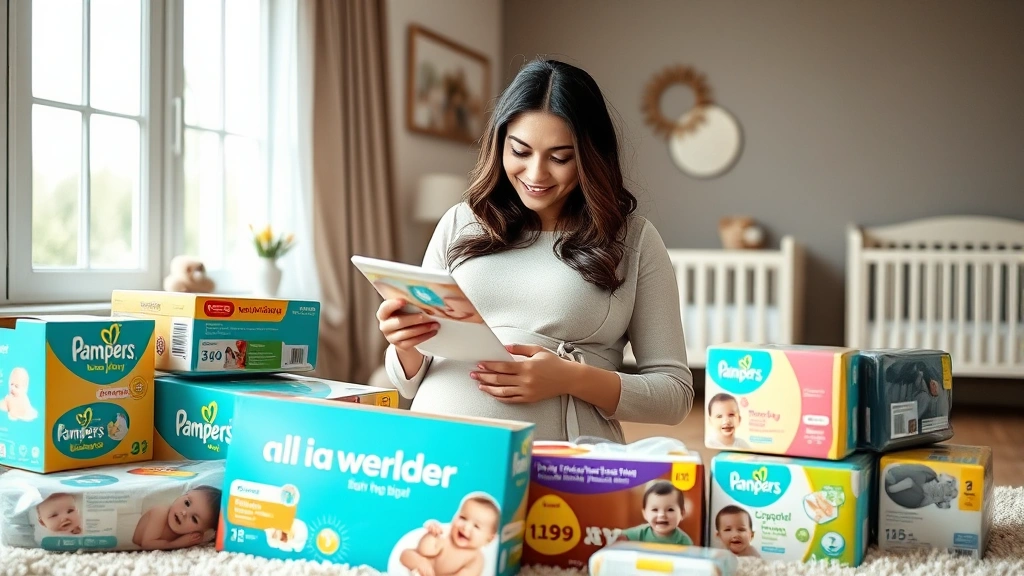
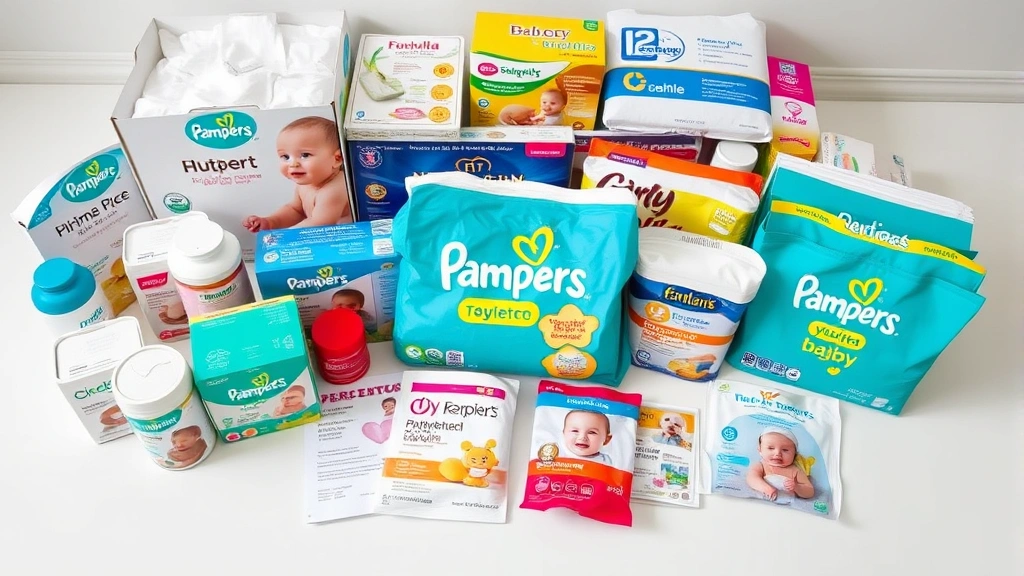
Pampers and Huggies are industry leaders in providing generous free samples and welcome kits to expectant parents. Both companies maintain active programs where you can request starter packs containing diapers, wipes, and exclusive coupons worth $50-$100 in value. Pampers’ Swaddlers and Cruisers lines often come in sample sizes, while Huggies offers their Little Snugglers program with substantial discounts and free product introductions. These diaper manufacturers understand that establishing brand preference early creates lifetime customers, making their investment in free baby shower gifts a strategic marketing decision.
Gerber has built its reputation on supporting families with young children for over 90 years. Their free baby sample program includes formula samples (if applicable), baby food samples across various stages, and nutritional guides developed with pediatricians. Requesting their welcome packet is particularly valuable if you’re planning to introduce solid foods, as you’ll receive age-appropriate product samples that help you evaluate compatibility with your baby’s digestive system before making full-size purchases.
Johnson & Johnson and their baby care division offer comprehensive free sample packs including baby wash, lotion, shampoo, and diaper rash cream. Their products are dermatologist-tested and hypoallergenic, making them popular among parents concerned about sensitive skin. The company frequently includes exclusive coupons in their welcome packages that provide 20-30% discounts on full-size products, extending the monetary value well beyond the sample items themselves.
Enfamil and Similac dominate the infant formula market and provide substantial free samples to expectant parents. If you’re planning to formula-feed or supplement breastfeeding, these companies offer multi-week supplies in their welcome programs. Their sample packs typically include formula in various formulations (standard, gentle, hypoallergenic), along with feeding supplies and educational materials about infant nutrition. Given that infant formula represents one of the largest baby expenses, securing free samples from these brands provides genuine financial relief.
Target and Walmart maintain baby registry programs that reward expectant parents with free welcome gifts when you complete a registry on their platforms. Target’s registry completion discount (typically 15% off registry items purchased after your shower) combined with their free welcome gifts makes their program particularly valuable. Walmart offers similar incentives through their baby registry, and both retailers provide flexibility in product selection across their extensive baby sections.
Amazon operates one of the most generous baby registry programs available. Completing an Amazon Baby Registry qualifies you for their Welcome Box, which includes full-size products and samples from premium brands like Mama Bear, Pampers, and other leading manufacturers. The box value typically exceeds $35, and Amazon provides this gift regardless of whether you make purchases through your registry, making it a pure benefit for registration completion.
BabyCenter and The Bump aren’t retailers but serve as information hubs offering free welcome gifts from multiple brands when you create an account and enter your due date. These platforms aggregate offers from companies seeking to reach expectant parents, making them efficient channels for identifying and requesting multiple free baby packages simultaneously. Your registration information helps these sites connect you with relevant brands based on your baby’s expected arrival date and your stated needs.
How to Request Free Baby Packages from Major Brands
The process of requesting free baby shower gifts requires strategic planning and timing. Begin your outreach 2-3 months before your due date, as many companies process requests with lead times and want to ensure packages arrive before your baby’s birth. Most major brands maintain dedicated websites with clear instructions for requesting welcome packages or samples.
Create a dedicated email address for baby-related communications. This organizational strategy helps you track which companies you’ve contacted, when you submitted requests, and expected delivery timeframes. Companies often send follow-up offers and loyalty program invitations to the email used for initial registration, so consolidating these communications prevents important promotional emails from becoming lost in your primary inbox.
Register with manufacturer websites directly. Companies like Pampers, Huggies, Gerber, and Johnson & Johnson maintain registration portals where expectant parents can request welcome packages. These direct registrations often provide the most generous sample quantities because the company captures your contact information for future marketing purposes. Complete all optional fields during registration, as companies use demographic information to customize their sample selections.
Utilize retail registry programs comprehensively. Don’t limit yourself to a single retailer. Register with Target, Walmart, Amazon, Buybuy Baby, and Buy Buy Baby to access each company’s unique welcome gift. While registration requires duplicated effort, the cumulative value of multiple welcome boxes—often totaling $150-$300 in products and discounts—justifies the time investment.
Leverage hospital and pediatric office programs. Many hospitals provide expectant parents with free gift bags containing product samples and manufacturer coupons at prenatal classes or birth center tours. Ask your OB/GYN office and the hospital where you’ll deliver about their baby welcome programs. Pediatric offices often maintain sample supplies from manufacturers and distribute them to new families, so establishing care with a pediatrician early can yield additional free products.
Join loyalty programs strategically. Brands like Pampers Swaddlers Club, Huggies Rewards, and similar programs offer points on purchases that accumulate toward free products and exclusive samples. Even before your baby arrives, enrolling in these programs positions you to earn rewards on items you would purchase anyway, essentially converting future spending into free products.
Maximizing Your Free Baby Shower Benefits
Receiving free baby shower gifts requires more than simply submitting requests—strategic thinking amplifies your benefits. Combine free samples with digital coupons for maximum savings. Manufacturers offer digital coupons through their websites and coupon apps that stack with sale prices at retailers. A full-size diaper package that costs $25 might drop to $15 with a sale, then further reduce to $10 after applying manufacturer coupons, making the effective price per unit substantially lower than buying samples alone.
Coordinate timing with retail promotions. Retailers like Target and Walmart run regular promotions on baby categories, particularly during seasonal sales and holiday events. Timing your registry completion and sample requests to align with these promotions maximizes your purchasing power. Target’s baby sales in January and back-to-school periods offer 15-25% discounts that combine with registry completion discounts for compounding savings.
Request samples strategically based on your family’s needs. If you have a history of sensitive skin in your family, prioritize requesting hypoallergenic product samples. If you’re planning to use a particular feeding method, focus your requests on compatible products. Customizing your requests based on your specific situation ensures you’re not accumulating products you won’t use, which wastes both the company’s resources and your storage space.
Document all samples received and their shelf lives. Create a simple spreadsheet tracking which products you’ve received, their expiration dates, and quantities. This organization prevents you from discovering expired products after your baby arrives and helps you plan your actual purchases around items you already have. Many baby products have 12-24 month shelf lives, providing adequate usage windows.
Share excess samples with other expectant parents. If you receive duplicate items or products that won’t work for your family, offering them to friends expecting babies builds community goodwill and ensures products are used rather than wasted. This generosity often results in reciprocal sharing when other parents receive products matching your needs.
Understanding how companies measure customer satisfaction reveals why they invest so heavily in free samples—brand loyalty metrics show that parents who positively experience products early become long-term customers. This insight helps you appreciate why companies readily provide free baby shower gifts, as they’re building relationships rather than simply giving away products.
Building Long-Term Relationships with Baby Brands
Strategic engagement with baby brands extends beyond receiving initial free samples. Subscribe to brand newsletters and loyalty programs to receive exclusive member-only promotions and early access to sales. Companies like Pampers and Huggies email loyalty members personalized offers based on their baby’s age, providing developmentally appropriate product recommendations alongside substantial discounts.
Provide feedback on free samples received. Manufacturers value consumer feedback and often offer additional samples or discounts to parents willing to complete product surveys. Taking 5-10 minutes to evaluate a sample product and submit feedback frequently results in coupons or free full-size products, creating a positive feedback loop where your opinions directly influence future benefits.
Similar to how companies strategically generate business leads, baby brands employ sophisticated segmentation to identify high-value customers. Parents who engage with brand content, provide feedback, and maintain active registrations receive preferential treatment in promotional programs, receiving better offers than passive consumers.
Follow brands on social media for flash sales and exclusive promotions. Many companies announce limited-time sales, flash deals, and exclusive promotions through Instagram, Facebook, and Twitter before communicating through email. Following official brand accounts ensures you access these time-sensitive opportunities, often yielding 30-50% discounts on specific products for limited periods.
Attend brand-sponsored events and baby expos. Companies frequently sponsor baby expos and parenting events where they distribute exclusive samples and demonstrate products. These events provide opportunities to interact with brand representatives, ask specific product questions, and often receive generous goodie bags containing items not available through standard request channels.
Evaluating Product Quality and Safety Standards
While free baby shower gifts provide genuine financial benefits, prioritizing product safety ensures you’re not compromising quality for cost savings. Research safety certifications and regulatory compliance for all baby products before use. The Consumer Product Safety Commission (CPSC) maintains databases of recalled products, and checking this resource before introducing new products to your baby prevents potential safety issues.
Verify hypoallergenic claims and ingredient transparency. Products labeled hypoallergenic should include clear ingredient lists free of common irritants. Reputable brands like Johnson & Johnson and Gerber publish detailed ingredient information, allowing you to verify compatibility with your baby’s skin sensitivities. Avoid products with vague ingredient descriptions, as transparency indicates manufacturer confidence in their formulations.
Consult pediatric recommendations when evaluating samples. Your pediatrician can advise whether sample products align with current medical recommendations for infant care. For example, pediatric organizations have specific guidance on infant sleep products, bathing practices, and feeding supplies. Using your pediatrician as a resource for evaluating free samples ensures alignment with evidence-based best practices.
Monitor your baby’s response to new products carefully. Even when introducing samples from reputable brands, introduce one new product at a time and observe your baby’s response for 2-3 days before introducing another. This approach isolates any potential reactions, helping you identify which product caused sensitivity if issues develop. Document your baby’s response to each sample for future reference and to inform your pediatrician.
Just as companies use Instagram strategically for business communication, baby brands use social media to address safety concerns and product questions transparently. Following official brand accounts provides access to safety updates, recall notifications, and product clarifications directly from manufacturers.
Understand the difference between samples and full-size products. Occasionally, sample formulations differ slightly from full-size versions due to packaging or preservation requirements. If your baby responds well to a sample, test the full-size product before committing to bulk purchases. Some parents discover that samples work perfectly but full-size versions cause unexpected sensitivities due to formulation variations.
Research independent product reviews from parenting communities. Beyond manufacturer marketing, independent reviews from parenting forums, Reddit communities, and parenting blogs provide unfiltered feedback about product performance and safety. These communities identify quality issues and safety concerns that might not appear in official channels, helping you make informed decisions about which free samples to use.
The investment companies make in product liability insurance reflects how seriously they take safety—understanding that manufacturers carry comprehensive insurance for product-related injuries demonstrates their confidence in safety standards and creates accountability for quality maintenance.
FAQ
When should I start requesting free baby shower gifts?
Begin requesting free baby packages 2-3 months before your due date. This timeline allows companies adequate processing time to fulfill requests and ensures packages arrive before your baby’s birth. Registering too early may result in samples with shortened shelf lives, while registering too late might mean items don’t arrive before you need them.
Are free baby samples actually worth the effort to request?
Absolutely. The cumulative value of free samples and welcome gifts from multiple companies typically totals $200-$400 in products and coupons. For expectant parents managing tight budgets, this represents genuine savings on essential items you would purchase regardless. The time investment—typically 2-3 hours across all registrations—provides excellent return on effort.
Do I need to make purchases to receive free baby shower gifts?
Most free baby welcome packages are provided without purchase requirements. However, some retailer programs offer bonus gifts when you complete your registry and make purchases through it. Verify specific terms for each program, but generally, companies provide free samples to introduce you to their products regardless of whether you subsequently purchase from them.
What if I receive duplicate items in my free samples?
Duplicates are common when registering with multiple companies. You can share excess items with other expectant parents, donate to local pregnancy resource centers, or save them for future use. Some parents strategically request specific products from multiple companies to build larger supplies of essential items like diapers or formula.
How do I ensure my baby doesn’t have reactions to new products from free samples?
Introduce one new product at a time and observe for 2-3 days before adding another. Start with products less likely to cause sensitivity (like diaper brands) before testing personal care items. If your baby has known sensitivities, consult your pediatrician before introducing any new products. Keep detailed notes on which products your baby tolerates well.
Can I request free samples if I’m not planning a traditional baby shower?
Yes. Free baby welcome packages are available to all expectant parents regardless of whether they’re having a formal shower. The term “baby shower gifts” in marketing materials refers to any gifts provided to expectant parents, not specifically to items given at shower events. You’re entitled to request these packages simply by being pregnant or expecting adoption of an infant.
What’s the difference between free samples and registry completion gifts?
Free samples are provided by manufacturers when you register on their websites or through third-party platforms. Registry completion gifts are provided by retailers (Target, Amazon, Walmart) when you complete a registry on their platform. Both are free, but registry gifts typically have higher value and come from the retailer’s preferred brands.
Should I worry about my personal information when registering for free baby gifts?
Register with established, reputable companies only. Major retailers and well-known manufacturers maintain privacy policies and use your information primarily for marketing purposes. You can control communication frequency through preference centers in company accounts. Avoid registering with unknown third-party sites that aren’t affiliated with major retailers or manufacturers.