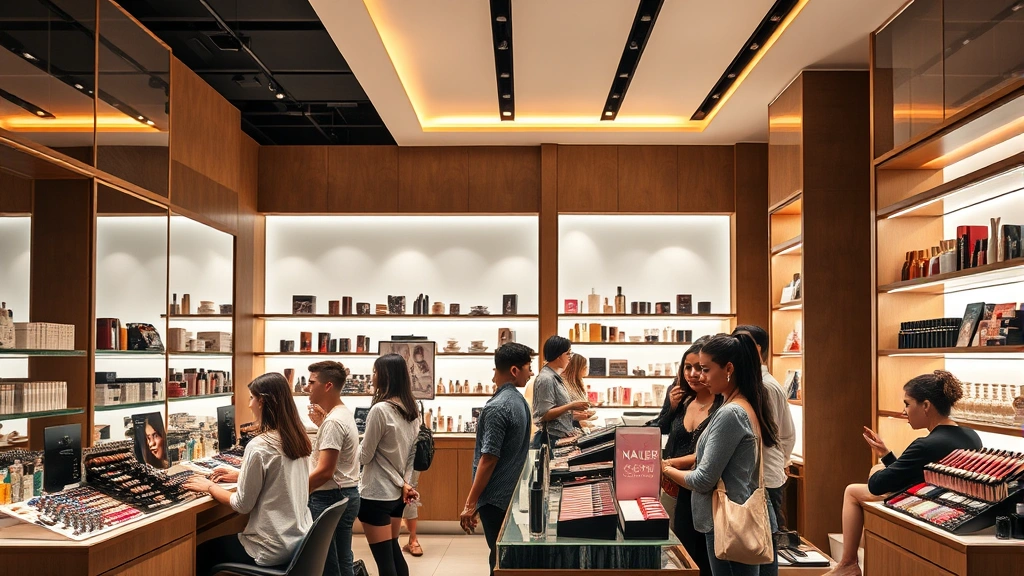
Boost In-Store Sales? Cosmetics CEO Tips for Retail Excellence
The cosmetics retail landscape has undergone a seismic shift in recent years. While e-commerce continues to capture market share, forward-thinking cosmetics company leaders recognize that physical stores remain critical revenue drivers and brand experience centers. In-store sales represent not just transactions, but opportunities to build lasting customer relationships and create memorable brand moments that digital channels simply cannot replicate.
Leading cosmetics executives have developed sophisticated strategies to transform their retail environments into high-performing sales engines. These approaches combine data-driven insights, experiential marketing, staff empowerment, and authentic customer engagement. By understanding what drives purchase decisions in physical spaces, cosmetics companies can significantly boost their bottom line while strengthening brand loyalty and market position.
Create Immersive Brand Experiences
Top-performing cosmetics CEOs understand that modern consumers don’t simply want to buy products—they want to experience brands. The most successful in-store strategies transform retail spaces into destinations where customers can explore, experiment, and connect with brand values on a deeper level.
Immersive experiences begin with interactive testing stations. Rather than passive product displays, leading cosmetics companies invest in hands-on areas where customers can sample products, receive personalized recommendations, and even participate in makeup application tutorials. These stations serve multiple purposes: they reduce purchase anxiety, increase time spent in-store, and provide valuable data about customer preferences and behavior patterns.
Virtual try-on technology has emerged as a game-changer in cosmetics retail. Augmented reality (AR) mirrors and mobile applications allow customers to visualize how products will look before purchase, dramatically reducing returns and increasing conversion rates. Progressive cosmetics companies integrate this technology seamlessly into their store design, positioning AR stations as premium brand touchpoints rather than gimmicks.
Experiential events drive significant traffic and sales velocity. Product launches, beauty masterclasses, and collaborations with makeup artists create buzz and give customers compelling reasons to visit physical locations. These events generate social media content, build community, and often result in immediate sales spikes that extend well beyond the event itself.
Leverage Data and Analytics for Personalization
Data-driven decision-making separates industry leaders from competitors. Cosmetics company executives who excel at in-store sales collection use sophisticated analytics to understand customer behavior, preferences, and purchase patterns in real time.
Point-of-sale systems integrated with customer relationship management (CRM) platforms create detailed customer profiles. This information enables staff to provide personalized recommendations, anticipate customer needs, and identify upsell and cross-sell opportunities. When a customer enters a store, trained associates can access purchase history and preferences, transforming generic interactions into highly relevant conversations.
Inventory management powered by predictive analytics ensures that top-selling products are always in stock while minimizing excess inventory. Understanding which products perform best during specific seasons, in particular demographics, or in response to marketing campaigns allows cosmetics companies to optimize shelf space and reduce lost sales from stockouts.
Location-based analytics reveal how customers move through store spaces. Heat mapping technologies show which areas attract the most attention and which zones underperform. This intelligence informs strategic product placement, ensuring premium items are positioned in high-traffic areas and that store layouts encourage exploration and discovery.
Customer sentiment analysis, gathered through surveys and social listening tools, provides qualitative insights that complement quantitative data. Understanding how customers perceive your brand, products, and store experience enables continuous refinement and competitive advantage.
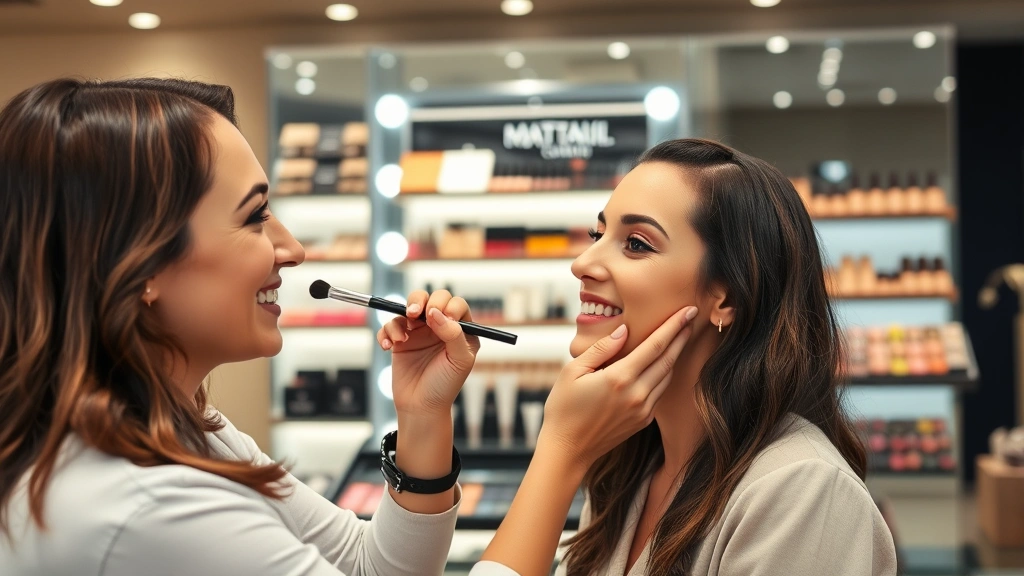
Train and Empower Your Retail Staff
Your retail team represents the frontline of your cosmetics company’s brand promise. Exceptional in-store sales performance directly correlates with staff expertise, confidence, and engagement. Leading cosmetics CEOs invest heavily in comprehensive training programs that transform sales associates into trusted beauty consultants.
Product knowledge training goes far beyond memorizing ingredient lists. Associates need to understand the science behind formulations, the benefits of different product categories, and how to address specific customer concerns. When staff can confidently discuss skincare routines, color theory, or ingredient benefits, customers perceive greater value and are more likely to make premium purchases.
Sales technique training should emphasize consultative selling over hard-sell tactics. Modern cosmetics consumers respond to genuine recommendations and personalized advice rather than aggressive upselling. Training programs that teach associates to ask diagnostic questions, listen actively, and recommend products that genuinely serve customer needs build trust and increase lifetime customer value.
Employee engagement directly impacts sales performance. Staff who feel valued, supported, and empowered deliver superior customer service. Recognition programs, career development opportunities, and performance incentives create cultures where retail associates take pride in their work and actively drive sales.
Ongoing training ensures teams stay current with new product launches, emerging beauty trends, and evolving customer preferences. Monthly training sessions, online learning platforms, and peer mentoring programs keep knowledge fresh and demonstrate organizational commitment to staff development.
Optimize Store Layout and Visual Merchandising
The physical arrangement of your cosmetics store significantly influences customer behavior and sales outcomes. Strategic store design creates natural traffic flow, encourages exploration, and makes purchasing decisions feel intuitive rather than overwhelming.
The entrance experience sets the tone for the entire visit. Premium, well-lit displays featuring hero products create immediate visual impact and communicate brand positioning. Seasonal promotions and limited-edition collections positioned near the entrance drive urgency and interest.
Strategic product categorization helps customers navigate efficiently. Organizing by product type (skincare, color cosmetics, tools) or by customer concern (anti-aging, acne-prone, sensitive skin) depends on your target demographic and product mix. Clear signage and logical flow reduce frustration and increase browsing time.
Visual merchandising principles—color coordination, height variation, strategic lighting—make displays compelling and memorable. Products arranged by color gradient or thematic collections are more visually arresting than random placement. Strategic use of mirrors, lighting, and promotional materials creates focal points that draw attention and encourage interaction.
Checkout area optimization influences final purchase decisions. Positioned near the exit, checkout zones should feature impulse-buy items, loyalty program enrollment, and gift-with-purchase offers. High-margin, complementary products positioned strategically can increase average transaction value significantly.
Implement Omnichannel Integration Strategies
Today’s cosmetics consumers expect seamless experiences across channels. Leading companies integrate online and offline operations to create cohesive customer journeys that drive in-store traffic and boost sales velocity.
Buy-online-pickup-in-store (BOPIS) programs drive foot traffic by giving customers flexibility and convenience. Customers who visit stores to collect online orders often make additional impulse purchases, increasing overall transaction value. This strategy proves particularly effective for time-constrained customers who might otherwise skip physical retail entirely.
Digital tools enhance in-store experiences. QR codes linking to product reviews, ingredient information, or tutorial videos provide immediate access to digital content. Mobile apps enable customers to check inventory, access personalized recommendations, and receive location-specific promotions.
Unified inventory systems ensure customers can access products across channels. If an item is unavailable in-store, associates can order it for delivery or direct customers to alternative locations. This flexibility reduces lost sales and builds customer confidence in your cosmetics company’s ability to serve their needs.
Social commerce integration drives store traffic from digital channels. Instagram-shoppable posts, TikTok promotions, and influencer partnerships that highlight in-store experiences create buzz and drive foot traffic. Customers who discover products on social platforms often visit stores to experience them firsthand.
Build Community and Drive Loyalty Programs
Loyalty programs transform transactional relationships into community memberships. Top-performing cosmetics companies use sophisticated loyalty strategies to increase purchase frequency, boost average transaction value, and gather valuable customer data.
Tiered loyalty programs reward increasing engagement levels. Entry-level members receive basic discounts, while premium tiers unlock exclusive benefits like early access to new products, VIP events, and personalized services. This structure incentivizes repeat purchases and creates aspirational goals that drive customer engagement.
Experiential benefits prove more valuable than discounts alone. Exclusive beauty consultations, private shopping events, and early-access product previews create emotional connections that transcend price considerations. These experiences generate word-of-mouth marketing and strengthen brand affinity.
Community building through in-store events creates belonging and social connection. Beauty workshops, makeup artist collaborations, and customer appreciation events transform stores into gathering spaces. Customers who feel part of a community return more frequently and spend more per visit.
Personalized communication maintains engagement between visits. Email campaigns featuring personalized product recommendations, birthday offers, and exclusive member promotions keep your cosmetics company top-of-mind and drive repeat traffic.
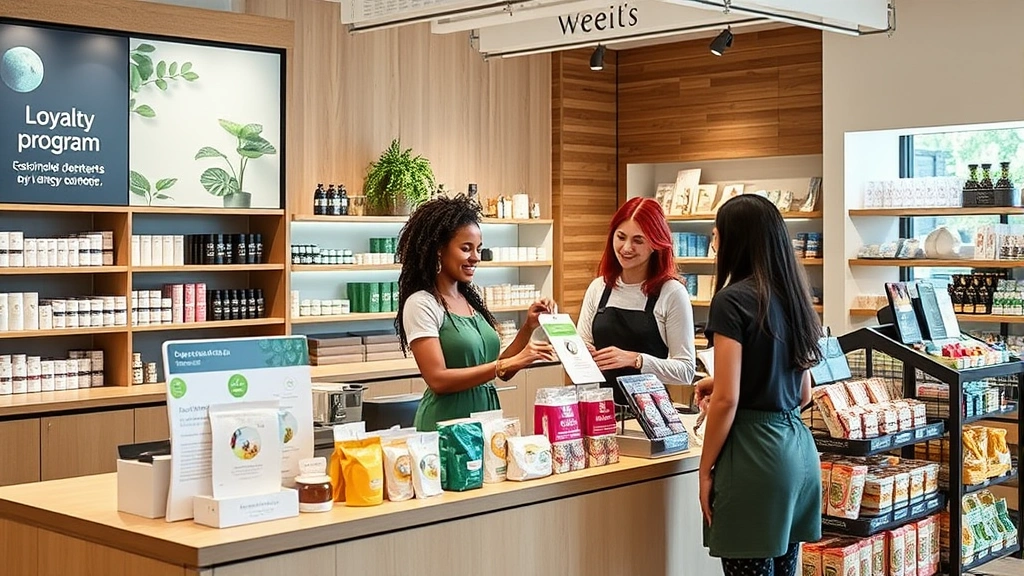
Sustainability and Values-Driven Shopping
Modern consumers increasingly make purchase decisions based on brand values and environmental impact. Cosmetics companies that authentically embrace sustainability initiatives attract conscious consumers and drive premium pricing power.
Sustainable business practices should be visible and tangible in physical stores. Packaging made from recycled materials, refill programs, and zero-waste checkout options demonstrate genuine commitment rather than performative gestures. When customers see sustainability integrated throughout the store experience, they feel confident supporting your brand.
Corporate social responsibility initiatives create purpose-driven shopping experiences. In-store campaigns supporting causes like women’s health, environmental conservation, or community development resonate emotionally with customers. Transparency about where proceeds go and measurable impact metrics build trust and loyalty.
Inclusive representation in marketing and product development demonstrates commitment to diversity. When customers see themselves reflected in store displays, beauty standards, and staff diversity, they feel welcomed and valued. This inclusivity drives customer loyalty and attracts broader demographics.
Clean ingredient transparency and cruelty-free certifications appeal to values-conscious consumers. Clear labeling, educational materials, and staff knowledge about ingredient sourcing and ethical practices empower customers to make confident, values-aligned purchases.
FAQ
How can cosmetics companies measure in-store sales performance effectively?
Track key metrics including sales per square foot, average transaction value, customer conversion rate, and inventory turnover. Combine point-of-sale data with customer traffic patterns and demographic information. Advanced analytics platforms integrate these metrics into dashboards that reveal performance trends, identify top-performing products, and highlight optimization opportunities. Regular analysis enables rapid response to market changes and competitive threats.
What role does staff training play in driving in-store cosmetics sales?
Staff expertise directly influences customer purchasing decisions and satisfaction. Well-trained associates build customer confidence through knowledgeable recommendations, personalized consultations, and authentic engagement. Training programs focusing on product knowledge, consultative selling, and customer service skills create competitive advantages that directly translate to higher sales velocity and improved customer lifetime value.
How can cosmetics stores leverage technology without losing personal touch?
Technology should enhance rather than replace human interaction. Use AR mirrors and digital tools to augment staff expertise, not eliminate it. Train associates to use technology as consultative aids—explaining product benefits through digital demonstrations, accessing customer data to provide personalized recommendations, and using analytics to anticipate needs. The goal is empowering staff to provide more sophisticated, personalized service.
What strategies drive foot traffic to physical cosmetics stores?
Multi-channel approaches prove most effective: experiential events and product launches create compelling reasons to visit; social media campaigns and influencer partnerships drive awareness; loyalty programs incentivize repeat visits; omnichannel strategies like BOPIS drive traffic for order fulfillment; and community building through workshops and beauty consultations create destination appeal beyond product sales.
How important is store design to cosmetics retail success?
Store design fundamentally shapes customer behavior and sales outcomes. Strategic layouts optimize traffic flow and encourage exploration. Visual merchandising creates emotional connections and drives impulse purchases. Lighting and ambiance influence perception of brand positioning and product quality. Accessible product organization and clear navigation reduce frustration and increase browsing time. Investment in thoughtful store design directly correlates with improved sales performance and customer satisfaction.
Why should cosmetics companies focus on sustainability in retail?
Sustainability appeals to increasingly conscious consumers willing to pay premium prices for values-aligned brands. Visible sustainability practices build trust and differentiate your cosmetics company from competitors. Environmental and social initiatives create emotional connections that transcend transactional relationships. Authentic commitment to sustainability attracts talent, generates positive media coverage, and builds long-term brand equity.
Conclusion
Boosting in-store sales for cosmetics companies requires multifaceted strategies that combine experiential design, staff empowerment, data analytics, and authentic values alignment. The most successful cosmetics executives recognize that physical retail represents irreplaceable opportunities to create memorable brand experiences, build community, and establish emotional connections that drive lifetime customer value. By implementing these proven strategies—from immersive experiences and personalized service to sustainability commitments and omnichannel integration—cosmetics companies can transform their retail environments into high-performing revenue engines that compete effectively in an increasingly digital marketplace. The future of cosmetics retail belongs to companies that master the art of blending human connection with technological innovation, creating stores that feel essential rather than optional.