Ben Davis Clothing: A Heritage Brand’s Evolution
Ben Davis Clothing stands as one of America’s most enduring workwear brands, with a legacy spanning over a century. Founded in 1889, the company has navigated dramatic shifts in consumer preferences, manufacturing landscapes, and fashion trends while maintaining its core identity as a purveyor of durable, functional clothing. The brand’s journey from San Francisco’s industrial roots to contemporary streetwear relevance offers valuable lessons in brand resilience, market adaptation, and the power of heritage in modern commerce.
Today, Ben Davis occupies a unique position in the apparel industry—simultaneously respected as a workwear institution and celebrated as a streetwear icon. This dual relevance didn’t happen by accident. It resulted from strategic decisions, cultural moments, and an unwavering commitment to quality that resonated across generations. Understanding Ben Davis’s evolution provides insights into how legacy brands survive, thrive, and remain culturally significant in competitive markets.

The Origins: From Gold Rush to Industrial America
Ben Davis Clothing was established in 1889 by founder Ben Davis in San Francisco, during a period of explosive industrial growth in California. The timing proved fortuitous—the state’s booming mining, railroad, and manufacturing industries created enormous demand for durable work clothing. Davis recognized an opportunity to serve laborers who needed functional garments that could withstand the rigors of physical work in harsh environments.
The company’s founding philosophy centered on a simple but powerful principle: create clothing that works as hard as the people wearing it. This wasn’t fashion-forward thinking; it was pragmatic manufacturing focused on durability, functionality, and value. Ben Davis used heavy-duty fabrics, reinforced stitching, and practical design elements that made his garments indispensable to workers across industries.
During the early 20th century, Ben Davis expanded beyond California, establishing distribution networks across the American West and eventually nationwide. The brand became synonymous with reliability among construction workers, railroad employees, farmers, and factory laborers. This foundation—built on genuine utility rather than marketing hype—created deep brand loyalty that would sustain the company through multiple market cycles.

Building the Workwear Empire
By the mid-20th century, Ben Davis had become the largest workwear manufacturer in America. The company’s success rested on several strategic advantages. First, they maintained consistent quality standards across all products, ensuring that a Ben Davis work shirt purchased in 1950 performed identically to one purchased in 1960. Second, they invested in efficient manufacturing processes that allowed them to offer competitive pricing without sacrificing durability. Third, they understood their customer base intimately—they knew what workers needed because they listened to feedback from the field.
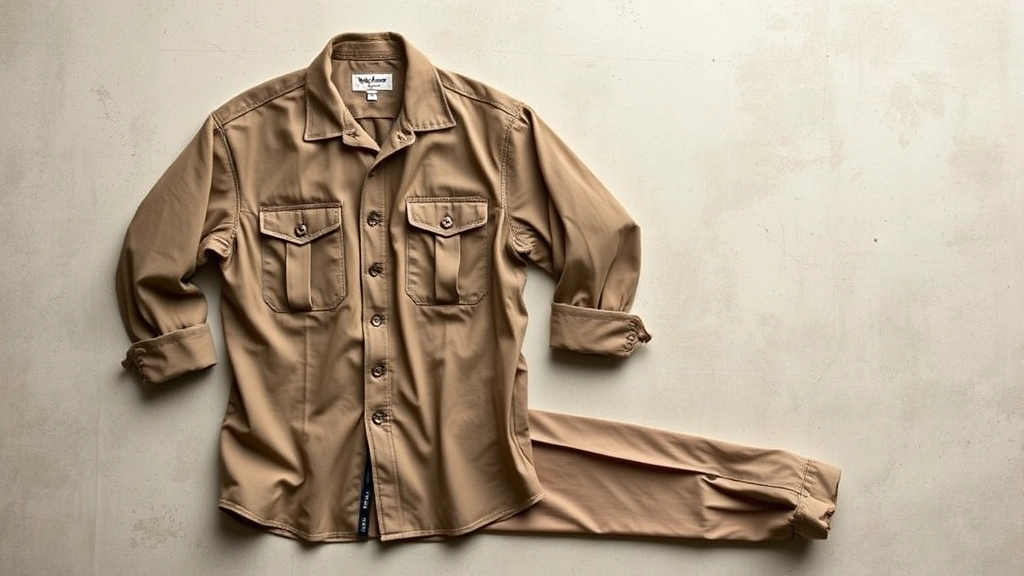
The company’s iconic products—particularly the Ben Davis work shirt and work pants—became industry standards. Construction foremen specified Ben Davis by name. Purchasing departments at major industrial firms defaulted to Ben Davis. The brand achieved what every business aspires to: it became the default choice in its category. This market dominance reflected not brand marketing brilliance but rather the cumulative effect of decades of delivering on promises.
Understanding how Ben Davis built this empire connects directly to broader business leadership and organizational strategy. The company maintained clear values, consistent execution, and customer-centric innovation. These principles remain relevant for modern enterprises seeking to build sustainable competitive advantages.
The Decline and Corporate Challenges
The 1980s and 1990s presented unprecedented challenges to Ben Davis. Several factors converged to threaten the brand’s dominance. First, offshore manufacturing capabilities improved dramatically, allowing competitors to produce workwear at significantly lower costs. Second, the composition of the American workforce shifted—fewer workers needed traditional workwear as service and information sectors grew. Third, foreign manufacturers, particularly those in Asia, flooded the market with cheap alternatives. Fourth, Ben Davis’s ownership changed multiple times, with corporate parents that didn’t understand or value the brand’s heritage.
The company that had dominated American workwear found itself struggling to compete on price against manufacturers with lower labor costs. Corporate managers, unfamiliar with the workwear market’s dynamics, attempted to modernize the brand through fashion-oriented marketing rather than doubling down on quality and reliability. This strategic confusion weakened Ben Davis’s market position considerably.
By the 1990s, Ben Davis faced an existential crisis. The company had lost market share, faced declining relevance among its traditional customer base, and lacked a coherent strategic direction. Few analysts would have predicted that this struggling heritage brand would experience a remarkable resurgence within a decade. Yet the seeds of that resurgence were already being planted in unexpected places.
Cultural Resurrection Through Hip-Hop
The most remarkable chapter in Ben Davis’s modern history involves its adoption by hip-hop culture beginning in the early 1990s. West Coast rap pioneers, particularly those associated with Bay Area and Los Angeles scenes, began wearing Ben Davis clothing as authentic workwear with cultural credibility. Unlike designer brands that represented aspirational wealth, Ben Davis represented genuine working-class identity and authenticity.
This cultural moment proved transformative. Hip-hop artists wore Ben Davis not because they were paid to endorse the brand but because they genuinely connected with its aesthetic and values. The clothing represented something real—honest, durable, unpretentious utility. As hip-hop became the dominant cultural force in American music and youth culture, Ben Davis rode that wave to unexpected relevance among demographics far removed from the company’s original customer base.
The brilliance of this cultural resurrection lay in its organic nature. Ben Davis didn’t create it; the brand simply benefited from authentic cultural adoption. Young people interested in hip-hop culture, streetwear aesthetics, and authentic style discovered Ben Davis through music videos, concerts, and street culture. The brand’s heritage, previously a liability in a fashion-conscious market, became an asset—proof of authenticity and durability.
This phenomenon illustrates a critical business lesson: sometimes brand value emerges from unexpected quarters. The cultural capital Ben Davis accumulated through hip-hop adoption provided resources for the company to rebuild its business model and market presence. It’s a case study in how effective business management must remain flexible and responsive to market signals, even when those signals come from surprising sources.
Modern Brand Strategy and Market Positioning
Contemporary Ben Davis operates in a fundamentally different market than the company that dominated American workwear in 1960. Today, the brand competes across multiple segments simultaneously: traditional workwear customers, streetwear enthusiasts, vintage fashion collectors, and international markets. This diversification represents both opportunity and challenge.
The company has adopted a deliberate strategy of honoring its heritage while embracing contemporary relevance. Product lines balance classic designs that appeal to traditional customers with modern interpretations that resonate with younger demographics. Ben Davis collaborates with contemporary designers and fashion brands, creating limited editions and special releases that generate excitement among style-conscious consumers.
Digital marketing and e-commerce have become central to Ben Davis’s growth strategy. The brand maintains an active social media presence, engages with streetwear communities, and leverages online retail channels to reach global audiences. This represents a dramatic evolution from the company’s traditional wholesale distribution model, where products reached customers through industrial suppliers and workwear retailers.
Pricing strategy reflects this market positioning. While Ben Davis maintains competitive pricing compared to luxury streetwear brands, it charges considerably more than ultra-budget workwear alternatives. This premium positioning acknowledges the brand’s heritage, quality standards, and cultural cachet. Customers pay for authenticity and durability, not fashion-forward design.
Manufacturing and Supply Chain Evolution
Ben Davis’s manufacturing footprint has transformed dramatically since its San Francisco origins. Like virtually all American apparel companies, Ben Davis now sources production internationally, with manufacturing facilities in multiple countries. This shift, while necessary for competitive economics, represents a departure from the company’s heritage as an American manufacturer.
The company faces ongoing tension between cost efficiency and quality consistency. Ben Davis maintains that products manufactured abroad meet the same durability standards as historically produced goods. However, some heritage enthusiasts argue that contemporary products lack the robustness of vintage pieces. This perception, whether entirely accurate, affects brand perception among collectors and authenticity-focused consumers.
Supply chain management has become increasingly complex as Ben Davis serves diverse markets with different product demands. Traditional workwear customers expect consistent, reliable availability of standard items. Streetwear customers demand limited editions and exclusive releases. Vintage enthusiasts seek discontinued pieces. Managing these conflicting demands requires sophisticated inventory management and production planning—capabilities that benefit from advanced business management software and operational systems.
Contemporary Challenges and Growth Opportunities
Ben Davis currently navigates several significant challenges that will shape its trajectory. First, the streetwear market has become increasingly crowded and competitive. What was once a niche aesthetic has evolved into a major fashion segment with participation from luxury conglomerates, celebrity entrepreneurs, and emerging brands. Ben Davis must continually prove its relevance against competitors with greater financial resources.
Second, sustainability and ethical manufacturing have become increasingly important to conscious consumers. Ben Davis must address questions about labor practices, environmental impact, and supply chain transparency. The company’s international manufacturing footprint requires rigorous oversight to maintain brand credibility with values-conscious customers.
Third, the traditional workwear market continues to decline as workforce composition shifts and work environments change. Ben Davis cannot rely indefinitely on its heritage customer base; the company must continue developing new markets and product categories to ensure long-term growth.
Despite these challenges, significant growth opportunities exist. International markets, particularly in Asia and Europe, represent substantial potential. Ben Davis’s cultural cachet in hip-hop and streetwear communities creates opportunities for strategic collaborations with designers, musicians, and cultural influencers. Premium product lines and heritage-focused marketing can capture higher-margin sales among consumers who value authenticity and durability.
The company might also explore vertical integration opportunities, developing retail experiences that tell the Ben Davis story and deepen customer engagement. This connects to broader strategic business planning and growth positioning that ensures long-term sustainability beyond current ownership structures.
FAQ
When was Ben Davis Clothing founded?
Ben Davis Clothing was founded in 1889 by Ben Davis in San Francisco during the height of California’s industrial boom. The company was established to serve workers in mining, railroads, and manufacturing who needed durable, functional clothing.
Why did Ben Davis become popular in hip-hop culture?
Ben Davis gained popularity in hip-hop culture during the early 1990s because the brand represented authentic working-class identity and genuine durability. West Coast hip-hop artists wore Ben Davis not as paid endorsements but as authentic expression of their cultural values, which resonated throughout the hip-hop community.
Is Ben Davis still manufactured in America?
No. Like most American apparel companies, Ben Davis now sources manufacturing internationally. The company maintains facilities in multiple countries to remain competitive while attempting to preserve quality standards consistent with its heritage.
What products is Ben Davis known for?
Ben Davis is primarily known for work shirts and work pants that became industry standards in American workwear. The brand’s iconic products are characterized by durability, functionality, and practical design elements suited for demanding work environments.
How has Ben Davis adapted to modern markets?
Ben Davis has diversified its market positioning to serve traditional workwear customers, streetwear enthusiasts, vintage collectors, and international markets. The company leverages digital marketing, e-commerce, and strategic collaborations while maintaining its heritage brand identity and quality standards.
What is the current ownership structure of Ben Davis?
Ben Davis has experienced multiple ownership changes throughout its history. The company’s current ownership and corporate structure reflect attempts to balance heritage preservation with modern business operations and growth objectives.
Where can consumers purchase Ben Davis products?
Ben Davis products are available through multiple channels including the company’s official website, specialty streetwear retailers, vintage clothing stores, traditional workwear suppliers, and international fashion retailers. E-commerce has become increasingly important for reaching diverse customer segments.


