Chicago Cannabis Market Trends: Expert Analysis for 2024
The Chicago cannabis market has evolved into one of the most dynamic and competitive landscapes in the United States since Illinois legalized recreational cannabis in 2020. As a Chicago cannabis company operator or investor, understanding current market trends is essential for navigating regulatory changes, consumer preferences, and competitive pressures. This comprehensive analysis examines the forces shaping Illinois’s cannabis industry, providing strategic insights for businesses seeking to establish or expand operations in this lucrative market.
Chicago’s cannabis sector represents a significant economic opportunity, with the state generating over $1.3 billion in annual cannabis sales. However, success requires more than capital investment—it demands operational excellence, regulatory compliance, and strategic positioning. Whether you’re considering launching a new venture or optimizing existing operations, understanding market dynamics will inform critical business decisions. This guide explores emerging trends, competitive landscapes, and strategic opportunities that define the Chicago cannabis market in 2024.
Market Overview and Growth Projections
Illinois cannabis market growth continues to outpace national averages, with the Chicago metropolitan area serving as the primary revenue driver. The state’s legal market has demonstrated consistent year-over-year growth, expanding from $1.1 billion in 2022 to current levels exceeding $1.3 billion. Market analysts project continued expansion through 2025, with growth rates potentially reaching 15-20% annually as consumer adoption broadens and new retail licenses become available.
Chicago’s cannabis market benefits from several structural advantages: a large metropolitan population exceeding 9 million residents, high consumer awareness of legal cannabis availability, and proximity to interstate commerce corridors. The city’s demographic diversity creates varied consumer segments, from wellness-focused consumers seeking CBD products to recreational users exploring premium flower and concentrates. Understanding these segments enables Chicago cannabis company operators to position products strategically and optimize inventory allocation.
Market maturation indicators suggest the industry is transitioning from rapid growth phase to consolidation phase. Early-stage operators who established market presence in 2021-2022 are now facing competition from well-capitalized multi-state operators (MSOs) and sophisticated local competitors. This shift necessitates strategic differentiation through brand development, customer loyalty programs, and operational efficiency improvements that reduce per-unit costs.
Industry research from McKinsey & Company indicates that cannabis markets reaching $1+ billion in annual sales typically experience margin compression as competition intensifies. Chicago’s market dynamics align with this pattern, suggesting that companies must invest in operational excellence and technology infrastructure to maintain profitability.
Regulatory Environment and Compliance
The Illinois Cannabis Regulatory and Enforcement Assistance Funding (CRAFT) Program has fundamentally shaped market structure by limiting licenses and prioritizing social equity applicants. Chicago cannabis company operators must navigate a complex regulatory framework administered by the Illinois Department of Financial and Professional Regulation (IDFPR) and local municipal authorities. Compliance requirements span cultivation, manufacturing, testing, distribution, retail operations, and marketing—each governed by specific regulations.
Recent regulatory developments include expanded home cultivation allowances (up to 30 plants for personal use), increased retail license availability for social equity applicants, and evolving testing standards for potency and contamination. These changes create both opportunities and risks: expanded home cultivation increases total market supply, potentially pressuring wholesale prices, while new retail licenses increase competition in established markets.
For Chicago cannabis company operators, regulatory compliance represents both a cost center and competitive moat. Companies investing in robust compliance infrastructure—quality assurance systems, track-and-trace technology (METRC integration), and regulatory affairs expertise—differentiate themselves from competitors. This approach aligns with principles of business continuity planning, ensuring operations withstand regulatory scrutiny and enforcement actions.
Municipal licensing decisions significantly impact market access. Chicago has approved retail licenses through multiple application rounds, but license approval remains competitive. Applicants must demonstrate community benefit, financial stability, and operational readiness. Social equity applicants receive preference, creating a two-tiered market where social equity licenses are highly sought and premium-priced in secondary markets.
Consumer Preferences and Purchasing Behavior
Chicago cannabis consumers demonstrate increasingly sophisticated preferences, moving beyond novelty purchasing toward habit-based consumption and product specialization. Market data reveals distinct consumer segments: wellness consumers (40% of purchases) seeking CBD and low-THC products; recreational consumers (35%) purchasing flower and edibles; and connoisseur consumers (25%) seeking premium flower, concentrates, and artisanal products.
Edibles represent the fastest-growing product category, now accounting for 30-35% of retail sales. This trend reflects consumer preferences for discreet consumption, precise dosing, and extended shelf life compared to flower. Successful Chicago cannabis company retailers stock diverse edible offerings—gummies, chocolates, beverages, and infused products—across multiple price points to capture this growing segment.
Price sensitivity varies significantly across consumer segments. Wellness and casual recreational consumers demonstrate moderate price sensitivity, while connoisseur consumers prioritize quality over cost. This segmentation enables retailers to optimize margins through strategic product assortment: premium products for affluent consumers, value products for price-sensitive segments, and mid-tier offerings for mainstream consumers.
Brand loyalty remains underdeveloped in Chicago’s market, with consumers frequently switching between products and retailers. This creates both challenges and opportunities: established brands can build loyalty through consistent quality and customer experience, while emerging brands can rapidly gain market share through targeted marketing and product innovation.
According to Harvard Business Review research on consumer behavior in emerging industries, brand development and customer experience drive long-term profitability in nascent markets. Chicago cannabis companies should invest in brand positioning, customer loyalty programs, and omnichannel retail experiences to build sustainable competitive advantages.

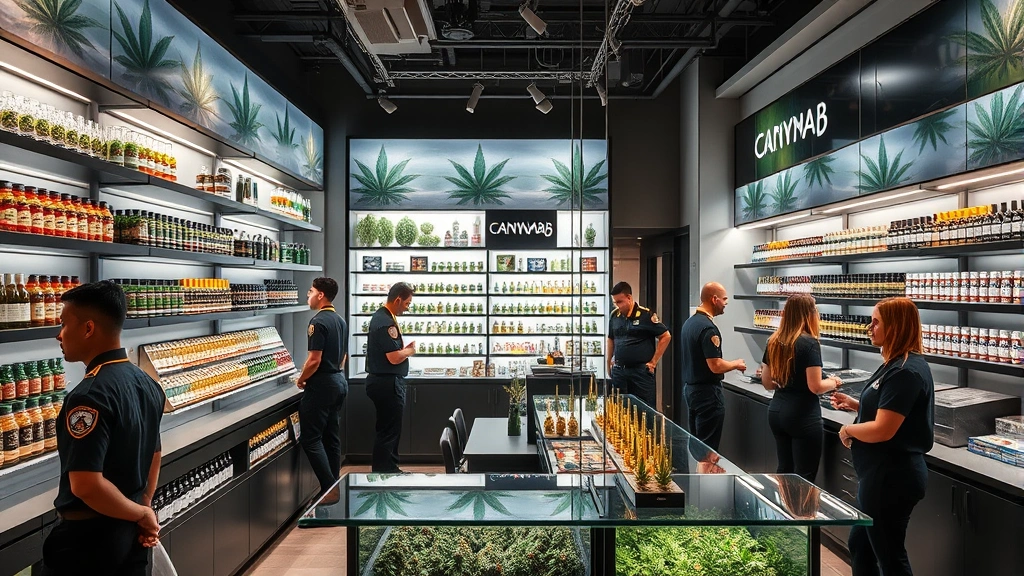
” alt=”Professional cannabis retail dispensary environment with modern shelving displays, organized product sections, professional staff in uniforms, and customers browsing premium cannabis products in contemporary urban setting”>
Competitive Dynamics and Market Consolidation
Chicago’s cannabis market features intense competition from multiple operator types: multi-state operators (MSOs) with significant capital and operational expertise, established local operators who entered early, and emerging competitors seeking to differentiate through specialty products or customer experience. Multi-state operators including Cresco Labs, Verano Holdings, and Trulieve have substantial market share, leveraging vertical integration and economies of scale.
Market consolidation accelerates as well-capitalized operators acquire struggling licensees and expand retail footprints. This consolidation creates challenges for independent operators but also opportunities for specialized niches. Companies focusing on premium products, sustainability, or underserved consumer segments can compete effectively against larger competitors through differentiation rather than scale.
Retail location strategy significantly impacts competitive positioning. Prime locations in high-traffic areas command premium license values but also generate higher sales volumes. Secondary locations offer lower costs and reduced competition but require sophisticated marketing to drive customer acquisition. Strategic business process automation software enables operators to optimize inventory allocation across multiple locations and respond dynamically to local demand patterns.
Competitive intelligence indicates that successful Chicago cannabis company operators differentiate through: (1) premium product quality and curation, (2) superior customer experience and service, (3) loyalty programs and repeat customer development, (4) community engagement and local partnerships, and (5) operational efficiency enabling competitive pricing.
Retail Expansion and Location Strategy
Chicago’s retail landscape continues expanding, with new licenses approved for both established operators and new entrants. Retail density varies significantly across neighborhoods: downtown and near-north areas feature high concentrations of dispensaries, while outer neighborhoods and suburbs have fewer options. This disparity creates expansion opportunities in underserved areas, though lower population density may limit sales potential.
Location selection requires sophisticated analysis of demographic characteristics, traffic patterns, competitor proximity, and municipal regulations. Successful retailers often locate near complementary businesses (restaurants, entertainment venues), transit hubs, or high-traffic commercial corridors. Real estate expertise becomes increasingly valuable as premium locations command significant lease premiums.
The real estate sector dynamics influencing cannabis retail include rising commercial rents in prime locations, landlord hesitancy regarding cannabis tenants (despite federal legal ambiguity), and zoning restrictions limiting retail locations. These factors create competitive advantages for operators who secure long-term leases in premium locations before market saturation.
Omnichannel retail expansion—combining physical dispensaries with online ordering and delivery services—represents a critical growth vector. Chicago’s cannabis regulations permit delivery services, enabling retailers to extend market reach beyond physical store locations. Companies investing in digital infrastructure and logistics capabilities capture customers preferring convenience-based purchasing.
Operational Excellence and Supply Chain
Operational efficiency directly correlates with profitability in commoditizing cannabis markets. Successful Chicago cannabis company operators implement sophisticated inventory management systems, optimize labor scheduling, reduce shrinkage through security measures, and streamline supply chain logistics. These capabilities require investment in technology infrastructure and operational expertise.
Supply chain integration—from cultivation through retail—enables better cost control and product quality consistency. Vertically integrated operators benefit from wholesale cost advantages and better inventory control compared to retailers purchasing from external suppliers. However, cultivation assets require significant capital investment and regulatory compliance, creating barriers to vertical integration for smaller operators.
Wholesale market dynamics significantly impact retail margins. Illinois’s wholesale market features price volatility driven by supply-demand imbalances, seasonal variations, and regulatory changes. Retailers managing wholesale relationships effectively negotiate favorable pricing, secure reliable supply, and maintain inventory freshness. Cultivation partnerships and long-term supply agreements reduce price volatility and ensure consistent product availability.
Implementing business incubator principles—supporting emerging operators with operational expertise and capital access—helps grow the competitive ecosystem while building supplier relationships. Many successful operators partner with emerging producers, creating mutually beneficial relationships that ensure supply chain stability.
Technology and Innovation Integration
Technology adoption accelerates competitive differentiation in Chicago’s cannabis market. Point-of-sale systems, customer relationship management (CRM) platforms, inventory management software, and regulatory compliance systems enable operators to reduce costs, improve customer experience, and ensure regulatory compliance. Technology investments require capital but generate measurable returns through improved operational efficiency.
Data analytics capabilities drive strategic decision-making regarding product assortment, pricing optimization, and customer targeting. Retailers analyzing transaction data identify high-margin products, seasonal trends, and customer preferences, enabling inventory optimization and marketing precision. Advanced analytics reveal customer segments and lifetime value, informing loyalty program design and customer acquisition spending.
Emerging technologies including artificial intelligence, blockchain-based supply chain tracking, and augmented reality product experiences create innovation opportunities. Early adopters of these technologies gain competitive advantages through enhanced customer experience, operational transparency, and supply chain efficiency. However, technology adoption requires organizational readiness and change management expertise.
Digital marketing capabilities become increasingly important as customer acquisition costs rise and traditional advertising channels remain restricted. Search engine marketing, social media marketing, email campaigns, and influencer partnerships drive customer awareness and trial. Companies excelling at digital marketing build brand awareness and customer acquisition efficiency superior to competitors relying on traditional retail foot traffic.
According to Forbes’ analysis of emerging industry technology adoption, early-stage cannabis companies that invest in digital infrastructure and data analytics capabilities achieve 30-40% higher customer retention rates and 20-25% better operational margins compared to technology-lagging competitors.
” alt=”Modern cannabis cultivation facility with rows of healthy plants under professional LED lighting systems, climate control equipment, and trained technicians monitoring plant health in sterile, organized growing environment”>
FAQ
What are the current licensing requirements for Chicago cannabis companies?
Illinois requires cannabis retailers to obtain licenses from the IDFPR and local municipal approval. Applicants must demonstrate financial stability, community benefit plans, and operational readiness. Social equity applicants receive preference, and application fees range from $2,500-$5,000 depending on license type. Cultivation, manufacturing, and testing licenses require additional specialized facilities and expertise.
How much capital is required to launch a Chicago cannabis retail operation?
Retail startup costs typically range from $250,000-$750,000, including buildout, inventory, technology systems, and working capital. Factors affecting costs include location selection, build-out scope, and initial inventory investment. Cultivation operations require significantly higher capital investment, ranging from $1-5 million depending on scale and facility design.
What are the primary challenges facing Chicago cannabis companies in 2024?
Key challenges include increasing retail competition reducing margins, wholesale price volatility affecting cost of goods sold, evolving regulatory requirements increasing compliance costs, limited access to banking services due to federal prohibition, and high commercial rent in prime retail locations. Companies addressing these challenges through operational efficiency and differentiation achieve sustainable competitive advantages.
Which consumer segments represent the highest growth opportunities?
Wellness-focused consumers seeking CBD and low-THC products represent significant growth potential, particularly among older demographics and health-conscious consumers. Premium product consumers willing to pay price premiums for quality represent high-margin opportunities. Delivery-focused consumers preferring convenience-based purchasing represent growth opportunities for retailers investing in omnichannel infrastructure.
How do successful Chicago cannabis companies differentiate from competitors?
Differentiation strategies include premium product curation emphasizing quality and uniqueness, exceptional customer service and retail experience, loyalty programs building repeat customer relationships, community engagement and local partnerships, sustainability practices appealing to environmentally conscious consumers, and operational efficiency enabling competitive pricing. Multi-dimensional differentiation strategies prove most effective against larger competitors.
What regulatory changes should Chicago cannabis companies anticipate?
Potential regulatory changes include expanded home cultivation allowances, additional retail license availability, evolving testing standards, potential federal legalization affecting interstate commerce, and increased social equity provisions. Companies maintaining regulatory affairs expertise and flexibility in operational models adapt effectively to regulatory changes and emerging opportunities.
How important is vertical integration for Chicago cannabis companies?
Vertical integration provides cost advantages, supply chain control, and product quality consistency but requires significant capital investment and operational expertise. For smaller operators, strategic partnerships with reliable cultivators and manufacturers provide similar benefits without vertical integration capital requirements. Success depends on operator scale, capital availability, and strategic priorities.


