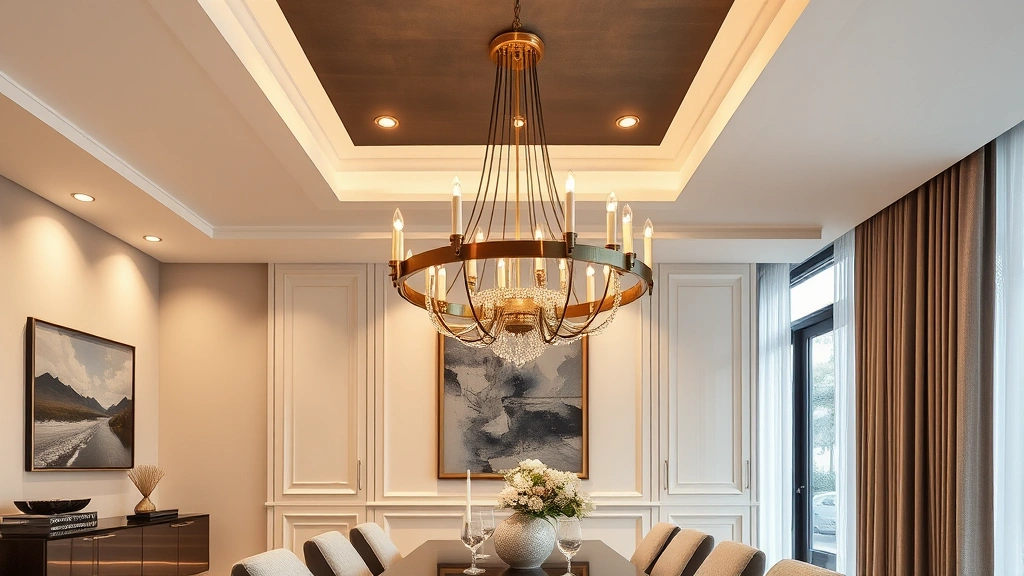
Currey and Company Lighting: Expert Review and Business Analysis
Currey and Company has established itself as a premier lighting and home furnishings manufacturer, blending artisanal craftsmanship with contemporary design principles. For over three decades, the company has cultivated a reputation for delivering sophisticated lighting solutions that elevate residential and commercial spaces. This comprehensive review examines the brand’s market positioning, product excellence, and strategic business practices that have made it a leader in the luxury lighting sector.
Understanding Currey and Company’s approach to business excellence provides valuable insights into how companies maintain competitive advantage through design innovation, quality commitment, and customer-centric operations. Their success story reflects broader principles applicable to business sustainability strategies and long-term market positioning.
Company Overview and Heritage
Currey and Company emerged as a visionary design house with a clear mission: to create lighting fixtures and home furnishings that transcend temporary trends while maintaining timeless elegance. Founded with a commitment to superior craftsmanship, the company has grown from a boutique operation to an internationally recognized brand serving high-end residential markets, luxury hospitality venues, and sophisticated commercial installations.
The brand’s heritage reflects a deep understanding of how lighting fundamentally shapes interior environments. Rather than simply manufacturing fixtures, Currey and Company conceptualizes lighting as a critical design element that influences ambiance, functionality, and aesthetic narrative. This philosophical approach distinguishes the company from mass-market competitors and positions it within the premium segment of the home furnishings industry.
The company’s trajectory demonstrates strategic business acumen in identifying underserved market segments. By focusing on designers, architects, and discerning homeowners who prioritize quality and exclusivity, Currey and Company created a sustainable competitive moat. Their product portfolio spans chandeliers, table lamps, floor lamps, wall sconces, and pendant fixtures, each meticulously designed and executed.
Product Excellence and Design Philosophy
Currey and Company’s design philosophy centers on several core principles that consistently deliver market-leading products. The company invests substantially in design research, studying historical lighting traditions while incorporating contemporary technological innovations. This balance between heritage and modernity creates fixtures that feel both culturally resonant and distinctly current.
The material selection process reflects an uncompromising commitment to quality. Currey and Company sources premium materials including hand-blown glass, natural brass, aged wood, and specialty metals from trusted suppliers worldwide. Each material is selected not merely for aesthetic appeal but for durability, patina development, and long-term performance characteristics. This attention to materiality ensures that products appreciate rather than depreciate with age.
Manufacturing standards exceed industry norms across multiple dimensions. The company employs skilled artisans who execute hand-finishing techniques, ensuring that no two pieces are identical. This celebration of subtle variations distinguishes handcrafted products from mass-produced alternatives and appeals to customers seeking authenticity and individuality. Quality control protocols verify structural integrity, electrical safety, and finish consistency before products reach customers.
Design innovation remains central to product development strategy. Currey and Company regularly introduces new collections that respond to evolving aesthetic preferences while maintaining brand coherence. The design team collaborates with renowned designers and architects, bringing fresh perspectives to the creative process. This collaborative approach ensures that new products resonate with professional design communities and sophisticated end-users.

Market Positioning and Target Demographics
Currey and Company occupies a distinctive position within the luxury home furnishings market, specifically targeting affluent consumers who prioritize design quality and are willing to invest premium prices for superior products. The company’s market segmentation strategy identifies three primary customer categories: interior designers and architects, high-net-worth individuals, and luxury hospitality operators.
Interior design professionals represent a crucial customer segment for Currey and Company. Designers specify the brand’s fixtures in residential projects, commercial installations, and hospitality environments, leveraging the company’s reputation to enhance their own professional credibility. By supporting design professionals through showroom resources, product customization options, and professional pricing structures, Currey and Company cultivates strong relationships within this influential community.
The direct consumer market comprises affluent homeowners seeking distinctive lighting solutions for residential projects. These customers typically work with architects or designers but may also discover Currey and Company through design publications, showroom visits, or digital channels. The premium pricing reflects both product quality and brand prestige, appealing to consumers for whom lighting represents a significant design investment rather than a functional commodity.
Commercial applications including luxury hotels, high-end restaurants, and corporate headquarters constitute an expanding market opportunity. These installations demand fixtures that withstand heavy use while maintaining aesthetic excellence. Currey and Company’s proven performance in demanding environments builds confidence among commercial decision-makers considering major lighting investments.
Geographic expansion represents a strategic priority for market development. While historically concentrated in North America, the company has expanded international distribution through strategic partnerships and flagship showrooms in key markets. This geographic diversification reduces dependence on any single market while accessing growing luxury consumer bases in emerging economies.
Operational Strategy and Supply Chain
Currey and Company’s operational excellence reflects systematic attention to production efficiency, quality consistency, and inventory management. The company operates manufacturing facilities that balance artisanal techniques with modern production capabilities, enabling scalability without sacrificing handcrafted quality.
Supply chain management represents a critical competitive advantage. The company maintains relationships with specialized material suppliers who understand the specific requirements of premium lighting manufacturing. These partnerships ensure consistent access to high-quality materials while providing some insulation against commodity price volatility. Long-term supplier relationships also facilitate collaborative problem-solving and continuous improvement initiatives.
Production planning incorporates demand forecasting models that anticipate seasonal patterns, design cycle timing, and market trends. This sophisticated planning minimizes excess inventory while ensuring product availability for customers. The company balances made-to-order customization with efficient batch production, optimizing for both customer preferences and manufacturing economics.
Distribution strategy emphasizes selective placement through premium showrooms, designer showrooms, and direct-to-consumer channels. This controlled distribution approach maintains brand positioning and pricing integrity while ensuring that customers receive specialized expertise during the purchasing process. By limiting distribution channels, Currey and Company prevents channel conflict and maintains premium brand perception.
Sustainability and Corporate Impact
Currey and Company increasingly emphasizes environmental responsibility and sustainable manufacturing practices, recognizing that luxury consumers increasingly value ethical production. The company’s commitment to corporate social responsibility examples extends across multiple dimensions including material sourcing, manufacturing processes, and supply chain transparency.
Material sustainability initiatives prioritize responsible sourcing and recyclable components. The company evaluates material environmental impact throughout product lifecycles, preferring materials with lower carbon footprints and minimal environmental degradation. This commitment extends to packaging, where Currey and Company minimizes waste through thoughtful design and recyclable materials.
Manufacturing sustainability focuses on energy efficiency, waste reduction, and responsible chemical handling. The company implements advanced lighting technologies in production facilities, reducing operational energy consumption. Waste management protocols ensure that manufacturing byproducts are recycled or properly disposed of rather than contributing to landfill accumulation.
Supply chain responsibility extends to labor practices, ensuring that manufacturing partners maintain safe working conditions and fair compensation. This commitment reflects both ethical principles and practical business logic—companies with satisfied, well-treated workforces demonstrate better quality control and reliability.
Customer Experience and Service Excellence
Currey and Company differentiates itself through exceptional customer experience across all touchpoints. The company recognizes that premium pricing demands corresponding service excellence, creating an integrated experience that justifies investment and builds long-term customer loyalty.
Showroom experiences provide immersive environments where customers interact with products, experience lighting effects, and receive expert guidance. Trained showroom staff combine product knowledge with design sensibility, helping customers envision how fixtures will function within specific spaces. This consultative approach transforms purchasing decisions into collaborative design partnerships.
Digital channels increasingly complement physical showrooms, offering product visualization tools, specification databases, and convenient purchasing options. The company’s website provides comprehensive product information, professional resources, and design inspiration. Online capabilities expand access while maintaining the brand’s premium positioning through sophisticated digital presentation.
Customization options enable customers to tailor products to specific requirements, whether modifying finishes, adjusting dimensions, or adapting electrical specifications. This flexibility appeals to designers and discerning customers who require fixtures precisely matching their design visions. The ability to deliver custom solutions strengthens customer relationships and justifies premium pricing.
After-sales support ensures customer satisfaction extends beyond the initial purchase. The company provides installation guidance, maintenance recommendations, and technical support. This commitment to long-term customer success builds reputation and generates positive referrals within influential design communities.

Competitive Landscape Analysis
The premium lighting market includes several established competitors, each pursuing distinct strategies within the luxury segment. Understanding Currey and Company’s competitive positioning reveals how the company maintains differentiation and market leadership.
Direct competitors include established lighting manufacturers like Restoration Hardware, Visual Comfort, and Apparatus Studio, each commanding significant market share within specific design aesthetics. Restoration Hardware emphasizes historical authenticity and comprehensive interior furnishings, creating a total design ecosystem. Visual Comfort focuses on designer collaborations and contemporary aesthetics. Apparatus Studio targets cutting-edge design professionals seeking avant-garde fixtures.
Currey and Company competes effectively by maintaining distinctive design perspectives, consistent quality execution, and strong relationships within design professional communities. The company’s emphasis on timeless elegance rather than trend-chasing creates enduring appeal across design cycles. This strategic positioning reduces direct competition from trend-focused manufacturers while attracting customers seeking lasting value.
Emerging competitive threats include direct-to-consumer lighting brands offering lower prices through limited distribution and digital-first models. However, these competitors typically sacrifice the design sophistication, material quality, and professional relationships that define Currey and Company’s value proposition. The company’s premium positioning and established market presence create significant barriers to competitive displacement.
International manufacturers increasingly compete for share in luxury markets, particularly from European and Asian producers. However, Currey and Company’s American heritage, established distribution networks, and professional relationships provide competitive advantages that international competitors struggle to replicate quickly.
Investment Value and Business Growth
Currey and Company represents an attractive investment opportunity within the luxury home furnishings sector, demonstrating consistent growth, strong margins, and enduring brand equity. The company’s financial performance reflects strategic positioning within affluent consumer markets relatively insulated from economic cyclicality affecting mass-market segments.
Revenue growth has accelerated through geographic expansion, product line extensions, and increased penetration within professional design communities. The company’s international expansion opens significant market opportunities in markets with growing affluent populations and increasing design consciousness. This geographic diversification reduces dependence on North American markets while accessing higher-growth regions.
Margin structure reflects premium positioning and operational efficiency. By maintaining selective distribution and controlling manufacturing processes, Currey and Company achieves margins substantially exceeding mass-market competitors. This margin strength funds continued design innovation, marketing investment, and business infrastructure development.
Brand equity represents perhaps the most valuable asset, accumulated through decades of consistent quality delivery and professional credibility. This brand strength translates into customer loyalty, professional recommendations, and pricing power that sustains competitive advantage and supports premium valuation multiples.
Future growth opportunities include expanding commercial applications, developing adjacent product categories, and accelerating international market penetration. The company’s business leadership styles emphasizing strategic vision and operational excellence position the company to capitalize on these opportunities effectively.
FAQ
What distinguishes Currey and Company from mass-market lighting manufacturers?
Currey and Company differentiates through design excellence, material quality, handcrafted execution, and professional relationships. The company prioritizes timeless design over trend-chasing, invests in premium materials, and maintains selective distribution that supports premium positioning. These factors justify higher pricing while building lasting customer relationships within design professional communities.
How does Currey and Company maintain quality consistency across product lines?
The company implements rigorous quality control protocols throughout manufacturing, combining artisanal techniques with modern production standards. Skilled craftspeople execute hand-finishing work, while systematic inspections verify structural integrity, electrical safety, and finish consistency. This combination of traditional craftsmanship and modern quality assurance ensures reliable excellence.
What is Currey and Company’s approach to sustainability?
The company increasingly emphasizes environmental responsibility through responsible material sourcing, energy-efficient manufacturing, waste reduction, and ethical supply chain practices. These initiatives reflect both environmental commitment and recognition that luxury consumers increasingly value sustainable production. The company’s business sustainability strategies integrate environmental considerations throughout operations.
How can interior designers access Currey and Company products?
Interior designers typically access Currey and Company through designer showrooms, professional pricing programs, and direct relationships with company representatives. The company provides comprehensive product specifications, sample availability, and customization options supporting professional design practice. Many showrooms offer continuing education and design resources for professional communities.
Does Currey and Company offer customization options?
Yes, the company offers substantial customization capabilities including finish modifications, dimensional adjustments, and electrical specification adaptations. These options enable designers and customers to tailor products to specific requirements, supporting bespoke design solutions. Customization capabilities strengthen customer relationships and justify premium pricing through personalized service.
What geographic markets does Currey and Company serve?
Currey and Company operates primarily in North America through established showroom networks but has expanded international presence in key European and Asian markets. Strategic partnerships and flagship showrooms support geographic expansion, accessing growing luxury consumer bases while maintaining premium brand positioning across markets.
How does Currey and Company support commercial applications?
The company develops specialized products for commercial installations in luxury hotels, restaurants, and corporate environments. Commercial sales teams understand project requirements, provide technical specifications, and offer volume pricing while maintaining product quality and aesthetic standards. This commercial focus expands market opportunities beyond residential applications.


