Koloa Rum Company Success: Distiller Insights and Strategic Growth
Koloa Rum Company represents one of Hawaii’s most compelling success stories in the craft spirits industry. Founded in 2009 on the island of Kauai, this distillery has transformed from a local venture into a nationally recognized premium rum producer. The company’s trajectory offers valuable lessons for entrepreneurs navigating the complexities of beverage production, brand development, and market expansion in a competitive landscape.
The Koloa Rum Company journey demonstrates how strategic planning, operational excellence, and authentic storytelling can elevate a regional product into a lifestyle brand. Their success extends beyond mere product quality—it encompasses supply chain management, employee engagement, digital marketing strategies, and sustainable business practices that resonate with modern consumers.
Origins and Foundation of Koloa Rum Company
Koloa Rum Company emerged from a vision to create authentic Hawaiian rum using local sugarcane and traditional distillation methods. The founders recognized an untapped market opportunity: Hawaii, despite its agricultural heritage and tourism appeal, lacked a distinctive premium rum brand that captured the islands’ essence. This gap represented both a business challenge and an opportunity to establish category leadership.
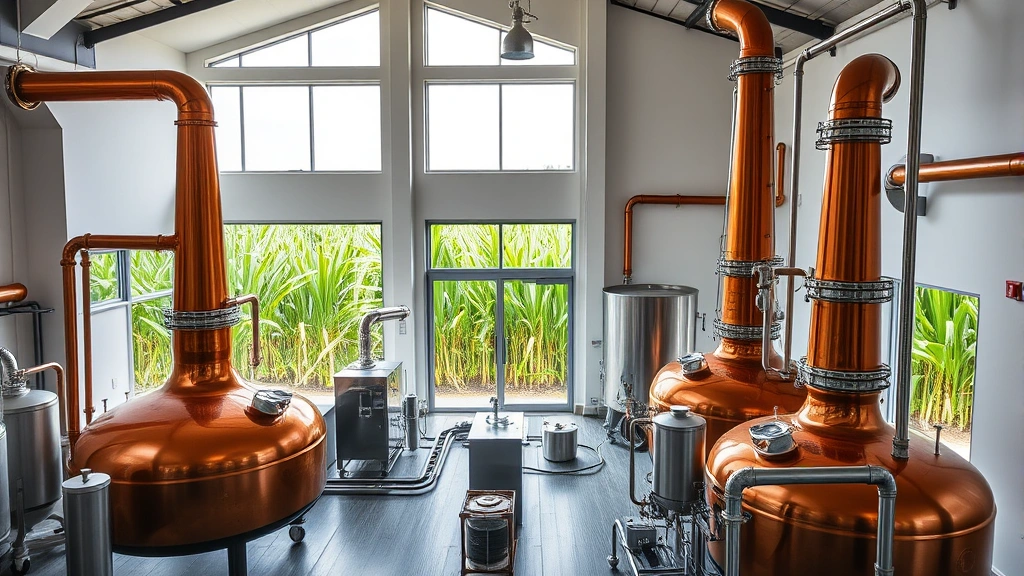
The decision to locate operations on Kauai, specifically in Koloa, proved strategically significant. The town’s historical connection to sugar production provided authentic narrative value and practical advantages including existing agricultural infrastructure and access to quality water sources. This location choice became central to the brand’s identity, transforming a small village into a destination for spirits enthusiasts.
Early operations required substantial investment in distillery equipment, regulatory compliance, and inventory development. The founders implemented business process automation benefits from the outset, establishing standardized production protocols that would enable consistent quality as the company scaled. This foundational commitment to operational rigor distinguished Koloa from competitors who prioritized rapid growth over systematic excellence.
Production Excellence and Craft Philosophy
Koloa Rum Company’s production methodology reflects deep respect for traditional distillation practices combined with modern quality control. The company sources Hawaiian sugarcane, employs copper pot stills for fermentation and distillation, and utilizes barrel aging to develop complex flavor profiles. This commitment to craft over expedience resonates particularly with premium spirits consumers who value transparency and authenticity.
The distillery’s master distillers underwent extensive training in rum production, studying techniques used in Caribbean distilleries while adapting them for Hawaiian conditions. This hybrid approach—respecting tradition while embracing local innovation—created a distinctive product category: Hawaiian rum that competes with Caribbean imports on quality while offering unique terroir characteristics.
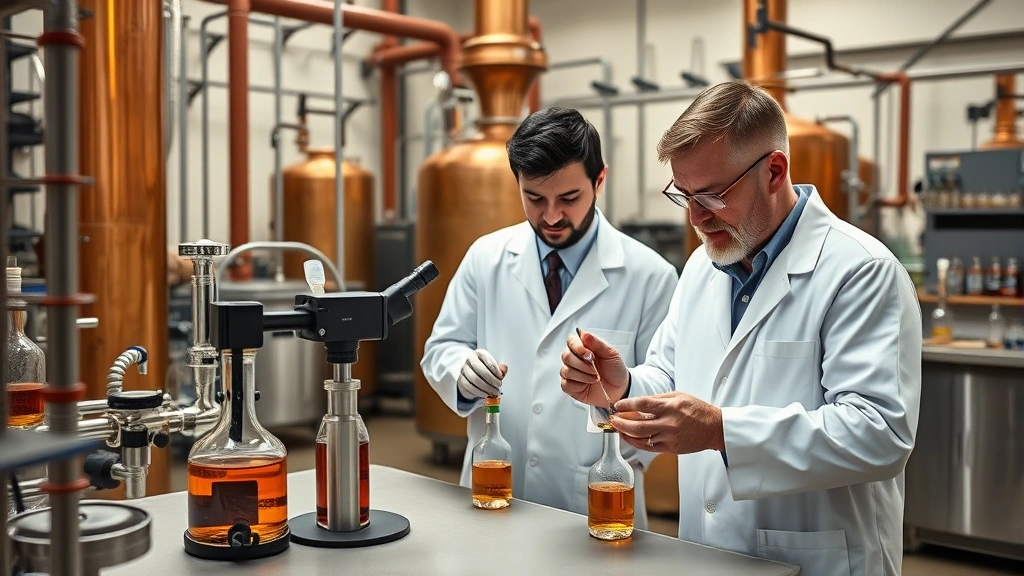
Quality assurance protocols extend throughout production. From sugarcane selection through bottling, multiple checkpoints ensure consistency. The company invested in laboratory equipment and hired specialized chemists to monitor fermentation parameters, alcohol content, and flavor compound development. These investments in technical expertise directly impact product reliability and consumer satisfaction, creating competitive advantages difficult for new entrants to replicate.
Barrel selection represents another critical production decision. Koloa Rum Company sources American oak barrels, some previously used for bourbon, which impart vanilla and caramel notes. The Hawaiian climate accelerates aging processes, allowing complex flavors to develop more rapidly than in cooler climates. This understanding of environmental factors demonstrates sophisticated production knowledge that extends beyond basic distillation.
Strategic Market Positioning and Brand Development
Brand positioning strategy proved essential to Koloa Rum Company’s market penetration. Rather than competing directly with established Caribbean rum brands on price or heritage, the company positioned itself as a premium Hawaiian alternative offering authentic island provenance. This differentiation strategy targeted consumers seeking lifestyle alignment and authentic storytelling alongside product quality.
Marketing narratives emphasize Hawaii’s sugarcane heritage, the distillery’s location in historic Koloa, and the unique environmental factors contributing to rum character. Packaging design incorporates Hawaiian cultural elements while maintaining premium aesthetic standards. This visual identity communicates brand values and justifies premium pricing in a competitive market.
Distribution strategy reflected careful market sequencing. Rather than pursuing national expansion immediately, Koloa Rum Company established strong regional presence in Hawaii, leveraging tourism and local pride. This foundation provided revenue stability and customer testimonials that supported subsequent mainland expansion. The company utilized best CRM software for small business to manage distributor relationships and track market performance across regions, enabling data-driven expansion decisions.
Product line expansion followed strategic logic. Initial focus on white rum and dark rum varieties provided portfolio breadth without overwhelming production capacity. Subsequent releases—including aged expressions and specialty bottlings—extended brand reach into different consumer segments and price points. Each product launch connected to broader brand narrative rather than representing opportunistic diversification.
Operational Efficiency and Process Optimization
Scaling production while maintaining quality required systematic process improvement. Koloa Rum Company implemented standardized operating procedures across all production stages, from feedstock preparation through packaging. These procedures documented best practices, reduced variability, and enabled consistent training for new employees as the team expanded.
The company adopted business process automation technologies for inventory management, order fulfillment, and financial tracking. Automation eliminated manual data entry errors, accelerated order processing, and provided real-time visibility into operational metrics. These efficiency gains freed management attention for strategic initiatives rather than administrative tasks.
Supply chain management emerged as a critical success factor. Establishing reliable relationships with sugarcane suppliers, barrel manufacturers, and packaging vendors required contractual clarity and relationship investment. The company negotiated favorable terms by demonstrating growth trajectory and payment reliability, securing cost advantages that improved margins without compromising quality.
Facility layout optimization reflected lean manufacturing principles. Production workflows minimized movement between stations, reducing production time and labor costs. Strategic equipment placement enhanced safety and enabled efficient monitoring by smaller teams. These operational refinements compounded over time, creating efficiency advantages that strengthen competitive positioning.
Distribution Network and Sales Strategy
Distribution strategy balanced control with market access. Rather than relying exclusively on independent distributors, Koloa Rum Company maintained direct relationships with key accounts, particularly premium restaurants and resort properties in Hawaii. This hybrid approach provided margin advantages while building brand advocacy among influential hospitality professionals.
The company developed tiered distributor relationships, partnering with established spirits distributors for mainland expansion while maintaining direct control in Hawaii. This structure enabled rapid market entry in new regions while preserving margin dollars and customer relationships in core markets. Sales team incentive structures aligned distributor performance with company growth objectives.
On-premise sales (bars, restaurants, resorts) received particular emphasis. Bartender education programs taught mixology techniques specific to Koloa rum varieties, creating product differentiation at the point of consumption. These programs generated enthusiasm among service professionals who influence customer choices and recommend products to patrons.
Off-premise distribution (liquor retailers, supermarkets) expanded systematically following regional presence establishment. The company provided retailers with point-of-sale materials, training support, and promotional assistance that increased shelf visibility and consumer awareness. Strategic promotions during peak drinking occasions (holidays, resort seasons) maintained momentum and inventory turnover.
Digital Marketing and Consumer Engagement
Koloa Rum Company leveraged digital marketing for small businesses strategies to build consumer awareness and direct relationships. The company developed a sophisticated social media presence across Instagram, Facebook, and YouTube, sharing content that communicated brand values, product information, and lifestyle aspirations aligned with target consumers.
Content strategy emphasized storytelling over promotional messaging. Posts featured distillery operations, sugarcane farming, bartender profiles, and consumer experiences rather than aggressive sales pitches. This approach built authentic engagement and positioned the brand as a cultural participant rather than merely a product vendor. User-generated content campaigns encouraged consumers to share experiences, creating social proof and community identity.
Email marketing programs maintained direct communication with enthusiasts and trade professionals. Newsletters featured product releases, event announcements, and exclusive content that incentivized subscription. This database provided valuable customer insights and enabled targeted campaigns based on purchase history and engagement patterns.
Influencer partnerships extended reach within spirits enthusiast communities. The company collaborated with respected rum reviewers, mixologists, and lifestyle influencers whose audiences aligned with target demographics. These partnerships leveraged existing credibility to introduce Koloa rum to qualified consumers more efficiently than mass-market advertising.
The company invested in website development as a sales and information platform. E-commerce capabilities enabled direct consumer purchases where legal, reducing distributor margins while building customer relationships. Educational content—including rum production explanations, cocktail recipes, and brand history—positioned the website as a resource rather than purely a sales channel.
Sustainability and Corporate Responsibility
Koloa Rum Company integrated business sustainability practices into core operations rather than treating environmental responsibility as a marketing afterthought. The company implemented waste reduction programs throughout production, including sugarcane byproduct utilization and water conservation initiatives.
Bagasse (sugarcane fiber residue) represents a significant byproduct with multiple applications. Rather than disposal, Koloa Rum Company explored uses including animal bedding, biofuel production, and agricultural soil amendment. These applications reduced waste while creating potential revenue streams from materials historically considered waste.
Water management received particular attention given Hawaii’s environmental constraints. The company invested in water recycling systems that reduced consumption per unit of production. Wastewater treatment protocols ensured environmental compliance while recovering usable water for non-potable applications. These investments reflected both environmental stewardship and long-term cost management.
Community engagement strengthened local relationships and brand reputation. The company supported Kauai charitable organizations, sponsored community events, and provided employment to local residents. These initiatives created genuine community investment that extended beyond corporate social responsibility into authentic community participation.
Sustainable sourcing practices extended to all supply chain partners. The company prioritized suppliers demonstrating environmental commitment and ethical labor practices. These requirements increased sourcing complexity but aligned operations with brand values and consumer expectations regarding responsible business conduct.
Team Building and Organizational Culture
Koloa Rum Company’s success fundamentally depends on talented, motivated employees committed to excellence. The company implemented strategies to improve employee engagement that extended beyond compensation into meaningful work and professional development.
Recruitment focused on identifying individuals with technical expertise, growth potential, and cultural alignment. Master distillers, production supervisors, and quality technicians required specific knowledge and certifications. Sales and marketing personnel needed spirits industry experience and consumer understanding. Administrative staff required systems competency and organizational skills. Comprehensive recruiting ensured quality talent acquisition despite the company’s location outside major metropolitan areas.
Training and development programs built organizational capabilities while demonstrating investment in employee futures. Production staff received ongoing technical training in distillation, quality control, and equipment operation. Sales and marketing teams participated in industry conferences and certification programs. Administrative personnel developed technical skills through formal training and mentorship relationships.
Compensation structures balanced competitiveness with startup constraints. While Koloa Rum Company could not initially match salaries offered by large spirits corporations, the company offered equity participation, performance bonuses, and non-monetary benefits that attracted mission-driven professionals. As the company grew, compensation improvements rewarded early employees and attracted higher-caliber talent.
Organizational culture emphasized quality, continuous improvement, and mutual respect. Flat hierarchies enabled direct communication between leadership and frontline staff. Regular team meetings created forums for discussing challenges, celebrating successes, and aligning on strategic priorities. This culture attracted individuals motivated by meaningful work rather than merely compensation.
Leadership development prepared employees for expanded roles as the organization scaled. High-performing individuals received mentorship, expanded responsibilities, and formal training that prepared them for supervisory and management positions. This internal development approach built institutional knowledge and retained valuable talent.

FAQ
What makes Koloa Rum Company different from Caribbean rum producers?
Koloa Rum Company differentiates through Hawaiian provenance, local sugarcane sourcing, and adaptation of traditional distillation methods to Hawaiian environmental conditions. Rather than competing on Caribbean heritage, the company positions itself as an authentic Hawaiian alternative offering distinctive terroir characteristics and storytelling that resonates with consumers seeking authentic regional products.
How has Koloa Rum Company managed growth without compromising quality?
The company invested heavily in standardized operating procedures, quality assurance infrastructure, and technical expertise from inception. Rather than scaling production rapidly, Koloa Rum Company grew systematically, expanding capacity only after establishing proven processes and training qualified personnel. This disciplined approach prioritized quality consistency over rapid revenue growth.
What role does sustainability play in Koloa Rum Company’s business strategy?
Sustainability represents both an environmental commitment and a business strategy. The company implemented waste reduction, water conservation, and responsible sourcing practices that reduce costs while aligning with consumer values. These practices support long-term operational stability in Hawaii’s environmentally sensitive context while strengthening brand positioning among conscious consumers.
How does Koloa Rum Company compete with established global spirits brands?
Rather than competing directly on scale or price, Koloa Rum Company emphasizes authenticity, quality, and storytelling. The company targets premium consumers willing to pay higher prices for distinctive products with genuine provenance narratives. Strategic distribution, digital marketing, and trade education build awareness and preference within target segments, enabling profitable growth despite limited marketing budgets compared to global competitors.
What technology investments has Koloa Rum Company made to support growth?
The company invested in advantages of cloud computing in business infrastructure for financial management, inventory tracking, and customer relationship management. These systems provided scalability without proportional increases in administrative overhead, enabling efficient operations as the company expanded across new geographic markets and product lines.
How does Koloa Rum Company engage consumers beyond product sales?
The company builds community through educational content, social media engagement, event sponsorships, and direct experiences including distillery tours. These touchpoints create emotional connections with consumers, transforming them from customers into brand advocates who recommend products and share experiences within their networks.


