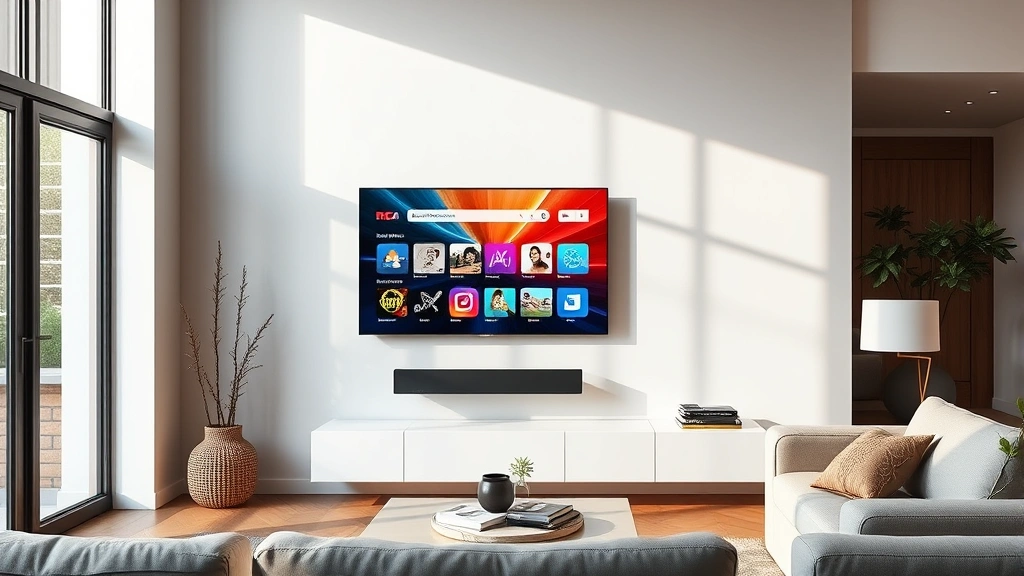
RCA TV Quality Review: Expert Opinions and Market Analysis
RCA has maintained a significant presence in the television manufacturing industry for decades, evolving from its golden age as a pioneering electronics company to its current position as a value-oriented brand. Today’s consumers face critical decisions when evaluating RCA televisions against competing manufacturers, making expert analysis essential for informed purchasing choices. This comprehensive review examines the current state of RCA TV quality, drawing on industry insights, consumer feedback, and technical assessments to provide a balanced perspective on the brand’s offerings.
The television market has transformed dramatically with the rise of streaming services, 4K resolution standards, and smart TV technology. RCA has adapted to these changes by introducing affordable models that compete in the budget and mid-range segments. However, questions persist about build quality, long-term reliability, and feature completeness compared to premium competitors. Understanding these nuances helps consumers determine whether RCA represents genuine value or represents compromises that may affect viewing satisfaction.
RCA Company History and Market Position
RCA, originally founded as the Radio Corporation of America in 1919, revolutionized the consumer electronics industry. The company pioneered television technology and dominated the market throughout much of the twentieth century. However, the electronics landscape shifted dramatically in the 1980s and 1990s, leading to strategic changes in RCA’s business model. Today, RCA operates as a brand licensed to various manufacturers rather than as an independent television producer, fundamentally altering how products reach consumers.
This licensing model means that RCA televisions are manufactured by different companies depending on the market region and product tier. Understanding this structure proves crucial for quality assessment, as manufacturing partners vary in their commitment to quality control and component sourcing. The brand’s current positioning emphasizes affordability and accessibility rather than premium features, targeting budget-conscious consumers who prioritize value over cutting-edge technology.
RCA’s market share in the television segment remains modest compared to Samsung, LG, and TCL, yet the brand maintains loyal customer bases in specific demographics. Retailers like Walmart and Best Buy prominently feature RCA models, ensuring widespread availability. This distribution strategy aligns with the brand’s value-oriented positioning and enables the company to compete effectively in the mass-market segment.

Current TV Technology and Features
Modern RCA televisions incorporate standard contemporary technologies while omitting some premium features found in higher-priced alternatives. Most current RCA models feature LED backlighting, 1080p or 4K resolution options, and basic smart TV functionality. The brand’s entry-level offerings typically include Full HD (1920×1080) panels, while mid-range models predominantly feature 4K Ultra HD (3840×2160) resolution. This technology alignment reflects industry standards and ensures reasonable compatibility with current content sources.
The refresh rate on RCA televisions generally ranges from 60Hz for standard models to 120Hz for gaming-focused variants. While 120Hz refresh rates benefit sports viewing and gaming experiences, the majority of RCA’s catalog features 60Hz panels. Smart TV platforms on RCA sets usually run either Roku TV or proprietary Android-based systems, providing access to major streaming applications including Netflix, YouTube, Amazon Prime Video, and Hulu. These platforms offer functional navigation and adequate app selection, though they occasionally lag behind premium competitors in responsiveness and interface refinement.
HDR (High Dynamic Range) support has become increasingly common in RCA’s lineup, with most 4K models supporting HDR10 and some supporting Dolby Vision. However, the implementation varies across models, and budget variants may offer limited HDR capabilities. Understanding these technical specifications proves essential when evaluating specific models, as feature availability often correlates directly with pricing tiers and intended market segments.
Picture Quality and Performance
Expert assessments of RCA television picture quality reveal a consistent pattern: acceptable but unspectacular performance for the price point. Independent reviewers from RTINGS and similar organizations consistently note that RCA models deliver adequate color accuracy and brightness levels for casual viewing. However, contrast ratios and black levels typically fall short of competitors in the same price range, particularly when compared to TCL and Hisense offerings.
The LED backlighting systems in RCA televisions generally employ edge-lit designs rather than full-array backlighting, limiting local dimming capabilities. This architectural choice impacts contrast performance, making blacks appear grayish in dark viewing environments. For consumers planning to watch movies in cinema-like conditions, this limitation becomes more apparent and potentially problematic. Conversely, bright room viewing mitigates these limitations, making RCA sets more suitable for living rooms with significant ambient light.
Color performance on RCA televisions demonstrates reasonable accuracy across the spectrum, though color volume—the brightness at which colors remain accurate—sometimes lags behind competitors. This becomes noticeable when viewing HDR content, where peak brightness limitations affect the visual impact of bright, colorful scenes. Professional calibration can improve these metrics, but most consumers purchase RCA sets without engaging calibration services, accepting the out-of-box performance.
Viewing angle limitations present another consideration, with many RCA models exhibiting color shift and contrast degradation when viewed from positions significantly off-axis. This characteristic reflects the use of VA (Vertical Alignment) or TN (Twisted Nematic) panel technologies rather than IPS (In-Plane Switching) panels. For family viewing situations or spaces where viewers sit at varied angles, this limitation warrants consideration during the purchasing decision.
Build Quality and Durability
Build quality assessment reveals where RCA televisions most obviously reflect their budget positioning. The plastic bezels and chassis components feel less substantial than premium alternatives, and the overall construction emphasizes cost efficiency over durability. The stand design on many RCA models appears functional but utilitarian, lacking the refined engineering found in higher-priced sets. Remote controls typically feature basic plastic construction and occasionally demonstrate reliability issues after extended use.
Panel longevity represents a significant consideration for long-term ownership satisfaction. While RCA panels themselves generally perform adequately during the warranty period, reports suggest that some units experience degradation in brightness and color accuracy after 3-5 years of use. This timeline falls within normal expectations for budget televisions but falls short of premium brands that often maintain performance stability for 7+ years. The lack of advanced cooling systems in some models may contribute to this accelerated aging.
Internal component quality varies depending on the manufacturing partner and specific model. Some RCA sets utilize established component suppliers, while others employ less familiar manufacturers. This inconsistency makes generalizations difficult, underscoring the importance of researching specific models before purchasing. Reading owner reviews on retail sites often reveals patterns regarding component reliability and long-term performance across different production runs.
The power supply units in RCA televisions have occasionally generated consumer complaints regarding reliability. Some users report unexpected shutdowns or failure to power on after extended use, suggesting potential power supply limitations. These issues appear to affect a minority of units rather than representing universal problems, but they warrant awareness when making purchasing decisions or evaluating extended warranty options.
Smart TV Capabilities
The smart TV experience on RCA sets depends significantly on whether the model features Roku TV or an Android-based system. Roku TV integration generally provides a smoother, more responsive experience with better app compatibility and regular software updates. The Roku interface emphasizes content discovery and includes convenient features like voice search through compatible remotes. For consumers familiar with Roku ecosystems, this option proves particularly appealing.
Android-based smart TV systems on some RCA models offer broader customization potential but occasionally demonstrate slower performance and less frequent update cycles. The app ecosystem proves adequate for essential services, though some users report occasional crashes or freezing when navigating between applications. The processing power allocated to smart TV functionality on budget RCA models sometimes limits multitasking smoothness compared to premium competitors.
Voice control capabilities depend on remote compatibility and the smart platform version. Some RCA models support Alexa and Google Assistant integration, enabling hands-free control of basic functions. However, the microphone quality and voice recognition accuracy sometimes fall short of expectations, requiring users to repeat commands or utilize traditional remote controls. Consumers relying heavily on voice functionality may prefer alternatives with more robust voice systems.
App selection covers all major streaming platforms, addressing the primary use cases for most consumers. However, some niche applications or newer services may experience delayed availability on RCA’s app stores. System responsiveness when launching apps or navigating menus occasionally exhibits lag, particularly on older models or those with extended use periods. Regular software updates help maintain performance, but the frequency and effectiveness of these updates vary across different RCA product lines.
Warranty and Customer Support
RCA typically offers one-year limited warranties covering manufacturing defects, which aligns with industry standards for budget televisions. This warranty period provides reasonable protection for obvious failures but offers limited coverage for gradual performance degradation or component failures that develop after the initial year. Extended warranty options through retailers provide additional coverage, with many consumers finding these options valuable given concerns about long-term durability.
Customer support accessibility through RCA’s official channels varies in responsiveness and helpfulness. Phone support availability and wait times occasionally frustrate consumers seeking immediate assistance. Online support resources including FAQs and troubleshooting guides address common issues but may not resolve complex technical problems. For significant issues requiring service, RCA’s repair network availability depends on geographic location, with urban areas generally receiving better coverage than rural regions.
Retailer support often proves more accessible than manufacturer support for RCA purchases, particularly when buying through major chains like Best Buy or Walmart. These retailers frequently offer their own support services and return policies that may exceed manufacturer warranties. Understanding retailer-specific policies alongside manufacturer coverage helps consumers maximize available protection and support options.
Price-to-Value Proposition
The fundamental appeal of RCA televisions centers on affordability. A 55-inch RCA 4K television typically costs $200-$350, positioning the brand competitively for budget-conscious shoppers. This pricing strategy creates genuine value for consumers willing to accept compromises in picture quality, build durability, and advanced features. For second televisions, guest room displays, or use cases where premium performance proves unnecessary, RCA’s value proposition strengthens considerably.
Comparing RCA pricing to competitors reveals nuanced trade-offs. TCL and Hisense, while slightly more expensive, often deliver superior picture quality and marginally better build construction. Samsung and LG command significant premiums but justify costs through superior components, longer-lasting performance, and more refined interfaces. For consumers prioritizing initial cost minimization, RCA remains competitive; those willing to invest modestly more often find superior long-term value elsewhere.
Promotional pricing and seasonal sales significantly affect RCA’s value equation. During major retail events, RCA televisions frequently receive substantial discounts, potentially improving their value proposition relative to competitors. Savvy shoppers who purchase during these promotional windows often secure superior deals compared to regular pricing periods. Monitoring price trends and sales calendars enables strategic purchasing that maximizes value capture.
The total cost of ownership extends beyond the initial purchase price. Budget allocations for extended warranties, potential repairs, and earlier replacement cycles should factor into value assessments. A slightly more expensive competitor that requires fewer repairs and maintains performance longer may ultimately prove more economical despite higher initial investment. Long-term viewing plans and usage intensity should inform these calculations.
Comparison with Competitors
When evaluated against TCL, RCA typically falls short on picture quality while matching or exceeding it on affordability. TCL’s implementation of better backlighting systems and superior color accuracy justifies modest price premiums. However, for consumers strictly constrained by budget limitations, RCA remains a viable alternative that delivers functional television experiences.
Compared to Hisense, RCA similarly demonstrates pricing advantages offset by picture quality compromises. Hisense’s emphasis on full-array backlighting and superior contrast ratios benefits viewers prioritizing visual performance. The brand’s reputation for reliability also influences consumer confidence, potentially justifying higher prices for risk-averse buyers concerned about durability.
Samsung and LG occupy premium positions where RCA cannot directly compete on performance metrics. These brands’ superior processing technology, advanced color management systems, and build quality command substantial price premiums. However, their entry-level models sometimes approach RCA’s pricing, creating direct competition at the budget segment’s upper boundary. In these overlapping price ranges, consumer preference often determines purchasing decisions based on brand loyalty and specific feature requirements.
Vizio presents an interesting comparison as another value-oriented alternative. Vizio’s SmartCast platform offers distinctive advantages, and the brand’s picture quality often exceeds RCA’s performance at comparable price points. Direct model-to-model comparisons between RCA and Vizio typically favor Vizio, though both serve similar market demographics.
The competitive landscape emphasizes that RCA’s primary advantage remains absolute affordability rather than superior performance across any dimension. Consumers should evaluate specific model comparisons against direct competitors in their target price range rather than accepting generalized brand assessments. Feature-specific comparisons and detailed expert reviews of comparable models provide more actionable guidance than broad brand evaluations.
FAQ
Are RCA televisions reliable for long-term ownership?
RCA televisions demonstrate adequate reliability during the warranty period but may experience performance degradation after 3-5 years. Extended warranties and careful model selection based on user reviews can improve long-term satisfaction. Comparing specific models against competitor alternatives in your price range provides better reliability insights than general brand assessments.
Do RCA TVs support 4K and HDR content?
Most modern RCA models in the mid-range and above support 4K resolution and basic HDR10 capabilities. However, implementation quality varies across models, and budget variants may offer limited HDR performance. Verifying specific model specifications before purchasing ensures expected feature availability.
How does RCA’s picture quality compare to other budget brands?
RCA’s picture quality typically falls behind TCL and Hisense while matching or exceeding significantly cheaper alternatives. The differences become most apparent in contrast ratios, color accuracy, and brightness levels. Viewing preferences and room lighting conditions influence the practical impact of these differences on user satisfaction.
What smart TV platform do RCA televisions use?
RCA televisions feature either Roku TV or Android-based smart platforms depending on the specific model. Roku TV generally provides superior responsiveness and more consistent performance, while Android variants offer greater customization potential with occasionally less polished execution.
Is purchasing an extended warranty for RCA TVs recommended?
Extended warranties become more attractive for RCA purchases given concerns about long-term durability. The cost-benefit analysis depends on individual risk tolerance, budget constraints, and planned usage intensity. Consumers planning to own the television for 5+ years should seriously consider extended protection options.
Where can I find detailed reviews of specific RCA TV models?
Professional review sites like RTINGS and DisplayMate provide technical assessments of specific models. Retail sites including Best Buy and Amazon feature extensive user reviews reflecting real-world ownership experiences. Combining professional analysis with consumer feedback provides comprehensive evaluation perspectives.
Does RCA offer any premium television models?
RCA’s product lineup concentrates on budget and mid-range segments, with no dedicated premium tier. The brand’s strategic positioning emphasizes affordability rather than high-end performance, meaning consumers seeking premium features should evaluate alternatives like Samsung, LG, or Sony.
What is the typical lifespan of an RCA television?
RCA televisions typically remain functional for 5-7 years with reasonable performance, though brightness and color accuracy may gradually decline. Some units demonstrate longer lifespan while others experience earlier component failures. Usage patterns, environmental conditions, and specific model manufacturing quality influence individual unit longevity.