
Trucking Firms Filing Chapter 11: Expert Analysis of Industry Crisis
The trucking industry faces unprecedented challenges as major carriers file for Chapter 11 bankruptcy protection at alarming rates. Recent waves of high-profile insolvencies reveal systemic vulnerabilities in freight logistics, exposing how rapidly market conditions can devastate even established operations. Understanding these failures provides critical insights for stakeholders navigating this volatile sector.
Chapter 11 filings among trucking companies signal deeper structural problems: excess capacity, fuel price volatility, labor shortages, and compressed margins. These bankruptcies aren’t isolated incidents but symptoms of an industry undergoing fundamental transformation. Shippers, investors, and remaining carriers must comprehend the root causes to anticipate future disruptions and protect their interests.
Why Trucking Companies File Chapter 11
Chapter 11 bankruptcy allows companies to reorganize operations while continuing business activities—a critical distinction from Chapter 7 liquidation. For trucking firms, this protection offers breathing room to renegotiate contracts, refinance debt, and restructure operations. The decision to file reflects management’s assessment that reorganization provides better outcomes than outright closure.
Trucking companies typically pursue Chapter 11 when debt obligations exceed asset values and operational cash flow cannot service liabilities. Unlike asset-light business models, trucking requires substantial capital investment in vehicles, equipment, and infrastructure. When revenue declines or costs spike unexpectedly, the debt burden becomes unsustainable. Filing Chapter 11 provides strategic protection through business risk management mechanisms that allow companies to pause creditor actions while developing recovery plans.
The psychological and operational toll cannot be understated. Chapter 11 companies face customer defection, vendor skepticism, and employee uncertainty. Yet this path allows viable operations to survive restructuring, potentially emerging stronger with reduced debt loads and optimized cost structures. For creditors, Chapter 11 recovery often yields better returns than liquidation.
Market Factors Driving Insolvency
The trucking industry operates within volatile market conditions that amplify financial stress. Excess capacity remains the primary culprit—when too many carriers chase insufficient freight volume, rate compression destroys profitability. The post-pandemic freight boom attracted new entrants and equipment purchases that created overcapacity once demand normalized. This structural imbalance persists despite temporary recovery periods.
Fuel Price Volatility: Diesel costs fluctuate based on crude oil markets, geopolitical events, and refinery capacity. Carriers cannot instantly pass fuel surcharges to customers, creating timing mismatches. A $0.50 per gallon increase costs a large fleet millions monthly. Without hedging strategies, fuel price spikes eliminate profit margins rapidly.
Labor Shortage Crisis: Driver availability has become the industry’s defining constraint. Wages have increased substantially, but recruitment remains difficult due to lifestyle demands and regulatory requirements. Companies face escalating labor costs precisely when rate pressure limits pricing power. This squeeze compresses margins to unsustainable levels.
Regulatory Compliance Costs: Environmental regulations, hours-of-service rules, and safety requirements mandate continuous investment. Electronic logging devices, emissions systems, and safety technology require capital expenditure. Non-compliance triggers fines and operational restrictions, forcing compliance spending regardless of profitability.
Technology Disruption: Autonomous vehicle development, digital freight matching, and shipper software capabilities reshape competitive dynamics. Companies lacking technology investments face disadvantages in load optimization and customer connectivity. Technology spending strains already-thin margins.
These factors converge to create perfect storm conditions. A carrier experiencing all simultaneously—overcapacity, fuel spikes, driver shortages, and technology pressure—faces existential stress. Harvard Business Review’s operations research demonstrates how industry-wide pressures compound individual company vulnerabilities.
Impact on Supply Chains
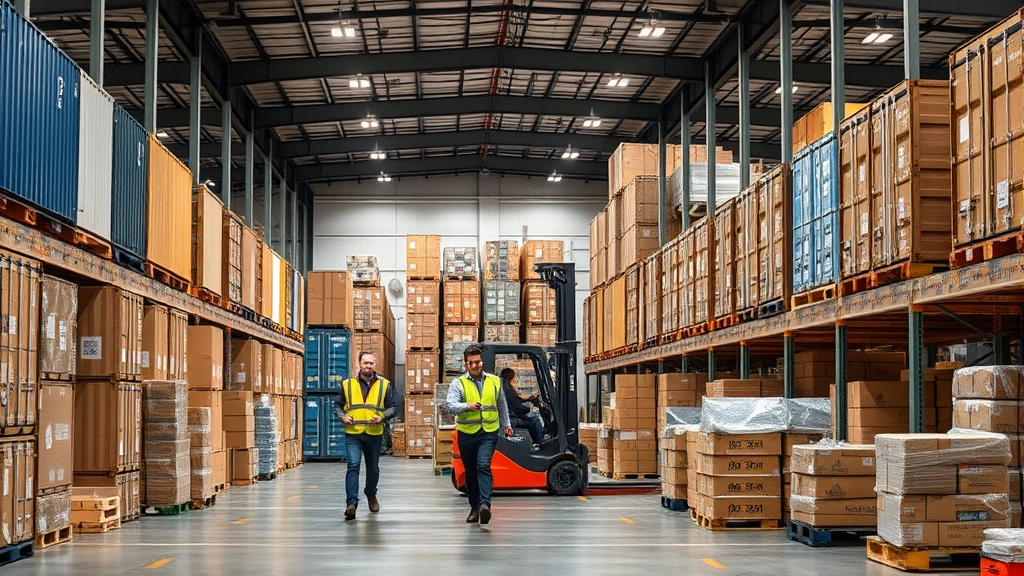
Trucking company bankruptcies ripple through supply chains with immediate and lasting consequences. Approximately 70% of freight tonnage moves via truck in North America—trucking disruption equals supply chain disruption. When major carriers file Chapter 11, shippers lose capacity, face rate increases, and experience service reliability concerns.
Immediate Capacity Reduction: Chapter 11 filings remove equipment from active service. Vehicles enter storage during reorganization, reducing available capacity. This tightening benefits surviving carriers through higher rates but harms shippers requiring stable capacity access. Shippers must renegotiate with remaining carriers from weakened positions.
Service Reliability Risk: Bankrupt carriers may prioritize restructuring over service excellence. Missed pickups, late deliveries, and inconsistent quality become more common. Shippers lose confidence in these carriers, accelerating customer defection. This vicious cycle accelerates bankruptcy outcomes.
Rate Volatility: Capacity reductions and shipper uncertainty drive rate increases. Surviving carriers raise prices, knowing shippers have limited alternatives. This cost inflation flows through supply chains, increasing product prices for consumers. Extended rate elevation harms shipper profitability and competitiveness.
Shipper Concentration Risk: As carriers consolidate through bankruptcy and acquisition, shippers become increasingly dependent on fewer providers. This concentration reduces negotiating power and increases vulnerability to service disruptions. Large shippers develop dedicated fleets to reduce dependency, while smaller shippers absorb higher costs.
Understanding the importance of business continuity planning becomes essential for shippers relying on trucking partners. Diversified carrier relationships and contingency logistics strategies provide protection against individual carrier failures.
Financial Warning Signs
Identifying trucking companies approaching insolvency requires monitoring specific financial metrics and operational indicators. Sophisticated investors and creditors track these signals to adjust exposure before crises materialize.
Deteriorating Margins: Trucking companies typically operate on 3-8% net margins in healthy periods. Declining margins signal mounting pressure. When margins compress below 2%, companies approach breakeven operations vulnerable to minor disruptions. Persistent negative margins guarantee eventual crisis.
Rising Debt-to-Equity Ratios: Trucking requires substantial leverage given capital intensity. Healthy carriers maintain debt-to-equity ratios below 2.0x. Ratios exceeding 3.0x indicate excessive leverage. Combined with margin compression, elevated leverage predicts bankruptcy risk. McKinsey’s automotive and assembly insights document how leverage amplifies industry downturns.
Declining Load Factors: Load factors measure truck utilization—percentage of capacity filled on average loads. Declining load factors indicate either overcapacity or customer defection. Load factors below 65% signal serious problems; below 60% suggests imminent crisis. Load factor deterioration often precedes margin compression by quarters.
Rising Days Sales Outstanding: When customers take longer paying invoices, cash flow deteriorates. DSO expansion from 30 to 45 days strains working capital. Desperate companies may offer extended terms to retain customers, worsening cash positions. Rising DSO combined with margin compression creates crisis conditions.
Deteriorating Safety Metrics: Accident rates, violations, and DOT ratings predict future challenges. Safety problems trigger insurance rate increases, regulatory scrutiny, and customer defection. Companies with poor safety records face higher costs and reduced shipper confidence, accelerating financial decline.
Employee Turnover Acceleration: Driver turnover exceeding 100% annually signals internal stress. Departing employees often precede financial problems, as they sense instability. Retention problems force wage increases precisely when companies can least afford them.
Recovery Strategies and Restructuring
Successful Chapter 11 outcomes require comprehensive restructuring addressing operational efficiency, debt reduction, and market positioning. Companies emerging from bankruptcy typically implement dramatic changes.
Fleet Optimization: Bankrupt carriers typically divest underutilized or older equipment. Modern, fuel-efficient vehicles reduce operating costs. Right-sizing fleets to match realistic demand eliminates excess capacity costs. Emerging carriers often operate 20-30% smaller fleets than pre-bankruptcy, but with higher utilization and profitability.
Route and Customer Rationalization: Unprofitable lanes and customers get eliminated. Companies focus on high-margin loads and reliable shippers. This specialization improves load factors and reduces operational complexity. Route rationalization often improves margins 2-3 percentage points despite lower revenue.
Labor Structure Redesign: Chapter 11 allows renegotiation of labor agreements and wage structures. While painful for employees, restructured labor costs improve competitiveness. Companies may shift toward independent contractor models or regional pay structures. Improved labor economics strengthen financial positions.
Technology Investment: Emerging carriers typically invest in load optimization software, telematics systems, and digital freight marketplaces. Technology improves asset utilization and operational efficiency. These investments generate ROI through reduced fuel costs, improved safety, and optimized routing.
Debt Restructuring: Chapter 11 allows creditors to convert debt to equity or accept reduced recovery. Debt reduction dramatically improves balance sheets. Companies emerging with 40-50% debt reduction gain significant financial flexibility.
Implementing business sustainability strategies ensures restructured companies maintain competitiveness long-term. Successful reorganizations balance cost reduction with capability preservation, avoiding destructive cuts that undermine future performance.

Risk Management for Stakeholders
Stakeholders must implement protective strategies to minimize bankruptcy exposure. Carriers, shippers, lenders, and investors each face distinct risks requiring tailored approaches.
For Shippers: Diversify carrier relationships to avoid dependency on single providers. Establish contractual protections including cargo insurance and payment terms limiting exposure. Monitor carrier financial health using public filings and credit ratings. Maintain relationships with multiple carriers in each lane. Consider dedicated fleets for critical lanes where carrier reliability proves essential.
For Lenders: Maintain rigorous underwriting standards and continuous monitoring. Require personal guarantees from owners and regular financial reporting. Implement covenants restricting additional leverage and requiring minimum profitability. Diversify loan portfolios across multiple carriers and markets. Price credit risk appropriately, reflecting bankruptcy probability.
For Investors: Treat trucking investments cautiously given industry volatility. Focus on asset-light models or specialized niches with structural advantages. Avoid overleveraged companies or those with deteriorating metrics. Diversify across multiple carriers to reduce idiosyncratic risk. Understand management quality—experienced operators navigate cycles better.
For Carriers: Maintain conservative leverage and preserve liquidity for downturns. Build margin buffers above operational breakeven. Invest continuously in technology and operational efficiency. Develop diverse customer bases rather than depending on few large shippers. Maintain driver relationships and invest in retention. Monitor competitor health and market signals for early warning signs.
Comprehensive small business insurance strategies provide additional protection. Carriers should maintain adequate cargo liability, workers compensation, and equipment coverage. Specialized trucking insurance addresses industry-specific risks.
For deeper understanding of broader business risks, review comprehensive business analysis on BizVaultPro and consult Forbes business coverage for current market conditions.
FAQ
What percentage of trucking companies file Chapter 11?
Approximately 2-4% of trucking companies file for bankruptcy in typical years, with rates spiking to 8-12% during severe downturns. The 2023-2024 period saw elevated filings reflecting post-pandemic market normalization and structural overcapacity.
How long does Chapter 11 reorganization take?
Typical trucking company Chapter 11 cases resolve in 18-36 months. Complex cases with multiple creditor classes may extend to 4+ years. Quick reorganizations occur when plans receive rapid creditor approval and asset sales proceed smoothly.
Can trucking companies operate during Chapter 11?
Yes, Chapter 11 allows companies to continue operations under bankruptcy court supervision. Operating companies (called debtors-in-possession) maintain customer relationships and employee bases while restructuring. This distinguishes Chapter 11 from Chapter 7 liquidation.
What happens to customer contracts during Chapter 11?
Bankruptcy courts allow carriers to assume favorable contracts and reject unfavorable ones. This selectivity helps carriers eliminate unprofitable business. However, rejected contracts may trigger customer defection and damages claims.
How do trucking bankruptcies affect freight rates?
Capacity reductions from bankruptcies tighten supply, generally increasing rates 5-15% depending on market conditions. Surviving carriers raise prices knowing shipper alternatives are limited. Rate increases persist until new capacity enters or demand declines.
What distinguishes successful from failed Chapter 11 outcomes?
Successful reorganizations typically involve experienced management, realistic restructuring plans, and market conditions supporting recovery. Failed cases often involve management inexperience, inadequate restructuring, or deteriorating industry conditions. Asset quality and customer relationships strongly predict outcomes.
Should shippers avoid bankrupt carriers?
Not necessarily. Chapter 11 carriers often provide competitive rates and reliable service. However, shippers should verify financial stability, maintain contingency carriers, and monitor service quality. Bankruptcy doesn’t automatically indicate poor operations—market cycles affect even well-run companies.


