Who Owns Acura? Honda’s Brand Overview
Acura stands as one of the automotive industry’s most compelling success stories, representing Honda Motor Company’s ambitious entry into the luxury vehicle market. Founded in 1986, Acura became the first Japanese luxury brand to establish itself in North America, fundamentally reshaping consumer perceptions of Japanese automotive engineering and craftsmanship. Understanding the ownership structure and strategic positioning of Acura requires examining Honda’s corporate architecture, brand philosophy, and the deliberate marketing strategies that have sustained this luxury division for nearly four decades.
The question of ownership extends beyond simple corporate hierarchy. It encompasses the vision, values, and operational independence that Honda grants to Acura as a distinct brand entity. While Acura operates as a subsidiary division of Honda Motor Company, it maintains its own design language, marketing approach, and customer experience strategy. This balance between corporate oversight and brand autonomy has proven instrumental in Acura’s ability to compete against established European luxury manufacturers while leveraging Honda’s engineering excellence and manufacturing infrastructure.
Honda Motor Company: The Parent Corporation
Honda Motor Company, Ltd. is a multinational conglomerate headquartered in Tokyo, Japan, and serves as Acura’s sole owner and parent company. Established in 1949 by Soichiro Honda and Takeo Fujisawa, Honda has evolved from a motorcycle manufacturer into one of the world’s largest automotive producers, with annual revenues exceeding $140 billion. The company operates through multiple divisions, including Honda automobiles, Honda motorcycles, Honda Power Products, and notably, the Acura luxury brand division.
Honda’s ownership model reflects a vertically integrated corporate structure where the parent company maintains controlling interest through direct equity ownership. This arrangement provides Honda with complete strategic authority over Acura’s operations, product development, manufacturing facilities, and financial decisions. However, Honda’s management philosophy emphasizes decentralized decision-making and subsidiary autonomy within established corporate guidelines—a management approach that has defined Honda’s organizational culture since its founding.
The parent company’s influence extends across several critical dimensions. Honda controls Acura’s capital allocation, determining investment levels for research and development, manufacturing infrastructure, and dealer network expansion. Additionally, Honda provides access to its proprietary technologies, manufacturing processes, and supply chain networks. This relationship creates significant competitive advantages, as Acura benefits from Honda’s advanced engineering capabilities, quality control systems, and economies of scale without bearing the full independent costs of developing these capabilities from scratch.
Acura’s Founding and Strategic Purpose
Acura was officially launched on March 27, 1986, as Honda’s dedicated luxury vehicle brand targeting affluent North American consumers. The brand name derives from the word “accuracy,” reflecting Honda’s commitment to precision engineering and meticulous craftsmanship. This strategic launch represented Honda’s calculated response to increasing demand from premium vehicle buyers seeking Japanese automotive quality combined with luxury positioning and personalized service experiences.
The founding strategy was deliberately differentiated from Honda’s mass-market approach. Rather than simply rebadging Honda models with luxury features, Acura developed distinct product lines, exclusive dealership networks, and specialized marketing campaigns. This separation strategy proved essential for brand credibility in the luxury segment, where consumers expected dedicated service centers, exclusive product portfolios, and premium customer experiences that transcended Honda’s mainstream positioning.
Honda’s investment in Acura reflected a broader corporate philosophy about establishing clear brand missions and maintaining strategic focus. The parent company recognized that luxury consumers required distinct brand identities, specialized sales personnel trained in high-touch customer service, and product development teams focused exclusively on premium market segments. This commitment to brand separation, while operationally complex, proved instrumental in establishing Acura’s credibility and customer loyalty.
The initial product lineup included the Acura Legend and Acura Integra, both engineered to deliver performance and reliability that rivaled established European luxury brands at competitive price points. This value proposition—combining Japanese engineering excellence with luxury amenities and significantly lower pricing than Mercedes-Benz, BMW, and Audi—resonated powerfully with affluent consumers seeking alternatives to traditional European luxury.
Organizational Structure and Management
Acura operates under a sophisticated organizational structure that balances independence with corporate oversight. The brand maintains its own executive leadership team, including a President and Chief Executive Officer who reports to Honda Motor Company’s global management hierarchy. This CEO holds authority over Acura-specific operations including product strategy, marketing, dealer relations, and customer service initiatives, while remaining accountable to Honda’s corporate leadership for financial performance and strategic alignment.
The organizational framework includes several specialized divisions: Product Development and Engineering, Manufacturing Operations, Sales and Marketing, Customer Service, and Financial Management. Each division maintains dedicated teams focused exclusively on Acura’s strategic objectives, ensuring that brand-specific requirements don’t become secondary to Honda’s mass-market priorities. This structural separation prevents dilution of Acura’s luxury positioning and enables rapid decision-making tailored to premium market dynamics.
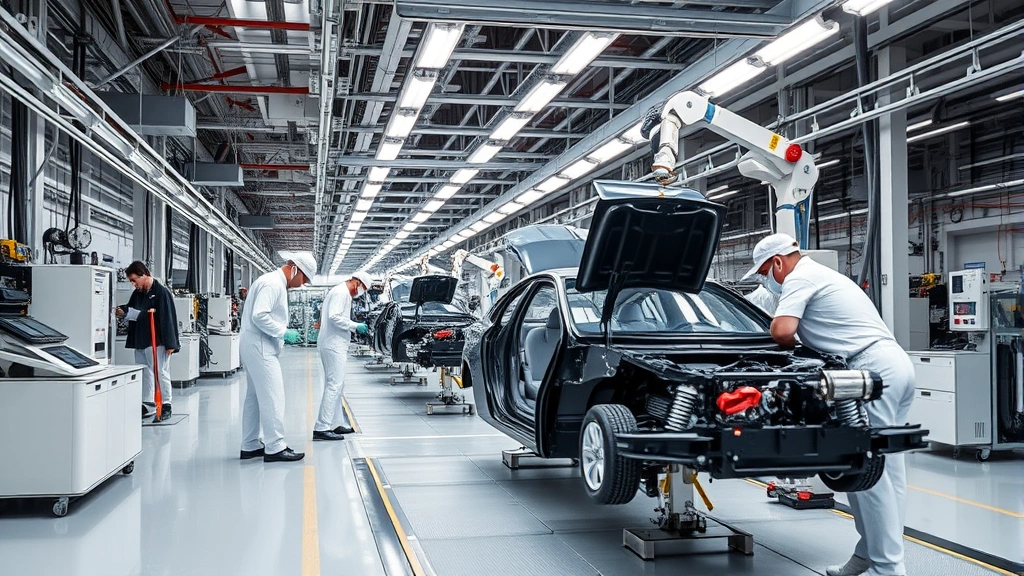
Manufacturing operations represent a particularly important dimension of Acura’s organizational structure. While Acura vehicles are produced in facilities operated by Honda, the company has invested in dedicated manufacturing lines and quality control protocols specifically designed for luxury vehicle production. Facilities in Ohio, Indiana, and Japan produce Acura models with enhanced attention to detail, materials quality, and assembly precision compared to standard Honda production standards. This manufacturing distinction reinforces Acura’s premium positioning and justifies price premiums relative to Honda equivalents.
Human resources and talent management within Acura reflect the specialized demands of luxury automotive markets. Acura recruits and develops sales personnel, service technicians, and marketing professionals with specific expertise in high-net-worth customer engagement. Training programs emphasize consultative selling approaches, product expertise, and service excellence that distinguish Acura dealer experiences from mainstream automotive retail environments. This talent strategy ensures that customer interactions consistently reinforce Acura’s premium brand positioning.
Brand Independence Within Corporate Framework
One of the most significant aspects of Acura’s ownership structure is the degree of operational and brand independence Honda grants to its luxury division. Despite complete ownership, Honda has consistently maintained Acura as a distinct brand entity with its own design philosophy, product strategy, and market positioning. This approach contrasts sharply with some competitors’ subsidiary structures, where luxury brands become secondary extensions of parent company platforms.
Design independence represents a critical dimension of Acura’s brand autonomy. Acura maintains dedicated design studios where product designers create distinctive exterior styling, interior layouts, and user interface designs that differentiate Acura vehicles from Honda offerings. This commitment to visual and functional differentiation ensures that consumers perceive Acura as a premium brand rather than as a repackaged Honda product. The “Precision Crafted Performance” brand philosophy, adopted in recent years, exemplifies how Acura articulates a distinct value proposition that transcends Honda’s engineering excellence positioning.
Marketing and communications strategy further demonstrate Acura’s independence. The brand develops exclusive advertising campaigns, sponsors premium lifestyle events, and cultivates brand partnerships that reinforce luxury positioning. Acura’s marketing teams make independent decisions about media spending, influencer partnerships, and customer engagement strategies without requiring approval from Honda’s mainstream marketing division. This autonomy enables Acura to respond rapidly to competitive dynamics in the luxury segment and to craft messages resonating with affluent consumers.
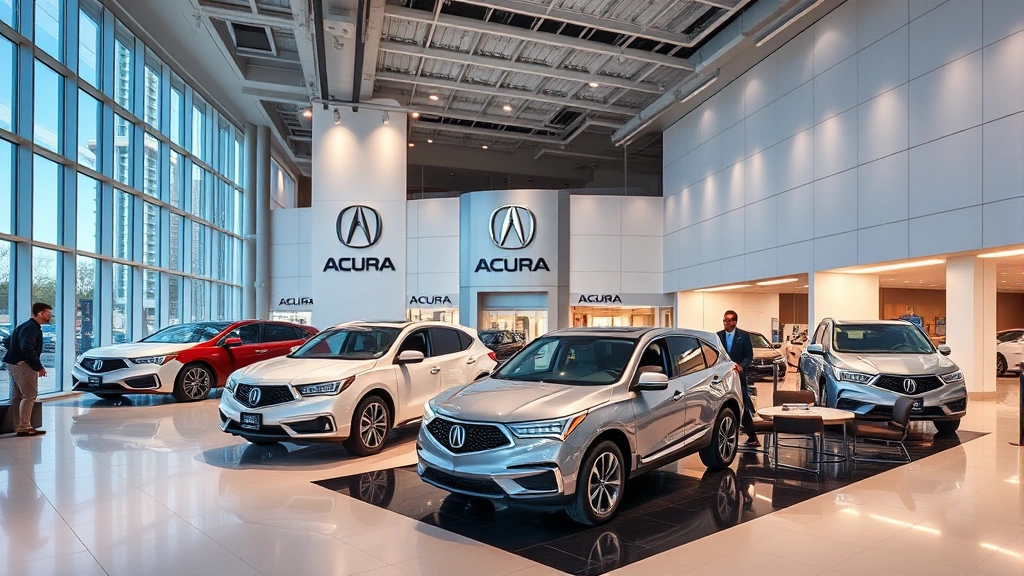
Dealer network management exemplifies perhaps the most visible manifestation of Acura’s brand independence. Acura maintains exclusive dealership franchises with stringent requirements regarding facility design, service capabilities, inventory management, and sales training. These exclusive dealers cannot sell Honda vehicles, ensuring that Acura maintains distinct brand presence in local markets. Dealers invest significantly in meeting Acura’s facility standards and training requirements, creating substantial barriers to entry that protect brand exclusivity and reinforce premium positioning.
Global Expansion and Market Positioning
While Acura was initially positioned as a North American luxury brand, Honda has strategically expanded Acura’s global presence over the past two decades. Currently, Acura operates in multiple markets including North America, Japan, China, and select European markets. This global expansion reflects Honda’s confidence in Acura’s brand strength and its commitment to developing Acura as a globally competitive luxury manufacturer.
The brand’s market positioning varies strategically across regions based on competitive dynamics and consumer preferences. In North America, Acura positions itself as a performance-oriented luxury brand offering sophisticated engineering and technological innovation at more accessible price points than European competitors. In Japan, Acura (marketed as Honda Acura) appeals to consumers seeking premium Japanese vehicles with international prestige. In emerging markets, Acura represents aspirational luxury, attracting affluent consumers seeking established, reliable luxury brands with strong resale values.
Acura’s product portfolio reflects careful market segmentation and competitive positioning. The brand offers compact luxury sedans (TLX), mid-size performance sedans (ILX), three-row luxury crossovers (MDX), compact crossovers (RDX), and sport performance vehicles (NSX). This diversified portfolio enables Acura to address multiple customer segments within the luxury market, from young professionals seeking entry-level luxury vehicles to executives and entrepreneurs purchasing flagship performance models. The strategic breadth of Acura’s lineup mirrors successful business development approaches that emphasize portfolio diversification and market segment penetration.
Competitive positioning against established luxury manufacturers represents an ongoing strategic challenge. Acura competes directly against BMW, Mercedes-Benz, Audi, and Lexus across multiple vehicle segments. The brand’s differentiation strategy emphasizes technological innovation, reliability, value proposition, and driving performance. Acura’s “Precision Crafted Performance” positioning explicitly contrasts with competitors’ heritage-based or technology-focused messaging, appealing to consumers who value substance over brand prestige alone.
Financial Performance and Investment Strategy
Acura’s financial performance directly influences Honda’s luxury segment revenues and overall corporate profitability. While Honda does not separately disclose Acura’s financial results in public filings, industry analysts estimate that Acura generates annual revenues exceeding $20 billion globally, representing approximately 15 percent of Honda’s total automotive revenues. This revenue contribution, combined with premium pricing and margin structures, makes Acura a strategically significant profit center within Honda’s corporate portfolio.
Honda’s investment strategy regarding Acura reflects long-term commitment to luxury market participation. The parent company has allocated substantial capital for new product development, manufacturing facility upgrades, and dealer network expansion. Recent investments include development of the all-electric Acura ZDX, next-generation TLX platforms, and enhanced dealer facilities featuring premium service environments and technology showcases. These investments signal Honda’s conviction that luxury vehicle markets will remain robust despite automotive industry disruption.
The financial relationship between Honda and Acura operates through transfer pricing mechanisms and inter-company service agreements. Acura purchases components, engines, and transmissions from Honda manufacturing divisions at negotiated transfer prices, creating internal profit allocation between corporate entities. Additionally, Honda charges Acura fees for shared services including research and development, information technology infrastructure, human resources administration, and corporate governance functions. These internal financial arrangements optimize overall corporate profitability while ensuring Acura receives efficient access to Honda’s capabilities.
Profit margin dynamics in the luxury automotive segment differ significantly from mass-market vehicle production. Acura typically achieves higher gross margins on vehicle sales compared to Honda brands due to premium pricing, reduced price competition, and customer willingness to purchase higher-value options and add-ons. These superior margins provide Honda with attractive returns on its Acura investment while funding ongoing innovation and competitive development. Margin sustainability depends on Acura’s ability to maintain brand equity, justify premium pricing, and manage costs effectively as manufacturing and technology investments increase.
Future Direction and Electrification
Honda’s ownership and strategic direction of Acura increasingly focuses on electrification and advanced technology integration. The parent company has committed to transitioning Acura toward electric vehicle production, with plans to introduce multiple battery-electric models over the coming decade. This strategic pivot reflects broader industry trends while positioning Acura as a technology-forward luxury brand rather than as a conventional performance manufacturer.
The electrification strategy represents a significant investment opportunity and risk for Honda’s Acura division. Electric vehicles require substantial research and development investment, new manufacturing capabilities, battery supply chain development, and charging infrastructure partnerships. Honda is leveraging its corporate resources to support Acura’s electrification transition, ensuring that the luxury brand can compete effectively against Tesla, Lucid, and traditional luxury manufacturers’ electric offerings. The Acura ZDX, an electric crossover launching in 2024, exemplifies this strategic commitment.
Technology integration extends beyond powertrains to autonomous driving capabilities, artificial intelligence-powered user interfaces, and connected vehicle services. Acura is positioning itself as a premium brand offering sophisticated technology experiences that justify luxury pricing. This approach aligns with affluent consumers’ expectations for cutting-edge features and seamless digital integration. Honda’s corporate technology initiatives, including partnerships with Silicon Valley innovators and traditional suppliers, provide Acura with access to advanced technologies that might be cost-prohibitive for independent luxury manufacturers.
Sustainability and environmental responsibility increasingly influence Acura’s brand positioning and product development. Honda’s corporate commitment to carbon neutrality by 2050 cascades through Acura’s operations, influencing manufacturing processes, material sourcing, and product lifecycle management. Acura markets environmental sustainability as a brand attribute, appealing to affluent consumers increasingly concerned about environmental impact. This positioning differentiates Acura within the luxury segment where sustainability messaging has become increasingly important for brand credibility.
The future ownership structure of Acura appears likely to remain unchanged, with Honda maintaining complete control and strategic direction of the luxury brand. However, the nature of that ownership may evolve as automotive industry transformation accelerates. Potential scenarios include deeper integration of Acura and Honda operations to achieve manufacturing and technology efficiencies, or conversely, greater Acura independence to enable faster decision-making in competitive luxury markets. Regardless, Honda’s commitment to maintaining Acura as a distinct, premium brand entity appears durable given the brand’s profitability and strategic importance to Honda’s corporate portfolio.
FAQ
Is Acura owned by Honda?
Yes, Acura is completely owned by Honda Motor Company, Ltd. Honda established Acura in 1986 as its dedicated luxury vehicle brand and maintains 100 percent ownership and strategic control of the brand. Despite complete ownership, Honda grants Acura significant operational autonomy regarding product development, marketing, and dealer management.
Can you buy a Honda Acura?
Acura vehicles are marketed under the Acura brand name, not as Honda Acuras in most markets. However, in Japan and some other regions, Acura vehicles may be sold through Honda dealerships or marketed with Honda affiliation. In North America, Acura maintains exclusive dealership networks separate from Honda dealers, reinforcing the brand’s premium positioning and distinct identity.
Why did Honda create Acura?
Honda created Acura to establish a distinct luxury brand capable of competing in premium automotive markets where consumers expected specialized service experiences, exclusive dealerships, and premium positioning. Launching a separate luxury brand, rather than simply offering luxury versions of Honda vehicles, enabled Honda to build credibility with affluent consumers while protecting Honda’s mass-market positioning and brand associations.
What is Acura’s relationship to Honda technology?
Acura leverages Honda’s advanced engineering, manufacturing processes, and technology platforms while developing distinctive luxury applications of these technologies. Acura vehicles use Honda-designed engines, transmissions, and chassis components, but integrate these technologies into premium vehicles with luxury interiors, advanced features, and performance optimization. This relationship provides Acura with cost advantages and engineering excellence while maintaining brand independence.
Is Acura more expensive than Honda?
Yes, Acura vehicles command significant price premiums over comparable Honda models due to luxury positioning, premium materials, advanced features, exclusive service experiences, and brand prestige. A luxury Acura sedan typically costs 50-100 percent more than an equivalent Honda sedan, reflecting the value consumers place on luxury brand attributes and premium customer experiences.
Does Honda profit from Acura?
Yes, Acura is a profitable division within Honda’s corporate portfolio. The luxury brand generates substantial revenues and typically achieves higher profit margins than Honda’s mass-market vehicles due to premium pricing and customer willingness to purchase options and services. Acura’s profitability contributes meaningfully to Honda’s overall financial performance and returns on invested capital.
Will Acura remain independent?
Acura will likely remain a distinct brand under Honda ownership, though the nature of operational integration may evolve. Honda has demonstrated consistent commitment to maintaining Acura as a premium brand with dedicated product development, exclusive dealerships, and distinctive marketing. However, manufacturing and technology integration may increase as automotive industry transformation accelerates and costs rise.


