Is Nissan a Japanese Company? Industry Overview
Nissan Motor Corporation stands as one of the world’s most recognizable automotive manufacturers, but the question of its national identity reveals a complex story of globalization, ownership structures, and international business operations. While Nissan was founded in Japan and maintains significant Japanese heritage, understanding whether it remains truly a Japanese company requires examining its corporate structure, ownership, manufacturing footprint, and strategic direction in today’s interconnected global economy.
The automotive industry has undergone tremendous transformation over the past two decades, with companies expanding across continents and forming intricate partnerships that blur traditional national boundaries. Nissan exemplifies this trend, operating manufacturing facilities on six continents, employing workers from dozens of countries, and serving customers worldwide. Yet its roots remain firmly planted in Japanese soil, with headquarters in Yokohama and a corporate culture shaped by decades of Japanese management philosophy and engineering excellence.

Nissan’s Japanese Origins and History
Nissan Motor Company was established in 1933 through the merger of two companies: Nippon Sangyo and Jidosha Seizo. The company’s name itself derives from these Japanese roots—Nissan being a shortened form of Nippon Sangyo. From its inception, Nissan was deeply embedded in Japan’s industrial development and played a crucial role in establishing the country as a global automotive powerhouse. The company’s early years were marked by Japanese engineering innovation and manufacturing excellence that would later define the entire nation’s reputation in the automotive sector.
Throughout the post-World War II era, Nissan became synonymous with Japanese automotive quality and reliability. The company’s commitment to continuous improvement, known as kaizen, and its pioneering work in lean manufacturing established standards that influenced the entire industry. Models like the Datsun 240Z became icons of Japanese automotive achievement, demonstrating that Japanese manufacturers could compete with and eventually surpass Western automakers in performance, reliability, and design innovation.
The company’s headquarters has remained in Yokohama, Japan since 1934, and its corporate governance structure reflects Japanese business traditions including long-term stakeholder relationships and consensus-based decision-making processes. These foundational elements continue to influence Nissan’s strategic approach even as the company has expanded globally and adapted to changing market conditions.
Corporate Ownership and Structure
Understanding Nissan’s current ownership requires examining the Renault-Nissan-Mitsubishi Alliance, one of the automotive industry’s most significant partnerships. This alliance, formed in 1999, fundamentally altered Nissan’s corporate structure and ownership dynamics. Renault, the French automotive manufacturer, acquired a 36.8% stake in Nissan, making it the largest shareholder and giving the French company significant influence over Nissan’s strategic decisions.
However, Nissan remains registered as a Japanese company with headquarters in Japan and maintains its Japanese corporate identity despite Renault’s substantial ownership stake. The company is listed on the Tokyo Stock Exchange, and Japanese institutional investors and the public hold significant equity positions. This mixed ownership structure creates a unique situation where Nissan operates as a Japanese company while being substantially influenced by French strategic direction through the alliance framework.
The relationship between Renault and Nissan has evolved significantly, particularly following the dramatic events surrounding former CEO Carlos Ghosn’s arrest in 2018. This incident exposed tensions within the alliance and raised questions about governance, cultural integration, and the balance of power between Japanese and French management. Subsequent leadership changes have worked to stabilize the partnership while reaffirming Nissan’s commitment to its Japanese heritage and independent operational capabilities.
From a practical standpoint, Nissan maintains autonomous decision-making authority over most operational matters while benefiting from the alliance’s resource sharing, platform development, and purchasing power. This arrangement allows Nissan to function as a Japanese company with independent strategic direction while leveraging the alliance’s global resources.
Global Manufacturing and Operations
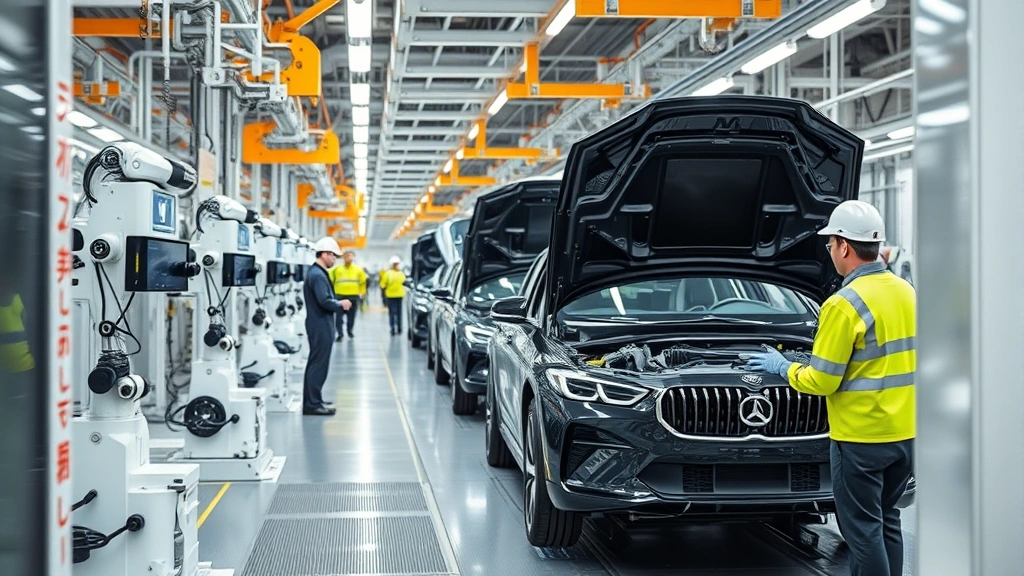
Nissan’s manufacturing footprint tells the story of a truly global enterprise. The company operates manufacturing plants in Japan, North America, Europe, Asia-Pacific, and the Middle East, producing vehicles tailored to regional preferences and market demands. Japan remains the company’s primary manufacturing hub, with major facilities in Kanagawa, Fukuoka, and Kyushu producing millions of vehicles annually for both domestic and export markets.
The company’s North American operations, centered in Tennessee and Mexico, represent one of its largest manufacturing regions outside Japan. Similarly, Nissan operates significant manufacturing facilities in the United Kingdom, Spain, India, China, and Thailand. This global manufacturing strategy enables Nissan to serve customers worldwide while managing currency risks, supply chain efficiency, and regulatory compliance across different jurisdictions.
Despite this global manufacturing presence, Nissan maintains its research and development centers in Japan, where the company’s core engineering talent and innovation capabilities remain concentrated. The company’s commitment to advanced technologies, including electric vehicles and autonomous driving systems, continues to be anchored in Japanese facilities where some of the automotive industry’s most sophisticated engineering work occurs. Implementing business management software across these global operations ensures coordination and consistency in quality standards and operational procedures.
The Renault Alliance Impact
The Renault-Nissan-Mitsubishi Alliance represents one of the most complex and consequential partnerships in automotive history. When Renault acquired its stake in Nissan in 1999, the French company was pursuing an ambitious strategy to become a global automotive leader. Nissan, facing financial difficulties at the time, welcomed the partnership as a path to recovery and global expansion.
Carlos Ghosn, the Brazilian-born executive who orchestrated the alliance, became the face of this partnership and implemented dramatic restructuring that returned Nissan to profitability. However, Ghosn’s eventual downfall revealed underlying tensions between Japanese and French management cultures, governance expectations, and strategic visions. His arrest in Japan in 2018 on charges of financial misconduct shocked the business world and highlighted the complexities of international corporate governance.
The alliance continues to function, with Renault, Nissan, and Mitsubishi collaborating on platform development, purchasing, and certain product categories. However, each company maintains operational independence and distinct brand identities. Nissan’s Japanese corporate identity remains intact despite the alliance, and the company continues to make strategic decisions reflecting its Japanese heritage and market positioning. Enhancing operational efficiency through business process automation has helped Nissan maintain competitive advantage within the alliance structure.
Management and Leadership
Nissan’s leadership structure reflects its Japanese corporate heritage while adapting to global business requirements. The company’s board of directors includes both Japanese and international members, bringing diverse perspectives to strategic decision-making. Recent CEO appointments have emphasized the importance of maintaining Nissan’s operational independence while strengthening alliance relationships.
The company’s management philosophy continues to reflect Japanese principles including long-term stakeholder value creation, employee development, and commitment to quality and continuous improvement. These values, deeply embedded in Nissan’s organizational culture for nearly a century, influence how the company approaches product development, customer service, and corporate responsibility.
Japanese executives continue to hold significant positions throughout Nissan’s global operations, ensuring that Japanese management perspectives and business practices influence corporate decision-making. At the same time, the company has developed international management talent and appointed executives from various countries to senior positions, reflecting the reality of operating in global markets. This balance between Japanese leadership heritage and international management diversity characterizes Nissan’s contemporary approach to corporate governance.
Market Presence and Brand Identity
Nissan maintains strong brand identity as a Japanese automotive manufacturer despite its global operations. The company’s marketing emphasizes Japanese engineering heritage, quality standards, and innovation. Models like the Altima, Maxima, and Rogue are designed and developed with significant input from Japanese engineering teams, and manufacturing quality reflects standards established in Japan.
The company’s commitment to customer relationship management excellence reflects Japanese business traditions emphasizing long-term customer satisfaction and loyalty. Nissan dealerships worldwide maintain service standards and quality benchmarks established by the parent company in Japan, ensuring consistency in customer experience across markets.
In Japan itself, Nissan remains one of the country’s most important automotive manufacturers, employing tens of thousands of workers and contributing significantly to the national economy. The company’s success reflects Japan’s broader automotive industry strength, and Nissan’s global operations serve as ambassadors for Japanese manufacturing excellence and technological innovation.
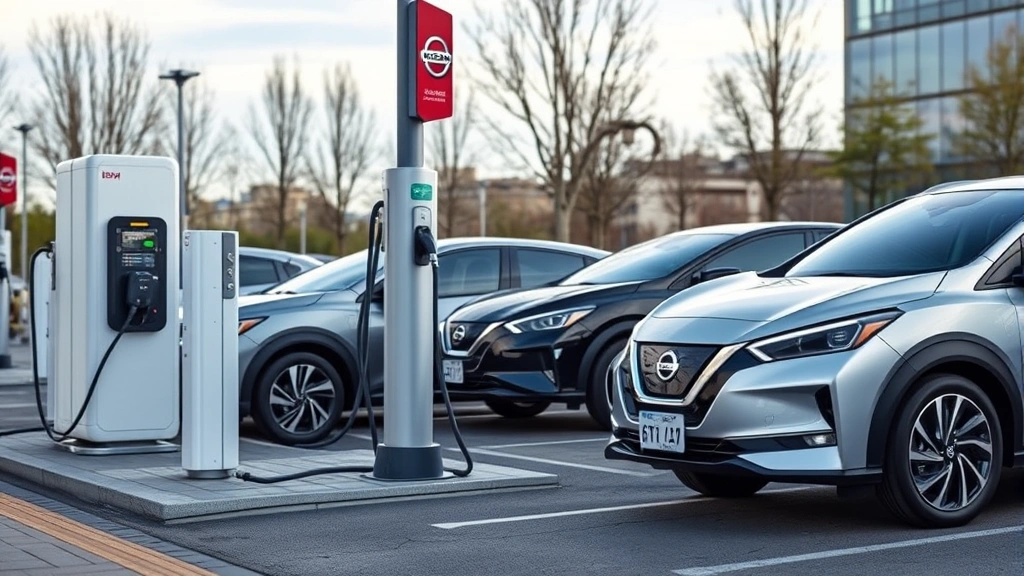
Nissan’s electric vehicle strategy, particularly through its Leaf model and expanding EV lineup, demonstrates the company’s commitment to advanced technology development. These vehicles are engineered in Japan and represent Nissan’s vision for the automotive future, reflecting the company’s role as a leader in Japanese technological innovation.
Strategic Challenges and Future Direction
Nissan faces significant strategic challenges in the contemporary automotive landscape, including the transition to electric vehicles, competition from Chinese manufacturers, and pressure to maintain profitability amid industry disruption. The company’s response to these challenges will largely determine whether it maintains its position as a leading Japanese automotive manufacturer or undergoes fundamental transformation.
The company’s commitment to becoming a leader in electric vehicle production reflects Japanese government policy supporting EV adoption and Nissan’s historical commitment to innovation. However, competition from Tesla, Chinese EV manufacturers, and other established automakers intensifies pressure on Nissan to accelerate its EV transition while maintaining profitability across its traditional internal combustion engine lineup.
Nissan’s strategic direction emphasizes strengthening its core business, improving operational efficiency, and investing in future technologies including autonomous driving and advanced connectivity. These initiatives require significant capital investment and technological expertise, areas where Nissan’s Japanese engineering capabilities and alliance resources provide competitive advantages.
The company’s long-term viability as a Japanese automotive leader depends on successfully navigating industry transformation while maintaining the quality standards, customer focus, and innovation commitment that have defined Nissan for nearly a century. Recent announcements regarding manufacturing investments in Japan and expanded EV production demonstrate the company’s continued commitment to its home country and its identity as a Japanese corporation.
Implementing business networking strategies with suppliers, government agencies, and technology partners strengthens Nissan’s position in Japan and globally. Meanwhile, business sustainability practices align with Japanese corporate responsibility traditions and global environmental expectations.
FAQ
Is Nissan owned by a Japanese company?
Nissan is partially owned by Renault, a French automotive manufacturer that holds a 36.8% stake. However, Nissan remains a Japanese company registered in Japan with its headquarters in Yokohama. The company maintains operational independence despite Renault’s significant ownership stake through the Renault-Nissan-Mitsubishi Alliance.
What percentage of Nissan is owned by Japan?
Approximately 63% of Nissan is owned by Japanese institutional investors, the Japanese public, and other non-Renault shareholders. While Renault holds the largest single stake at 36.8%, Japanese shareholders collectively maintain majority ownership of the company.
Where is Nissan headquartered?
Nissan’s global headquarters remains in Yokohama, Japan, where the company has maintained its primary offices since 1934. This location symbolizes Nissan’s commitment to its Japanese heritage and identity as a Japanese corporation.
How many vehicles does Nissan produce in Japan?
Nissan operates multiple manufacturing facilities in Japan producing millions of vehicles annually. Japan remains the company’s largest production center, with facilities in Kanagawa, Fukuoka, and Kyushu producing vehicles for both domestic markets and international export.
What is Nissan’s relationship with the Renault-Nissan Alliance?
Nissan partners with Renault and Mitsubishi through the Renault-Nissan-Mitsubishi Alliance, collaborating on platform development, purchasing, and certain product categories. However, each company maintains operational independence, distinct brand identities, and separate strategic decision-making authority.
Does Nissan still manufacture vehicles in Japan?
Yes, Nissan maintains significant manufacturing operations in Japan. The company produces a wide range of vehicles in Japan, including models for domestic consumption and export to international markets. Japan remains central to Nissan’s global manufacturing strategy and technological development.


