
Cincinnati Watch Co. Success? A CEO Interview on Building American Luxury Timepieces
Cincinnati Watch Company has emerged as a compelling case study in American manufacturing renaissance. What began as a passion project has evolved into a thriving business that challenges the dominance of Swiss and Japanese watchmakers. In this exclusive CEO interview, we explore the strategic decisions, market positioning, and leadership philosophy that transformed a Cincinnati-based startup into a recognized name in the luxury watch industry.
The watch industry is notoriously competitive, with established brands commanding decades of consumer loyalty and heritage. Yet Cincinnati Watch Co. has carved out a distinctive niche by combining American craftsmanship with innovative design and transparent business practices. This interview reveals the operational strategies, financial acumen, and customer-centric vision that drove the company’s remarkable growth trajectory.
The Founding Vision and Market Entry Strategy
When asked about the inception of Cincinnati Watch Company, the CEO emphasized a clear differentiation strategy from day one. Rather than attempting to compete on price or trying to replicate established Swiss traditions, the company positioned itself as an authentically American luxury brand. This required developing a comprehensive business plan that outlined specific market segments, production timelines, and financial projections.
The founding team recognized that the American luxury watch market had been underserved for decades. While consumers could easily access Swiss, Japanese, and German timepieces, few authentic American manufacturers remained. This gap represented both opportunity and challenge. The CEO explained: “We needed to answer a fundamental question: Why should someone choose an American watch over a Rolex or Seiko?” The answer lay in storytelling, transparency, and accessibility.
Market research revealed that younger affluent consumers, particularly millennials and Gen Z, valued transparency and American manufacturing. They wanted to know the origin of their products and support domestic businesses. Cincinnati Watch Co. leveraged this consumer sentiment by offering detailed production information, founder accessibility, and a compelling narrative about reviving American watchmaking.
The company also benefited from strategic placement within the business incubator ecosystem that provided mentorship, networking, and operational guidance during critical early stages. This infrastructure proved invaluable for a capital-intensive manufacturing business navigating complex supply chains and production challenges.
Building a Sustainable Manufacturing Model
One of the most revealing aspects of the CEO interview focused on manufacturing philosophy. Cincinnati Watch Co. rejected the outsourcing model prevalent in the industry. Instead, the company invested heavily in domestic production capabilities, training skilled craftspeople, and establishing quality control processes that exceeded industry standards.
The CEO discussed the financial implications candidly: “Domestic manufacturing costs significantly more than outsourcing to Asia. Our margins are tighter. But this constraint became our competitive advantage.” By controlling production in-house, the company could ensure consistent quality, respond quickly to design iterations, and maintain the authentic American manufacturing story that resonates with their target market.
The manufacturing strategy incorporated advanced technology alongside traditional watchmaking skills. Computer numerical control (CNC) machines handled precision components, while experienced watchmakers performed assembly and quality verification. This hybrid approach balanced efficiency with craftsmanship, enabling the company to scale production without sacrificing the artisanal quality that defines the brand.
Supply chain resilience emerged as a critical lesson from recent global disruptions. The CEO emphasized investing in comprehensive risk management frameworks that identified vulnerabilities and established contingency plans for material sourcing and production disruptions. This proactive approach protected the business during periods when international supply chains experienced significant strain.
Brand Positioning in a Luxury Market
Cincinnati Watch Co.’s brand positioning strategy revealed sophisticated understanding of luxury market dynamics. The company operates at a price point above mainstream brands but below traditional Swiss luxury watches—typically $500 to $2,500 per timepiece. This positioning required careful calibration of messaging, retail presence, and customer experience.
The CEO explained that luxury positioning extends far beyond price. It encompasses heritage storytelling, exclusivity signals, and emotional connection. Cincinnati Watch Co. cultivated these elements through limited production runs, founder-led customer interactions, and transparent communication about design philosophy and production processes. Each watch includes detailed documentation of its assembly and specifications, creating tangible proof of quality and craftsmanship.
Digital marketing played a crucial role in building brand awareness and credibility. The company leveraged digital marketing strategies tailored for small businesses, including content marketing, social media engagement, and influencer partnerships with watch enthusiasts. This approach generated organic reach while maintaining authentic brand voice and avoiding aggressive hard-sell tactics inappropriate for luxury positioning.
The CEO also discussed the importance of retail partnerships and direct-to-consumer channels. While selective partnerships with boutique retailers provided credibility and distribution, the company prioritized direct sales through their website and flagship retail location. Direct relationships with customers generated valuable feedback, enabled premium pricing, and created brand ambassadors who shared their purchase experiences within their networks.
Scaling Operations Without Losing Quality

Growth presents a paradox for luxury manufacturers: expansion is necessary for financial sustainability, yet scaling often dilutes the quality and exclusivity that define luxury brands. The CEO addressed this tension thoughtfully, describing deliberate growth strategies that preserved brand integrity while increasing production capacity.
The company implemented modular production expansion, increasing manufacturing capability incrementally rather than through sudden large-scale investments. New equipment was integrated carefully, with rigorous training and quality assurance protocols. Production targets were set conservatively, prioritizing quality metrics over volume. The CEO noted: “We’ve turned down orders that would have strained our quality control. That’s difficult financially, but it’s essential for long-term brand value.”
Hiring and training represented another critical scaling challenge. The company recruited experienced watchmakers and precision manufacturers, offering competitive compensation and opportunities for skill development. Mentorship programs paired experienced craftspeople with newer team members, preserving institutional knowledge while building capability. This investment in human capital reflected the CEO’s philosophy that employees are brand ambassadors whose pride in their work directly impacts product quality.
Technology investments supported scaling without compromising quality. The company adopted cloud computing solutions for inventory management, supply chain visibility, and production planning, enabling real-time monitoring of operations across multiple processes. These tools provided data-driven insights that optimized production efficiency while maintaining quality standards.
Financial management became increasingly sophisticated as the company scaled. Detailed cost accounting tracked material expenses, labor costs, and overhead allocation by product line. This transparency enabled pricing decisions that reflected true production costs while maintaining competitive positioning. The CEO emphasized that understanding unit economics is fundamental to sustainable growth in manufacturing.
Customer Engagement and Direct-to-Consumer Success
Cincinnati Watch Co.’s direct-to-consumer strategy emerged as perhaps the most distinctive aspect of their business model. Rather than relying primarily on retailers, the company built direct relationships with customers through multiple touchpoints. This approach generated premium pricing, valuable customer data, and opportunities for community building around the brand.
The company’s website functions as more than a sales platform; it serves as a brand experience center offering detailed product information, behind-the-scenes manufacturing content, and founder blog posts discussing design philosophy and industry trends. This content strategy positions the company as a thought leader while building trust through transparency and accessibility.
Email marketing and customer communication systems were optimized to provide personalized experiences. Customers received updates about new collections, invitations to exclusive events, and direct access to the founder and design team. This business communication approach extended beyond internal collaboration to create external relationships that deepened customer loyalty and engagement.
The company also leveraged social media strategically, particularly Instagram and YouTube, where watch enthusiasts congregate. Rather than pursuing viral content, Cincinnati Watch Co. focused on building engaged communities through authentic storytelling, customer features, and educational content about watchmaking. This approach generated loyal followers who became brand advocates and repeat customers.
Customer feedback loops informed product development directly. The company actively solicited input about design preferences, color options, and feature requests. This collaborative approach to product development created customers who felt invested in the brand’s success and were more likely to share their watches and stories within their networks.
Leadership Philosophy and Team Development
The CEO’s leadership philosophy centered on transparency, continuous learning, and distributed decision-making. Rather than maintaining hierarchical command structures, the company cultivated a collaborative environment where team members at all levels contributed ideas and felt ownership over their work.
Regular all-hands meetings kept the entire team informed about business performance, strategic priorities, and market developments. This transparency built trust and ensured that employees understood how their individual contributions affected overall company success. The CEO also shared financial information candidly, explaining margins, costs, and profitability in ways that helped team members understand business realities.
Professional development received significant investment. The company supported watchmaking certifications, technical training, and business skill development. This commitment to employee growth reduced turnover, built institutional capability, and demonstrated that the company valued long-term team development over short-term cost minimization.
The CEO also emphasized the importance of hiring for cultural fit and values alignment. Cincinnati Watch Co. seeks team members who share passion for American manufacturing, commitment to quality, and belief in the company’s mission. This focus on values-based hiring created cohesive teams that collaborated effectively and maintained motivation during challenging periods.
Future Growth Strategies and Innovation Pipeline
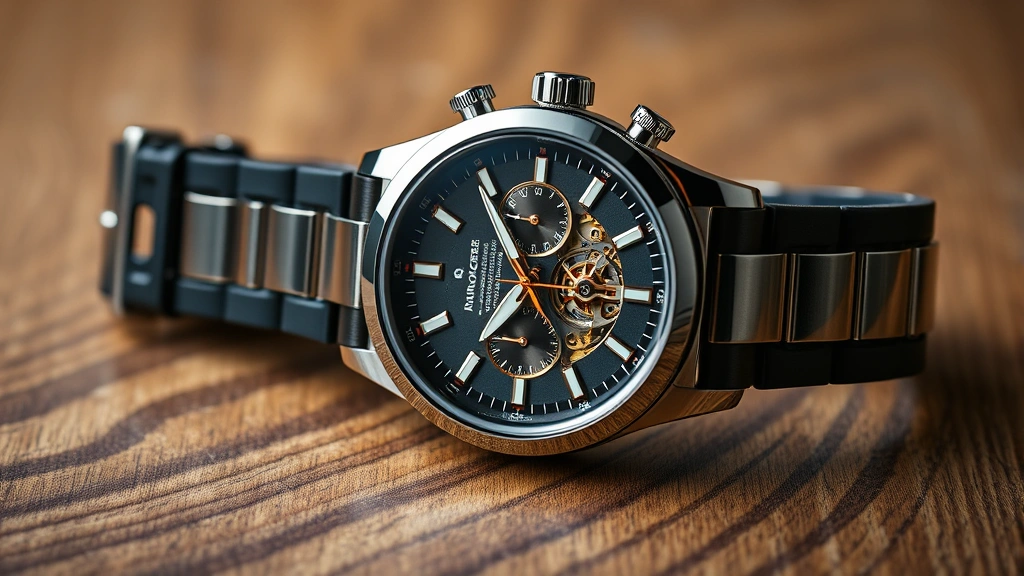
Looking forward, the CEO outlined ambitious yet achievable growth strategies that balanced expansion with brand preservation. The company is exploring international markets, particularly Europe and Asia, where American luxury goods command strong consumer interest. International expansion requires careful market analysis, local partnership development, and brand adaptation while maintaining core identity.
Product line expansion represents another growth avenue. While the company will continue focusing on mechanical watches—the core of their brand identity—they are exploring adjacent categories such as watch accessories, limited edition collaborations, and potentially smartwatch integration that preserves mechanical heritage. These extensions must align with brand values and avoid diluting the luxury positioning that differentiates Cincinnati Watch Co.
Innovation in production technology offers efficiency gains without compromising craftsmanship. The company is evaluating advanced manufacturing techniques, sustainable materials, and supply chain innovations that could improve margins while supporting environmental and social responsibility commitments. The CEO expressed particular interest in exploring how emerging technologies could enhance rather than replace traditional watchmaking skills.
Capital strategy will likely shift as the company matures. Currently self-funded and profitable, Cincinnati Watch Co. may pursue strategic investments or partnerships that accelerate growth without sacrificing control or values alignment. The CEO emphasized that any growth capital would come from investors who genuinely understand and support the company’s mission rather than purely financial investors seeking maximum returns.
The CEO also discussed potential retail expansion, including flagship stores in major metropolitan areas that would serve as brand experience centers. These locations would showcase the full product range, offer customization services, and provide opportunities for customers to interact with craftspeople and leadership team members. This experiential retail approach aligns with luxury market trends toward immersive brand engagement.
FAQ
What makes Cincinnati Watch Company different from other American watch manufacturers?
Cincinnati Watch Co. differentiates through complete in-house manufacturing, transparent business practices, founder accessibility, and authentic storytelling about American watchmaking heritage. The company prioritizes quality and brand integrity over rapid growth, positioning itself in the luxury market rather than competing on price or volume.
How does Cincinnati Watch Company maintain quality while scaling production?
The company implements modular expansion, rigorous quality control protocols, continuous employee training, and conservative production targets. Technology investments support operational efficiency while preserving the craftsmanship that defines the brand. The leadership team actively manages growth to prevent quality dilution.
What is Cincinnati Watch Company’s pricing strategy?
The company operates in the $500 to $2,500 price range, positioning above mainstream brands but below traditional Swiss luxury watches. Pricing reflects true production costs, including domestic labor and in-house manufacturing, while delivering premium value through quality and brand experience.
How does Cincinnati Watch Company acquire customers?
The company uses a multi-channel approach including direct website sales, content marketing, social media engagement, selective retail partnerships, and founder-led customer relationships. Direct-to-consumer channels generate the majority of sales and provide valuable customer data and feedback.
What are Cincinnati Watch Company’s growth plans?
Future strategies include international market expansion, selective product line extensions, retail experience centers, manufacturing innovation, and potential strategic partnerships. The company remains committed to sustainable growth that preserves brand values and quality standards.
How does Cincinnati Watch Company source materials for watch production?
The company sources components from a mix of domestic and international suppliers, with emphasis on quality and reliability. Supply chain resilience planning includes multiple suppliers for critical components and contingency strategies to address potential disruptions.


