Best Parking Systems in the US: Market Leaders & Strategic Solutions
The parking industry in America has undergone a dramatic transformation over the past decade, shifting from simple lot management to sophisticated, technology-driven ecosystems. Today’s leading parking systems combine real-time analytics, mobile integration, and smart infrastructure to solve one of urban America’s most persistent challenges. Whether managing municipal parking authorities, airport operations, or commercial properties, the best parking companies deliver measurable ROI through operational efficiency and enhanced user experiences.
Understanding which parking systems of America dominate the market requires examining their technological capabilities, market reach, and proven track records. The top players have invested heavily in mobile payment solutions, dynamic pricing algorithms, and integrated software platforms that streamline everything from space detection to revenue collection. This comprehensive guide explores the market leaders reshaping how America parks.

Market Overview & Industry Trends
The American parking management sector has evolved into a multi-billion-dollar industry, with projections suggesting continued growth through 2030. According to McKinsey & Company’s infrastructure analysis, smart parking solutions are reducing search time by up to 30 minutes per driver annually in major metropolitan areas, translating to significant fuel savings and emissions reductions. This transformation reflects broader trends in urban mobility, sustainability, and digital transformation that are reshaping how cities manage finite parking resources.
The competitive landscape includes national operators, regional specialists, and emerging technology startups. Market consolidation continues as larger companies acquire innovative startups to expand their technological capabilities. Understanding these dynamics helps property managers, municipalities, and operators select systems aligned with their specific operational needs. The best parking companies maintain competitive advantages through continuous innovation, customer service excellence, and data-driven decision-making frameworks.
Key industry drivers include urbanization pressures, mobile payment adoption, real estate optimization, and environmental regulations. Cities increasingly recognize that effective parking management directly impacts traffic congestion, air quality, and economic vitality. Forward-thinking operators are leveraging business sustainability strategies to align parking operations with broader municipal goals around climate action and livability.
Top Parking System Providers
ParkWhiz stands among America’s most recognized parking platforms, operating a marketplace model connecting drivers with parking providers nationwide. Their technology emphasizes user experience and flexible booking options, appealing particularly to frequent travelers and corporate accounts. The platform’s strength lies in aggregating supply across diverse property types and locations.
Parkway specializes in enterprise-level parking operations, offering comprehensive management software for large municipal authorities and commercial operators. Their integrated platform handles revenue collection, enforcement, customer communications, and analytics through a unified dashboard. Parkway’s enterprise focus positions them well for municipalities managing thousands of spaces across multiple locations.
SpotHero operates a demand-responsive marketplace similar to ParkWhiz but emphasizes real-time availability and dynamic pricing. Their mobile-first approach and integration with fleet management systems have made them particularly popular among ride-sharing companies and corporate parking programs. SpotHero’s data analytics capabilities provide valuable insights into parking demand patterns and pricing optimization.
Parkeon (owned by Flowbird) brings European expertise to the American market, specializing in on-street parking management and payment systems. Their hardware and software solutions support municipalities implementing smart parking initiatives. Their technology enables data collection that informs urban planning and traffic management decisions.
Valet Anywhere focuses on valet management software, serving premium properties, hotels, and restaurants. Their mobile-first platform streamlines valet operations, reduces turnaround times, and enhances customer experiences. This specialized focus demonstrates how successful parking companies identify underserved market segments.
Parkwhiz competitor analysis reveals that success requires balancing technological sophistication with operational simplicity. The most effective systems integrate seamlessly with existing property management platforms while providing intuitive interfaces for end users.
Technology Features That Matter
Modern parking systems of America must deliver specific technological capabilities to remain competitive. The best solutions combine hardware, software, and data analytics into cohesive platforms that address multiple stakeholder needs simultaneously.
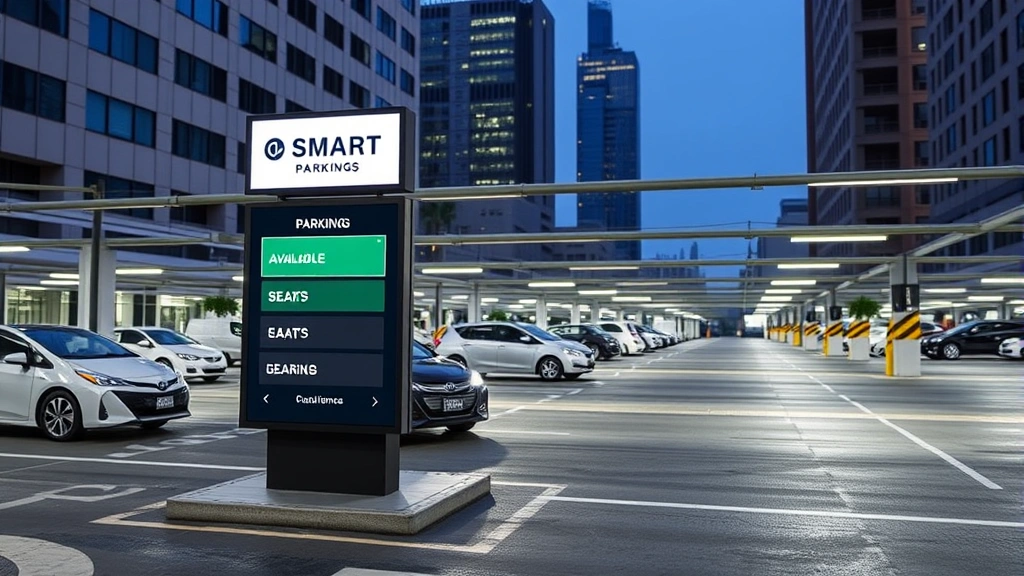
Real-Time Space Detection represents foundational technology for modern parking systems. Sensor networks integrated with cloud-based platforms provide instantaneous availability data, reducing driver search time and improving lot utilization. This capability depends on reliable hardware deployment and robust data transmission infrastructure.
Mobile Payment Integration has become table stakes for parking operators. Leading systems support multiple payment methods including credit cards, digital wallets, and subscription programs. Seamless mobile experiences drive adoption and customer satisfaction while reducing cash handling costs and security risks.
Dynamic Pricing Algorithms optimize revenue while managing demand. These systems analyze occupancy patterns, time-of-day trends, special events, and competitive pricing to automatically adjust rates. Effective implementation requires sophisticated data analytics and careful calibration to avoid customer backlash.
Enforcement Integration connects parking management with citation and compliance systems. Mobile applications enable parking enforcement officers to access real-time data about violations, payment status, and permit validity. This integration improves compliance rates and reduces revenue leakage.
Analytics Dashboards provide operators with actionable insights into occupancy trends, revenue performance, customer behavior, and operational efficiency. The best systems offer customizable reporting that addresses specific stakeholder concerns, from CFO financial metrics to operations manager efficiency measures.
API Connectivity enables integration with broader urban mobility ecosystems, including transportation planning platforms, fleet management systems, and municipal information systems. This interoperability ensures parking management contributes to comprehensive urban transportation strategies rather than operating in isolation.
Implementation Strategies
Successful parking system deployment requires strategic planning, stakeholder engagement, and phased implementation approaches. Organizations pursuing business transition planning should recognize that parking modernization often represents a significant operational shift requiring change management support.
Assessment phase activities include current state analysis, stakeholder interviews, technology evaluation, and financial modeling. Organizations should clearly define success metrics aligned with their strategic objectives, whether focused on revenue optimization, customer satisfaction, operational efficiency, or sustainability goals.
Pilot programs allow organizations to test systems with limited scope before enterprise-wide deployment. Selecting representative pilot locations that encompass diverse operational scenarios provides valuable learning that informs broader rollout. Successful pilots build internal confidence and generate data supporting organizational buy-in.
Training and change management prove critical to adoption success. End users—whether parking enforcement officers, customer service representatives, or facility managers—require comprehensive training on new systems. Organizations that invest in change management report significantly higher adoption rates and faster ROI realization.
Integration planning should address connections with existing property management systems, accounting platforms, and customer relationship management tools. Clean data migration and thorough testing prevent operational disruptions during implementation.
ROI & Financial Performance
Parking system investments typically deliver measurable financial returns through multiple channels. Harvard Business Review research demonstrates that well-implemented parking technology drives 15-25% revenue increases within the first year through improved collection rates and dynamic pricing optimization.
Revenue Enhancement mechanisms include reduced payment defaults through automated collection, dynamic pricing that captures peak demand pricing power, and occupancy improvements from better space utilization. Many operators report that dynamic pricing alone generates 10-15% incremental revenue.
Operational Cost Reduction results from decreased manual processes, reduced enforcement staffing requirements, and improved asset utilization. Automated payment processing eliminates cash handling costs and associated security expenses. Efficient space management reduces unnecessary patrol activities.
Customer Acquisition improvements stem from enhanced user experiences, mobile convenience, and transparent pricing. Systems that reduce friction in the parking experience drive higher retention and positive word-of-mouth referrals.
Data Monetization opportunities emerge as organizations accumulate anonymized parking data. Insights about traffic patterns, peak demand timing, and location-specific trends have value for urban planners, retailers, and transportation researchers.
Total cost of ownership calculations should include hardware costs, software licensing, integration services, training, and ongoing support. Most enterprise systems require 18-36 months to achieve full ROI, though some implementations show positive returns within 12 months through aggressive dynamic pricing strategies.
Future Innovations
The parking industry continues evolving rapidly, with several emerging trends reshaping the competitive landscape. Forbes technology analysis highlights autonomous vehicle integration as a major inflection point, requiring parking systems to accommodate different operational models and space utilization patterns.
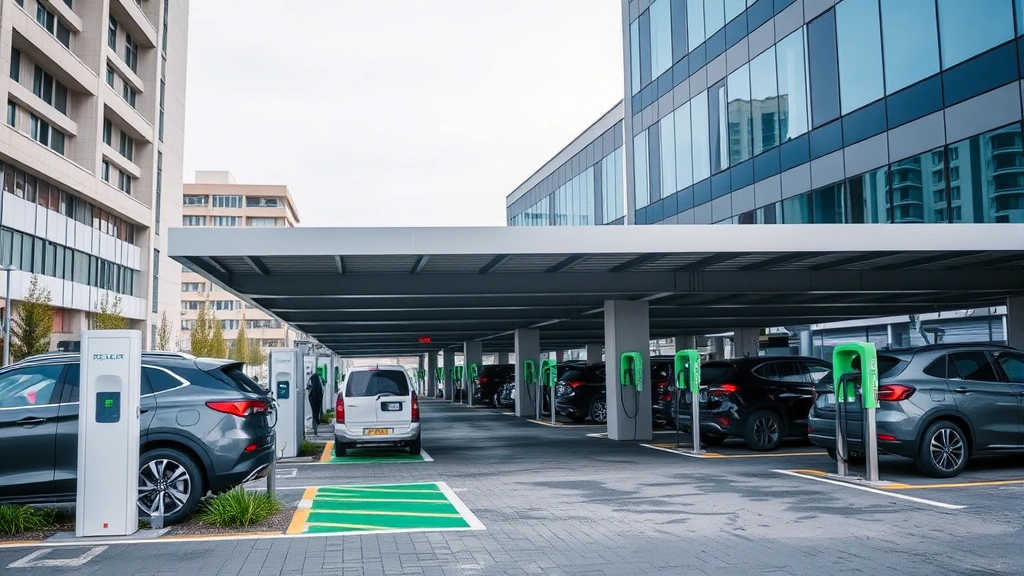
Autonomous Vehicle Integration presents both challenges and opportunities. As self-driving vehicles mature, parking demand may shift from driver convenience to vehicle storage optimization. Smart parking systems will need to accommodate autonomous vehicle pickup and dropoff zones, charging infrastructure for electric vehicles, and dynamic routing to optimal storage locations.
Artificial Intelligence Enhancement moves beyond basic analytics to predictive modeling and autonomous decision-making. Machine learning algorithms can predict demand patterns days in advance, optimize enforcement routes, and identify fraud patterns in real-time.
Integration with Mobility Platforms creates seamless experiences where parking reservations integrate with ride-sharing, public transit, and autonomous vehicle services. Users increasingly expect parking to be one component within broader mobility ecosystems rather than standalone services.
Sustainability Focus drives innovations in electric vehicle charging integration, emissions tracking, and incentives for sustainable transportation choices. Forward-thinking municipalities use parking systems to encourage transit-oriented development and reduce vehicle dependence.
Blockchain Technology Applications are emerging in parking permits, enforcement records, and payment verification. Distributed ledger technology could enhance transparency and reduce fraud in parking operations.
The parking companies achieving sustained competitive advantage will be those that anticipate these trends and invest in flexible, scalable architectures accommodating future innovations. Organizations implementing parking systems today should select providers demonstrating commitment to ongoing innovation and technological evolution.
FAQ
What makes a parking system enterprise-grade?
Enterprise-grade parking systems combine scalability across thousands of spaces, robust security features protecting sensitive payment and customer data, comprehensive reporting and analytics capabilities, and proven reliability with 99.9% uptime standards. They integrate seamlessly with existing property management systems and provide dedicated customer support with service level agreements guaranteeing response times.
How long does parking system implementation typically take?
Implementation timelines vary significantly based on scope and complexity. Simple single-location deployments may require 2-3 months, while enterprise-wide rollouts across multiple properties can extend 6-12 months. Phased implementations allow faster initial deployment with full enterprise functionality achieved over time. Critical factors include hardware procurement lead times, software customization requirements, and organizational change management complexity.
What is dynamic pricing in parking systems?
Dynamic pricing automatically adjusts parking rates based on real-time demand, occupancy levels, time of day, and other variables. When occupancy exceeds target thresholds, prices increase to manage demand; when occupancy falls below targets, prices decrease to encourage usage. This approach optimizes both revenue and space utilization while helping achieve target occupancy rates that maximize throughput.
How do parking systems improve customer experience?
Modern parking systems reduce friction through mobile payment options, real-time availability information, and streamlined reservation processes. Transparent pricing eliminates surprises, while convenient payment methods reduce transaction time. Integration with navigation systems helps drivers locate available spaces quickly, reducing frustration and search time.
What security considerations apply to parking systems?
Parking systems handle sensitive payment information and customer data requiring enterprise-grade security. Leading systems employ encryption, tokenization, PCI-DSS compliance, and regular security audits. Multi-factor authentication protects administrative access, while audit trails track all system activities for compliance and fraud prevention purposes.
Can small operators benefit from professional parking systems?
Yes, parking system benefits scale across property sizes. Small operators gain from reduced manual processes, improved payment collection, and customer convenience features. Cloud-based SaaS models eliminate large capital expenditures, allowing small operators to access enterprise capabilities affordably. Many providers offer tiered pricing accommodating properties from dozens to thousands of spaces.


