
Building a Pet Brand? Expert Advice Inside
The pet industry has evolved into a multi-billion dollar global market, with consumers increasingly willing to invest in premium products and services for their beloved companions. From specialized nutrition to luxury accessories, pet brands are capturing market share by addressing the emotional connection pet owners have with their animals. Whether you’re launching a pet food company, grooming service, or innovative pet tech startup, understanding the strategic foundations of this competitive landscape is essential to success.
Building a thriving pet brand requires more than passion for animals—it demands rigorous market research, clear brand positioning, and a deep understanding of your target customer. Pet owners today are sophisticated consumers who research products extensively, seek community engagement, and value transparency about ingredients, sourcing, and company values. This comprehensive guide will walk you through the critical steps, strategic considerations, and expert insights needed to launch and scale a successful pet brand in today’s dynamic market.
Understanding the Pet Industry Landscape
The pet industry encompasses diverse segments including pet food and nutrition, veterinary services, grooming, pet supplies, pet technology, pet insurance, and pet hospitality. According to the American Pet Products Association, U.S. pet industry spending exceeded $136 billion in recent years, with consistent double-digit growth in premium and specialty categories. This expansion reflects fundamental shifts in how consumers view their pets—increasingly as family members deserving premium care and attention.
Understanding where your pet brand fits within this ecosystem is crucial. The industry divides into several key segments: premium/natural pet food, which commands higher price points due to ingredient quality; specialty nutrition targeting specific health conditions or life stages; pet wellness products including supplements and CBD items; pet technology such as tracking devices and automated feeders; and services ranging from grooming to training to pet sitting.
Market consolidation has intensified, with major corporations acquiring successful pet brands. Mars Petcare, Nestlé Purina, and other conglomerates have spent billions acquiring independent brands, creating both challenges and opportunities for new entrants. However, successful disruptors continue emerging by targeting underserved niches and building authentic brand communities. Before developing your strategy, you should develop a solid business plan template for startups that outlines your competitive positioning.

Defining Your Pet Brand’s Unique Value Proposition
Your value proposition answers a fundamental question: Why should pet owners choose your brand over established competitors? Successful pet brands typically compete on one or more of these dimensions:
- Ingredient Quality and Sourcing: Emphasizing human-grade, organic, locally-sourced, or sustainably-harvested ingredients appeals to health-conscious pet owners
- Specialized Solutions: Targeting specific needs like allergies, digestive issues, weight management, or aging pets creates defensible market positions
- Values Alignment: Sustainability, ethical sourcing, carbon neutrality, or rescue animal partnerships resonate with values-driven consumers
- Innovation: Novel formulations, delivery methods, or product categories that didn’t previously exist
- Community and Education: Building engaged communities through content, expert advice, and user-generated experiences
- Accessibility: Direct-to-consumer models, subscription services, or competitive pricing for premium quality
Consider examining how corporate social responsibility examples apply to pet businesses—many successful brands integrate charitable components, donating portions of proceeds to animal shelters or rescue organizations, creating authentic purpose-driven positioning.
Your value proposition must be specific, measurable, and defensible. Rather than claiming to be “the best” pet food, successful brands articulate precise differentiation: “The only insect-protein dog food for sustainable nutrition,” or “Prescription-strength joint support without veterinary visit requirements.” This clarity helps with everything from product development to marketing messaging.
Market Research and Customer Insights
Rigorous market research precedes every major business decision in pet brand development. Start by segmenting the pet owner market: demographics (age, income, location), psychographics (values, lifestyle, purchasing priorities), pet characteristics (species, breed, age, health status), and behavior patterns (online vs. retail shopping, loyalty to brands, price sensitivity).
Primary research methods include surveys, focus groups, interviews with veterinarians and pet professionals, and ethnographic observation of pet owner behavior. Secondary research leverages industry reports from the Pet Food Institute, American Pet Products Association, and market research firms like Mintel or Euromonitor International. Understanding competitor strategies—their pricing, distribution, marketing messaging, and customer reviews—reveals market gaps and opportunities.
Pet owner psychology differs significantly from other consumer segments. Pet owners exhibit strong emotional attachment, high trust in expert recommendations (veterinarians, trainers, breed clubs), and willingness to pay premium prices for perceived health benefits. However, they also demand transparency, seek social proof through reviews and testimonials, and increasingly research products extensively before purchase. This creates opportunities for brands that provide educational content, third-party certifications, and community engagement.
McKinsey’s research on premium pet product markets indicates that successful brands combine business online marketing strategies with direct consumer relationships, using digital channels to educate and build loyalty. The convergence of e-commerce, social media, and direct-to-consumer models has fundamentally shifted pet brand dynamics, allowing smaller companies to compete with established players.
Creating Your Business Foundation
Launching a pet brand requires establishing robust business fundamentals. Your business plan should outline financial projections, operational requirements, regulatory compliance, and growth milestones. Pet businesses face specific regulatory requirements varying by product category and geography. Pet food manufacturers must comply with FDA regulations, ingredient labeling requirements, and facility standards. Pet supplements face less stringent oversight but should still meet quality standards. Pet services require appropriate licensing, insurance, and sometimes professional certifications.
Capital requirements vary dramatically by business model. A pet grooming salon or training service requires significantly less startup capital than manufacturing pet food, which demands manufacturing facilities, quality control systems, and supply chain infrastructure. Many successful pet brands begin with lower-capital service models or private-label manufacturing arrangements before investing in proprietary production.
Intellectual property protection matters in pet brands. Develop memorable brand names, distinctive logos, and proprietary formulations or processes. Trademark your brand name and logo across key markets. If your competitive advantage includes unique formulations, consider trade secret protection rather than patents, which require public disclosure. Develop standard operating procedures that can be scaled and franchised if that’s part of your growth strategy.
Financial modeling should account for the realities of pet business economics: longer customer acquisition cycles than many industries, high customer lifetime value once loyalty is established, and the importance of repeat purchasing. Many successful pet brands operate on subscription or membership models that create predictable recurring revenue and deeper customer relationships.
Consider leveraging advantages of cloud computing in business for inventory management, customer relationship management, and financial tracking, particularly if you’re operating a direct-to-consumer or omnichannel model.
Building Brand Identity and Positioning
Your brand identity encompasses visual elements (logo, color palette, typography), brand voice (how you communicate), brand values (what you stand for), and the emotional connection you create with pet owners. Successful pet brands often anthropomorphize their pets, using imagery and messaging that speaks to the human-pet bond.
Positioning determines how your brand occupies mental space relative to competitors. Brands might position as premium/luxury, natural/organic, scientific/health-focused, fun/playful, or values-driven. This positioning must be reflected consistently across all touchpoints: packaging, website, social media, customer service, and product experience.
Brand storytelling resonates powerfully in pet categories. Consumers connect with founder stories (why you started the brand), ingredient stories (where components come from), and customer stories (how the product transformed their pet’s life). This narrative dimension helps differentiate commoditized products and justifies premium pricing.
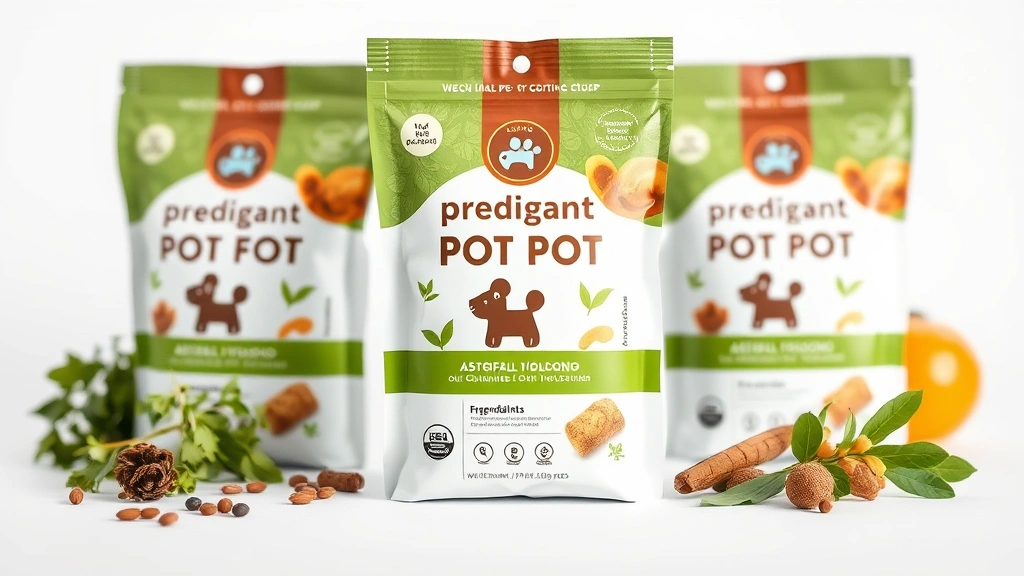
Packaging design serves critical functions: it communicates your positioning, provides required regulatory information, protects product integrity, and creates unboxing experiences that drive social sharing. Pet product packaging should appeal to both the rational decision-maker (the pet owner) and the emotional connection they have with their pet. High-quality photography, transparent ingredient lists, clear usage instructions, and sustainability credentials all influence purchase decisions.
Visual identity should be distinctive enough to stand out on crowded shelves (physical or digital) while remaining authentic to your brand positioning. Many successful pet brands use warm, approachable aesthetics that suggest trustworthiness and care, rather than clinical or overly-commercial imagery.
Digital Marketing and Community Engagement
Modern pet brand success depends heavily on digital marketing excellence. Pet owners are highly engaged on social media, particularly Instagram, TikTok, and Facebook, where they share pet photos and seek product recommendations. Strategic digital marketing approaches for pet brands should include:
- Content Marketing: Educational content about pet health, nutrition, training, and wellness establishes authority and drives organic traffic. Blog posts, videos, podcasts, and guides provide value beyond product promotion
- Influencer Partnerships: Pet influencers with engaged audiences can authentically demonstrate products. Micro-influencers often deliver better engagement and ROI than celebrity pets
- User-Generated Content: Encouraging customers to share photos and stories of their pets using your products creates authentic social proof and community engagement
- Email Marketing: Building email lists enables direct communication with customers, supporting retention and repeat purchases through newsletters, exclusive offers, and educational content
- Paid Social Advertising: Targeted Facebook and Instagram advertising reaches specific pet owner segments with tailored messaging
- Search Engine Optimization: Optimizing for pet-related search queries (breed-specific health issues, nutrition advice, product comparisons) captures high-intent traffic
- Community Building: Creating forums, Facebook groups, or membership programs fosters community among customers, increasing loyalty and generating valuable feedback
According to Harvard Business Review, brands that prioritize customer community and engagement demonstrate 20-40% higher retention rates and significantly higher lifetime value. For pet brands, this might mean creating breed-specific communities, health condition support groups, or training challenge programs that deepen relationships beyond transactional purchases.
Customer service excellence matters tremendously in pet categories, where owners are emotionally invested in their pets’ wellbeing. Responsive, knowledgeable support builds trust and loyalty. Many successful pet brands offer money-back guarantees, recognizing that pet owners need confidence that products will deliver results.
Scaling Your Pet Business
Once you’ve established product-market fit and customer loyalty, scaling becomes the focus. Distribution expansion represents a critical scaling decision: should you pursue retail partnerships with pet specialty stores and major retailers, maintain direct-to-consumer focus, or pursue an omnichannel approach? Each model has distinct advantages and challenges. Retail partnerships provide volume and brand visibility but demand significant marketing support, margin concessions, and loss of direct customer relationships. Direct-to-consumer models maintain higher margins and customer data but require substantial marketing investment to drive traffic.
Supply chain optimization becomes increasingly important as volume grows. Evaluate whether to expand internal manufacturing, partner with contract manufacturers, or pursue hybrid approaches. Quality consistency and scalability must be maintained as production increases. Many successful brands implement rigorous supplier relationships, quality audits, and traceability systems that exceed regulatory requirements, using these as competitive differentiators.
Product line expansion should follow customer demand and strategic intent. Successful pet brands often expand from their core category into adjacent products that serve the same customer base: a dog food brand might expand into treats, supplements, and grooming products. However, expansion must maintain brand coherence and avoid diluting brand positioning through unfocused product proliferation.
International expansion opens significant growth opportunities, particularly in developed markets where pet spending parallels the U.S. However, regulatory requirements, consumer preferences, competitive landscapes, and distribution infrastructure vary dramatically by country. Successful international expansion typically begins with markets with similar regulatory environments and consumer preferences before pursuing more complex markets.
Implementing strong business leadership styles during scaling phases ensures organizational culture and customer focus remain intact as teams grow. Many successful pet brands maintain founder-level engagement with customer feedback and product development, preventing the disconnection from customer needs that often accompanies rapid growth.
Financial management during scaling requires careful attention to unit economics, customer acquisition costs relative to lifetime value, cash flow management (particularly important when expanding distribution or inventory), and appropriate capital raising. Whether through bootstrapping, venture capital, private equity, or strategic partnerships, securing appropriate growth capital at the right valuation matters significantly for long-term success.
FAQ
What are the most profitable pet brand categories?
Premium and specialty pet food, pet supplements and wellness products, and pet technology represent the highest-margin categories. Services like grooming, training, and pet sitting also offer strong margins. The most profitable brands typically combine product sales with community engagement and subscription models that create recurring revenue.
How much capital is required to launch a pet brand?
Capital requirements vary dramatically. Service-based models (grooming, training, pet sitting) can launch with $10,000-50,000. Product-based businesses require more: $50,000-200,000 for direct-to-consumer pet products using contract manufacturing, and $500,000+ for proprietary manufacturing facilities. Many successful brands begin with lower-capital models before expanding.
What certifications or licenses do pet businesses need?
Requirements vary by business type and location. Pet food manufacturers need FDA compliance and facility registration. Pet services (grooming, training, boarding) may require business licenses, health permits, and professional certifications. Pet supplements must comply with FDA regulations for dietary supplements. Consult local and state regulatory agencies for specific requirements.
How do I build customer loyalty in the pet industry?
Successful strategies include: subscription or membership programs that create convenience and savings; educational content that provides value beyond products; community engagement through social media and events; transparency about sourcing and quality; exceptional customer service; and loyalty rewards programs. The strongest pet brand loyalty combines product efficacy with emotional connection and community belonging.
Should I start with direct-to-consumer or retail distribution?
Most successful brands start direct-to-consumer to establish brand identity, gather customer feedback, and build community before pursuing retail partnerships. Direct-to-consumer provides higher margins, direct customer relationships, and valuable data. However, some brands successfully launch through specialty retailers first. The optimal approach depends on your capital availability, marketing expertise, and product category.
How important is sustainability for pet brands?
Sustainability increasingly influences pet owner purchasing decisions, particularly among younger, higher-income demographics. However, it should reflect genuine commitment rather than superficial greenwashing. Sustainable practices—ethical sourcing, eco-friendly packaging, carbon-neutral operations, or rescue animal partnerships—resonate powerfully when authentically implemented and transparently communicated.


