Revitalize Your Studio: Legacy Dance Company Transformation Strategies
A legacy dance company represents decades of artistic excellence, cultural significance, and community impact. Yet many established studios face unprecedented challenges: shifting demographics, evolving entertainment preferences, rising operational costs, and increased competition from boutique fitness studios and digital platforms. The question isn’t whether legacy dance companies can survive—it’s how they can thrive in a fundamentally transformed landscape.
Revitalizing a legacy dance studio requires balancing respect for your heritage with strategic modernization. This means leveraging your institutional credibility while adopting contemporary business practices, technology integration, and audience engagement strategies. The most successful transformations don’t abandon what made your studio valuable; they amplify it through smarter operations, expanded revenue streams, and renewed relevance to new generations of dancers.
This comprehensive guide explores evidence-based strategies for breathing new life into established dance institutions, drawing from business transformation principles, industry research, and case studies of studios that have successfully navigated this critical transition.
Assess Your Current Position: Competitive Analysis and Market Positioning
Before implementing any revitalization strategy, conduct a thorough assessment of your legacy dance company’s current market position. This foundational step determines which initiatives will generate the highest return on investment and which aspects of your operation require immediate attention.
Start by analyzing your competitive landscape. Who are your direct competitors? Beyond other traditional dance studios, consider boutique fitness concepts (Peloton-style dance, aerial yoga studios), online platforms (Alvin Ailey’s digital offerings, Dance With Me), and entertainment alternatives that capture your target demographic’s discretionary spending. Document their pricing, class formats, instructor credentials, facility amenities, and marketing approaches.
Simultaneously, conduct an honest internal audit. Analyze enrollment trends over the past five years, retention rates by program, revenue per square foot, instructor satisfaction scores, and student demographic shifts. According to Harvard Business Review’s strategic planning resources, organizations that regularly assess their competitive position are 3.5 times more likely to successfully execute transformation initiatives.
Your legacy status is simultaneously your greatest asset and your biggest vulnerability. While your reputation attracts serious dancers and families seeking established institutions, it can also position you as “old-fashioned” to younger audiences. The key is repositioning legacy as “heritage with innovation” rather than allowing it to become perceived as outdated.
Survey your current student base, parents, and former students. What specific value do they associate with your studio? Is it the lineage of your faculty? The alumni network? The rigorous training standards? The community culture? These insights should inform your entire revitalization strategy, ensuring you preserve what genuinely differentiates you while modernizing everything else.
Modernize Your Infrastructure and Technology Stack
Legacy dance companies often operate with aging facilities, outdated scheduling systems, and minimal digital presence. Technology modernization isn’t optional—it’s foundational to competitive viability. However, modernization requires strategic sequencing and budget prioritization.
Begin with front-of-house technology that directly impacts student experience and operational efficiency. Implement a modern studio management software platform that integrates scheduling, billing, attendance tracking, and parent communication. Solutions like ClassPass Studio, Mariana Tek, or Dance Studio Pro eliminate manual processes, reduce billing errors, and provide real-time enrollment analytics that inform programming decisions.
Next, establish a professional digital presence. Your website should showcase your heritage through compelling video content featuring alumni achievements, faculty credentials, and student testimonials. Integrate online registration, virtual tour capabilities, and class preview videos. This isn’t vanity—McKinsey research indicates that organizations with sophisticated digital customer interfaces see 20-30% higher customer satisfaction scores.
Develop a hybrid class offering. While in-person instruction remains your core offering, hybrid and virtual classes expand your addressable market. Many legacy studios initially resisted virtual offerings during the pandemic; those that embraced them discovered entirely new revenue streams and audience segments. Offer select classes virtually, create premium on-demand content libraries, and develop master classes with your most renowned faculty members available for streaming.
Invest in facility upgrades that enhance the student experience without requiring complete renovation. Modern lighting systems, improved sound quality, mirrors with better clarity, and climate control create tangible improvements that justify premium pricing. Designate at least one studio space with professional-grade video production capability for recording performances, promotional content, and virtual classes.
Implement a customer relationship management system (CRM) to track student interactions, preferences, and engagement patterns. This enables personalized communication, targeted retention campaigns, and sophisticated audience segmentation for marketing initiatives.
Diversify Revenue Streams Beyond Traditional Classes
Legacy dance companies traditionally rely on monthly tuition from group classes. This revenue model is inherently vulnerable to enrollment fluctuations and creates feast-or-famine cash flow patterns. Successful revitalization requires intentional diversification.
Develop premium offerings that command higher price points. Private lessons, choreography services, competition preparation programs, and intensive workshops attract serious students and generate significantly higher per-student revenue. Create tiered membership models: basic (group classes only), premium (unlimited group classes plus two privates monthly), and elite (unlimited classes, privates, and exclusive masterclasses).
Build performance and competition revenue streams. Host annual showcases, recitals, or galas that generate ticket sales and sponsorship opportunities. Establish a competition team that participates in regional and national competitions, with families paying premium fees for this specialized programming. These initiatives also create compelling marketing content and community prestige.
Explore corporate partnerships and community contracts. Many corporations seek team-building activities; dance workshops and creative movement classes offer unique value propositions. Contract with schools, senior centers, and community organizations to provide classes, generating reliable recurring revenue while expanding your community impact narrative.
Create merchandise and digital product lines. Branded apparel, instructional videos, music compilations, and technique guides provide incremental revenue with minimal marginal cost. Your alumni network represents a particularly valuable audience for nostalgia-driven products and premium content.
Develop summer intensives, camps, and specialized workshops. These concentrated programs generate higher revenue per instructional hour and attract students from broader geographic areas. Partner with visiting choreographers, guest artists, and master teachers to create prestige and exclusivity.
Consider facility rental during off-peak hours. Host other organizations’ classes, rehearsals, or events. This generates additional revenue while building community relationships and raising your facility’s profile.
Implement Business Process Mapping for Operational Efficiency
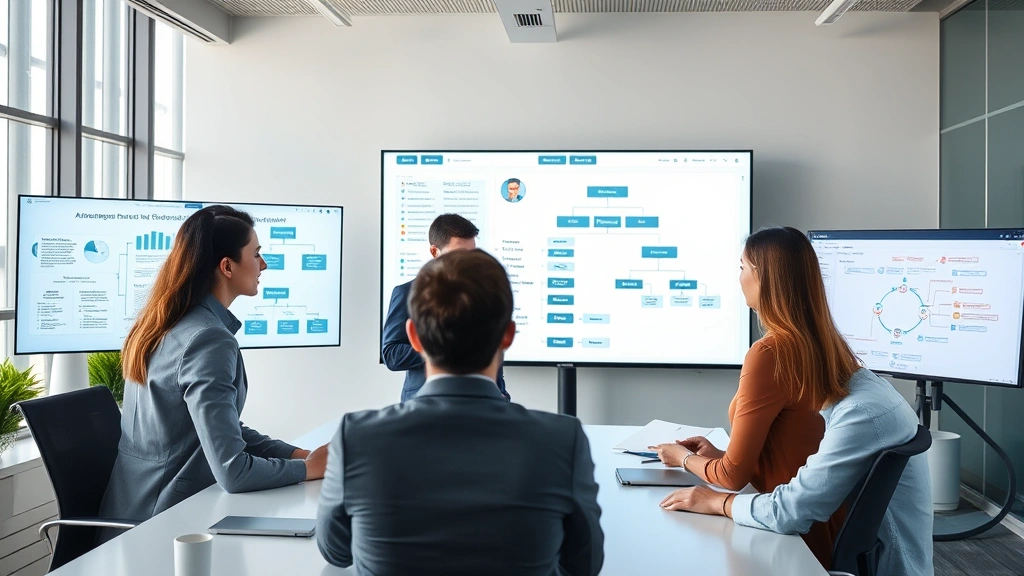
Many legacy dance companies operate with informal, undocumented processes developed organically over decades. This creates inefficiencies, inconsistent quality, and difficulty scaling new initiatives. Business process mapping tools provide structured approaches to identifying operational bottlenecks and redesigning workflows for maximum efficiency.
Map your critical business processes: student enrollment, class scheduling, billing and collections, instructor management, performance logistics, and parent communication. Document each step, identify where manual work creates delays, and recognize where inconsistencies generate errors or customer dissatisfaction.
For example, many studios manually manage waitlists, resulting in lost enrollment opportunities when spots open. A mapped process reveals this inefficiency and enables implementation of automated systems that immediately notify waitlisted families and process registrations in real-time.
Standardize instructor onboarding and evaluation processes. Legacy studios often develop institutional knowledge that lives only in the owner’s mind. Documented processes ensure consistent quality, facilitate instructor development, and create institutional resilience that survives staff transitions.
Implement key performance indicators (KPIs) that track operational health: student retention rates by program, average class utilization, revenue per square foot, instructor satisfaction scores, and customer acquisition cost. These metrics enable data-driven decision-making and reveal which initiatives merit expansion versus elimination.
Create a feedback loop system where students, instructors, and parents regularly provide input on operations. Use this feedback to continuously refine processes. The most successful legacy studios treat operational improvement as an ongoing discipline rather than a one-time initiative.
Build Strategic Partnerships and Community Networks
Isolation is the enemy of revitalization. Legacy dance companies that thrive actively build strategic partnerships and engage in intentional community networking. Meaningful professional connections accelerate business growth, create knowledge-sharing opportunities, and generate partnership revenue.
Establish relationships with complementary service providers: physical therapists, nutritionists, athletic trainers, and mental health professionals. These partnerships create value for your serious students while generating referral relationships and potential revenue-sharing arrangements.
Develop relationships with local schools, performing arts centers, universities, and cultural organizations. These partnerships create performance opportunities, student pathways, collaborative programming, and expanded community visibility.
Join industry associations and actively participate in regional dance networks. These connections provide peer learning, best practice sharing, and professional development opportunities that accelerate your transformation journey.
Build an alumni engagement program that transforms graduates into ambassadors, donors, and returning adult students. Host alumni events, create mentorship opportunities, and develop exclusive alumni programming. Your legacy is most powerfully demonstrated through the achievements of your former students—leverage this narrative intentionally.
Establish corporate sponsorship relationships that provide financial support for performances, scholarships, and facility improvements. Corporations increasingly allocate marketing budgets to community arts partnerships; position your studio as a worthy investment that aligns with their community values.
Develop Your Instructor Talent Pipeline
Your faculty represents your most valuable asset and your greatest operational challenge. Legacy studios often rely on long-tenured instructors whose teaching approaches, while respected, may not reflect contemporary pedagogy or student preferences. Revitalization requires intentional talent development.
Implement a structured instructor development program. Provide professional development opportunities, access to master classes, and continuing education funding. Support instructors pursuing advanced certifications in contemporary teaching methodologies, trauma-informed instruction, and inclusive pedagogy.
Create clear career pathways that incentivize instructors to grow within your organization. Offer opportunities to teach advanced classes, lead specialty programs, mentor junior instructors, and participate in choreographic initiatives. Many talented instructors leave established studios because they perceive limited growth opportunities; structured pathways address this directly.
Recruit emerging talent intentionally. Partner with local universities, attend youth competitions, and actively scout talented young dancers who represent the future of your faculty. Offer apprenticeships, assistant teaching roles, and pathway programs that develop the next generation of instructors while infusing your studio with contemporary energy and perspectives.
Establish competitive compensation structures that retain your best instructors. Conduct market research on instructor pay rates, offer benefits packages that demonstrate institutional investment, and create incentive structures that reward retention, student outcomes, and program innovation.
Implement regular feedback and evaluation processes. Many legacy studios operate with minimal formal feedback mechanisms; this creates uncertainty, stalls professional development, and enables mediocre instruction to persist. Structured evaluation processes, combined with supportive coaching, elevate overall instruction quality.
Create Compelling Marketing and Brand Narratives
Legacy dance companies often underinvest in marketing, relying on reputation and word-of-mouth. While these remain valuable, sophisticated marketing is essential for reaching new student populations and justifying premium pricing.
Develop a clear brand narrative that positions your studio as heritage-plus-innovation. Your story isn’t just historical; it’s about where you’re going. Create content that showcases your alumni achievements, highlights contemporary programming, demonstrates instructor expertise, and documents student transformations.
Build a content marketing strategy across multiple channels. Produce regular video content featuring choreography, technique tips, instructor spotlights, and student testimonials. Share this across social media platforms, your website, and email newsletters. Forbes research demonstrates that organizations utilizing storytelling in their marketing achieve 55% higher engagement rates.
Implement targeted digital advertising campaigns. Use Facebook and Instagram ads to reach specific audience segments: competitive dancers seeking serious training, adult beginners exploring new activities, parents seeking enrichment activities for children, and alumni seeking reconnection opportunities. Tailor messaging and creative assets to each segment.
Create referral incentive programs that reward current students for bringing friends. Word-of-mouth remains powerful; structured referral programs amplify this effect while providing affordable customer acquisition.
Develop a strategic public relations program. Pitch local media on stories about your studio’s history, notable alumni achievements, community impact initiatives, and innovative programming. Media coverage builds credibility and reaches audiences beyond your digital reach.
Host open houses and community events that lower the barrier to trial. Many prospective students never walk through your door because they perceive dance studios as intimidating or exclusive. Welcoming community events, free trial classes, and no-commitment intro programs convert prospects into enrolled students.
FAQ
How long does legacy dance company revitalization typically take?
Meaningful transformation typically requires 18-36 months to implement major initiatives and observe measurable results. Quick wins (technology implementation, marketing improvements) generate momentum within 90 days, while structural changes (revenue diversification, talent pipeline development) require longer timeframes. The most successful studios view revitalization as an ongoing discipline rather than a finite project.
Should legacy dance companies compete on price or premium positioning?
Premium positioning aligns better with legacy studio revitalization. Competing on price erodes margins and positions your studio as undifferentiated. Instead, leverage your heritage, instructor expertise, and alumni network to justify premium pricing. Offer exceptional value through superior instruction, comprehensive programming, and community prestige rather than competing on cost.
How can legacy studios compete with boutique fitness and digital platforms?
Rather than viewing these as threats, integrate them into your strategy. Offer hybrid classes, develop premium digital content, and emphasize aspects of your offering that digital platforms cannot replicate: personalized instruction, community culture, performance opportunities, and mentorship relationships. Your legacy status and established instructor base are competitive advantages that newer platforms cannot easily replicate.
What’s the most important first step in revitalization?
Conduct a comprehensive competitive and operational assessment. Understanding your current position, competitive landscape, and internal capabilities informs every subsequent decision. This foundational analysis prevents misdirected effort and ensures resources are allocated to highest-impact initiatives.
How should legacy studios balance tradition with modernization?
The most successful legacy studios recognize that tradition and modernization are complementary rather than contradictory. Your heritage provides credibility and differentiation; modernization ensures relevance and operational excellence. The balance point is preserving what genuinely differentiates you (quality instruction, alumni network, community values) while modernizing everything else (technology, marketing, facility amenities, programming diversity).