Is G2A Safe for Buying Games? Expert Review
G2A has become one of the largest digital game marketplaces globally, offering millions of gamers access to titles at discounted prices. However, the platform’s safety and legitimacy remain hotly debated topics within the gaming community. This comprehensive review examines G2A’s security measures, seller verification processes, buyer protection policies, and the legitimate concerns that have emerged over the years. Whether you’re considering purchasing Lethal Company on G2A or any other title, understanding the platform’s risks and safeguards is essential for making informed decisions.
The secondary marketplace for digital games operates differently from official storefronts like Steam or Epic Games. G2A acts as a middleman between individual sellers and buyers, which creates unique challenges around authenticity, key validity, and consumer protection. This article provides expert insights into whether G2A is truly safe, what protections exist, and how to minimize risks when purchasing games through the platform.
Understanding G2A’s Business Model
G2A operates as a peer-to-peer marketplace for digital goods, primarily focusing on video game keys and software licenses. The platform’s fundamental model relies on third-party sellers listing game keys at various price points, often significantly below retail prices. This creates an attractive proposition for budget-conscious gamers but introduces complexity around key legitimacy and origin.
The marketplace generates revenue through seller fees, buyer protection insurance options, and premium membership programs. Unlike traditional retailers, G2A doesn’t directly purchase or distribute game keys—it simply provides the infrastructure for transactions. This distinction is crucial because it means G2A has limited direct responsibility for key validity, though the company does implement verification systems to mitigate fraud.
When purchasing Lethal Company on G2A or similar titles, you’re essentially buying from another individual or reseller rather than the official publisher. These sellers may have obtained keys through legitimate channels like regional promotions, bundle deals, or authorized distribution partnerships. However, some keys originate from questionable sources, which is where risks emerge. Understanding this marketplace dynamic helps explain both the competitive pricing and the legitimate safety concerns.
G2A has expanded significantly since its 2012 founding, now operating across multiple countries and supporting numerous payment methods. The platform’s growth reflects genuine consumer demand for discounted digital games, but it has also attracted scrutiny from game developers concerned about lost revenue and fraudulent key generation.
Security Measures and Buyer Protection
G2A implements several security features designed to protect buyers, though their effectiveness remains debated. The platform uses encryption for payment processing, fraud detection algorithms, and seller rating systems. These mechanisms attempt to create a trustworthy environment, but no system is perfectly secure.
Buyer Protection Program: G2A offers a Protection Plan that covers purchases against fraudulent transactions and invalid keys. For a small additional fee, buyers receive insurance that promises refunds if keys don’t work or are revoked. This optional protection is important because it acknowledges the inherent risks in the marketplace. However, filing claims can be time-consuming, and approval isn’t guaranteed.
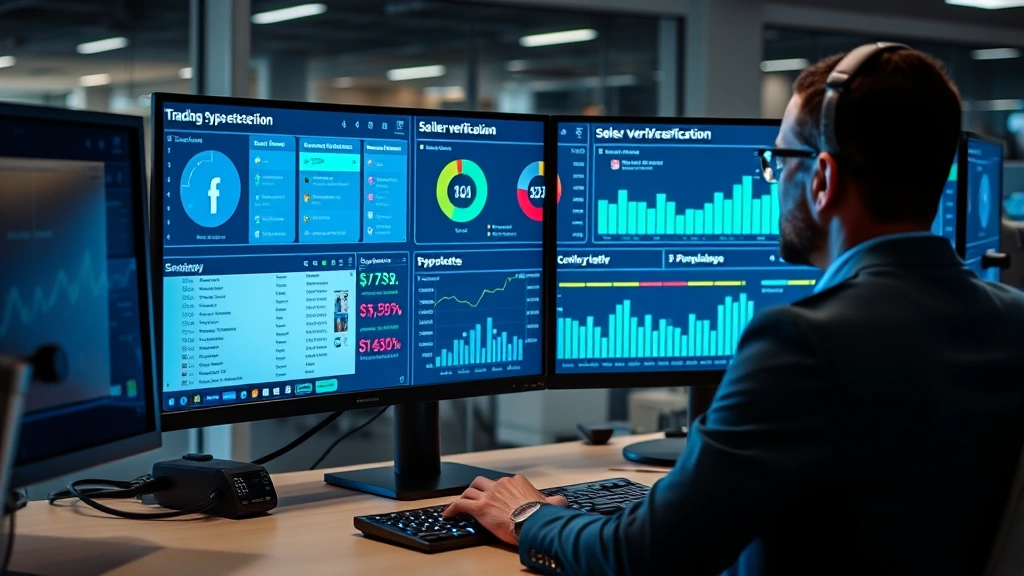
The seller verification process includes account history review, transaction patterns analysis, and user feedback evaluation. Highly-rated sellers with substantial transaction history typically offer more reliable purchases. When buying games, checking seller ratings, review counts, and response times provides valuable risk assessment data. Sellers with thousands of positive reviews represent lower risk than new accounts with limited transaction history.
Payment security at G2A includes support for major credit cards, PayPal, and digital wallets. The platform uses industry-standard SSL encryption and PCI compliance measures. However, payment security differs from key legitimacy—your payment information may be protected while the game key itself remains problematic.
G2A also maintains fraud detection systems that flag suspicious activities, including bulk key purchases, unusual geographic patterns, and chargebacks. These automated systems help identify potentially compromised keys before delivery. The company claims to work with game publishers to verify key authenticity, though publishers often dispute the effectiveness of these efforts.
Risks Associated with G2A Purchases
Despite security measures, legitimate risks exist when purchasing through G2A. Understanding these dangers helps inform purchasing decisions and risk tolerance assessments.
Key Revocation: Publishers occasionally revoke keys purchased through unauthorized channels. If a key was obtained fraudulently or through chargebacks, the publisher may deactivate it even after the game has been activated on your account. This creates situations where games suddenly become unplayable despite successful initial purchases. Lethal Company and other titles sold on G2A have experienced revocation incidents, leaving buyers without recourse.
Fraudulent Keys: Some sellers generate or duplicate keys rather than selling legitimate copies. These keys never activate properly, or work briefly before being flagged as invalid. Detecting fraudulent keys requires attempting activation, which creates time pressure and potential disputes.
Regional Restrictions: Game keys often include regional limitations. A key purchased cheaply from a seller in one region may not activate in your location. G2A’s listings sometimes lack clear regional information, creating confusion and potential purchase disputes.
Chargeback Risks: Sellers occasionally purchase keys with stolen payment methods, then sell them on G2A. When the original cardholder disputes the transaction, the key gets revoked. Buyers who purchased these keys are caught in the middle, losing both the key and their money.
Developer Concerns: Major publishers and indie developers have publicly criticized G2A for facilitating unauthorized key sales that undermine revenue. Some developers have launched campaigns against the platform, claiming it reduces legitimate sales and complicates revenue tracking. This industry opposition raises questions about the ethical implications of purchasing through such marketplaces.
How to Safely Buy Games on G2A
If you choose to purchase through G2A, implementing strategic precautions significantly reduces risks. These practices represent best practices for marketplace transactions.
Seller Selection: Prioritize sellers with extensive positive feedback, high transaction counts, and rapid response times. Look for sellers with 95%+ positive ratings and thousands of completed transactions. New sellers or those with limited history pose substantially higher risk. When buying Lethal Company or similar indie titles, established sellers offer better protection.
Purchase Protection: Always purchase G2A’s Protection Plan. The minimal additional cost provides insurance against invalid keys and fraudulent transactions. Without this protection, you have limited recourse if problems emerge. The protection covers most scenarios where keys fail to activate or get revoked.
Price Verification: Prices significantly below market rates warrant caution. If a game costs 75% less than official storefronts, the key source may be questionable. Compare prices across legitimate retailers to identify realistic discount ranges.
Regional Awareness: Verify that purchased keys work in your geographic region before completing transactions. G2A listings should specify regional restrictions, but checking publisher information provides additional confirmation. Contact sellers directly if regional information seems unclear.
Immediate Activation: Activate game keys immediately after purchase. This reveals problems while seller return windows remain open and disputes can be filed. Don’t assume keys will work later—test them immediately.
Documentation: Keep detailed records of all transactions, including seller information, timestamps, and key codes. This documentation supports protection claims if problems emerge. Screenshots of listings and communications provide evidence for disputes.
Alternatives to G2A
Numerous legitimate alternatives exist for purchasing discounted games, often with better safety guarantees and developer support.
Official Digital Storefronts: Steam, Epic Games Store, GOG, and Origin frequently offer substantial discounts through official sales. These platforms provide absolute key legitimacy and publisher support. Waiting for sales often yields prices comparable to G2A without fraud risks.
Authorized Resellers: Websites like Humble Bundle, Fanatical, and Green Man Gaming operate with publisher authorization. These platforms verify key legitimacy and maintain stronger buyer protections. Prices remain competitive while security is superior to peer-to-peer marketplaces.
Key Reselling Platforms: CDKeys and similar platforms operate with stricter verification standards than G2A. While still reseller-based, these sites implement more rigorous seller vetting and key validation processes. They represent a middle ground between official storefronts and open marketplaces.
Subscription Services: Game Pass, PlayStation Plus, and similar subscriptions provide access to extensive game libraries for monthly fees. This approach eliminates purchase risks entirely while offering exceptional value for players seeking variety.
Publisher Direct: Many developers sell directly through their websites, sometimes offering discounts unavailable elsewhere. Supporting developers directly ensures revenue reaches creators while eliminating intermediary risks. Indie developers particularly appreciate direct purchases.
When evaluating where to buy digital games, comparing risk levels, price differences, and developer support helps identify optimal purchasing strategies. For most users, authorized resellers or official storefronts provide the best balance of affordability and security.
Business Management Perspective: Understanding marketplace dynamics relates to broader business management software principles around vendor evaluation and risk assessment. Companies face similar decisions when selecting suppliers, requiring careful evaluation of reliability, security, and long-term viability.
” alt=”Professional gamer setup with multiple monitors displaying gaming platform interfaces and security verification screens” />
Legal and Ethical Considerations
The legality of G2A purchases exists in a gray area that varies by jurisdiction and specific circumstances. Game keys represent digital licenses with terms of service that restrict resale in many cases. Publishers argue that G2A violates these terms by facilitating unauthorized resales, while the platform contends it operates within legal boundaries.
From an ethical standpoint, purchasing through G2A impacts game developers differently based on key origin. Keys obtained through legitimate regional promotions or authorized channels represent acceptable resales. However, keys purchased with stolen payment methods or generated fraudulently directly harm both developers and legitimate buyers.
Consider supporting independent developers directly when possible. Indie creators often lack the resources to absorb losses from fraudulent key sales or chargebacks. Direct purchases, official storefronts, or authorized resellers ensure developers receive compensation for their work.
Understanding company information and publisher policies helps identify which games you should purchase through alternative channels. Major publishers can absorb marketplace losses, but smaller studios depend on legitimate sales revenue for survival.
G2A’s Response to Criticism
G2A has implemented various initiatives responding to developer and consumer criticism. The company launched a Direct Developer Program allowing publishers to verify and authorize key sales on their platform. This program aims to create legitimacy while addressing developer concerns about unauthorized distribution.
The company has also strengthened fraud detection systems, implemented more rigorous seller verification, and increased protection plan coverage. These improvements acknowledge previous shortcomings while demonstrating commitment to marketplace safety. However, critics argue these measures remain insufficient given the platform’s fundamental peer-to-peer structure.
G2A’s public statements emphasize their role as a marketplace facilitating consumer choice and competitive pricing. The company argues that discounted game access expands the gaming market, particularly in developing economies where full prices exceed local purchasing power. This economic argument holds merit, though it doesn’t eliminate concerns about key legitimacy and developer compensation.
Expert Recommendations
Based on comprehensive analysis, here are expert recommendations for game purchasing decisions:
Use G2A Only If: You understand and accept the risks, primarily purchase from highly-rated established sellers, always purchase protection plans, and verify regional compatibility before buying. For casual gamers unwilling to manage these variables, G2A isn’t recommended.
Avoid G2A For: New or rare games where price differences seem extreme, titles from small indie developers where your purchase significantly impacts revenue, and situations where you lack time to manage potential disputes.
Prefer Alternatives When: Official storefronts offer reasonable sales prices, authorized resellers provide comparable pricing, or you want to ensure developers receive full compensation. These scenarios represent the majority of game purchases.
Research from Harvard Business Review on digital marketplace trust indicates that transparency and verification mechanisms significantly impact consumer confidence. G2A’s continued development of these features demonstrates market pressure toward legitimacy.
Understanding your own risk tolerance, gaming habits, and ethical preferences should guide purchasing decisions. For risk-averse gamers valuing security and developer support, official channels justify the price premium. For budget-conscious players accepting moderate risks, G2A remains viable with proper precautions.
” alt=”Cybersecurity expert analyzing payment fraud patterns on computer screen with data visualization and security alerts” />
Frequently Asked Questions
Before making purchasing decisions, consider consulting company information resources to verify seller credentials and business legitimacy. These tools help identify potentially problematic vendors early.
What happens if a G2A key doesn’t work? Contact the seller immediately requesting a replacement or refund. If the seller doesn’t respond, file a protection claim if you purchased the Protection Plan. G2A will investigate and typically refund your purchase after verification. Without protection, your recourse is limited.
Can game publishers revoke G2A keys? Yes, publishers can revoke keys obtained fraudulently or through unauthorized channels. If your key gets revoked, contact G2A support immediately with proof of purchase. Protection Plan coverage typically covers revocation incidents.
Is it illegal to buy games on G2A? Purchasing games on G2A is legal in most jurisdictions. However, selling fraudulently-obtained keys is illegal. As a buyer, you face minimal legal risk, though you may lose access to games if keys are revoked.
How do G2A prices stay so low? Low prices result from regional pricing variations, bundle key sales, promotional discounts, and unauthorized resales. Sellers purchase keys cheaply in regions with lower prices, then resell in markets with higher prices. This arbitrage creates price differences.
Is G2A safer than other gray market sites? G2A implements stronger verification systems than many competitors, making it relatively safer among peer-to-peer game key marketplaces. However, all gray market platforms carry inherent risks compared to official storefronts.
Should I buy Lethal Company on G2A? Lethal Company is an indie title priced very affordably on official storefronts ($8 on Steam). The discount differential on G2A is minimal, making official purchase recommended. Supporting indie developers directly encourages continued game development.
Frequently Asked Questions
What is G2A’s buyer protection actually worth?
G2A’s Protection Plan provides meaningful coverage for most common issues including invalid keys, revocation, and seller fraud. The protection typically costs $1-2 per purchase and covers the full purchase amount. However, claims require documentation and investigation, which can take time. For purchases over $20, protection becomes increasingly valuable.
How do I know if a G2A seller is trustworthy?
Evaluate sellers based on positive feedback percentage (target 95%+), total transaction count (prefer 1000+), response time metrics, and review content quality. Read recent reviews specifically, as they indicate current performance. Sellers with consistent positive feedback across hundreds or thousands of transactions represent significantly lower risk.
Can I get banned from Steam for using G2A keys?
Steam doesn’t typically ban accounts for purchasing keys through G2A, though using fraudulently-obtained keys violates Steam’s terms of service. If keys are revoked, you lose access to games but won’t face account termination. However, repeated revocations might trigger account review.
What’s the difference between G2A and legitimate resellers?
Legitimate resellers like Humble Bundle and Fanatical operate with publisher authorization and stricter verification standards. These platforms guarantee key legitimacy and maintain stronger accountability. G2A operates as an open marketplace with minimal publisher control, creating higher fraud risk but also lower prices.
Are regional G2A keys worth the savings?
Regional keys work only in specific geographic areas. If you’re in a region where the key doesn’t activate, you’ve wasted money. Always verify regional compatibility before purchasing. The savings rarely justify the risk of region-locked keys, especially when official sales offer comparable pricing.
How do game developers feel about G2A?
Most game developers view G2A negatively, citing lost revenue and fraud-related chargebacks. However, attitudes vary—some developers accept G2A as an inevitable market reality, while others actively campaign against the platform. Supporting developers through official channels shows appreciation for their work.
When considering product roadmap planning for gaming studios, understanding marketplace dynamics and revenue models influences strategic decisions. Publishers increasingly implement anti-resale measures, affecting secondary market availability.
Research from McKinsey & Company on digital commerce security indicates that marketplace transparency and seller accountability directly correlate with consumer trust. G2A’s continued evolution reflects these market pressures.
Final Verdict: G2A is functionally safe for experienced users implementing proper precautions, but carries genuine risks that casual gamers should avoid. The platform operates legally but ethically gray, making individual conscience important in purchasing decisions. For most gamers, official storefronts and authorized resellers provide superior security, developer support, and peace of mind at comparable prices. G2A remains viable for deal-hunting enthusiasts accepting calculated risks and willing to manage potential complications.
Additional resources examining educational technology companies and their security practices provide insights into how platforms implement consumer protection measures. These principles apply across digital marketplaces regardless of specific industry focus.
Visit Forbes Business for additional perspectives on digital commerce security and marketplace evaluation frameworks. Understanding these broader principles helps inform technology purchasing decisions across all sectors.