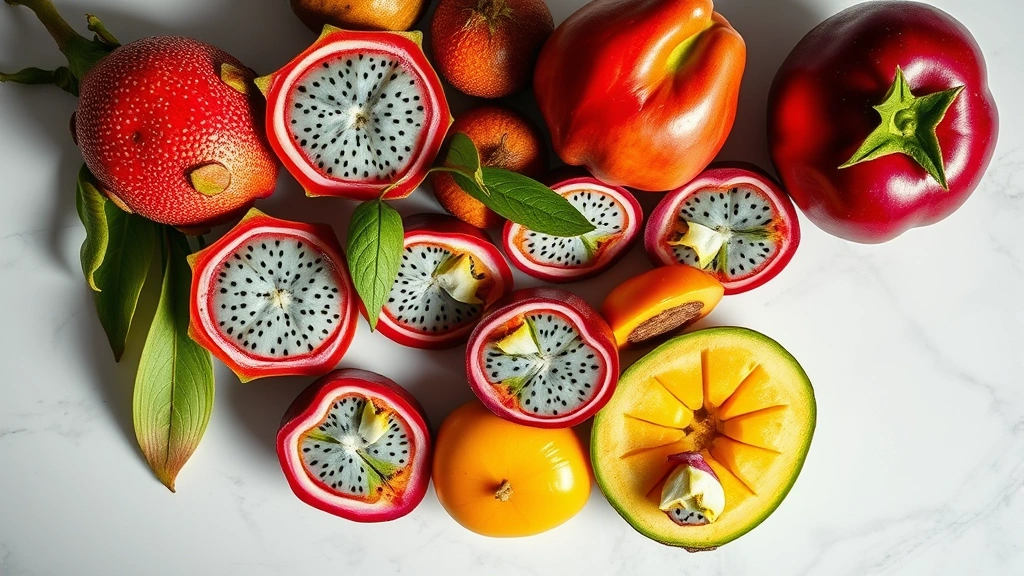
Miami Fruit Company: Boosting Health with Exotic Fruits
The Miami Fruit Company represents a transformative force in the fresh produce industry, specializing in premium exotic fruits that bring nutritional excellence and culinary innovation to health-conscious consumers across North America. Operating at the intersection of agricultural expertise and wellness entrepreneurship, this enterprise has carved out a distinctive market position by sourcing, cultivating, and distributing rare and nutrient-dense tropical fruits that were once considered luxury items. Today, Miami Fruit Company stands as a testament to how strategic business models in the consumer services field can revolutionize access to premium health products.
What distinguishes Miami Fruit Company from conventional produce distributors is their unwavering commitment to quality, sustainability, and nutritional transparency. By leveraging Miami’s strategic geographic position as a global trade hub and Florida’s agricultural heritage, the company has established direct relationships with premium growers throughout Latin America, the Caribbean, and Southeast Asia. This vertical integration approach ensures supply chain control, reduces contamination risks, and guarantees that consumers receive fruits at peak ripeness and nutritional value. The company’s business model exemplifies how modern enterprises can combine business plan templates for startups with scalable operational frameworks to achieve exponential growth.

The Exotic Fruit Revolution: Market Opportunity and Consumer Demand
The global exotic fruit market has experienced remarkable growth over the past decade, driven by increasing consumer awareness of nutritional benefits and the wellness movement’s exponential expansion. According to McKinsey’s consumer insights research, premium fruit consumption has grown at a compound annual growth rate of 8-12% in developed markets, significantly outpacing conventional produce categories. This trend reflects a fundamental shift in consumer behavior, where health-conscious individuals actively seek nutrient-dense superfoods rather than settling for commodity fruits available at traditional supermarkets.
Miami Fruit Company has positioned itself at the forefront of this revolution by recognizing that modern consumers are willing to pay premium prices for fruits offering demonstrable health benefits, superior taste profiles, and transparent sourcing practices. The company targets affluent demographics, health professionals, fitness enthusiasts, and wellness-focused retailers who prioritize nutritional content over price sensitivity. This market segmentation strategy enables the company to maintain healthy profit margins while building brand loyalty among consumers who view food as preventative medicine. The firm’s understanding of digital marketing for small businesses has proven essential in reaching these discerning consumer segments through targeted social media campaigns and influencer partnerships.
The COVID-19 pandemic accelerated demand for immune-boosting fruits, creating unprecedented market opportunities. Miami Fruit Company capitalized on this trend by highlighting the antiviral and immune-supporting properties of fruits like dragon fruit, passion fruit, and mangosteen. E-commerce channels that were previously secondary revenue streams suddenly became critical distribution channels, and the company’s early digital infrastructure investments positioned them to capture significant market share during this critical transition period.
Miami Fruit Company’s Product Portfolio and Sourcing Strategy
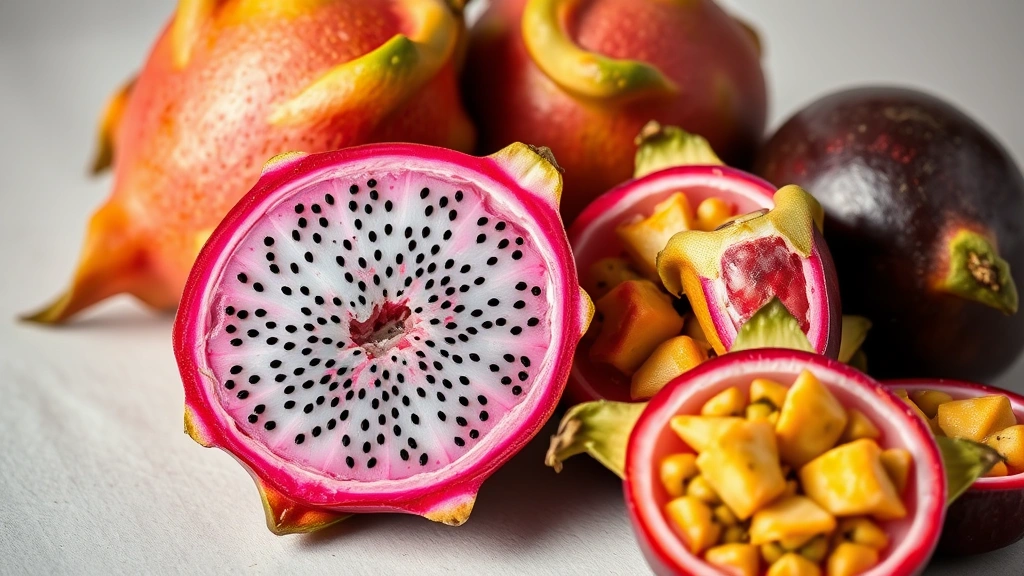
Miami Fruit Company’s product portfolio encompasses an impressive range of exotic fruits, each selected for specific nutritional profiles and market demand characteristics. Their core offerings include dragon fruit (also called pitaya), passion fruit, mangosteen, rambutan, lychee, cherimoya, guanabana, and various specialty citrus varieties. Each fruit category serves distinct market segments: fitness enthusiasts gravitate toward dragon fruit for its low-calorie profile and antioxidant content; traditional medicine practitioners recommend mangosteen for its xanthone compounds; culinary professionals incorporate passion fruit into innovative dishes; and health-conscious parents select lychee for children’s nutritional requirements.
The company’s sourcing strategy represents a masterclass in supply chain optimization. Rather than relying on commodity brokers, Miami Fruit Company maintains direct relationships with approximately 40 premium growers across 12 countries. This approach provides several competitive advantages: consistent quality control, preferential access to premium harvests, ability to implement custom cultivation protocols, and direct feedback mechanisms that inform product development. The company invests heavily in grower partnerships, providing technical assistance, financing for infrastructure improvements, and guaranteed purchase agreements that ensure grower stability and commitment to quality standards. This vertical integration philosophy extends throughout the supply chain, enabling Miami Fruit Company to maintain margins while ensuring ethical labor practices and environmental stewardship.
Traceability represents another critical sourcing component. Each shipment is documented with detailed information regarding origin, harvest date, transportation conditions, and arrival quality metrics. This transparency builds consumer trust and provides regulatory compliance documentation essential for high-volume retail distribution. The company utilizes blockchain-based tracking systems to create immutable records of fruit provenance, allowing consumers to verify sourcing authenticity through QR codes on packaging.
Health Benefits and Nutritional Superiority
The fundamental value proposition of Miami Fruit Company rests on the exceptional nutritional profiles of exotic fruits compared to conventional domestic varieties. Dragon fruit contains significant concentrations of vitamin C, prebiotics, and antioxidants while maintaining minimal caloric density—approximately 60 calories per 100-gram serving. Mangosteen offers xanthone compounds with documented anti-inflammatory properties that have attracted significant research interest from academic institutions and pharmaceutical companies exploring natural anti-inflammatory interventions.
Passion fruit delivers an impressive micronutrient profile including vitamin A, potassium, magnesium, and fiber, with particular benefits for digestive health and metabolic regulation. Harvard Medical School research has documented the cardiovascular benefits associated with passion fruit consumption, particularly regarding blood pressure regulation and cholesterol management. Guanabana (soursop) has been traditionally used in Latin American medicine and contains alkaloid compounds that have attracted interest from researchers investigating natural cancer-fighting properties, though clinical evidence remains preliminary.
Miami Fruit Company distinguishes itself by publishing detailed nutritional analysis reports for each product batch, often exceeding regulatory requirements. These reports include macronutrient breakdowns, micronutrient concentrations, antioxidant capacity measurements (ORAC values), and relevant scientific research citations. This transparency strategy appeals to health professionals, nutritionists, and sophisticated consumers who demand evidence-based claims rather than marketing hyperbole. The company partners with university research programs to conduct ongoing studies on bioavailability and health outcomes, creating proprietary research that supports marketing claims while advancing scientific understanding of exotic fruit benefits.
Distribution Network and Market Expansion
Miami Fruit Company’s distribution strategy employs a multi-channel approach that balances direct-to-consumer e-commerce with wholesale relationships to premium retailers, health-focused restaurants, and specialty food distributors. The company operates a sophisticated logistics network that prioritizes speed and quality preservation. Temperature-controlled transportation, specialized packaging materials, and expedited delivery schedules ensure that fruits arrive at consumer destinations in optimal condition, maintaining nutritional integrity and visual appeal.
The company’s e-commerce platform represents a significant competitive advantage, enabling direct relationships with end consumers and valuable data collection regarding preferences, purchasing patterns, and satisfaction metrics. Subscription box models have proven particularly successful, with customers receiving curated fruit selections delivered bi-weekly or monthly. This recurring revenue model provides predictable cash flow while building customer lifetime value through convenience and discovery experiences.
Wholesale expansion has proceeded strategically, focusing initially on premium retailers in major metropolitan areas with high concentrations of affluent, health-conscious consumers. Partnerships with Whole Foods Market, specialty health food stores, and upscale restaurants have created powerful brand visibility and third-party validation of quality claims. The company has also established relationships with corporate wellness programs, providing exotic fruits to companies prioritizing employee health initiatives. This B2B channel has expanded rapidly, with Miami Fruit Company now supplying fruits to over 200 corporate clients implementing comprehensive wellness programs.
Geographic expansion follows a deliberate methodology, with the company identifying markets based on demographic analysis, competitive intensity, and logistics feasibility. Initial focus on East Coast metropolitan areas (Miami, New York, Boston, Washington DC) provided operational efficiency and brand-building opportunities. Subsequent expansion into California, Pacific Northwest, and Chicago markets leveraged successful operational models while adapting to regional preferences and competitive dynamics. International expansion into Canada has begun, with plans to enter European markets pending regulatory harmonization and logistics optimization.
Sustainability and Ethical Sourcing Practices
Miami Fruit Company’s commitment to sustainability extends beyond marketing rhetoric to fundamental operational philosophy. The company recognizes that long-term business success depends on environmental preservation and social responsibility in producing regions. This commitment manifests through multiple initiatives: organic certification for an expanding percentage of sourced fruits; support for shade-grown cultivation methods that preserve biodiversity; investment in water conservation infrastructure in producing regions; and premium pricing that ensures fair compensation for agricultural workers.
The company has implemented a comprehensive sustainability scorecard for all grower partners, assessing practices across environmental impact, labor practices, community engagement, and economic viability dimensions. Growers achieving highest sustainability ratings receive preferential purchasing agreements, technical assistance funding, and marketing recognition. This incentive structure has driven meaningful improvements in producing regions, with participating farms reducing water consumption by an average of 22%, eliminating synthetic pesticide use, and implementing comprehensive worker benefit programs.
Packaging sustainability represents another critical focus area. Miami Fruit Company has transitioned to compostable shipping materials, recyclable cardboard sourced from certified sustainable forests, and minimal plastic components. The company offsets carbon emissions from transportation through investments in reforestation projects in Latin America, creating positive environmental impact while supporting communities in producing regions. This integrated approach to sustainability resonates strongly with environmentally conscious consumers and provides differentiation in premium market segments.
Digital Marketing and Consumer Engagement
Miami Fruit Company’s digital marketing strategy leverages multiple channels to build brand awareness, establish thought leadership, and drive direct sales. The company maintains an active social media presence across Instagram, TikTok, and YouTube, featuring educational content regarding nutritional benefits, recipe inspiration, cultivation practices, and grower spotlights. This content marketing approach positions Miami Fruit Company as an authoritative voice in exotic fruit nutrition rather than a transactional retailer.
Influencer partnerships with nutritionists, fitness professionals, and wellness advocates have amplified brand reach significantly. Rather than pursuing traditional celebrity endorsements, the company partners with micro-influencers and health professionals whose audiences align precisely with target demographics. These partnerships emphasize authentic product integration and educational value rather than promotional messaging, building credibility and driving conversion rates that exceed industry benchmarks.
Email marketing campaigns deliver personalized content based on customer purchase history, preferences, and engagement patterns. The company utilizes sophisticated segmentation strategies to deliver relevant information: fitness enthusiasts receive performance nutrition content; parents receive child nutrition and recipe ideas; health professionals receive scientific research summaries and clinical applications. This personalization approach yields significantly higher engagement rates and customer lifetime value compared to generic mass marketing approaches.
The company’s website functions as a comprehensive educational platform, featuring detailed product information, scientific research summaries, recipe databases, nutritionist interviews, and grower profiles. This content-rich approach enhances search engine optimization while providing genuine value to visitors, driving organic traffic growth and establishing Miami Fruit Company as a trusted information source in the exotic fruit category.
Competitive Advantages in the Premium Produce Market
Miami Fruit Company’s sustainable competitive advantages derive from multiple reinforcing factors that create formidable barriers to entry for potential competitors. The company’s established relationships with premium growers across multiple countries create supply security and cost advantages that new entrants cannot easily replicate. These relationships developed over years of consistent purchasing, fair compensation, and technical partnership, creating trust-based connections that transcend simple transactional relationships.
Operational expertise in logistics and quality preservation represents another significant advantage. The company has invested substantially in cold chain infrastructure, specialized packaging technology, and quality monitoring systems that ensure consistent product excellence. Replicating this expertise requires substantial capital investment and operational learning, creating natural barriers for competitors lacking established infrastructure.
Brand equity and consumer trust constitute perhaps the most valuable competitive asset. Miami Fruit Company has invested years in building reputation for quality, transparency, and reliability. This brand equity translates directly into pricing power, customer loyalty, and reduced customer acquisition costs compared to new market entrants lacking established credibility.
The company’s vertical integration across sourcing, logistics, quality control, and direct-to-consumer distribution creates operational efficiencies and margin advantages unavailable to competitors relying on fragmented supply chains. This integrated model enables rapid response to market opportunities and quality issues while maintaining cost discipline.
Finally, the company’s commitment to research partnerships and scientific validation of health claims creates proprietary knowledge and marketing differentiation. As regulatory scrutiny of health claims increases, companies with scientific backing will possess significant advantages over competitors making unsupported assertions.
FAQ
What fruits does Miami Fruit Company specialize in?
Miami Fruit Company sources and distributes premium exotic fruits including dragon fruit, passion fruit, mangosteen, rambutan, lychee, cherimoya, and guanabana. Each fruit is selected for specific nutritional profiles and market demand characteristics. The company maintains relationships with growers across 12 countries to ensure consistent access to premium varieties.
How does Miami Fruit Company ensure fruit quality and freshness?
The company employs comprehensive quality control protocols including temperature-controlled transportation, specialized packaging, blockchain-based traceability systems, and detailed nutritional analysis for each batch. Fruits are harvested at peak ripeness and delivered to consumers within precise timeframes to maximize nutritional content and visual appeal.
Are Miami Fruit Company products organic?
An expanding percentage of Miami Fruit Company’s sourced fruits carry organic certification. The company maintains a sustainability scorecard assessing all grower partners on environmental impact, labor practices, and cultivation methods. Customers can access detailed information about specific fruit sourcing and certification status through the company website.
How can I purchase Miami Fruit Company fruits?
Fruits are available through the company’s e-commerce platform offering subscription boxes and individual orders, wholesale partnerships with premium retailers and specialty stores, and corporate wellness programs. The website enables customers to browse products, access nutritional information, and arrange delivery throughout North America.
What health benefits do exotic fruits provide compared to conventional produce?
Exotic fruits typically offer superior nutritional profiles including higher concentrations of antioxidants, vitamins, minerals, and specialized compounds like xanthones and alkaloids. Miami Fruit Company publishes detailed nutritional analysis and scientific research supporting specific health claims for each fruit variety.
Does Miami Fruit Company operate sustainably?
Sustainability represents a core operational principle encompassing organic certification, water conservation, fair labor practices, carbon offset programs, and compostable packaging. The company has achieved average 22% water consumption reduction among grower partners and maintains comprehensive environmental impact assessments.


