NYC Pizza Company Trends: Local Business Insights and Market Analysis
New York City’s pizza industry represents one of the most dynamic and competitive food service sectors in America. With thousands of pizzerias operating across the five boroughs, the NYC pizza company landscape continues to evolve with changing consumer preferences, technological innovation, and economic pressures. From traditional coal-fired brick ovens in Brooklyn to modern fast-casual concepts in Manhattan, the pizza business in NYC reflects broader trends in urban food entrepreneurship, supply chain management, and customer engagement strategies.
The pizza market in New York City generates billions in annual revenue and employs tens of thousands of workers across production, distribution, and retail operations. Understanding the current trends affecting NYC pizza companies provides valuable insights for entrepreneurs, investors, and business professionals looking to enter or expand within this competitive vertical. This comprehensive analysis explores the key drivers reshaping the industry, from sustainability initiatives to digital transformation and changing consumer demographics.
Market Growth and Economic Impact of NYC Pizza Companies
The New York City pizza market has demonstrated remarkable resilience and growth over the past five years, despite economic headwinds and the COVID-19 pandemic’s disruption to food service operations. Industry analysts estimate that the NYC pizza sector generates approximately $3.2 billion in annual revenue, with growth rates averaging 4-6% annually. This expansion reflects both the establishment of new independent pizzerias and the aggressive expansion strategies employed by larger regional and national chains entering the New York market.
Economic impact extends far beyond direct pizza sales. The pizza industry supports ancillary businesses including ingredient suppliers, equipment manufacturers, delivery services, and real estate owners who lease commercial kitchen space. Harvard Business Review research indicates that food service sectors like pizza generate approximately 1.5 indirect jobs for every direct employee position created. This multiplier effect makes pizza company growth particularly significant for local economic development in neighborhoods throughout NYC.
Real estate dynamics significantly influence pizza company success and expansion possibilities. Premium location costs in Manhattan, Brooklyn, and Queens have pushed many new pizza ventures toward secondary neighborhoods and outer boroughs where rent remains more manageable. This geographic distribution has democratized pizza entrepreneurship, allowing smaller operators to establish footholds in underserved markets. Understanding commercial real estate trends and lease negotiation strategies has become essential knowledge for pizza company founders and operators.
Technology Integration in Pizza Operations
Digital transformation represents one of the most significant operational trends affecting NYC pizza companies. Modern pizzerias increasingly implement sophisticated point-of-sale systems, inventory management software, and customer relationship management platforms that enable data-driven decision-making. These technology investments improve operational efficiency, reduce waste, and enhance customer experience through personalized marketing and streamlined ordering processes.
Delivery platform integration has fundamentally altered how NYC pizza companies reach customers and manage order fulfillment. Third-party platforms including DoorDash, Grubhub, and Uber Eats now generate 30-40% of revenue for many pizzerias, fundamentally changing business models and profit margins. Pizza companies must carefully evaluate the tradeoffs between platform visibility and commission costs, often ranging from 15-30% of order value. Some leading NYC pizza companies have developed proprietary delivery infrastructure or invested in business communication tools enhancing workplace collaboration to manage multiple revenue channels simultaneously.
Mobile ordering applications and online reservation systems have become standard expectations for NYC pizza companies competing in premium market segments. Customers increasingly expect frictionless digital experiences, from browsing menus to tracking delivery status in real-time. Pizza companies that fail to invest in user-friendly digital interfaces risk losing market share to more technologically sophisticated competitors. Advanced analytics capabilities derived from these platforms provide invaluable customer behavior insights that inform menu development, pricing strategies, and promotional campaigns.
Sustainability and Local Sourcing Trends
Environmental consciousness and sustainability practices have emerged as significant differentiators within the NYC pizza market, particularly among younger consumers and affluent neighborhoods. Progressive pizza companies increasingly prioritize business sustainability practices including locally-sourced ingredients, organic products, and eco-friendly packaging materials. These initiatives appeal to environmentally conscious consumers willing to pay premium prices for products aligned with their values.
Local sourcing strategies create competitive advantages for NYC pizza companies by reducing supply chain complexity, supporting community relationships, and enabling compelling marketing narratives. Pizzerias highlighting relationships with specific farms, dairies, and producers in the tri-state region differentiate themselves in crowded markets. McKinsey research on food service sustainability demonstrates that consumers increasingly research supply chain practices before making purchasing decisions, particularly in urban markets like New York City.
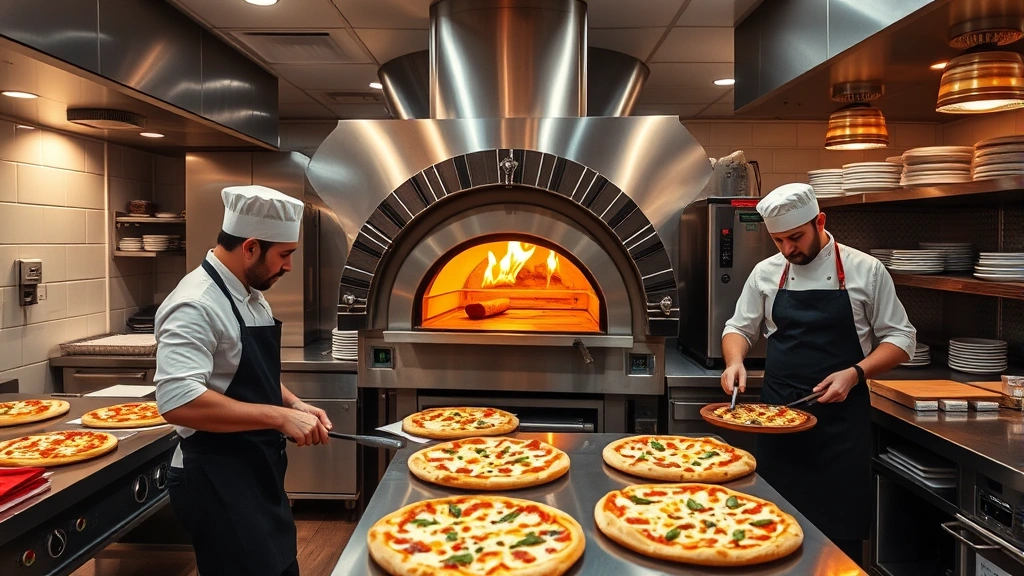
Waste reduction and energy efficiency initiatives provide both environmental benefits and direct cost savings for pizza operations. Modern wood-fired ovens incorporate advanced efficiency technologies reducing fuel consumption while maintaining traditional flavor profiles. Composting programs, recycling initiatives, and responsible water management practices lower operational costs while supporting brand positioning as environmentally responsible businesses. Some leading NYC pizza companies have achieved carbon neutrality certifications, creating marketing advantages and potential eligibility for municipal sustainability incentives.
The intersection of sustainability and profitability has created new opportunities for innovation within the pizza sector. Pizza companies that successfully integrate sustainable practices throughout their operations often report improved employee retention, stronger community relationships, and premium pricing power. However, sustainability initiatives require upfront capital investment and ongoing commitment, making them more accessible to well-capitalized companies or those with strong investor support focused on long-term value creation.
Consumer Preferences and Menu Innovation
Consumer preferences within the NYC pizza market reflect the city’s extraordinary diversity and cosmopolitan food culture. While traditional New York-style pizza remains the dominant category, specialized concepts including Neapolitan, Detroit-style, pan pizza, and innovative fusion approaches have captured significant market share. Pizza companies must balance heritage and authenticity with innovation and experimentation to appeal to diverse customer segments with varying expectations and price sensitivities.
Health-conscious consumer trends have driven menu expansion beyond traditional pizza offerings. Leading NYC pizza companies now feature salads, vegetable-forward appetizers, whole grain or cauliflower crust options, and lighter protein preparations. These menu expansions serve multiple strategic purposes: they attract health-conscious customers, increase average transaction value through higher-margin sides, and reduce dependence on single-category revenue streams. Forbes reports that pizza companies successfully implementing comprehensive menu diversification achieve 15-25% higher profitability than single-focus competitors.
Dietary accommodation has become essential for pizza companies serving NYC’s diverse population. Vegan cheese alternatives, gluten-free crusts, and allergen-friendly options now represent non-negotiable menu requirements rather than optional differentiators. Companies investing in high-quality alternatives that match or exceed traditional product experiences build customer loyalty across dietary communities. The economic opportunity extends beyond individual transactions—customers with specific dietary needs often become brand advocates, enthusiastically recommending restaurants that accommodate their requirements.
Premium ingredient offerings and experiential differentiation drive higher margins and customer retention. NYC pizza companies increasingly highlight specialty ingredients including imported cheeses, house-made sauces, locally-foraged toppings, and artisanal cured meats. These premium offerings enable 20-40% price premiums compared to standard menu items while creating compelling storytelling opportunities for marketing and customer engagement.
Supply Chain and Vendor Relationships
Effective supply chain management directly impacts profitability and operational consistency for NYC pizza companies. The competitive landscape for ingredient sourcing has intensified, with pizza companies competing for limited supplies of premium cheeses, specialty flours, and quality tomatoes. Building strong relationships with reliable vendors provides competitive advantages including preferential pricing, priority allocation during supply constraints, and collaborative product development opportunities.
Ingredient sourcing complexity has increased substantially due to supply chain disruptions, inflation in key commodity categories, and changing import regulations affecting specialty products. Sophisticated pizza companies employ procurement specialists who monitor commodity markets, negotiate contracts strategically, and maintain relationships with multiple vendors to mitigate supply disruption risks. The ability to quickly pivot ingredient sources without compromising product quality has become a critical operational capability.
Many NYC pizza companies explore backward integration strategies, developing direct relationships with farms, mills, and producers to secure supply reliability and pricing advantages. These relationships require investment in relationship management and often involve longer-term commitments, but provide substantial benefits including supply security, product differentiation, and authentic storytelling capabilities. Understanding companies that donate to nonprofits through sustainable sourcing initiatives reveals how supply chain relationships extend into community engagement and social responsibility dimensions.
Competition and Market Consolidation
The NYC pizza market exhibits intense competition characterized by low barriers to entry, substantial existing competition, and increasing sophistication among competitors. This environment creates both opportunities for innovative new entrants and challenges for established operators. Consolidation trends indicate that larger, better-capitalized pizza companies are acquiring independent operators, creating regional multi-unit chains with operational scale advantages.
Market consolidation enables pizza companies to achieve cost efficiencies through centralized purchasing, shared marketing investments, and operational standardization. However, consolidation also risks eroding the authenticity and local distinctiveness that differentiate successful independent pizzerias. Leading consolidated pizza companies balance standardization and local autonomy, maintaining brand consistency while allowing individual locations to adapt to neighborhood preferences and local market conditions.
Competitive differentiation increasingly depends on factors beyond basic pizza quality. Brand positioning, customer experience, digital capabilities, community relationships, and operational excellence collectively determine market success. Pizza companies competing primarily on price face margin compression and commoditization risks, while those differentiating through quality, innovation, and customer experience build sustainable competitive advantages supporting premium pricing and customer loyalty.
Workforce Management Challenges
Labor availability and cost represent critical operational challenges for NYC pizza companies. New York’s minimum wage and prevailing wage requirements, combined with tight labor markets in the food service industry, create substantial payroll pressures. Pizza companies must recruit and retain skilled pizza makers, kitchen staff, and customer service personnel in a competitive environment where alternative employment opportunities abound.
Workforce development and training investments distinguish successful pizza companies from struggling competitors. Companies that invest in employee development, create clear career progression pathways, and foster positive workplace cultures achieve superior retention rates and operational performance. Understanding advantages of a sole proprietorship versus corporate structures informs workforce management approaches, particularly for founders evaluating business structure decisions that impact employment relationships and operational flexibility.
Operational technology increasingly supplements human labor, with automated dough production systems, advanced ovens with programmable controls, and robotic pizza assembly systems entering the market. While full automation remains impractical for high-quality pizza production, selective automation of routine tasks can improve consistency, reduce labor requirements, and enhance operational efficiency. Pizza companies must strategically evaluate automation investments against customer expectations for artisanal, hand-crafted products.
Benefits and compensation structures influence pizza company competitiveness in talent markets. Progressive companies offer health insurance, retirement benefits, and performance incentives that attract and retain higher-quality employees. These investments increase operational costs but often generate returns through improved quality, reduced turnover, and enhanced customer experiences driven by motivated, skilled staff.
” alt=”Modern pizza restaurant kitchen with professional equipment and staff collaboration”>
Marketing and Community Engagement Strategies
Successful NYC pizza companies invest substantially in marketing and community engagement to build brand awareness and customer loyalty. Social media platforms provide cost-effective channels for showcasing products, sharing behind-the-scenes content, and building communities around shared passion for pizza culture. Instagram and TikTok particularly drive pizza company visibility through visual storytelling and user-generated content from satisfied customers.
Local community engagement creates authentic brand differentiation and builds customer loyalty that transcends transactional relationships. Pizza companies sponsoring neighborhood events, supporting local nonprofits, and participating in community initiatives develop reputational advantages and customer affinity. These relationships prove particularly valuable during competitive challenges or operational difficulties, as community-connected businesses enjoy greater customer forgiveness and support.
Loyalty programs and customer retention strategies directly impact profitability and customer lifetime value. Digital loyalty programs track purchase history, enable personalized promotions, and create incentives for repeat patronage. Pizza companies leveraging customer data effectively achieve 25-40% higher retention rates compared to competitors lacking sophisticated customer engagement programs. Geographic considerations also matter—companies with strong neighborhood presence and local market knowledge often outperform national chains lacking community roots.
Financial Performance and Profitability Metrics
Pizza company profitability depends on multiple interconnected factors including location, operational efficiency, pricing strategy, and cost management. Successful independent pizzerias typically achieve gross margins of 65-75%, with net margins ranging from 10-20% after accounting for labor, rent, utilities, and administrative expenses. These margins vary significantly based on location, concept type, and operational sophistication.
Unit economics vary substantially between delivery-focused concepts, dine-in establishments, and hybrid models. Delivery-focused operations reduce real estate costs but face higher commission expenses and operational complexity managing multiple platforms. Dine-in concepts generate higher per-transaction revenue and customer data but require premium locations with higher rent. Hybrid models balance multiple revenue streams but introduce operational complexity requiring sophisticated management.
Financial planning and projections should incorporate seasonal variation, with many NYC pizza companies experiencing summer peaks and winter valleys. Successful operators develop strategies to smooth revenue fluctuations through seasonal menu items, promotional campaigns, and operational adjustments. Understanding financial dynamics and implementing disciplined cost management practices separate thriving pizza companies from those struggling with profitability despite solid sales.

” alt=”Diverse customers enjoying pizza at casual neighborhood restaurant setting”>
Future Outlook and Emerging Opportunities
The NYC pizza industry faces continued evolution driven by technological innovation, changing consumer preferences, and economic factors. Companies that successfully adapt to these changes while maintaining quality and authenticity will thrive, while those resisting change risk irrelevance. Key opportunities include ghost kitchen concepts reducing real estate requirements, premium experiential offerings commanding higher prices, and technology-enabled operational excellence.
For entrepreneurs considering entry into the NYC pizza market, success requires understanding local market dynamics, developing differentiated concepts, securing adequate capitalization, and executing operational excellence. Resources like Tennessee company search and Alabama company search tools help entrepreneurs understand how pizza companies structure operations across different markets. NYC-specific considerations including real estate costs, labor regulations, and competitive intensity demand particular attention during business planning phases.
The convergence of technology, sustainability, and consumer preferences creates unprecedented opportunities for innovative pizza companies willing to experiment while respecting pizza traditions. Success requires balancing heritage with innovation, quality with efficiency, and growth ambitions with community integration. Pizza companies excelling across these dimensions will define the future of New York’s iconic food industry.
FAQ
What are the primary revenue streams for NYC pizza companies?
NYC pizza companies generate revenue through dine-in service, delivery via proprietary systems and third-party platforms, catering services, and ancillary product sales including beverages, sides, and merchandise. Leading companies diversify across multiple channels to reduce dependence on any single revenue source and maximize customer reach.
How do NYC pizza companies differentiate in a competitive market?
Successful differentiation strategies include specialty ingredient sourcing, authentic preparation methods, innovative menu offerings, superior customer experience, strong community engagement, and operational excellence. Companies competing primarily on price face commoditization risks, while those emphasizing quality and distinctiveness command premium pricing.
What are typical startup costs for opening an NYC pizza company?
Startup costs vary substantially based on location, concept, and equipment selections. Independent pizzerias typically require $300,000-$800,000 in initial investment, while larger concepts or premium locations may require $1-2 million. Detailed financial planning including rent, equipment, permits, and working capital is essential before launching.
How do labor costs impact pizza company profitability?
Labor represents 25-35% of revenue for most NYC pizza companies, making it one of the largest expense categories. New York’s minimum wage requirements and tight labor markets create significant payroll pressures. Companies investing in automation, operational efficiency, and employee retention programs can better manage labor costs.
What role do delivery platforms play in pizza company revenue?
Third-party delivery platforms now generate 30-40% of revenue for many NYC pizzerias. However, platform commissions ranging from 15-30% substantially reduce profitability. Successful companies carefully evaluate platform participation, develop proprietary delivery capabilities where feasible, and optimize menu pricing to account for commission expenses.