
Need a Pool Table Moved? Expert Tips Inside
Moving a pool table is far more complex than sliding furniture across a room. Whether you’re relocating your home, upgrading your game room, or repositioning equipment for a commercial establishment, understanding the intricacies of pool table relocation is essential. A pool table represents a significant investment—often ranging from $1,000 to $10,000 or more—and improper handling during a move can result in costly damage to the slate surface, frame, and felt.
The decision to hire a professional pool table moving company versus attempting a DIY move can make the difference between preserving your equipment and facing expensive repairs. This comprehensive guide explores everything you need to know about moving a pool table safely, efficiently, and cost-effectively.
Why Professional Pool Table Movers Matter
Moving a pool table requires specialized knowledge and equipment that goes beyond standard furniture moving services. The slate playing surface—typically weighing between 400 and 1,000 pounds depending on table size—demands expert handling. Even minor impacts can create invisible fractures that compromise gameplay and table value.
Professional movers understand the physics of weight distribution, leverage points, and protective padding techniques. They possess industrial-grade equipment including specialized dollies, slate moving blankets, and reinforced crates designed specifically for pool table transportation. When you hire a reputable pool table moving company, you’re investing in expertise that protects your equipment and saves time.
According to industry standards established by the Billiard Congress of America, improper moving techniques can result in slate damage requiring replacement costs exceeding $800-$2,000. Professional movers carry liability insurance, protecting you financially if accidents occur. This protection alone justifies the service investment for valuable tables.
Understanding Pool Table Structure and Components
Before moving a pool table, understanding its construction helps you appreciate why professional handling is critical. Modern pool tables consist of several key components:
- Slate Surface: The playing surface, usually one piece or three-piece construction, provides the level, consistent playing field. Slate is extremely brittle and susceptible to cracking under stress.
- Frame Structure: Typically made from wood or metal, the frame supports the slate and must remain perfectly squared to maintain proper table geometry.
- Felt Cover: The cloth surface requires careful handling to avoid tears, wrinkles, or permanent creasing that affects ball roll.
- Rails and Pockets: These components must be removed and stored separately to prevent damage during transport.
- Legs: Support legs vary in construction and attachment methods, requiring careful disassembly to avoid structural damage.
Understanding these components explains why a pool table move involves more than basic furniture relocation. Each element requires specific handling protocols and protective measures.
Pre-Move Assessment and Planning
Successful pool table relocation begins with thorough pre-move assessment. Professional movers conduct site evaluations to identify potential challenges before moving day arrives. This planning phase addresses several critical factors:
Measurement and Access Analysis: Movers measure doorways, hallways, staircases, and elevator dimensions to ensure the table can navigate the route. A standard 8-foot table measures approximately 9 feet long and 5 feet wide, but accounting for moving equipment and angle requirements, effective passage space requirements increase significantly. Professional assessment identifies whether disassembly beyond standard component removal becomes necessary.
Floor and Surface Evaluation: The condition of both departure and destination floors impacts moving methodology. Hardwood floors require protective coverings to prevent scratches. Carpeted areas need specialized equipment to prevent snagging or damage. Uneven surfaces demand additional stabilization measures.
Environmental Considerations: Temperature and humidity fluctuations affect slate and felt. Professional movers understand these environmental factors and may recommend acclimation periods before reassembly. Extreme temperature changes can cause slate to warp or crack, while humidity variations affect felt tension and performance.
When establishing a business partnership with a moving company, this assessment phase should be detailed and documented. Request written confirmation of measurements, access points, and any special requirements identified during the evaluation.
The Disassembly Process Explained
Proper disassembly is fundamental to safe pool table relocation. The process follows a systematic sequence designed to protect all components:
- Rails and Pockets Removal: Corner and side rails, along with pocket assemblies, are carefully detached. These components are wrapped individually and packed in protective containers.
- Felt Removal: The felt cloth is carefully peeled away from the slate surface. Professional movers often re-staple felt rather than replacing it if relocation is short-distance, saving significant costs.
- Slate Separation: For three-piece slate construction, wooden supports between sections are removed carefully. The slate pieces are individually wrapped in foam padding and reinforced blankets.
- Frame and Leg Separation: The frame is disassembled from the legs, with all hardware organized and labeled for reassembly.
- Hardware Documentation: Professional movers photograph the disassembly process and maintain detailed documentation of component organization, ensuring accurate reassembly.
This methodical approach prevents damage and ensures nothing gets lost during transit. The disassembly process typically requires 2-4 hours depending on table complexity and condition.
Transportation Best Practices
Once disassembled, proper transportation requires specific equipment and techniques. Professional pool table movers utilize climate-controlled vehicles whenever possible, protecting components from temperature and humidity extremes.
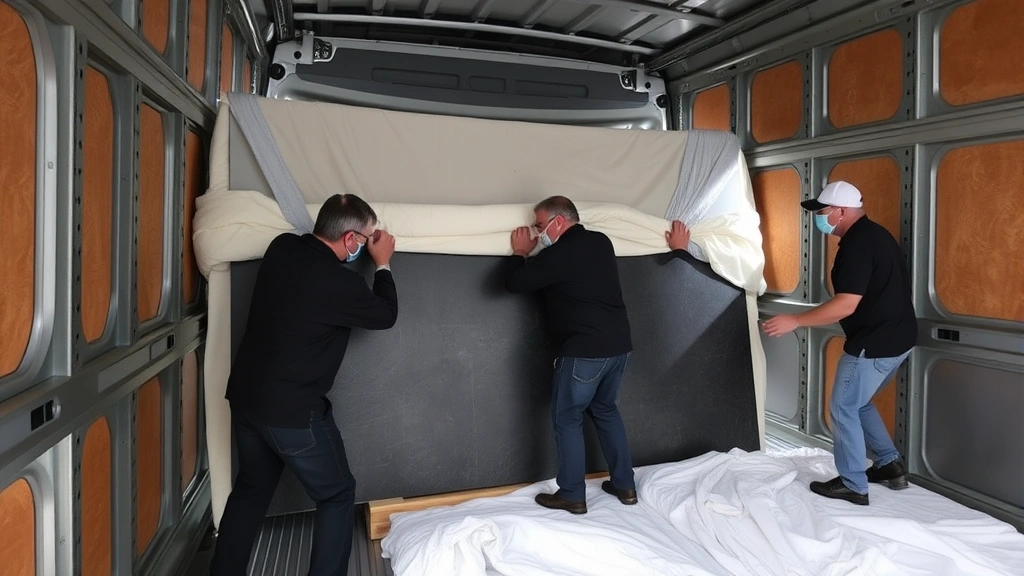
Slate Transportation: The slate represents the most critical component requiring maximum protection. Movers place slate pieces on custom-built wooden frames or specialized dollies with padding extending well beyond the slate edges. Multiple layers of protective blankets, foam padding, and securing straps prevent shifting during transport. Slate should never be transported vertically or at angles; horizontal positioning distributes weight evenly and minimizes stress points.
Vehicle Preparation: Professional movers prepare vehicles with protective flooring, securing rails, and climate monitoring equipment. Vehicles are loaded strategically with heavier components positioned low and toward the vehicle center, maintaining optimal weight distribution. All components are secured to prevent shifting during acceleration, braking, or turns.
Route Planning: Experienced movers plan routes avoiding rough roads, steep inclines, and excessive turning that could cause shifting or impact. GPS and real-time monitoring ensure professional handling throughout transit.
When selecting a moving service, verify they specialize in pool table transportation rather than general furniture moving. This specialization ensures appropriate equipment and expertise. Many business lead generation services can connect you with verified pool table specialists in your area.
Reassembly and Leveling Requirements
Reassembly mirrors the disassembly process in reverse, but demands even greater precision. Improper reassembly compromises playability and can cause ongoing damage.
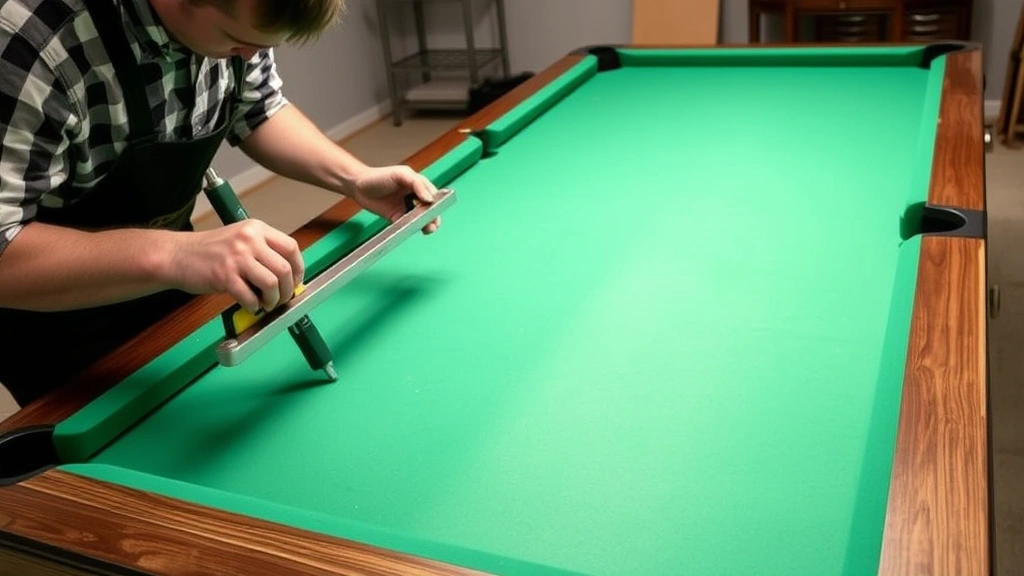
Leveling and Alignment: Once the frame is reassembled on legs, professional movers use precision leveling instruments to ensure the playing surface is perfectly level in all directions. This isn’t merely aesthetic—proper leveling is essential for fair gameplay. Balls must roll consistently regardless of starting position. Movers adjust leg leveling feet, sometimes requiring shims or adjustments to accommodate floor irregularities.
Slate Seating: For multi-piece slate tables, ensuring proper seating between sections is critical. Movers apply appropriate pressure to create seamless connections while maintaining level surfaces. Improper slate seating creates dead spots where balls behave unpredictably.
Felt Application: New felt is typically recommended for professional relocations, though careful reapplication of existing felt is possible for shorter moves. Professional felt installation requires stretching to proper tension while eliminating wrinkles or air bubbles. The felt must be secured uniformly to prevent creasing or uneven wear patterns.
Hardware Reinstallation: Rails, pockets, and hardware are reinstalled precisely, with all bolts and fasteners torqued to manufacturer specifications. Loose hardware creates noise, movement, and potential damage during play.
Cue Stick Inspection: Professional movers inspect cue sticks for warping or damage caused during storage or transport. Wooden cues are particularly susceptible to humidity and temperature changes.
Choosing the Right Pool Table Moving Company
Selecting an appropriate pool table moving company involves evaluating several critical factors beyond basic pricing.
Specialization and Experience: Choose companies specializing in pool table relocation rather than general moving services. Verify they have minimum 5+ years specific experience with pool tables. Request references from previous clients and follow up with calls or emails confirming service quality.
Licensing and Insurance: Legitimate companies maintain proper business licensing and comprehensive liability insurance. Request certificates of insurance and verify coverage limits adequately protect your table’s value. Understanding business partnership agreement templates can help clarify service expectations and liability arrangements.
Equipment and Methodology: Ask specifically about equipment used for moving and reassembly. Professional companies invest in specialized slate dollies, protective blankets, leveling instruments, and climate-controlled vehicles. Request details about their specific process, timeline, and quality assurance measures.
Warranty and Guarantees: Reputable companies offer warranties covering their workmanship. Typical guarantees cover reassembly quality and leveling for specified periods. Document any pre-existing damage before movers begin work to avoid disputes about responsibility for damage.
Transparent Pricing: Obtain detailed written quotes specifying services included. Pricing typically involves base fees plus charges for distance, table size, complexity, and additional services like felt replacement. Avoid companies providing only verbal estimates; written quotes protect both parties.
Cost Factors and Pricing Models
Pool table moving costs vary significantly based on multiple factors. Understanding pricing components helps you evaluate quotes effectively.
Distance and Location: Local moves (under 50 miles) typically cost $400-$800, while long-distance relocations can exceed $2,000. Urban areas with better accessibility generally cost less than rural locations requiring longer travel times.
Table Size and Complexity: Standard 7-foot and 8-foot tables cost less than oversized 9-foot or specialty tables. Antique or custom tables with unique construction may incur additional charges due to specialized handling requirements.
Disassembly and Reassembly: Basic disassembly and reassembly is typically included in standard quotes. Additional services like felt replacement ($300-$600), frame repairs ($200-$500), or cue refinishing ($50-$150 per stick) increase costs.
Access Challenges: Difficult access—narrow staircases, multiple flights, tight doorways—increases labor requirements and costs. Some companies charge additional fees ($100-$300) for complex access situations.
Environmental Services: Climate-controlled transport and acclimation periods add $100-$300 but protect valuable tables from damage caused by temperature and humidity fluctuations.
When evaluating costs, remember that the cheapest option isn’t necessarily the best value. Professional companies charging reasonable rates provide insurance, expertise, and accountability. Saving $200 on moving costs but risking $2,000 in slate damage represents poor financial decision-making.
For commercial establishments considering multiple relocations, establishing long-term relationships with pool table specialists can provide better pricing. This mirrors how businesses benefit from establishing company partnerships that provide consistent service and value over time.
Frequently Asked Questions
How long does a complete pool table move typically take?
Standard moves take 4-8 hours total, including disassembly, transportation, and reassembly. Complex relocations with difficult access or long distances may require additional time. Professional movers provide time estimates during initial consultations based on specific circumstances.
Can I move a pool table myself?
DIY moves are possible but risky. Without proper equipment and expertise, you risk expensive slate damage, improper leveling, and felt damage. The cost of professional moving ($400-$1,000) is typically much less than repairs from amateur damage ($1,000-$3,000+). Professional service is strongly recommended for valuable tables.
Do pool tables need acclimation time after moving?
Yes, allowing 24-48 hours for acclimation to new environmental conditions—temperature and humidity—helps prevent warping and ensures optimal felt performance. Professional movers understand these requirements and often include acclimation recommendations in their service agreements.
What happens to my pool table felt after moving?
Existing felt can sometimes be reused if carefully removed and reinstalled, though new felt replacement is often recommended. Professional movers assess felt condition and provide recommendations. Quality felt replacement costs $300-$600 depending on table size and felt quality selected.
How do I prepare my pool table for moving day?
Before movers arrive, remove personal items from the table, clear the surrounding area of obstacles, and ensure adequate access routes are open. Provide movers with information about the table’s history, any previous damage, and specific playing characteristics. Taking photos of the table’s current condition documents its pre-move state.
What should I look for in a pool table moving company?
Prioritize specialization in pool tables, proper licensing and insurance, positive customer references, transparent pricing, and detailed service warranties. Avoid companies unable to provide written estimates or references. Professional companies should conduct site assessments and provide detailed service documentation.
Are there any hidden costs I should anticipate?
Potential additional costs include felt replacement, frame repairs, cue refinishing, difficult access fees, and travel charges beyond standard service areas. Obtain detailed written quotes specifying exactly what’s included. Ask specifically about potential additional charges before signing agreements.
What if my pool table gets damaged during the move?
Professional moving companies carry liability insurance covering damage caused by their negligence. Verify insurance coverage limits before hiring. Document any damage immediately with photos and written descriptions. Most reputable companies address damage claims promptly and either repair or replace damaged components.


