Robinson Helicopter: Employee Reviews & Insights
Robinson Helicopter Company stands as one of the world’s leading manufacturers of civil helicopters, with a workforce that plays a critical role in maintaining the company’s reputation for innovation and quality. Understanding employee perspectives through platforms like Glassdoor provides valuable insights into workplace culture, compensation structures, career development opportunities, and organizational challenges. This comprehensive analysis examines what current and former employees reveal about their experiences at Robinson Helicopter, offering prospective job seekers and industry observers a detailed portrait of working conditions and company dynamics at this Torrance, California-based manufacturer.
Employee reviews serve as a transparent window into organizational health, revealing both strengths and areas requiring improvement. For Robinson Helicopter, these insights span manufacturing operations, engineering departments, quality assurance, and administrative functions. By analyzing patterns in employee feedback, we can identify key themes that define the employee experience, from compensation and benefits to management effectiveness and career progression opportunities. This analysis helps stakeholders make informed decisions about employment, investment, and partnership opportunities with this established aerospace manufacturer.
Robinson Helicopter Company Overview
Robinson Helicopter Company, founded in 1973 by Frank Robinson, has established itself as the world’s leading manufacturer of civil helicopters. Based in Torrance, California, the company produces the R22, R44, and R66 helicopter models, which serve diverse markets including law enforcement, emergency medical services, training, tourism, and private ownership. With over five decades of operational history, Robinson Helicopter maintains a significant workforce dedicated to design, manufacturing, quality control, and customer support.
The company’s commitment to innovation and cost-effective helicopter design has positioned it as an industry leader. Robinson Helicopter’s manufacturing processes combine advanced engineering with practical production methodologies, creating aircraft that deliver exceptional value without compromising safety or performance. The organizational structure reflects a blend of traditional aerospace manufacturing principles and entrepreneurial agility, which directly influences employee experiences and workplace dynamics.
Understanding Robinson Helicopter’s business model and market position provides essential context for interpreting employee reviews. The company operates within the aerospace and defense sector, which carries specific regulatory requirements, safety standards, and operational pressures that shape the employee experience. When exploring employment opportunities or conducting due diligence, consulting resources like an Illinois Company Search or similar business databases can provide additional organizational context and company registration information.
Overall Employee Ratings & Sentiment Analysis
Glassdoor ratings for Robinson Helicopter Company typically reflect a mixed sentiment profile, with overall scores generally ranging between 3.2 and 3.6 out of 5.0 stars depending on the review period. This moderate rating suggests that while the company has notable strengths attracting qualified employees, it also faces challenges in specific operational or management areas that generate employee dissatisfaction.
Positive sentiment clusters around several themes: pride in manufacturing quality products, respect for engineering excellence, appreciation for job stability in the aerospace sector, and recognition of the company’s market leadership. Employees frequently highlight the satisfaction of contributing to helicopter production that serves critical roles in emergency response, law enforcement, and medical transport missions. This sense of purpose significantly impacts employee morale and retention, particularly among engineering and manufacturing personnel who take pride in craftsmanship.
Negative sentiment concentrates on compensation competitiveness, limited advancement opportunities for non-management positions, and occasional frustrations with hierarchical decision-making processes. Some employees report concerns about work-life balance during production peaks, particularly in manufacturing departments where overtime demands fluctuate seasonally. Additionally, reviews mention varying experiences with management responsiveness and communication transparency, suggesting inconsistency across different department leaders.
The sentiment distribution indicates Robinson Helicopter maintains a stable workforce with committed employees, yet faces retention challenges in specific areas. This pattern is common in established aerospace manufacturers where operational demands and specialized skill requirements create both loyalty and frustration. To develop a comprehensive understanding of employment experiences across industries and regions, exploring Business Networking Strategies can help job seekers connect with current and former employees for authentic insights.
Compensation & Benefits Assessment
Compensation emerges as a primary concern in Robinson Helicopter employee reviews, with consistent feedback indicating that salaries lag behind comparable aerospace manufacturing positions at larger corporations. Manufacturing technicians, assembly specialists, and quality control personnel frequently report that compensation packages do not fully reflect the specialized nature of aerospace work or the technical expertise required for helicopter production.
The benefits package includes standard offerings such as health insurance, retirement plans, and paid time off, but employees often note that these benefits are comparable to industry standards rather than exceptional. Some reviews specifically mention that while benefits exist, they could be more competitive relative to companies in the broader aerospace sector. Health insurance coverage receives mixed reviews, with some employees satisfied with plan options and others expressing concerns about out-of-pocket costs.
Engineering and technical staff report somewhat better compensation satisfaction than manufacturing personnel, suggesting the company may pay competitively for specialized technical roles while maintaining more conservative salary structures for production positions. This differentiation creates potential equity concerns within the workforce, where different employee categories perceive varying degrees of compensation fairness.
Retirement benefits, including 401(k) matching programs, are mentioned in several reviews, though employees sometimes express uncertainty about plan details or wish for enhanced matching contributions. Profit-sharing or performance bonus structures appear limited in scope, which some employees suggest could better incentivize productivity and align individual performance with company success.
The compensation landscape at Robinson Helicopter reflects broader aerospace industry trends where established manufacturers balance cost pressures with the need to attract and retain skilled workers. For employees evaluating career opportunities, understanding compensation structures is essential. Resources discussing How to Write a Mission Statement can help job seekers clarify their professional values and assess alignment with company compensation philosophies.
Workplace Culture & Environment
Robinson Helicopter’s workplace culture reflects the precision-oriented, quality-focused nature of aerospace manufacturing. Employees describe an environment where attention to detail is paramount, safety protocols are rigorously enforced, and adherence to regulatory standards permeates daily operations. This culture attracts individuals who value craftsmanship and take pride in producing reliable, high-performance aircraft.
The physical work environment receives generally positive reviews, with employees noting that facilities are well-maintained and organized to support efficient manufacturing processes. Safety protocols appear comprehensive, with regular training and compliance monitoring. Employees appreciate the emphasis on workplace safety, recognizing it as fundamental to aerospace manufacturing operations.
Social dynamics within the workplace show variability across departments. Engineering teams report collaborative atmospheres where technical problem-solving is encouraged and respected. Manufacturing departments sometimes experience more hierarchical communication structures, with some employees feeling that suggestions or concerns from production staff receive limited consideration from management. This disconnect suggests potential opportunities for improving cross-departmental communication and employee engagement.
Company culture emphasizes traditional aerospace manufacturing values: precision, reliability, regulatory compliance, and continuous improvement. However, some employees note that innovation and creative problem-solving, while intellectually valued, may not receive equivalent resource allocation or recognition compared to established processes. This conservative approach supports quality and safety but may inhibit some employees’ sense of contributing to breakthrough innovation.
Diversity and inclusion initiatives receive limited mention in reviews, suggesting this area may warrant greater attention and development. Employees from underrepresented backgrounds occasionally report feeling less integrated into company social structures or advancement pathways, indicating potential gaps in inclusive culture development.
Management & Leadership Effectiveness
Management effectiveness represents a significant variable in Robinson Helicopter employee satisfaction, with reviews indicating inconsistent leadership quality across different departments and management levels. Some managers receive praise for technical expertise, clear communication, and genuine concern for employee development, while others are criticized for micromanagement, poor communication, or insufficient support for their teams.
Upper management receives mixed assessments regarding strategic vision and organizational direction. Some employees express confidence in company leadership’s market positioning and long-term planning, while others question decision-making transparency or feel disconnected from strategic initiatives. This inconsistency suggests that communication from senior leadership to frontline employees could be strengthened.
Middle management appears to be a particular challenge area, with several reviews highlighting instances where middle managers struggle to effectively bridge communication between executive leadership and operational teams. This gap can create frustration when employees feel their concerns are not adequately represented upward or when strategic decisions appear disconnected from operational realities.
Performance management and feedback systems show variability in effectiveness. Some employees report receiving regular, constructive feedback and clear performance expectations, while others describe annual reviews as perfunctory exercises with limited developmental value. This inconsistency suggests that standardized performance management training and systems could benefit the organization.
Leadership development for emerging managers appears limited, which may explain some inconsistencies in management quality. Investing in formal leadership training and mentorship programs could strengthen management effectiveness across the organization. External perspectives on organizational development can be valuable; consulting resources about What is a Business Incubator principles can provide insights into structured development approaches applicable to organizational growth.
Career Development Opportunities
Career development represents a notable area of concern in Robinson Helicopter employee reviews, with multiple employees reporting limited advancement opportunities, particularly for non-management positions. The organizational structure, while appropriate for manufacturing operations, creates narrow career paths where advancement often requires movement into management or specialized technical roles.
Engineers and technical specialists report somewhat better career development prospects, with opportunities to advance to senior technical positions, lead engineering projects, or transition into management. However, even these positions have limited availability given the company’s size and organizational structure. Manufacturing and assembly personnel report fewer clear advancement pathways, with promotion opportunities concentrated in supervisory and management roles.
Training and skill development programs exist but appear inconsistent in scope and accessibility. Some employees describe valuable technical training and certifications, while others report that training opportunities are limited or primarily available to specific employee categories. Formalized tuition reimbursement or educational support programs receive minimal mention, suggesting this area could be strengthened.
Mentorship programs appear informal and dependent on individual manager initiative rather than structured organizational systems. While some employees benefit from informal mentoring relationships, the lack of formal mentorship structures may contribute to inconsistent career development experiences across the workforce.
Internal mobility and cross-functional opportunities receive limited mention in reviews, suggesting that employees may have difficulty exploring different career paths within the organization. Implementing structured cross-departmental rotations or project-based assignments could enhance career development and organizational flexibility.
The limited career development environment creates retention challenges, particularly for ambitious employees seeking clear advancement pathways. Organizations addressing this challenge often benefit from consulting about ISO Certified Company standards and quality management systems, which can structure career development around continuous improvement and skill advancement frameworks.
Manufacturing Operations & Work Conditions
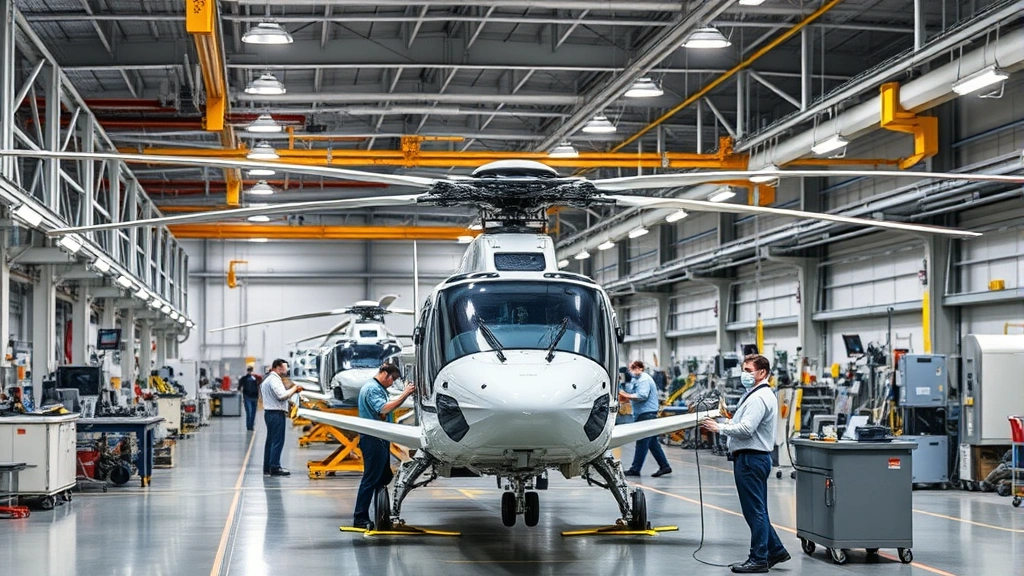
Manufacturing operations at Robinson Helicopter receive generally positive reviews regarding physical working conditions, safety protocols, and equipment quality. Employees note that facilities are modern, well-organized, and maintained to support efficient helicopter production. Safety standards are rigorously enforced, with regular training and compliance monitoring that employees appreciate as reflecting genuine organizational commitment to worker protection.
The manufacturing environment demands precision and attention to detail, which attracts employees who value craftsmanship and take pride in producing quality aircraft. Assembly line operations are organized to support both efficiency and quality, with employees generally reporting clear work processes and defined responsibilities. Quality control checkpoints throughout the manufacturing process reinforce the emphasis on excellence.
Work pace and production demands receive mixed reviews. During peak production periods, manufacturing employees report increased overtime demands and accelerated work schedules. While some employees accept this as inherent to manufacturing cycles, others express concerns about work-life balance during high-demand periods. The seasonal nature of helicopter demand creates predictable fluctuations, but employees sometimes feel insufficient advance notice or flexibility regarding scheduling adjustments.
Equipment and tools available to manufacturing staff appear adequate for current operations, though some employees suggest that investment in more advanced manufacturing technology could improve efficiency and reduce physical strain. Ergonomic considerations in workstation design receive occasional mention, with some suggestions for improvement to reduce repetitive strain injuries.
Team dynamics within manufacturing departments vary, with some groups reporting strong camaraderie and collaborative problem-solving, while others describe more transactional, hierarchical relationships. Supervisory approaches to production challenges range from collaborative to directive, with employee satisfaction correlating with supervisory communication style and responsiveness to concerns.
Manufacturing employees appreciate the stability and job security associated with established aerospace manufacturers, viewing Robinson Helicopter as a reliable employer in a specialized industry. This stability attracts individuals seeking long-term employment and attracts workers with family obligations requiring predictable income.
Engineering & Innovation Culture
The engineering department represents Robinson Helicopter’s intellectual core, and employee reviews reflect a generally positive assessment of engineering culture, technical collaboration, and respect for engineering expertise. Engineers describe opportunities to work on complex technical challenges, contribute to aircraft design and improvement, and collaborate with colleagues on substantive technical problems.
Engineering culture emphasizes proven design principles, regulatory compliance, and incremental improvement rather than revolutionary innovation. While this conservative approach supports safety and reliability, some engineers express that breakthrough innovation receives less emphasis or resource allocation than process optimization. This philosophical approach aligns with aerospace industry norms but may attract engineers who prefer evolutionary rather than revolutionary development.
Collaboration among engineering teams appears generally strong, with technical discussions and problem-solving being encouraged. However, communication between engineering and manufacturing sometimes shows friction, with engineers occasionally perceiving manufacturing as resistant to design improvements and manufacturing personnel perceiving engineers as insufficiently aware of production realities. Improved cross-functional collaboration could enhance both innovation and operational efficiency.
Access to professional development and technical training varies, with some engineers receiving support for continuing education and professional certifications while others report limited opportunities. Professional conference attendance and industry networking appear limited compared to larger aerospace manufacturers, which some engineers view as constraining professional development and industry visibility.
Compensation for engineering staff appears more competitive than manufacturing positions, likely reflecting market pressures to attract specialized technical talent. However, engineers sometimes express that compensation remains below industry averages for comparable aerospace manufacturers, particularly for senior engineers with specialized expertise.
The innovation culture benefits from Robinson Helicopter’s market leadership and reputation for reliability, which creates intrinsic motivation for engineers to maintain and enhance product quality. However, the company’s established market position and conservative design philosophy may limit appeal to engineers seeking cutting-edge innovation or disruptive technology development.

For engineers considering employment at Robinson Helicopter, understanding the company’s innovation philosophy and technical culture is essential for assessing career fit. Resources discussing Event Companies Near Me can help identify industry conferences and networking opportunities where Robinson Helicopter engineers participate, providing insights into the company’s technical priorities and engineering culture.
FAQ
What is the average Glassdoor rating for Robinson Helicopter Company?
Robinson Helicopter typically maintains a Glassdoor rating between 3.2 and 3.6 out of 5.0 stars, reflecting mixed employee sentiment. This moderate rating indicates the company has recognized strengths in product quality and market position but faces challenges in specific areas such as compensation competitiveness and career advancement opportunities. Ratings may fluctuate based on recent organizational changes, management transitions, or industry conditions.
How does Robinson Helicopter compensation compare to industry standards?
Robinson Helicopter compensation generally falls slightly below industry averages for comparable aerospace manufacturers, particularly for manufacturing and assembly positions. Engineering and technical roles receive more competitive compensation, reflecting market demand for specialized talent. Benefits packages are standard but not exceptional relative to larger aerospace manufacturers. Employees seeking premium compensation often explore opportunities at larger corporations such as Boeing or Airbus, though Robinson Helicopter offers stability and specialized industry experience advantages.
What are the primary career advancement opportunities at Robinson Helicopter?
Career advancement at Robinson Helicopter is somewhat limited, with primary pathways leading to supervisory, management, or specialized technical roles. Manufacturing and assembly personnel have fewer advancement options compared to engineers and technical specialists. The company’s size and organizational structure create a relatively flat hierarchy, which limits the number of advancement positions available. Employees seeking significant career growth may need to develop specialized expertise or transition to management to achieve advancement.
How does Robinson Helicopter’s workplace culture compare to other aerospace manufacturers?
Robinson Helicopter’s workplace culture reflects typical aerospace manufacturing values: precision, safety, regulatory compliance, and continuous improvement. The culture is somewhat more conservative and process-oriented than innovative companies but aligns with industry norms for established manufacturers. The company emphasizes quality and reliability over breakthrough innovation, which attracts employees valuing stability and craftsmanship but may not appeal to those seeking rapid innovation or disruptive technology development.
What do current employees appreciate most about working at Robinson Helicopter?
Current employees most frequently appreciate job stability, pride in manufacturing quality products, respect for engineering excellence, and the satisfaction of contributing to aircraft serving critical roles in emergency response and medical transport. The aerospace industry’s specialized nature creates a sense of belonging to a technical community, and Robinson Helicopter’s market leadership reinforces this positive identification. Employees also value the physical work environment, safety protocols, and generally well-organized operations.
What challenges do employees most frequently mention in reviews?
Employees most frequently mention compensation not being fully competitive, limited career advancement opportunities for non-management positions, inconsistent management quality across departments, and occasional work-life balance challenges during peak production periods. Some employees also note that innovation and creative problem-solving, while valued intellectually, may not receive equivalent resource allocation compared to established processes. Communication transparency and cross-departmental collaboration represent additional areas where improvement could benefit employee satisfaction.
Does Robinson Helicopter offer professional development and training programs?
Robinson Helicopter offers some professional development and training programs, but scope and accessibility vary across departments and employee levels. Technical training and certifications appear available, particularly for manufacturing and quality control roles. Engineering staff sometimes receive support for continuing education, though professional conference attendance and industry networking opportunities appear limited compared to larger aerospace manufacturers. Formalized tuition reimbursement or comprehensive educational support programs receive minimal mention in employee reviews.
How has Robinson Helicopter’s employee experience evolved in recent years?
Employee reviews suggest that Robinson Helicopter’s fundamental organizational characteristics have remained relatively stable, though specific management practices and compensation structures may have evolved. The company’s market position and product reputation appear consistent, maintaining employee pride in organizational affiliation. However, competitive pressures in the aerospace sector and broader economic conditions may influence compensation and advancement opportunities. Prospective employees should review recent reviews to understand current organizational conditions, as employee sentiment can shift based on recent management changes or market developments.



