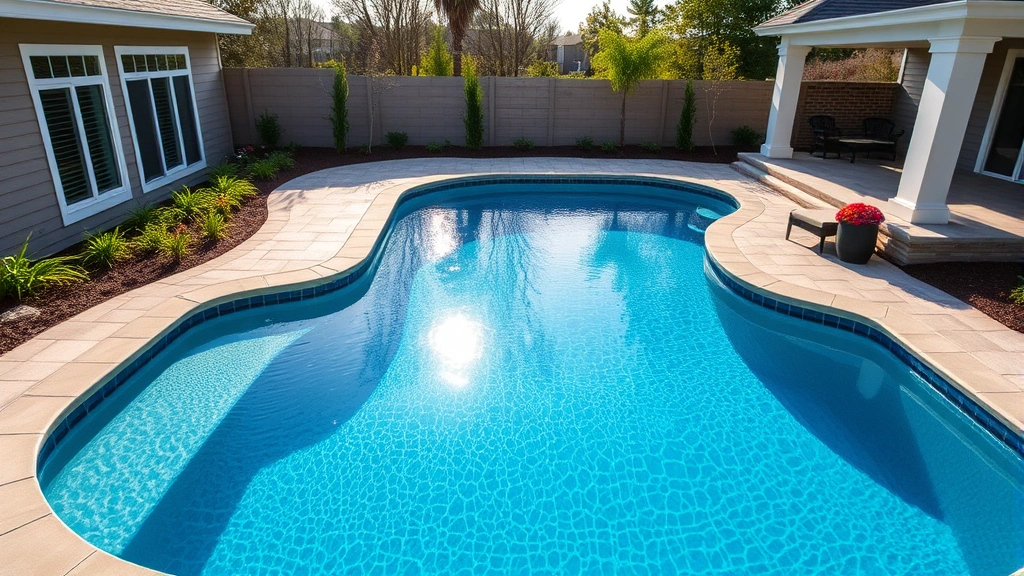
Why Choose Semi Inground Pools? Expert Tips for Smart Homeowners
Selecting the right pool for your property requires balancing investment, aesthetics, functionality, and long-term maintenance considerations. Semi inground pools have emerged as a compelling middle-ground solution that combines the accessibility and charm of above-ground installations with the permanence and visual integration of traditional inground pools. This comprehensive guide explores why homeowners and property managers increasingly partner with a semi inground pool company to transform their outdoor spaces into resort-quality retreats.
The residential pool market has evolved significantly over the past decade, driven by innovations in materials, installation techniques, and financing options. Semi inground pools represent a strategic investment category that appeals to budget-conscious buyers, renovation enthusiasts, and those seeking flexibility in property design. Understanding the advantages, installation process, and operational benefits positions you to make an informed decision aligned with your specific needs and financial objectives.
What Defines Semi Inground Pool Technology
Semi inground pools occupy a distinctive category within residential aquatic infrastructure. These installations feature walls that sit partially above ground and partially below, typically with 50-75% of the structure embedded into the earth. This hybrid design leverages engineering principles that distribute structural loads efficiently while maintaining visual prominence within the landscape.
The construction methodology distinguishes semi inground pools from their fully above-ground and completely inground counterparts. Rather than requiring extensive excavation like traditional inground pools, semi inground installations demand measured site preparation. Contractors excavate sufficient depth to achieve proper water line positioning while preserving the pool’s visibility and accessibility from surrounding deck areas.
Material composition varies among quality semi inground pool companies. Premium installations utilize reinforced steel walls, high-density polyethylene liners, and advanced filtration systems comparable to luxury inground specifications. The structural engineering ensures pools withstand hydrostatic pressure, ground movement, and seasonal environmental fluctuations across diverse climate zones.
Modern semi inground pools incorporate technological upgrades including variable-speed pump systems, saltwater chlorination alternatives, LED lighting integration, and automation capabilities. These features align with contemporary homeowner expectations for energy efficiency and smart home compatibility.
Cost Advantages and ROI Considerations
Financial analysis represents a primary decision factor for property owners evaluating pool investments. Semi inground pools typically cost 30-50% less than fully inground installations while delivering substantially superior aesthetics and permanence compared to above-ground alternatives. This pricing positioning creates compelling value propositions for mid-market residential properties.
The initial capital investment for a semi inground installation ranges from $8,000 to $25,000 depending on size, materials, and regional labor rates. Comparable inground pools require $30,000 to $80,000+ in construction expenses. Above-ground pools, while cheaper initially at $2,000-$8,000, demand replacement within 10-15 years, eroding long-term cost advantages.
Return on investment extends beyond simple financial metrics. Properties featuring well-maintained semi inground pools command premium resale values, typically recovering 50-70% of installation costs through increased buyer appeal. Luxury real estate markets demonstrate stronger ROI performance, with some premium installations recovering 75-85% of expenditures at sale.
Operational costs favor semi inground configurations compared to fully inground alternatives. Reduced excavation and site restoration expenses lower initial outlays. Annual maintenance costs average $1,500-$3,000, comparable to inground systems but significantly lower than ongoing expenses for aging above-ground installations requiring frequent repairs or replacement.
Financing flexibility has expanded considerably as semi inground pools gain market recognition. Home equity lines of credit, pool-specific loans, and contractor financing programs make installations accessible to broader demographic segments. Some homeowners incorporate semi inground pool installation into comprehensive property renovations, optimizing financing structures across multiple improvements.
Installation Efficiency and Timeline Benefits
Project timeline represents a practical advantage differentiating semi inground pools from fully inground alternatives. Professional installation typically requires 2-4 weeks from site preparation through final water filling and system calibration. Inground pools demand 8-12 weeks or longer, depending on soil conditions, permitting complexity, and concrete curing requirements.
The abbreviated timeline reduces disruption to property use and landscaping. Homeowners can plan pool season utilization with greater certainty when installation proceeds predictably. This efficiency particularly appeals to commercial properties, vacation rentals, and residential developments where operational timelines directly impact revenue generation.
Installation procedures employ standardized methodologies refined across thousands of successful projects. Experienced semi inground pool companies maintain quality consistency by following proven protocols for site assessment, excavation, wall assembly, liner installation, and system integration. Standardization reduces costly errors and rework expenses.
Weather dependency, while present, affects semi inground installations less severely than fully inground projects. Excavation and site preparation remain weather-sensitive, but wall assembly and liner installation can proceed under protective coverings. This flexibility permits installation scheduling across broader seasonal windows, improving contractor availability and potentially reducing labor costs.
Equipment delivery and integration occur efficiently within compressed timelines. Semi inground pools require fewer specialized components than inground systems, simplifying logistics and reducing coordination complexity. Filtration systems, pumps, and accessories arrive pre-configured, enabling rapid deployment by trained installation crews.
Design Flexibility and Property Integration
Aesthetic considerations drive many semi inground pool selections, particularly among homeowners prioritizing visual cohesion within landscaping schemes. The partial-height design creates visual continuity with surrounding terrain while maintaining prominent presence within outdoor spaces. Pools become focal points rather than dominating landscape features.
Customization options accommodate diverse architectural preferences. Wall finishes range from natural stone veneers to composite materials mimicking slate, granite, or custom color schemes. Deck configurations integrate seamlessly with existing hardscaping or new construction projects. Lighting designs transform evening ambiance through underwater LED systems, accent lighting, and programmable color options.
Size flexibility enables installations ranging from intimate 12×24 foot recreational pools to substantial 15×30 foot leisure-oriented systems. This adaptability suits residential properties with varying available space, from compact urban lots to sprawling suburban estates. Custom engineering accommodates irregular lot shapes and challenging topography.
Multi-functional design capabilities extend pool utility beyond traditional swimming. Shallow beach entry sections appeal to young children and elderly guests. Integrated hot tub systems provide year-round spa functionality. Attached water features including fountains, waterfalls, and spillover designs enhance visual appeal and create therapeutic ambiance.
Landscape integration planning should coordinate with experienced contractors who understand grading, drainage, and long-term environmental factors. Professional semi inground pool companies conduct comprehensive site assessments identifying optimal positioning, sun exposure patterns, wind considerations, and drainage requirements.

Maintenance and Durability Profiles
Long-term maintenance represents a critical consideration for pool ownership success. Semi inground pools demand routine care comparable to inground systems but with reduced complexity in certain operational areas. Water chemistry management, filtration system maintenance, and seasonal preparations follow industry-standard protocols applicable across pool categories.
Liner durability typically ranges from 10-15 years for quality installations, with proper care extending lifespan toward upper parameters. UV protection, chemical balance maintenance, and algae prevention procedures preserve liner integrity. Professional semi inground pool companies provide maintenance guidance optimizing longevity and performance.
Structural integrity assessments should occur annually, particularly in regions experiencing freeze-thaw cycles. Wall inspections identify potential seepage, corrosion, or settling issues requiring intervention. Early detection prevents catastrophic failures that could necessitate expensive repairs or complete system replacement.
Equipment maintenance includes pump servicing, filter cleaning, and system calibration. Variable-speed pump technology reduces electricity consumption while improving operational efficiency. Saltwater chlorination systems require periodic salt additions but eliminate chlorine handling hazards and reduce chemical costs compared to traditional chlorine-based approaches.
Seasonal preparation procedures protect pools during winter months in cold climates. Winterization includes water level adjustments, equipment drainage, and protective coverings preventing debris accumulation and ice damage. Spring reopening procedures restore systems to operational status efficiently, typically requiring 1-2 professional service visits.
Preventive maintenance contracts with reputable semi inground pool companies provide peace of mind through scheduled inspections, equipment servicing, and chemical management. These arrangements typically cost $1,200-$2,500 annually and substantially reduce emergency repair expenses.
Regulatory Compliance and Safety Standards
Understanding jurisdictional requirements protects property owners from costly compliance violations and liability exposure. Semi inground pool installations must satisfy building codes, zoning regulations, setback requirements, and safety standards varying by location. Professional contractors maintain current knowledge of evolving regulations.
Permitting procedures typically require architectural drawings, site plans, and engineering certifications demonstrating compliance with structural and safety standards. Processing timelines vary from 2-8 weeks depending on local building department workload. Early engagement with municipal authorities prevents project delays.
Safety features mandate inclusion of appropriate barriers, drain covers, and emergency equipment. Four-sided fencing requirements, gate specifications, and alarm systems vary by jurisdiction but prioritize child safety and drowning prevention. Compliance ensures insurance coverage and protects against liability claims.
Drain safety regulations implemented following the Virginia Graeme Baker Pool and Spa Safety Act (VGB Act) require anti-entrapment drain covers and secondary drain systems. Modern semi inground pool installations incorporate these protections as standard specifications rather than optional upgrades.
Insurance implications extend beyond liability coverage. Property insurers may require specific safety features or professional installation certifications before extending coverage. Discussing requirements with insurance providers before installation prevents surprises affecting policy validity.
ADA accessibility considerations apply to commercial installations and public-facing properties. Wheelchair ramps, accessible restrooms, and compliant signage may be required. Professional semi inground pool companies experienced with commercial installations understand these requirements.
Comparison with Alternative Pool Solutions
Evaluating semi inground pools against competing options requires systematic analysis across financial, practical, and experiential dimensions. Above-ground pools offer lower initial costs ($2,000-$8,000) but sacrifice permanence, aesthetic integration, and durability. Replacement cycles typically occur every 10-15 years, ultimately exceeding semi inground total cost of ownership.
Fully inground pools deliver superior aesthetics and permanence but demand substantially greater investment ($30,000-$80,000+) and extended installation timelines (8-12+ weeks). Soil conditions, rock removal, and groundwater management add unpredictable expenses. ROI performance varies significantly based on property values and regional market conditions.
Natural swimming pools and saltwater systems represent alternative approaches gaining market attention. These specialized installations require specific site characteristics and maintenance expertise. Semi inground pools remain more accessible and straightforward for typical residential properties.
When evaluating operational logistics and contractor partnership considerations, semi inground pools position as optimal solutions for most homeowners seeking balanced value propositions.
Hot tub alternatives provide year-round functionality but accommodate fewer guests and occupy less prominent outdoor space. Combined semi inground pool and hot tub installations create comprehensive recreational amenities.
Professional assessment by experienced semi inground pool companies helps property owners understand which solution aligns with specific priorities, budget parameters, and property characteristics. Consultation services typically occur at no cost or minimal charge.
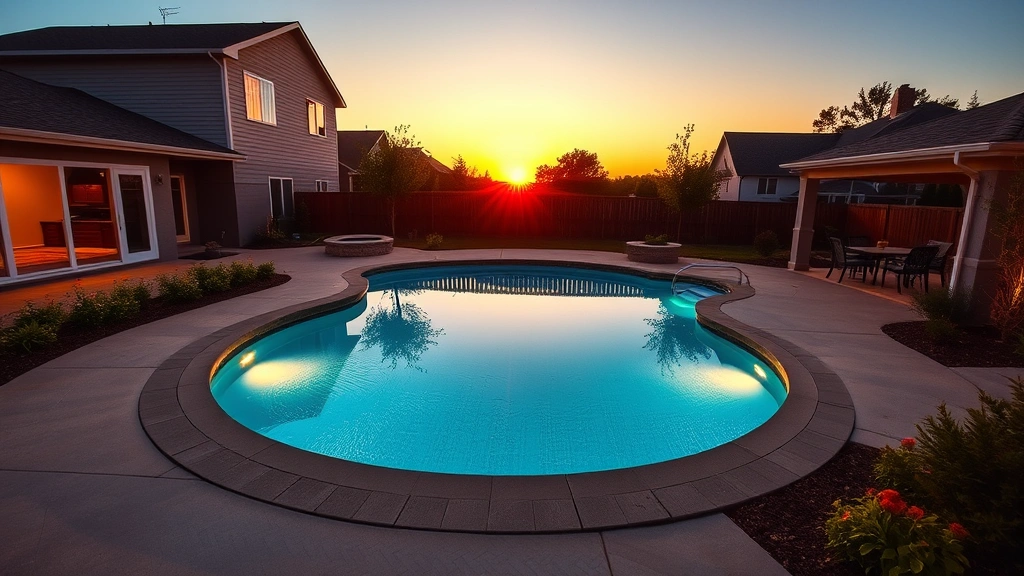
Market research from McKinsey & Company indicates residential pool installations represent growing segments within home improvement markets, with semi inground configurations capturing increasing market share due to value positioning and installation efficiency. Harvard Business Review analysis of contractor business models highlights semi inground pool specialization as emerging niche opportunity for service companies seeking differentiation.
Understanding financing options including investment strategies and insurance implications positions property owners to optimize decision-making processes. Professional consultation with specialized semi inground pool companies ensures comprehensive evaluation of options before commitment.
Forbes residential real estate coverage consistently identifies quality pool installations as value-adding property improvements, particularly when installations align with overall property aesthetics and maintenance standards.
FAQ
What is the typical lifespan of a semi inground pool?
Quality semi inground pools last 15-25 years with proper maintenance. Liners typically require replacement every 10-15 years. Structural components including walls and equipment can function for 20+ years when maintained appropriately. Professional inspection every 2-3 years identifies potential issues early.
Can semi inground pools be installed in any climate?
Semi inground pools function in diverse climates, though installation considerations vary. Cold regions require winterization procedures and freeze-thaw protection. Hot climates demand enhanced shade options and cooling systems. Professional semi inground pool companies assess climate-specific requirements during site evaluation.
How much does semi inground pool maintenance cost annually?
Annual maintenance typically costs $1,500-$3,000 including chemical management, equipment servicing, and periodic inspections. Preventive maintenance contracts provide comprehensive coverage. DIY maintenance reduces costs but requires knowledge and consistent effort.
What permits are required for semi inground pool installation?
Permit requirements vary by jurisdiction but typically include building permits, electrical permits for equipment, and potentially zoning approval. Professional contractors handle permit applications. Processing timelines average 2-8 weeks depending on local procedures.
How long does semi inground pool installation take?
Professional installation typically requires 2-4 weeks from site preparation through operational status. Timelines vary based on size, complexity, site conditions, and permit processing. Weather may extend schedules, though semi inground installations demonstrate greater weather flexibility than inground alternatives.
Can semi inground pools be relocated?
Relocation is possible but complex and expensive, typically costing 40-60% of original installation. Liners usually cannot be reused. Most semi inground pool installations remain permanent, making site selection critical during planning phases.
What financing options exist for semi inground pool installation?
Financing vehicles include home equity lines of credit, personal loans, contractor financing programs, and pool-specific lending products. Interest rates vary based on creditworthiness and loan terms. Discussing available financing through professional pool companies identifies optimal solutions for individual circumstances.
Are semi inground pools covered by homeowner insurance?
Most homeowner insurance policies cover semi inground pools, though coverage details vary. Inform insurers before installation to understand requirements, coverage limits, and liability protection. Some policies require safety features or professional installation certification.


