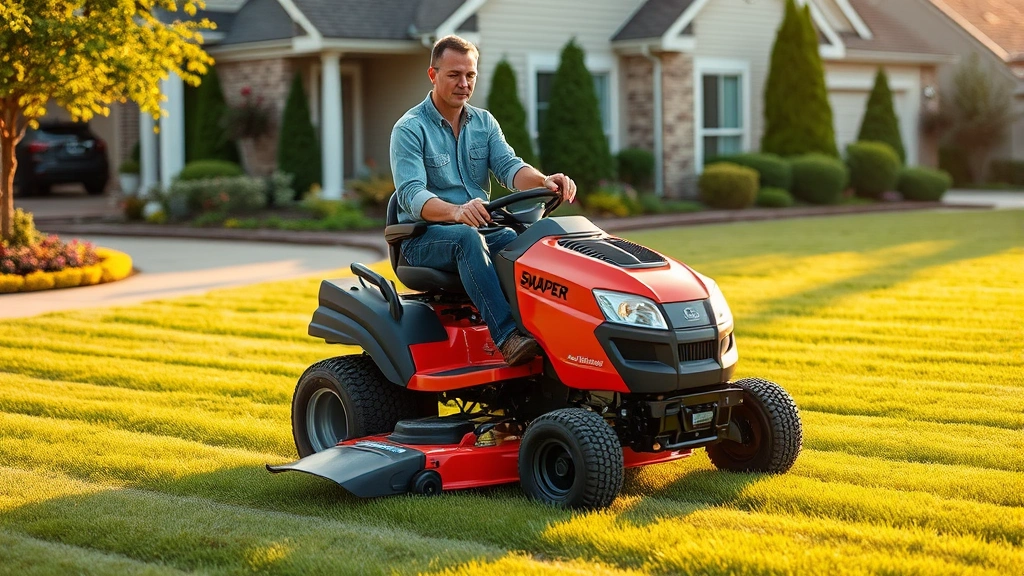
Snapper Mowers: Industry Leader in Lawn Care Equipment Manufacturing
The lawn care equipment industry has witnessed remarkable transformation over the past several decades, with innovation, durability, and customer-centric design driving competitive advantage. Among the most respected names in this sector stands Snapper, a company that has established itself as a trusted manufacturer of residential and commercial lawn mowers. With a legacy spanning generations, Snapper has built its reputation on engineering excellence, reliability, and a commitment to helping homeowners and professionals maintain pristine outdoor spaces.
Snapper’s journey represents more than just business success—it exemplifies how strategic vision, operational excellence, and continuous innovation can establish market leadership in a competitive industry. The company’s portfolio of products, ranging from walk-behind mowers to zero-turn radius machines, demonstrates a comprehensive understanding of customer needs across diverse market segments. This article explores Snapper’s position as an industry leader, examining the factors that have contributed to its sustained success and influence within the lawn care equipment marketplace.
The History and Evolution of Snapper Mowers
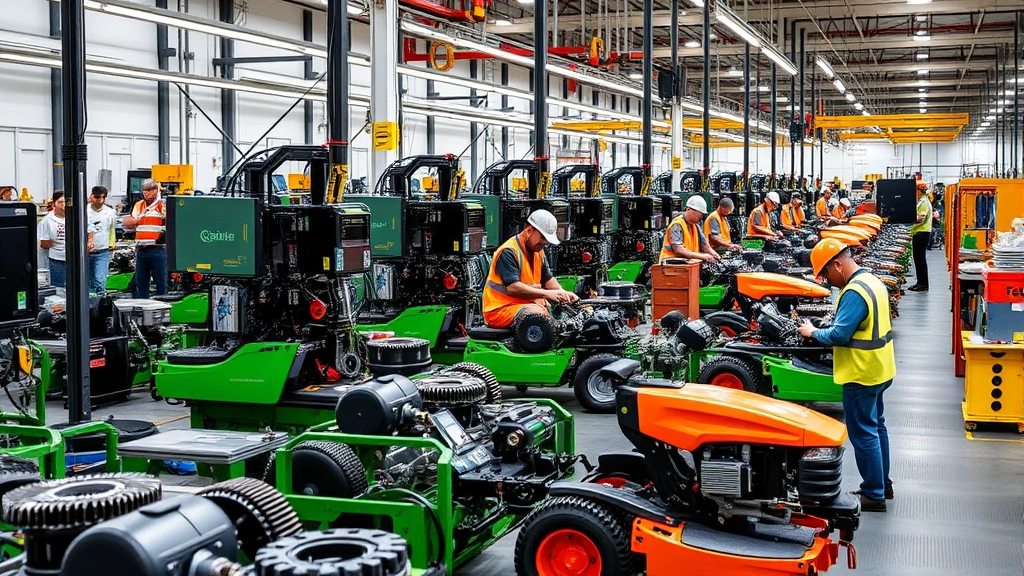
Snapper’s origins trace back to the mid-twentieth century, when the company began manufacturing innovative lawn care equipment designed to simplify yard maintenance. The brand emerged during an era when suburban expansion created unprecedented demand for residential lawn care solutions. Early Snapper mowers were revolutionary for their time, incorporating features that prioritized user convenience and operational efficiency. These foundational years established the company’s commitment to quality and innovation—principles that continue to guide its operations today.
Throughout the 1960s and 1970s, Snapper expanded its product line and manufacturing capacity, responding to growing consumer demand for reliable lawn equipment. The company invested heavily in research and development, recognizing that technological advancement would be critical to maintaining market leadership. This strategic focus on innovation resulted in several breakthrough designs that became industry standards, including improvements to cutting deck engineering, engine efficiency, and operator controls. By establishing itself as a technology innovator, Snapper differentiated itself from competitors and built strong brand loyalty among consumers.
The company’s evolution continued through subsequent decades as market dynamics shifted. Snapper adapted to changing consumer preferences, environmental regulations, and technological capabilities. The introduction of zero-turn radius mowers represented a significant milestone, offering unprecedented maneuverability for both residential and commercial applications. This product category demonstrated Snapper’s ability to anticipate market trends and develop solutions that addressed genuine customer pain points. Understanding industry transformation is essential for any business leader—similar strategic thinking applies across sectors, as explored in resources about how to create a business case for major product initiatives.
Product Innovation and Engineering Excellence
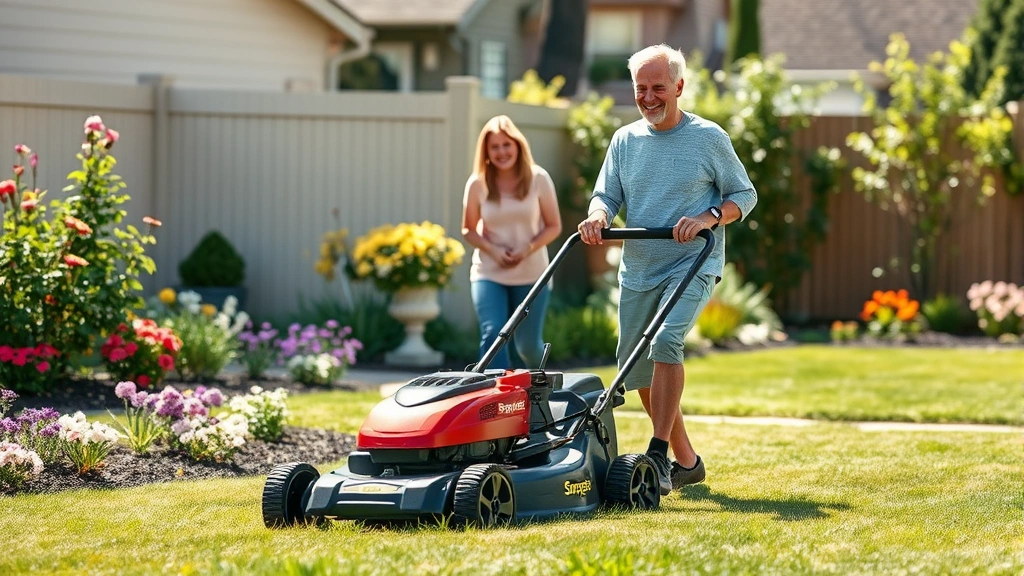
Snapper’s product portfolio reflects decades of engineering refinement and customer feedback integration. The company manufactures several distinct mower categories, each engineered to address specific use cases and customer requirements. Walk-behind mowers represent the foundation of Snapper’s residential offerings, combining affordability with dependable performance. These machines feature durable cutting decks, efficient engines, and intuitive controls designed for homeowners seeking straightforward yard maintenance solutions.
Zero-turn radius mowers represent Snapper’s premium residential and commercial segment, offering superior maneuverability and faster cutting times compared to traditional riding mowers. These machines incorporate advanced steering mechanisms, powerful engines, and precision cutting systems that enable operators to achieve professional-quality results. The zero-turn design allows users to navigate around obstacles with remarkable agility, significantly reducing mowing time on larger properties. Snapper’s engineering teams continuously refine these machines, incorporating feedback from professional landscapers and demanding homeowners who rely on equipment performance.
Commercial-grade equipment rounds out Snapper’s manufacturing focus, serving landscaping companies and grounds maintenance professionals who require industrial-strength reliability. These machines are engineered for extended operating hours, heavy-duty conditions, and consistent performance across diverse terrain types. Snapper’s commercial mowers incorporate reinforced components, advanced engine technology, and features specifically designed for professional operators. The company recognizes that commercial customers represent a critical market segment, and invests accordingly in products that deliver exceptional value and durability.
Engine Technology and Efficiency represent core competencies within Snapper’s engineering organization. The company partners with leading engine manufacturers to integrate advanced powerplants that balance performance with fuel efficiency and emissions compliance. Modern Snapper mowers feature engines that meet stringent environmental standards while delivering the cutting power and reliability that customers expect. This commitment to clean, efficient technology reflects broader industry trends toward sustainability and environmental responsibility.
Cutting Deck Innovation distinguishes Snapper mowers in the marketplace. The company’s engineering teams have developed proprietary cutting systems that deliver consistent, professional-quality results across varying grass types and conditions. Advanced blade geometry, optimized airflow patterns, and precision manufacturing ensure that Snapper mowers produce superior cutting performance compared to competing products. These technical advantages translate into visible results that homeowners and professionals immediately appreciate.
Snapper’s commitment to business innovation extends beyond individual product features to encompass entire systems thinking. The company considers how components interact, how operators interact with machines, and how products fit within broader lawn care ecosystems. This holistic approach to product development has consistently resulted in equipment that outperforms competitor offerings across multiple performance dimensions.
Market Position and Competitive Advantage
Snapper occupies a distinctive position within the lawn care equipment market, balancing premium quality with accessible pricing. The company competes effectively against both established manufacturers and newer entrants by delivering superior engineering, proven reliability, and comprehensive product selection. This positioning strategy appeals to diverse customer segments, from budget-conscious homeowners to professional landscapers who prioritize performance and durability above all other considerations.
The company’s competitive advantages extend across multiple dimensions. Brand Recognition represents a substantial asset—decades of consistent quality have established Snapper as a trusted name synonymous with reliable lawn equipment. When consumers evaluate mower purchases, Snapper’s reputation for durability and performance significantly influences decision-making processes. This brand equity translates into customer loyalty and premium pricing power that competitors struggle to match.
Dealer Network Strength provides another critical advantage. Snapper has cultivated relationships with independent dealers across North America who understand local markets and maintain strong customer connections. These dealers represent far more than distribution channels—they serve as trusted advisors who recommend equipment based on customer needs and provide essential after-sale service and support. This dealer-centric distribution strategy contrasts with some competitors’ direct-to-consumer approaches and provides Snapper with market agility and customer intimacy that larger, more centralized competitors cannot replicate.
Service and Support Infrastructure reinforces Snapper’s market position. The company maintains extensive networks of authorized service centers where customers can obtain maintenance, repairs, and genuine replacement parts. This commitment to customer support extends product lifecycles and ensures that equipment continues performing reliably for years after purchase. Professional landscapers particularly value this support infrastructure, recognizing that equipment downtime directly impacts business profitability.
Understanding competitive positioning requires strategic business analysis—the same rigorous thinking that guides Snapper’s market strategy applies across industries and organizational contexts. Leaders seeking to develop competitive advantage should explore frameworks and methodologies outlined in resources about business networking groups where strategic discussions and peer learning occur regularly.
Customer-Centric Business Strategy
Snapper’s sustained market leadership reflects a fundamental commitment to understanding and serving customer needs. The company recognizes that different customer segments have distinct requirements, preferences, and purchasing criteria. Rather than pursuing a one-size-fits-all approach, Snapper develops tailored solutions that address specific use cases and customer circumstances.
Residential Customers seek reliable equipment that simplifies yard maintenance while remaining affordable and easy to operate. Snapper addresses these needs through walk-behind and riding mower options that balance cost with quality, featuring straightforward controls and excellent reliability. The company provides comprehensive product information, user guides, and customer support that help homeowners make confident purchasing decisions and maximize equipment performance.
Professional Landscapers prioritize durability, performance, and support infrastructure that enables their business operations. Snapper’s commercial-grade equipment is engineered for the demanding conditions that professional operators encounter daily. The company maintains close relationships with landscaping professionals, gathering feedback that informs product development and ensuring that commercial offerings truly address professional needs.
Snapper invests significantly in customer education and engagement. The company develops instructional content, maintenance guides, and product demonstrations that help customers understand equipment capabilities and optimize performance. This educational focus builds customer confidence and satisfaction while reducing warranty claims and service issues related to improper operation or maintenance.
The company also demonstrates commitment to customer relationships through responsive communication channels. Whether customers have product questions, need technical support, or require after-sale assistance, Snapper maintains accessible contact options and knowledgeable representatives who provide genuine help. This customer service orientation extends throughout the organization and influences how employees at all levels interact with customers.
Sustainability and Environmental Responsibility
Modern manufacturing requires serious commitment to environmental stewardship, and Snapper has embraced this responsibility across its operations. The company recognizes that today’s consumers increasingly prefer products manufactured with environmental consciousness, and that regulatory frameworks continue tightening emissions and environmental impact standards.
Snapper’s engine technology incorporates emissions control systems that meet or exceed regulatory requirements in major markets. The company invests in research that enables engines to operate cleanly while maintaining the power and reliability that customers expect. This technical commitment reflects understanding that environmental responsibility and product performance are not mutually exclusive—rather, they represent complementary objectives that can be achieved through thoughtful engineering.
Manufacturing Processes at Snapper facilities incorporate efficiency measures designed to minimize waste and reduce environmental impact. The company has implemented lean manufacturing principles that reduce material waste while improving operational efficiency. These initiatives simultaneously benefit the environment and enhance manufacturing economics—a win-win outcome that demonstrates how environmental responsibility and business success align.
Product lifecycle considerations guide Snapper’s design philosophy. The company engineers equipment for durability and longevity, recognizing that products with extended useful lives generate less waste than those requiring frequent replacement. Additionally, Snapper designs machines to facilitate maintenance and repair, enabling customers to keep equipment functional for many years. This approach reduces the environmental burden associated with equipment disposal and manufacturing replacement units.
Distribution Network and Market Reach
Snapper’s distribution strategy leverages independent dealers as primary channels, supplemented by selective relationships with large retailers and online platforms. This multi-channel approach enables the company to reach diverse customer segments while maintaining dealer relationships that provide local market knowledge and customer service excellence.
Independent Dealer Partnerships represent the cornerstone of Snapper’s distribution network. These dealers typically operate locally-focused lawn equipment businesses with deep community connections and customer relationships. Independent dealers provide services that large retailers cannot match, including detailed product consultation, equipment customization, and comprehensive after-sale support. Snapper’s commitment to supporting independent dealers through marketing resources, training programs, and favorable business terms strengthens these partnerships and reinforces market presence.
Retail Partnerships extend Snapper’s reach to consumers who prefer purchasing through established retail channels. The company maintains relationships with major home improvement retailers and specialty lawn equipment stores, ensuring product availability where significant customer volumes shop. These partnerships require different support approaches than independent dealer relationships, but they provide access to customer segments that might not visit specialty dealers.
Digital Presence has become increasingly important to Snapper’s distribution strategy. The company maintains comprehensive websites that provide product information, dealer locators, and customer support resources. Digital channels enable potential customers to research products, compare features, and identify local dealers before making purchase decisions. This online presence enhances customer convenience while supporting dealer relationships by directing interested customers to authorized retailers.
Effective distribution requires sophisticated business strategy and market analysis. Organizations seeking to optimize their own distribution approaches should explore resources discussing marketing and market visibility strategies that help ensure target customers discover products and services.
Snapper’s distribution excellence extends to parts and accessories. The company maintains supply chains that ensure authorized dealers can consistently provide customers with genuine replacement parts, maintenance supplies, and accessories. This parts availability is critical to customer satisfaction and equipment longevity—customers who can easily obtain parts are more likely to maintain equipment properly and remain loyal to the brand.
FAQ
What makes Snapper mowers different from competitor products?
Snapper mowers distinguish themselves through superior engineering, proven reliability, and comprehensive product selection addressing diverse customer needs. The company’s decades-long reputation for quality, combined with strong dealer networks providing local service and support, creates competitive advantages that competitors struggle to match. Snapper’s commitment to innovation ensures products incorporate latest technology while maintaining the durability customers expect.
How does Snapper support customers after purchase?
Snapper maintains extensive networks of authorized service centers where customers obtain maintenance, repairs, and genuine replacement parts. The company provides comprehensive product documentation, instructional resources, and responsive customer support channels. This commitment to after-sale service ensures equipment continues performing reliably for extended periods and builds long-term customer loyalty.
Are Snapper mowers environmentally responsible?
Yes, Snapper incorporates environmental responsibility throughout its operations. The company’s engines meet stringent emissions standards, manufacturing processes incorporate efficiency measures reducing waste, and products are engineered for durability and longevity. This environmental commitment reflects both regulatory compliance and recognition that today’s consumers prefer sustainably manufactured products.
Where can customers purchase Snapper mowers?
Snapper products are available through independent dealers, major home improvement retailers, specialty lawn equipment stores, and online platforms. The company maintains a dealer locator tool on its website helping customers identify authorized retailers in their areas. Independent dealers typically provide the most comprehensive product selection and customer service.
What warranty coverage do Snapper mowers include?
Warranty coverage varies by product model and customer type. Residential mowers typically include comprehensive manufacturer warranties covering defects in materials and workmanship. Commercial equipment often includes more robust warranty provisions reflecting professional use requirements. Customers should review specific warranty terms for products they’re considering purchasing.
How often should Snapper mower owners perform maintenance?
Regular maintenance extends equipment lifespan and ensures optimal performance. Snapper recommends seasonal maintenance including oil changes, spark plug inspection, blade sharpening, and filter replacement. The company provides detailed maintenance schedules in product documentation. Following recommended maintenance intervals prevents premature wear and helps customers avoid costly repairs.


