
How to Market Puzzles: Expert Tips for Magic Puzzle Companies
The puzzle industry has experienced remarkable growth over the past decade, with consumers increasingly seeking intellectually stimulating entertainment and meaningful leisure activities. For a magic puzzle company, standing out in this competitive landscape requires a strategic, multi-faceted marketing approach that goes beyond traditional advertising. Whether you’re launching a new puzzle line or scaling an established brand, understanding the nuances of puzzle marketing can transform your business trajectory.
Magic puzzles occupy a unique market position—they combine the intellectual appeal of traditional puzzles with the wonder and intrigue of illusion and surprise. This distinctive positioning creates exceptional marketing opportunities for companies willing to invest in strategic brand development. The key to success lies in understanding your target audience, leveraging digital channels effectively, and creating compelling narratives around your products that resonate with puzzle enthusiasts, gift-givers, and casual consumers alike.
This comprehensive guide explores proven marketing strategies specifically tailored for puzzle companies, drawing on industry best practices and emerging trends in experiential marketing, digital engagement, and community building.
Understanding Your Puzzle Market Segment
Before launching any marketing campaign, successful magic puzzle companies must conduct thorough market research to identify and understand their target demographics. The puzzle market comprises several distinct segments: casual puzzle enthusiasts seeking weekend entertainment, serious collectors pursuing rare or limited-edition pieces, gift-buyers searching for unique presents, educational institutions incorporating puzzles into learning, and corporate clients interested in team-building activities.
Begin by conducting a comprehensive SWOT analysis to evaluate your magic puzzle company’s strengths, weaknesses, opportunities, and threats within the competitive landscape. This foundational exercise reveals where your puzzles possess competitive advantages and identifies market gaps your brand can exploit. Consider factors such as puzzle difficulty levels, price points, aesthetic design, unique magical elements, and target consumer psychographics.
Research indicates that puzzle consumers fall into distinct personas: the analytical problem-solver who values challenge and complexity; the creative individual seeking artistic expression and visual beauty; the social enthusiast who views puzzles as communal activities; and the gift-giver purchasing for special occasions. Each persona responds to different marketing messages and prefers distinct communication channels. Your magic puzzle company should develop tailored messaging for each segment rather than adopting a one-size-fits-all approach.
According to Harvard Business Review, consumer segmentation and targeted messaging increase marketing ROI by 30-50% compared to generic campaigns. Understanding whether your audience prioritizes challenge, aesthetics, social connection, or novelty fundamentally shapes your entire marketing strategy.
Developing a Comprehensive Marketing Strategy
A robust marketing strategy serves as your roadmap for reaching puzzle customers and building brand awareness. Start by aligning your marketing efforts with clear, measurable objectives: increasing brand awareness by a specific percentage, achieving target sales figures, growing your customer email list, or expanding into new geographic markets.
Your business plan should include detailed marketing components outlining budget allocation, channel selection, timeline, and success metrics. For magic puzzle companies, consider allocating resources across multiple channels: digital advertising (30%), content creation (25%), social media management (20%), influencer partnerships (15%), and experiential marketing (10%). These percentages should adjust based on your specific audience distribution and historical performance data.
Develop a detailed product roadmap that coordinates new puzzle releases with marketing campaigns. Timing new product launches with seasonal demand peaks, holiday shopping periods, and industry events maximizes visibility and sales potential. Magic puzzle companies can leverage the novelty factor of new releases to generate excitement, media coverage, and social sharing.
McKinsey research suggests that companies integrating multiple marketing channels achieve 3-5 times higher conversion rates than single-channel approaches. Your magic puzzle company should adopt an omnichannel strategy ensuring consistent brand messaging across social media, email, retail partnerships, and owned channels.

Digital Marketing Channels for Puzzle Brands
Digital channels represent the primary avenue for reaching modern puzzle consumers. Social media platforms including Instagram, TikTok, Pinterest, and YouTube enable visual storytelling that showcases your magic puzzles’ aesthetic appeal and engaging properties. Instagram’s visual-first approach proves particularly effective for puzzle marketing—high-quality photography and video demonstrating puzzle-solving processes, completed designs, and magical reveal moments generate significant engagement.
TikTok offers exceptional opportunities for viral marketing, with short-form video content showing puzzle-solving time-lapses, behind-the-scenes manufacturing processes, and user-generated content from satisfied customers. The platform’s algorithm favors engaging, authentic content—magic puzzle companies should encourage followers to share their puzzle-solving experiences with branded hashtags and participate in challenges.
Pinterest functions as a visual search engine where puzzle enthusiasts actively seek inspiration, gift ideas, and entertainment solutions. Creating high-quality pins linking to your product pages and blog content drives significant referral traffic. Pinterest users typically demonstrate strong purchasing intent, making the platform valuable for conversion-focused campaigns.
Email marketing remains one of the highest-ROI digital channels for puzzle companies. Build your email list through website opt-ins, offering incentives such as discount codes or exclusive content. Segment your email audience based on purchase history, engagement level, and product preferences, enabling personalized communication that increases open rates and conversions. Send regular newsletters featuring new releases, solving tips, customer stories, and special promotions.
Google Ads and social media advertising allow precise targeting of puzzle enthusiasts based on interests, demographics, and online behavior. Your magic puzzle company should test different ad creatives, copy variations, and audience segments to identify highest-performing combinations. Retargeting campaigns reconnect with website visitors who didn’t purchase, reminding them of your products and offering incentives to convert.
Building Community and Engagement
Successful puzzle marketing extends beyond transactional relationships—creating engaged communities transforms customers into brand advocates. Establish online communities through dedicated Facebook groups, Discord servers, or forum platforms where puzzle enthusiasts share solving strategies, showcase completed puzzles, and discuss the magic puzzle category broadly.
Your magic puzzle company should actively participate in these communities, responding to questions, acknowledging achievements, and soliciting feedback. Community managers serve as brand ambassadors, fostering positive relationships that encourage repeat purchases and word-of-mouth referrals. Forbes research indicates that community members demonstrate 2-3 times higher lifetime value than non-community participants.
Host virtual puzzle-solving events, competitions, and challenges that create excitement and encourage participation. Offer prizes for fastest completion times, most creative solutions, or best user-generated content. These events generate social media content, build community bonds, and provide valuable user-generated marketing material.
Implement a customer loyalty program rewarding repeat purchases, referrals, and social sharing. Points-based systems offering discounts, exclusive early access to new releases, or special editions incentivize continued engagement. Loyalty programs also provide valuable data about customer preferences and purchasing patterns, informing future product development and marketing strategies.
Leveraging Influencers and Partnerships
Influencer partnerships amplify your magic puzzle company’s reach by connecting with established audiences already interested in puzzles, games, and brain teasers. Identify micro-influencers (10,000-100,000 followers) in the puzzle, board game, STEM education, and lifestyle niches who genuinely align with your brand values.
Micro-influencers typically demonstrate higher engagement rates and more authentic audience relationships than mega-influencers, making them ideal partners for puzzle marketing. Provide influencers with your magic puzzles, offering them creative freedom to showcase products authentically. Request unboxing videos, solving time-lapses, detailed reviews, and integration into their regular content calendars.
Strategic partnerships with complementary brands expand your marketing reach. Collaborate with gift retailers, educational institutions, corporate team-building companies, and puzzle subscription services. Cross-promotions introduce your magic puzzles to new audiences while providing value to partner organizations.
Consider partnerships with puzzle competitions, gaming conventions, and educational conferences. Sponsorship opportunities provide brand visibility, generate PR coverage, and connect directly with target audiences. Your magic puzzle company can host booth experiences, conduct live demonstrations, and offer show-exclusive promotions.
Content Marketing and SEO for Puzzles
Content marketing establishes your magic puzzle company as a thought leader while improving search engine visibility. Develop a blog publishing regular articles addressing puzzle enthusiast interests: solving techniques, puzzle history, cognitive benefits, gift-giving guides, and behind-the-scenes manufacturing stories.
Optimize content for search engines using relevant keywords such as “magic puzzle company,” “unique puzzle gifts,” “brain-teasing puzzles,” and “puzzle collection.” Research keyword search volume and competition, prioritizing terms with strong search intent and achievable ranking potential. High-ranking content drives organic traffic, reducing reliance on paid advertising.
Create comprehensive guides addressing common customer questions: “How to Choose the Perfect Puzzle,” “Puzzle-Solving Tips for Beginners,” “Building Your Puzzle Collection,” and “Puzzles for Team Building.” Long-form content (2,000+ words) ranks better in search results and provides substantial value, encouraging social sharing and backlinks from other websites.
Develop video content for YouTube, demonstrating puzzle-solving processes, reviewing your magic puzzles, and providing entertainment value independent of product promotion. Educational content builds audience trust and encourages subscription to your channel, creating ongoing touchpoints with potential customers.
Implement a content calendar managing publication schedules across blog, social media, email, and video platforms. Consistency in content production builds audience expectations and improves algorithm performance across platforms.
Retail and E-commerce Optimization
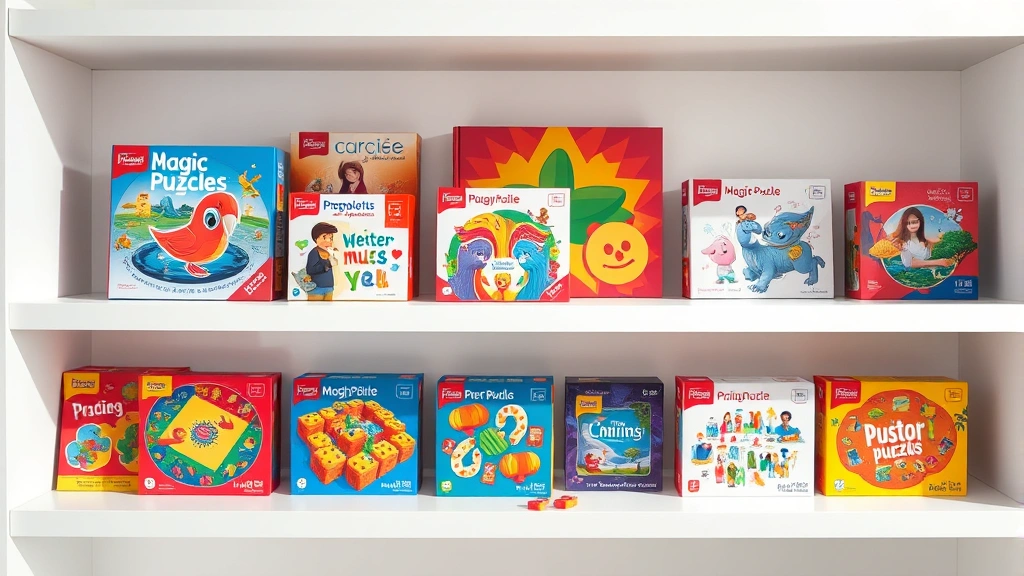
Your magic puzzle company’s e-commerce platform serves as the primary sales channel for many customers. Optimize product pages with high-quality photography showing puzzles from multiple angles, completed designs, and packaging details. Include detailed descriptions highlighting unique features, difficulty levels, piece counts, and magical elements distinguishing your puzzles.
Implement customer reviews and ratings prominently on product pages—social proof significantly influences purchase decisions. Encourage customers to leave reviews by sending post-purchase emails requesting feedback and offering incentives for detailed reviews.
Streamline the checkout process minimizing friction and cart abandonment. Offer multiple payment options, clearly communicate shipping costs and timelines, and provide guest checkout for customers preferring not to create accounts. Mobile optimization proves critical—over 60% of e-commerce traffic originates from mobile devices.
Develop product bundling strategies offering puzzle collections at discounted prices compared to individual purchases. Bundle complementary products—puzzle storage solutions, solving tools, or gift boxes—increasing average order value and providing customers with complete solutions.
Utilize abandoned cart emails reminding customers of incomplete purchases, offering assistance with questions, and providing limited-time discounts encouraging conversion. Abandoned cart recovery typically generates 10-15% additional revenue with minimal investment.
Explore retail partnerships with toy stores, bookstores, game shops, and gift retailers. Physical retail presence introduces your magic puzzles to customers preferring hands-on evaluation before purchase. Provide retailers with point-of-sale materials, product demonstrations, and sales training ensuring effective representation of your brand.
FAQ
What marketing budget should a magic puzzle company allocate?
Budget allocation depends on company size, growth stage, and revenue. Startups typically allocate 10-20% of revenue to marketing, while established companies may spend 5-10%. For magic puzzle companies, prioritize channels reaching your specific target audience—digital marketing usually offers better ROI than traditional advertising for this demographic.
How long does it take to see marketing results?
Results timelines vary by channel. Paid advertising generates immediate visibility but requires ongoing investment. Organic search engine optimization typically requires 3-6 months to show meaningful results but provides long-term, sustainable traffic. Email marketing and social media demonstrate results within weeks. Adopt a multi-channel approach balancing short-term wins with long-term growth.
Should magic puzzle companies focus on B2C or B2B marketing?
Both channels offer significant opportunities. B2C channels (direct-to-consumer) build brand loyalty and provide valuable customer data. B2B channels (corporate team-building, educational institutions, gift retailers) generate bulk orders and recurring revenue. Your marketing leadership should develop strategies addressing both segments.
How can puzzle companies measure marketing ROI?
Track key performance indicators: customer acquisition cost, lifetime value, conversion rates, email open rates, social media engagement, and website traffic. Use analytics tools monitoring these metrics across channels. Attribute revenue to specific campaigns using UTM parameters and conversion tracking, enabling data-driven budget optimization.
What role does customer feedback play in marketing strategy?
Customer feedback informs product development, messaging refinement, and service improvements. Actively solicit feedback through surveys, reviews, and community engagement. Incorporate customer testimonials and success stories into marketing materials, demonstrating real-world value and building credibility with prospective customers.
How can magic puzzle companies compete against established brands?
Emphasize unique value propositions—distinctive puzzle designs, superior quality, innovative magical elements, or exceptional customer service. Leverage agility and personalization, engaging directly with customers in ways larger competitors cannot. Build passionate communities around your brand, transforming customers into advocates generating organic word-of-mouth marketing.
Effective marketing for magic puzzle companies requires strategic planning, consistent execution, and continuous optimization based on performance data. By understanding your target audience, leveraging digital channels strategically, building engaged communities, and providing exceptional products and customer experiences, your magic puzzle company can achieve sustainable growth and market leadership. Start implementing these strategies today, measuring results carefully, and adjusting your approach based on what resonates with your audience.


