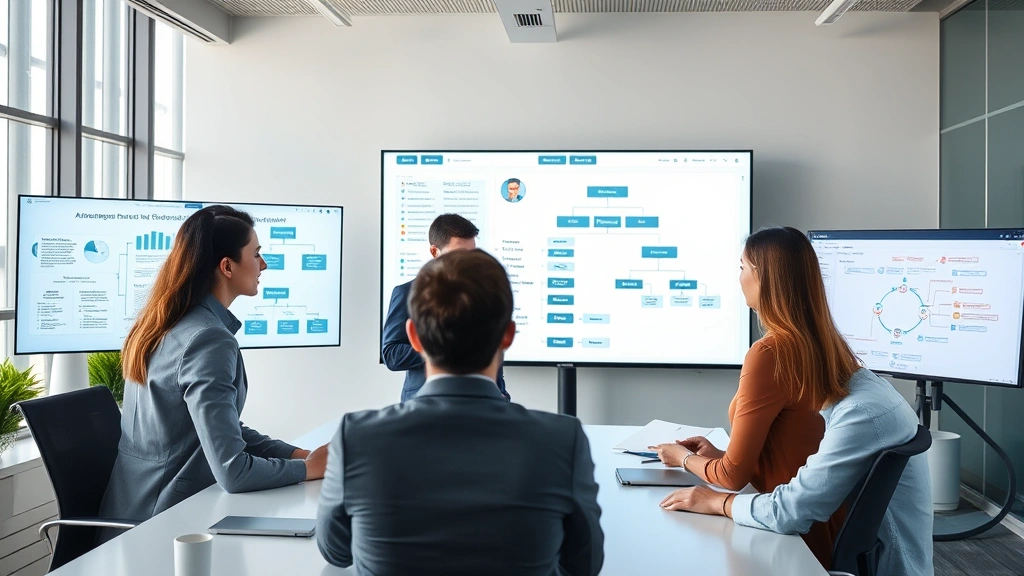
GA Power Careers: Insider Tips for Job Seekers
Georgia Power Company stands as one of the largest electric utility providers in the United States, serving millions of customers across Georgia and beyond. With a workforce of over 24,000 employees, the company represents a significant employment hub for professionals seeking stable, well-compensated careers in the energy sector. Whether you’re interested in engineering, operations, customer service, or corporate management, understanding how to navigate the GA Power hiring process can dramatically improve your chances of landing your ideal position.
The energy industry continues to evolve with technological advancement and sustainability initiatives, creating diverse career pathways that appeal to professionals from various backgrounds. Georgia Power actively recruits talent to support infrastructure modernization, renewable energy integration, and digital transformation initiatives. This guide provides comprehensive insider knowledge to help you position yourself as a competitive candidate and succeed in your career journey with one of the Southeast’s most influential employers.
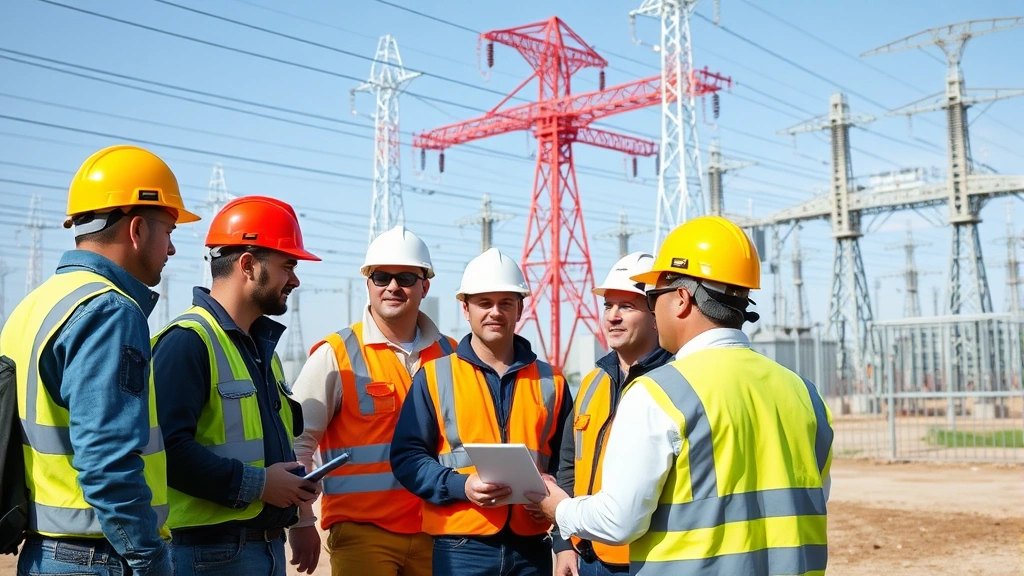
Understanding Georgia Power’s Organizational Structure
Georgia Power operates as a subsidiary of Southern Company, one of America’s largest energy producers. This corporate structure influences hiring practices, compensation frameworks, and career advancement opportunities. The company maintains several operational divisions, each with distinct hiring needs and career trajectories. Understanding this organizational landscape helps you identify where your skills align best and which departments actively recruit.
The utility operates across generation, transmission, distribution, and customer service functions. Generation facilities include nuclear plants, coal-fired stations, natural gas facilities, and increasingly, renewable energy installations. Transmission and distribution networks require skilled technicians, engineers, and project managers to maintain infrastructure serving millions of households and businesses. Each division values different skill sets, from electrical engineering to data analytics to project management.
As a major utility company, Georgia Power maintains strict safety standards and regulatory compliance protocols. This corporate culture emphasizes reliability, accountability, and continuous improvement. Job seekers should familiarize themselves with industry regulations, including those enforced by the Nuclear Regulatory Commission (NRC) and Federal Energy Regulatory Commission (FERC), as these frameworks shape daily operations and hiring priorities.

Career Pathways and Job Categories
Georgia Power recruits across multiple career categories, each offering distinct advancement potential. Engineering positions represent one of the largest hiring areas, encompassing electrical engineers, civil engineers, mechanical engineers, and controls engineers. These roles require bachelor’s degrees in relevant disciplines and often demand professional engineering licensure (PE) or working toward such certification.
Operations and maintenance positions form the backbone of utility operations. These include power plant operators, substation technicians, field service technicians, and equipment specialists. Many of these roles value trade certifications and hands-on experience alongside formal education. The company actively recruits from vocational programs and technical schools, recognizing that practical skills prove invaluable in utility operations.
Corporate and administrative positions span human resources, finance, information technology, procurement, and strategic planning. These roles typically require business degrees and relevant professional experience. IT positions have become increasingly critical as Georgia Power modernizes infrastructure and implements smart grid technologies. If you’re exploring corporate career options, review our guide on best business management software to understand technological tools that power modern utility operations.
Customer service and sales roles provide entry points for candidates without specialized technical backgrounds. These positions offer pathways to supervisory and management roles within the customer experience division. The company values employees who can balance operational knowledge with customer-centric communication.
Recent graduate programs and internship opportunities deserve special attention. Georgia Power maintains robust entry-level programs designed to develop emerging talent. These programs typically offer structured mentorship, rotational assignments, and accelerated professional development. Candidates with recent degrees should prioritize applying for these dedicated pathways rather than competing directly for experienced-level positions.
The Application and Screening Process
Georgia Power utilizes an online applicant tracking system (ATS) for initial screening. This technological gatekeeping means your application must be optimized for both human reviewers and automated systems. Use specific keywords from job descriptions throughout your resume and cover letter. Include technical competencies, certifications, and relevant software proficiencies that match the position requirements.
The application portal requires detailed information beyond standard resumes. You’ll need to provide employment history with exact dates, educational credentials with graduation dates, and specific technical skills. Completeness matters significantly; incomplete applications often trigger automatic rejection. Take time to thoroughly fill every field, as inconsistencies between your resume and application portal can raise red flags during background checks.
After initial screening, qualified candidates typically receive assessments tailored to their position category. Technical roles may include aptitude tests, safety knowledge assessments, or equipment-specific evaluations. Corporate positions might feature behavioral assessments or numerical reasoning tests. These evaluations help identify candidates with foundational competencies required for success.
Successful assessment completion leads to phone screening interviews with hiring managers or recruiters. This 20-30 minute conversation assesses communication skills, motivation, and basic qualifications. Prepare specific examples demonstrating your technical knowledge and problem-solving abilities. Research the specific division and role thoroughly before this conversation; candidates who articulate genuine interest in utility operations and the company’s mission perform significantly better.
Background checks represent a critical hurdle, particularly for positions involving nuclear facilities or critical infrastructure. Georgia Power conducts thorough background investigations including criminal history, credit checks, and reference verification. Ensure your references can speak to your reliability, work ethic, and technical competencies. Address any potential concerns proactively during interviews rather than allowing background checkers to uncover surprises.
Preparing for Technical and Behavioral Interviews
On-site interviews typically involve multiple rounds with various stakeholders. Technical interviews assess your actual capability to perform job functions. Engineers should prepare to discuss past projects, design decisions, and problem-solving approaches. Operations candidates might face scenario-based questions about equipment failures or safety situations. Come prepared with specific examples from your professional history that demonstrate technical competence.
Behavioral interviews explore how you approach challenges, collaborate with colleagues, and respond to pressure. Georgia Power values safety consciousness above nearly everything else. Prepare stories demonstrating your commitment to safe practices, your ability to speak up about safety concerns, and your experience working in regulated environments. The company uses structured behavioral questioning (STAR method: Situation, Task, Action, Result) extensively, so practice articulating your experiences using this framework.
Ask thoughtful questions about infrastructure modernization, the company’s renewable energy strategy, and how the role contributes to system reliability. Candidates who understand how companies in the consumer services field balance operational excellence with customer satisfaction demonstrate valuable perspective. Your questions should reflect genuine curiosity about the utility’s strategic direction and your potential contribution.
Panel interviews often include your potential manager, peer-level employees, and sometimes HR representatives. Each panel member evaluates different competencies. Managers assess technical fit and leadership potential. Peers evaluate cultural fit and collaboration style. HR focuses on behavioral indicators and alignment with company values. Maintain consistent messaging across all interactions while personalizing responses to each interviewer’s focus area.
Research recent company news before interviews. Georgia Power’s investments in grid modernization, electric vehicle charging infrastructure, and renewable energy projects represent significant strategic initiatives. Demonstrating awareness of these priorities shows genuine interest and positions you as an informed candidate who understands the company’s future direction.
Salary Expectations and Compensation
Compensation at Georgia Power generally exceeds regional averages for comparable positions in other industries. Entry-level positions with bachelor’s degrees typically start between $50,000-$65,000 depending on discipline and location. Engineers with relevant experience command significantly higher salaries, often ranging from $75,000-$120,000 based on specialization and experience level. Senior technical and management positions can exceed $150,000 with comprehensive benefits packages.
The company structures compensation using defined pay bands tied to job levels and experience. Understanding where your background positions you within these bands helps you negotiate effectively. Research company salary databases and industry resources to identify competitive benchmarks before salary discussions. When asked your expectations, provide a range rather than a single number, and anchor your range to market research rather than arbitrary figures.
Sign-on bonuses occasionally appear for specialized technical roles and management positions, particularly when recruiting from outside the utility industry. These bonuses acknowledge the learning curve required to transition into utility operations. Don’t hesitate to inquire about sign-on bonuses if not mentioned; they represent negotiable components of your total compensation package.
Shift differentials apply to positions requiring evening, night, or weekend work. These premiums can add 10-15% to base compensation depending on shift assignments. Understanding which roles require shift work helps you evaluate total compensation and work-life balance implications.
Employee Benefits and Development
Georgia Power’s benefits package ranks among the most competitive in the utility sector. Comprehensive health insurance, dental, and vision coverage begin immediately upon hire. The company contributes substantially to employee health insurance premiums, making out-of-pocket costs reasonable compared to industry standards. Prescription drug coverage includes preventive medications at no cost, reflecting the company’s emphasis on employee wellness.
Retirement benefits include both a defined benefit pension plan and a 401(k) plan with company matching contributions. The pension plan provides lifetime income security, a significant differentiator from many private sector employers. Vesting schedules typically begin immediately, meaning you accumulate pension benefits from your first day of employment. This long-term security appeals to employees prioritizing retirement readiness.
Professional development opportunities abound throughout the organization. The company supports employees pursuing professional licenses, including PE certification for engineers and various utility industry certifications. Tuition reimbursement programs cover relevant degree programs and professional certifications. These investments in employee development create clear pathways for career advancement within the company.
Training programs for technical roles are extensive and often required. New employees in operations roles complete comprehensive safety and equipment-specific training programs lasting weeks or months depending on position. The company views this training investment as essential to maintaining safety culture and operational excellence. Candidates should expect and prepare for substantial onboarding periods before assuming full independent responsibilities.
Work-life balance initiatives include flexible scheduling options for corporate roles and family-friendly policies. The company offers paid time off packages exceeding industry standards, with generous vacation, sick leave, and personal days. Parental leave policies support both mothers and fathers, reflecting modern workforce values while maintaining operational continuity.
Networking and Internal Mobility
Internal mobility represents one of Georgia Power’s greatest strengths for career development. Employees can pursue advancement within their current division or transition across different operational areas. The company actively promotes internal candidates, meaning career progression often involves lateral moves that build diverse experience before advancement to management. This creates opportunities to develop well-rounded skill sets across utility operations.
Networking within the company accelerates career development. Attend company events, professional association meetings, and industry conferences where Georgia Power employees gather. Building relationships with colleagues across divisions opens doors for internal transfers and provides mentorship opportunities. The company culture generally encourages knowledge-sharing and cross-functional collaboration, making networking both professionally valuable and personally rewarding.
Professional associations within the utility industry provide networking platforms beyond company boundaries. Memberships in organizations like the American Society of Power Engineers (ASPE) or IEEE Power & Energy Society connect you with industry peers and keep you current on emerging technologies and best practices. Georgia Power values employees who maintain professional certifications and industry involvement.
Mentorship programs, both formal and informal, significantly impact career trajectories. Seek experienced colleagues willing to provide guidance as you navigate company culture and identify growth opportunities. Many senior employees actively mentor emerging talent, viewing it as a responsibility to develop the next generation of utility professionals. These relationships often prove invaluable when advancement opportunities emerge.
LinkedIn networking should extend beyond passive presence. Engage with Georgia Power employees, follow the company page, and participate in industry discussions. When you identify internal positions matching your qualifications, reaching out to current employees in those departments can provide valuable insights and potentially expedite your application review. This approach demonstrates genuine interest while leveraging your professional network effectively.
FAQ
What qualifications does Georgia Power prioritize most for technical roles?
Georgia Power prioritizes safety consciousness, relevant technical education, and demonstrated problem-solving ability above nearly everything else. For engineering roles, bachelor’s degrees in electrical, civil, or mechanical engineering are essential. Operations roles value trade certifications and hands-on experience. Professional licensure (PE for engineers) or working toward certification strengthens all technical applications significantly.
How long is the typical hiring process at Georgia Power?
The hiring timeline typically spans 4-8 weeks from initial application to job offer. This includes ATS screening (1-2 weeks), assessment completion (1 week), phone screening (1-2 weeks), on-site interviews (1-2 weeks), background check (2-3 weeks), and final offer extension. Expedited timelines occasionally occur for critical positions, while competitive roles might extend longer as the company carefully evaluates multiple qualified candidates.
Does Georgia Power offer remote work opportunities?
Remote work opportunities exist primarily in corporate and IT roles. Operations, maintenance, and field service positions require on-site presence due to the nature of utility operations. Corporate roles increasingly offer hybrid arrangements with specific remote work days negotiated between employees and managers. During your application process, clarify work arrangement expectations for your specific position category.
What’s the best way to prepare for a Georgia Power technical interview?
Review the specific systems, equipment, and processes relevant to your target role. Study recent company news about grid modernization and infrastructure projects. Prepare concrete examples from your professional history using the STAR method, emphasizing safety consciousness and problem-solving approach. Research the specific power plant, substation, or facility where you’d work if possible, and understand its operational characteristics and challenges.
Are there advancement opportunities for non-engineering positions?
Absolutely. Georgia Power promotes talented employees across all career categories into management and leadership roles. Customer service representatives advance to supervisory positions. Technical specialists move into team lead and management roles. Corporate professionals progress through their functional areas into senior management. The company values diverse backgrounds and experiences, creating advancement pathways for high-performing employees regardless of their starting position.
How important is industry experience for Georgia Power positions?
Industry experience is valuable but not always required, particularly for entry-level and recent graduate positions. The company invests significantly in training employees new to utility operations. That said, candidates with utility industry background or related experience (power generation, transmission, distribution, electrical systems) receive preferential consideration. If you lack direct utility experience, emphasize transferable skills, technical foundation, and demonstrated ability to learn complex systems quickly.
What should I know about Georgia Power’s safety culture before applying?
Safety is non-negotiable at Georgia Power. The company maintains rigorous safety standards, conducts regular training, and holds all employees accountable for safe practices. Zero-incident goals drive operational decisions. During interviews, consistently emphasize your commitment to safety, your experience working in safety-conscious environments, and your willingness to speak up about potential hazards. Candidates who demonstrate safety consciousness gain significant competitive advantage in the hiring process.