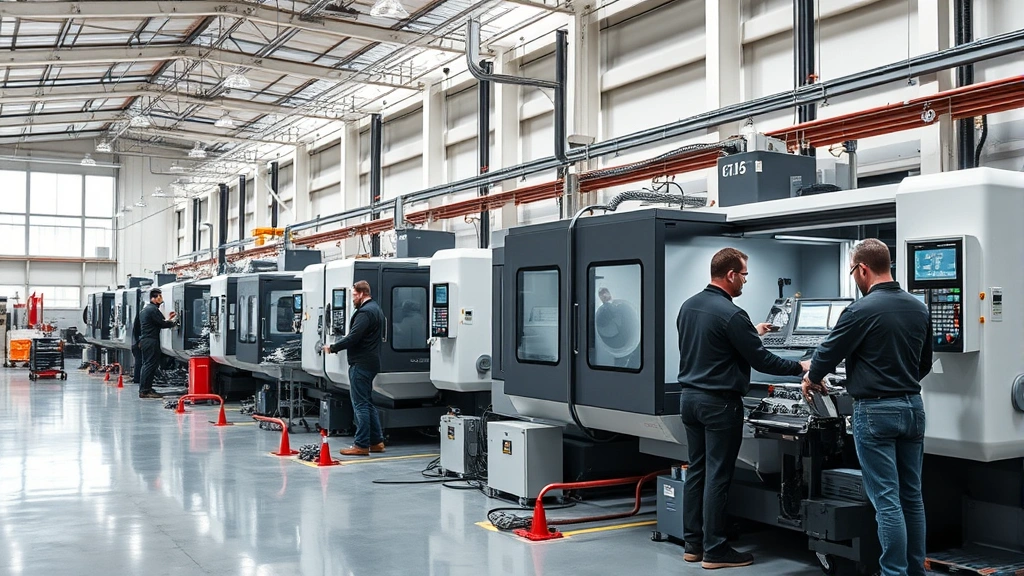
American Arms Company: Industry Overview
The American arms manufacturing industry represents a significant segment of the U.S. defense and commercial sectors, encompassing companies that produce firearms, ammunition, tactical equipment, and related defense systems. This diverse industrial ecosystem has evolved substantially over the past two decades, driven by changing geopolitical circumstances, technological innovation, regulatory frameworks, and shifting market demands. Understanding the landscape of American arms companies requires examining their operational structures, market dynamics, competitive pressures, and strategic positioning within broader global defense markets.
American arms manufacturers operate within a highly regulated environment characterized by federal oversight, state-level restrictions, and international trade considerations. These companies range from large-scale defense contractors serving government and military clients to specialized manufacturers focused on civilian markets, law enforcement applications, and commercial distribution channels. The industry’s resilience and growth trajectory depend heavily on maintaining operational excellence, adhering to stringent compliance requirements, and adapting to evolving customer expectations across multiple market segments.
Market Structure and Key Players
The American arms manufacturing industry comprises several distinct categories of companies, each occupying specific market niches and serving particular customer segments. Large-scale defense contractors like General Dynamics, Lockheed Martin, and Raytheon Technologies maintain substantial arms manufacturing divisions alongside broader defense system development. These corporations benefit from government contracts, advanced research capabilities, and integrated supply chains that support military modernization initiatives.
Mid-sized manufacturers focus on specialized production segments, including small arms, ammunition, and tactical components. Companies such as Smith & Wesson, Sturm Ruger, and Vista Outdoor have established strong market positions through brand recognition, manufacturing expertise, and diversified product portfolios. These organizations typically balance government contracting with commercial market opportunities, enabling revenue diversification and operational stability.
Smaller specialized manufacturers and component suppliers form the backbone of the industry’s supply ecosystem. These companies produce precision-engineered parts, ammunition components, and specialized equipment that larger manufacturers integrate into finished products. This tiered market structure creates interdependencies that strengthen overall industry resilience and enable technological advancement across multiple production levels.
Market consolidation has accelerated in recent years, with larger companies acquiring specialized manufacturers to expand product lines and enhance operational capabilities. This consolidation trend reflects competitive pressures, regulatory compliance costs, and the need for integrated manufacturing platforms that can serve multiple customer segments efficiently.
Regulatory Framework and Compliance
American arms companies operate within one of the world’s most comprehensive regulatory frameworks governing manufacturing, sales, and distribution. The federal government establishes baseline requirements through agencies including the Bureau of Alcohol, Tobacco, Firearms and Explosives (ATF), the Department of Defense, and the State Department. These regulatory bodies establish standards for manufacturing facilities, product safety, record-keeping, and export compliance.
State and local regulations create additional complexity, as individual states maintain varying restrictions on product types, distribution channels, and manufacturing operations. Companies must navigate this fragmented regulatory landscape while maintaining operational efficiency and cost-effectiveness. Business process mapping tools help streamline compliance workflows across multiple jurisdictions and operational divisions.
Export controls represent another critical compliance dimension, particularly for companies seeking international market opportunities. The International Traffic in Arms Regulations (ITAR) establish strict parameters governing technology transfer, manufacturing partnerships, and distribution to foreign entities. Companies must implement robust compliance systems, conduct regular audits, and maintain detailed documentation to avoid penalties and operational disruptions.
Environmental regulations require arms manufacturers to implement sustainable production practices, manage hazardous materials properly, and minimize waste streams. These requirements increase operational costs but also drive innovation in manufacturing processes and materials science. Effective complaint handling processes extend to regulatory compliance matters, ensuring systematic responses to violations and corrective actions.
Manufacturing Operations and Supply Chain
Modern American arms manufacturing relies on sophisticated production facilities employing advanced machining, precision casting, and quality control technologies. Manufacturing plants typically operate at high capacity utilization rates, requiring significant capital investment in equipment, tooling, and facility infrastructure. The industry has increasingly adopted lean manufacturing principles and just-in-time inventory systems to optimize operational efficiency and reduce carrying costs.
Supply chain management represents a critical operational function, particularly given the specialized nature of many components and materials. Arms manufacturers source raw materials including steel, polymers, and specialty metals from domestic and international suppliers. They must ensure supply reliability, maintain quality standards, and manage geopolitical risks that could disrupt material flows.
Vertical integration varies across the industry, with larger manufacturers maintaining control over multiple production stages while smaller companies focus on specialized segments. This variation creates opportunities for strategic partnerships and subcontracting relationships that distribute manufacturing risk and enable specialized expertise development.
Quality assurance systems are paramount in arms manufacturing, as product failures can have serious safety and legal consequences. Companies implement rigorous testing protocols, maintain detailed manufacturing records, and employ statistical process controls to ensure consistency and reliability. These quality systems exceed typical manufacturing standards and reflect the critical nature of firearms and ammunition products.

Market Segmentation and Customer Base
American arms companies serve diverse customer segments with distinct requirements, procurement processes, and purchasing power. The U.S. military and Department of Defense represent the largest customer segment, purchasing weapons systems, ammunition, and related equipment through competitive bidding processes. These government contracts provide substantial revenue but require extensive compliance, security clearances, and adherence to strict specification requirements.
Law enforcement agencies at federal, state, and local levels constitute a significant market segment, procuring firearms, ammunition, and tactical equipment through established vendor relationships. These customers require products meeting specific performance standards and often benefit from volume pricing and long-term supply agreements.
Commercial civilian markets represent the largest segment by unit volume, encompassing hunting, sport shooting, and personal protection applications. This segment is highly price-sensitive and influenced by consumer preferences, marketing effectiveness, and brand loyalty. Strategic business networking strengthens relationships with distributors and retailers who serve civilian markets.
International markets provide growth opportunities for companies with export licenses and appropriate compliance systems. Allied nations, particularly within NATO, represent preferred export destinations, while emerging markets offer long-term growth potential despite regulatory complexity and political risks.
Technological Innovation and R&D
Research and development activities drive competitive differentiation in the arms manufacturing industry, with companies investing substantially in advanced materials, manufacturing processes, and product design. Modern firearms incorporate sophisticated ergonomic features, modular design architectures, and integrated systems that enhance functionality and user experience. Ammunition manufacturers invest in ballistic optimization, materials science, and manufacturing precision to improve performance and consistency.
Defense contractors maintain advanced R&D facilities focused on next-generation weapon systems, including smart weapons, automated systems, and integrated defense networks. These development efforts require significant capital investment and often involve collaboration with academic institutions and government laboratories. Employee engagement in R&D activities proves critical for attracting and retaining engineering talent necessary for sustained innovation.
Digital transformation initiatives are reshaping manufacturing operations, with companies implementing advanced analytics, artificial intelligence, and automation technologies. These investments improve production efficiency, enhance quality control, and enable predictive maintenance systems that reduce downtime and optimize asset utilization.
Additive manufacturing technologies, including 3D printing, are gradually being integrated into production workflows for specialized components and prototyping applications. These technologies offer flexibility in design iteration and production customization while reducing material waste and manufacturing timelines.
Competitive Dynamics and Market Consolidation
The American arms manufacturing industry exhibits moderate-to-high concentration at the large-company level, with several major defense contractors controlling substantial market share. This concentration reflects barriers to entry, regulatory complexity, and capital requirements that limit new competitor emergence. However, specialized niches remain accessible to smaller manufacturers with focused expertise and efficient operations.
Price competition exists primarily in commodity segments including ammunition and basic firearms, where manufacturers compete on production efficiency and distribution capabilities. Premium segments featuring advanced technology, specialized designs, or high-performance characteristics command price premiums reflecting superior capabilities and brand value.
Consolidation trends continue as larger companies acquire specialized manufacturers to expand product portfolios and enhance market coverage. These acquisitions provide growth capital and operational resources to smaller companies while enabling larger firms to reduce competitive threats and achieve economies of scale.
International competition presents ongoing challenges, particularly from European and other manufacturers with strong export capabilities. However, domestic content requirements in government procurement and trade barriers protect American manufacturers in significant market segments.
Workforce Development and Operational Excellence
American arms manufacturers compete intensely for skilled manufacturing talent, including machinists, engineers, quality specialists, and production managers. Industry wages and benefits must remain competitive to attract and retain experienced personnel in tight labor markets. Best practices in company culture and employee development distinguish leading manufacturers in talent acquisition and retention.
Training and development programs are essential for maintaining workforce capabilities and adapting to technological change. Companies invest in apprenticeships, technical certifications, and continuing education to build human capital and prepare employees for advancement opportunities. These investments strengthen organizational resilience and support long-term competitive positioning.
Safety culture represents a critical operational priority, with companies implementing comprehensive programs to prevent workplace injuries and maintain healthy work environments. Safety performance metrics influence insurance costs, regulatory standing, and employee satisfaction, making safety excellence a strategic business priority.
Operational excellence initiatives, including continuous improvement programs and lean manufacturing methodologies, drive productivity gains and cost reduction across the industry. These systematic approaches to process optimization generate competitive advantages while improving employee engagement and workplace satisfaction.

FAQ
What are the primary regulatory agencies overseeing American arms manufacturers?
The Bureau of Alcohol, Tobacco, Firearms and Explosives (ATF) provides primary federal oversight, while the Department of Defense manages military procurement and the State Department controls export licensing through ITAR regulations. State and local governments also establish additional requirements affecting manufacturing, sales, and distribution activities.
How do American arms companies manage export compliance?
Companies implement comprehensive compliance systems addressing ITAR requirements, conduct regular audits, maintain detailed documentation, and obtain appropriate export licenses before engaging in international transactions. Compliance violations carry severe penalties including criminal liability, making robust systems essential for international operations.
What market segments drive revenue for American arms manufacturers?
The U.S. military and Department of Defense represent the largest institutional customer, followed by law enforcement agencies. Commercial civilian markets generate the highest unit volumes through hunting, sport shooting, and personal protection applications. International markets provide supplementary revenue for companies with appropriate export licenses.
How is technology reshaping arms manufacturing?
Advanced materials, precision manufacturing technologies, digital analytics, and additive manufacturing are transforming production capabilities and product performance. Defense contractors invest heavily in next-generation weapon systems featuring automation, smart capabilities, and integrated network functions that enhance military effectiveness.
What consolidation trends characterize the industry?
Larger defense contractors acquire specialized manufacturers to expand product portfolios and achieve operational scale. These consolidation activities reflect regulatory compliance costs, capital requirements, and competitive pressures that advantage larger, integrated organizations with diverse revenue streams.
How do companies attract and retain manufacturing talent?
Competitive wages, comprehensive benefits, training programs, and positive workplace cultures enable companies to compete for skilled personnel. Investment in employee development, safety culture, and advancement opportunities strengthen talent retention and organizational capability development.