American Water Heater’s Efficiency? Expert Review
American Water Heater Company stands as a pivotal player in the residential and commercial water heating solutions market, serving millions of households and businesses across North America. With decades of manufacturing experience, the company has built a reputation for producing reliable water heaters that balance performance with energy efficiency. This comprehensive expert review examines the efficiency standards, technological innovations, and real-world performance metrics of American Water Heater products to help decision-makers evaluate whether these systems deliver on their promises.
The water heating sector represents one of the largest energy consumption categories in American homes, accounting for approximately 17-20% of household energy usage. As utility costs rise and environmental concerns intensify, consumers and business operators increasingly scrutinize the efficiency ratings and long-term operational costs of water heating systems. Understanding how American Water Heater Company products perform against industry benchmarks becomes essential for anyone planning a water heater installation or replacement project.
Energy Efficiency Ratings and Standards
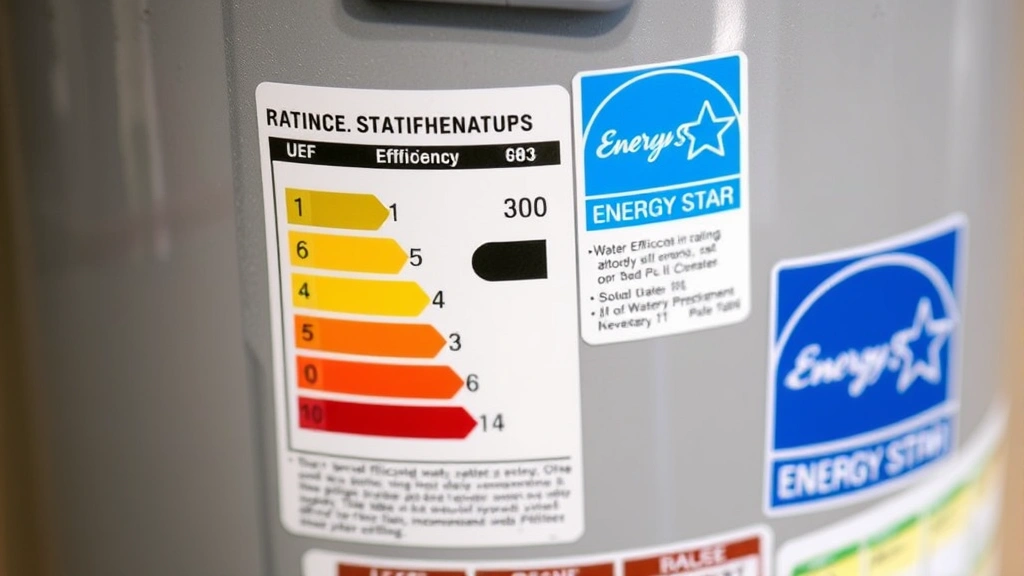
American Water Heater Company products are evaluated against the Uniform Energy Factor (UEF) standard, which replaced the older Energy Factor (EF) metric in 2015. The UEF rating system provides a more accurate representation of real-world efficiency by accounting for standby losses, cycling losses, and actual usage patterns. Most American Water Heater models achieve UEF ratings ranging from 0.59 to 0.95, depending on the specific product line and fuel type.
For electric storage tank models, efficiency ratings typically cluster between 0.75 and 0.95 UEF, positioning these units within the mid-to-upper tier of the market. Gas-fired water heaters from American Water Heater generally achieve UEF ratings between 0.59 and 0.80, which aligns with industry standards for conventional atmospheric venting systems. The company also manufactures high-efficiency condensing models that exceed 0.90 UEF, though these premium options command higher initial purchase prices.
When evaluating efficiency claims, it’s crucial to understand that UEF ratings represent laboratory conditions rather than absolute guarantees of performance in every installation scenario. Variables such as incoming water temperature, ambient temperature, usage patterns, and installation quality significantly influence actual efficiency outcomes. According to Harvard Business Review‘s analysis of energy efficiency investments, properly installed high-efficiency water heaters can reduce heating costs by 10-15% compared to baseline models, though results vary by region and usage patterns.
Technology and Innovation Analysis
American Water Heater Company has integrated several technological advances into their product lineup to enhance efficiency and user convenience. Their newer models feature improved insulation using polyurethane foam, which reduces standby heat loss—a critical factor in overall efficiency. The company employs thicker insulation layers in premium models, often measuring 2.5 inches or more around the tank perimeter.
Temperature and pressure relief valve engineering has evolved significantly within American Water Heater’s design specifications. Advanced models incorporate electronic controls that optimize heating cycles based on demand patterns, reducing unnecessary energy consumption during low-usage periods. Some units feature smart home integration capabilities, allowing homeowners to monitor water temperature, energy consumption, and system diagnostics through mobile applications.
The company’s condensing water heater technology deserves particular attention for commercial and high-volume residential applications. These systems capture heat from exhaust gases that conventional units expel into the atmosphere, converting this waste energy into useful heating. This process can improve efficiency by 5-10 percentage points compared to non-condensing models, though installation requires specialized venting systems and periodic condensate drainage management.
Hybrid electric heat pump water heaters represent American Water Heater’s most innovative efficiency solution, utilizing ambient air temperature to transfer heat into the tank rather than directly generating heat. These models achieve UEF ratings exceeding 2.0 in optimal conditions, making them among the most efficient water heating options available. However, their performance diminishes in cold climates, and they require adequate space for proper heat pump operation.
Performance Comparison with Competitors
Within the competitive landscape of the water heating industry, American Water Heater Company occupies a solid middle-market position. Comparisons with major competitors like Rheem, Bradford White, and AO Smith reveal that American Water Heater generally matches or slightly exceeds industry averages for standard tank models in the equivalent price categories.
For electric storage tanks in the 40-50 gallon capacity range, American Water Heater’s efficiency ratings are competitive with industry leaders. However, premium competitors like AO Smith offer marginally higher UEF ratings in some models, typically by 0.05-0.10 points. When considering the full product lifecycle and McKinsey’s research on total cost of ownership in industrial equipment, American Water Heater’s pricing advantage often compensates for minor efficiency differences.
Gas water heater performance shows more variation across brands. American Water Heater’s conventional models perform comparably to competitors, while their condensing lines lag slightly behind specialized manufacturers who focus exclusively on high-efficiency systems. However, the company’s commitment to continuous improvement has narrowed these gaps significantly over the past five years.
Tankless water heater technology represents an area where American Water Heater faces stronger competition from specialized manufacturers. While the company produces tankless models with respectable efficiency ratings, brands like Navien and Rinnai dominate this segment with superior temperature stability and faster recovery times. For organizations evaluating how to create a business case for water heater upgrades, comparing American Water Heater’s tankless offerings against these specialists is advisable.
Real-World User Experience and Reliability
Reliability data from consumer reports and industry databases indicates that American Water Heater products typically achieve 10-15 year lifespans for residential installations, matching the industry average. The company’s warranty offerings generally include 6-12 year tank warranties and 1-3 year parts/labor coverage, which are competitive with similar manufacturers.
Field reports from plumbers and HVAC professionals suggest that American Water Heater units perform reliably when properly installed and maintained. Regular maintenance—including annual flushing to remove sediment buildup and anode rod inspection—significantly extends operational life and maintains efficiency. Many experienced technicians report that American Water Heater’s parts availability and technical support are adequate, though not exceptional compared to larger manufacturers.
Customer satisfaction ratings vary by region and installer expertise. Units installed by certified professionals typically show higher satisfaction scores than those installed by general contractors unfamiliar with water heater-specific requirements. The efficiency performance of any water heater depends substantially on proper installation, adequate insulation of hot water pipes, and correct thermostat calibration.
One notable consideration involves sediment buildup in hard water regions. American Water Heater tanks without specialized sediment management systems may experience efficiency degradation faster than competitors’ models with integrated sediment traps. In areas with water hardness exceeding 200 ppm, selecting models with enhanced sediment management features becomes a strategic investment.
Cost-Benefit Analysis for Residential Applications
The financial evaluation of American Water Heater products requires analyzing purchase price, installation costs, operational expenses, and expected lifespan. A typical 50-gallon electric model from American Water Heater costs $400-600 wholesale, with retail prices ranging $600-900 before installation. Professional installation adds $300-500 depending on local labor rates and existing infrastructure conditions.
Annual operating costs for a standard household average $300-500 for electric models and $250-400 for gas models, based on national average utility rates. Upgrading to a high-efficiency model might reduce annual operating costs by $40-80, suggesting a payback period of 5-10 years for premium efficiency improvements. This calculation assumes stable utility rates and typical usage patterns; actual results vary significantly by region, household size, and hot water consumption habits.
When developing business partnership agreements for property management companies or rental operations, incorporating water heater efficiency specifications into vendor contracts can yield measurable operational savings. Commercial property managers frequently discover that standardizing on American Water Heater products across multiple properties reduces parts inventory complexity and technician training requirements.
Federal tax credits and utility rebates substantially improve the financial case for efficiency upgrades. Many states offer $300-1,500 rebates for installing Energy Star certified water heaters, and the federal Inflation Reduction Act provides tax credits up to $3,750 for heat pump water heater installations. These incentive programs effectively reduce payback periods by 30-50%.
Commercial and Industrial Applications
American Water Heater Company manufactures commercial-grade units specifically engineered for hotels, apartments, hospitals, and industrial facilities requiring high-volume hot water production. These commercial models feature heavy-duty construction, larger capacities (75-120+ gallons), and enhanced durability specifications suited to continuous operation environments.
Commercial efficiency standards differ from residential metrics, emphasizing recovery rate and sustained performance under peak demand rather than standby efficiency. American Water Heater’s commercial condensing units deliver exceptional efficiency in applications with consistent hot water demand, achieving operational cost reductions of 20-30% compared to conventional commercial models.
For companies directory searches involving facility management and property operations, identifying American Water Heater’s commercial dealer network provides access to specialized support for large-scale installations. The company maintains regional technical support centers and offers customized system designs for complex commercial applications.
Healthcare facilities and food service operations benefit particularly from American Water Heater’s commercial reliability track record. These sectors demand consistent water temperature control and fail-safe operation, requirements that American Water Heater’s commercial product line addresses through redundant safety systems and advanced temperature monitoring.
Environmental Impact and Sustainability
Water heating efficiency directly correlates with environmental impact through reduced energy consumption and lower carbon emissions. American Water Heater’s higher-efficiency models contribute meaningfully to residential and commercial carbon footprint reduction. A typical household upgrading from a 10-year-old water heater to an American Water Heater high-efficiency model reduces annual CO2 emissions by approximately 1-2 tons.
The company has increasingly incorporated sustainable manufacturing practices and recyclable materials into product design. Polyurethane insulation materials have shifted toward formulations with reduced environmental impact, and manufacturing facilities have implemented energy recovery systems. However, American Water Heater’s sustainability initiatives lag somewhat behind industry leaders like AO Smith in transparency and third-party certification.
End-of-life recycling programs for water heater units remain underdeveloped across the industry, including American Water Heater products. Steel tank recycling is straightforward, but insulation and component materials present challenges. Organizations committed to comprehensive sustainability may need to partner with specialized recycling facilities rather than relying on standard scrap metal programs.
For businesses interested in business online marketing strategies emphasizing environmental responsibility, American Water Heater’s efficiency improvements provide legitimate sustainability benefits that resonate with eco-conscious consumers. According to Forbes research on corporate sustainability, energy-efficient appliances represent one of the highest-ROI environmental investments available to residential and commercial property owners.
FAQ
What is the average lifespan of an American Water Heater unit?
American Water Heater units typically last 10-15 years in residential applications with proper maintenance. Factors including water quality, maintenance frequency, and installation quality significantly influence actual lifespan. Commercial units often achieve 15-20 year lifespans due to more robust construction and professional maintenance.
How does American Water Heater’s efficiency compare to tankless systems?
Tankless systems achieve higher efficiency ratings (95%+ UEF) compared to American Water Heater’s tank models (0.59-0.95 UEF), but this advantage diminishes in applications with multiple simultaneous hot water demands. Tank models provide superior recovery capacity and temperature stability, making them preferable for larger households.
Are American Water Heater units Energy Star certified?
Many American Water Heater models carry Energy Star certification, particularly their electric and heat pump variants. Certification eligibility varies by specific model and fuel type. Consumers should verify Energy Star status on product specification sheets before purchase, as certification requirements change periodically.
What maintenance is required to maintain efficiency?
Annual flushing to remove sediment, anode rod inspection every 3-5 years, and thermostat calibration checks preserve efficiency and extend unit lifespan. In hard water regions, more frequent flushing (every 6 months) becomes necessary. Professional maintenance typically costs $150-300 annually.
Do American Water Heater units qualify for rebates or tax credits?
Qualification depends on specific model efficiency ratings and local utility programs. Many American Water Heater models qualify for state-level rebates ($300-1,500) and federal heat pump tax credits (up to $3,750). Consumers should consult local utility companies for current incentive programs and eligibility requirements.
How does installation quality affect efficiency performance?
Proper installation accounts for 15-25% of efficiency variance. Critical factors include adequate insulation of hot water piping, correct thermostat settings, appropriate venting (for gas models), and tank positioning to minimize heat loss. Professional installation by certified technicians ensures optimal efficiency realization.
What is the difference between UEF and Energy Factor ratings?
Energy Factor (EF) was replaced by Uniform Energy Factor (UEF) in 2015 to provide more accurate efficiency representation. UEF accounts for standby losses, cycling losses, and actual usage patterns, making it more reflective of real-world performance than the older EF metric.
Are American Water Heater products suitable for commercial applications?
Yes, American Water Heater manufactures dedicated commercial-grade units specifically engineered for high-volume applications. Commercial models feature enhanced durability, larger capacities, and improved recovery rates compared to residential units, making them appropriate for hotels, apartments, and industrial facilities.
How do regional climate differences affect water heater efficiency?
Cold climates reduce overall efficiency because incoming water temperature is lower, requiring more energy to reach desired temperatures. Heat pump water heaters perform particularly poorly in very cold regions. Gas and electric resistance heaters maintain relatively consistent efficiency across climate zones, though operating costs vary with regional utility rates.
What is the typical return on investment for upgrading to a high-efficiency American Water Heater?
Payback periods typically range from 5-10 years based on current utility rates and usage patterns. Federal rebates and tax incentives can reduce effective payback periods to 3-7 years. Regional utility rates, household size, and current equipment age significantly influence individual ROI calculations.