
Cressi Dive Gear: Expert Review & Business Analysis
Cressi stands as one of the world’s most respected manufacturers of diving and snorkeling equipment, with a legacy spanning over seven decades. Founded in 1946 by Nanni and Luciano Cressi in Genoa, Italy, the company has evolved from a small family enterprise into a global leader in underwater sports equipment. Today, Cressi represents innovation, quality, and reliability in the diving industry, serving both recreational divers and professional underwater specialists across more than 100 countries.
Understanding Cressi’s market position requires examining their product portfolio, manufacturing excellence, competitive advantages, and strategic business model. For entrepreneurs and business professionals evaluating diving equipment suppliers or considering market entry in the sports equipment sector, analyzing Cressi’s operational framework provides valuable insights into sustained competitive advantage and brand building in niche markets.
Company History and Evolution
Cressi’s journey began immediately after World War II when Nanni Cressi, an accomplished diver and engineer, recognized an opportunity to create superior diving equipment. The founder’s personal passion for underwater exploration translated into a commitment to manufacturing products that prioritized both performance and safety. This foundational philosophy remains embedded in Cressi’s corporate culture today, distinguishing them from competitors who entered the market with primarily commercial motivations.
The company’s early decades focused on manufacturing rubber fins and basic diving masks using innovative materials and techniques. By the 1960s, Cressi had expanded into regulators, wetsuits, and underwater cameras, establishing themselves as a full-service diving equipment provider. This vertical integration strategy—developing expertise across multiple product categories—created significant competitive moats that protected their market share from emerging competitors.
Throughout the 1980s and 1990s, Cressi invested heavily in research and development, pioneering technologies that became industry standards. Their commitment to continuous improvement mirrors best practices outlined in business planning frameworks for established enterprises, where long-term vision guides strategic resource allocation. Cressi’s Italian manufacturing heritage provided access to skilled craftspeople and proximity to technical innovation clusters in Northern Europe.

Product Portfolio and Innovation
Cressi’s product range encompasses five primary categories: diving regulators, wetsuits and exposure protection, fins and footwear, masks and snorkels, and underwater accessories including computers and lights. Each category represents specialized expertise developed over decades of research and field testing.
Diving Regulators form the technical cornerstone of Cressi’s portfolio. Their regulators feature balanced designs that maintain consistent breathing performance across varying depths and temperatures. Models range from entry-level recreational units to technical diving specifications, demonstrating market segmentation sophistication. The AC2 and CR-DS models represent their premium offerings, incorporating titanium components and advanced poppet mechanisms that satisfy professional and commercial diving operations.
Wetsuits and Thermal Protection showcase Cressi’s understanding of material science. Their manufacturing process utilizes closed-cell neoprene and innovative lamination techniques that enhance durability while reducing water absorption. Cressi offers thickness options from 1mm for tropical diving to 7mm for cold-water exploration, plus specialized designs for women and children—a market segment often overlooked by competitors. This inclusive product design strategy expands addressable market while building brand loyalty across demographic segments.
Fins and Footwear demonstrate biomechanical engineering principles. Cressi’s fin designs reduce leg fatigue through optimized blade flexibility and foot pocket ergonomics. Their open-heel and full-foot configurations serve different diving styles, reflecting customer-centric product development. The company’s collaboration with underwater athletes provides real-world feedback that informs continuous product refinement.
Masks and Snorkels emphasize optical clarity and comfort. Cressi’s wide-angle mask designs utilize tempered glass and silicone skirts engineered for extended wear without pressure points. Their snorkels incorporate dry-top technology and splash guards, reducing water ingestion during surface swimming—a feature that significantly enhances user experience for recreational divers.
Innovation extends beyond individual products to integrated systems. Cressi’s underwater computers combine dive logging, decompression management, and safety monitoring, representing convergence of hardware and software capabilities that mirror broader digital transformation trends in sports equipment industries.
Manufacturing and Quality Standards
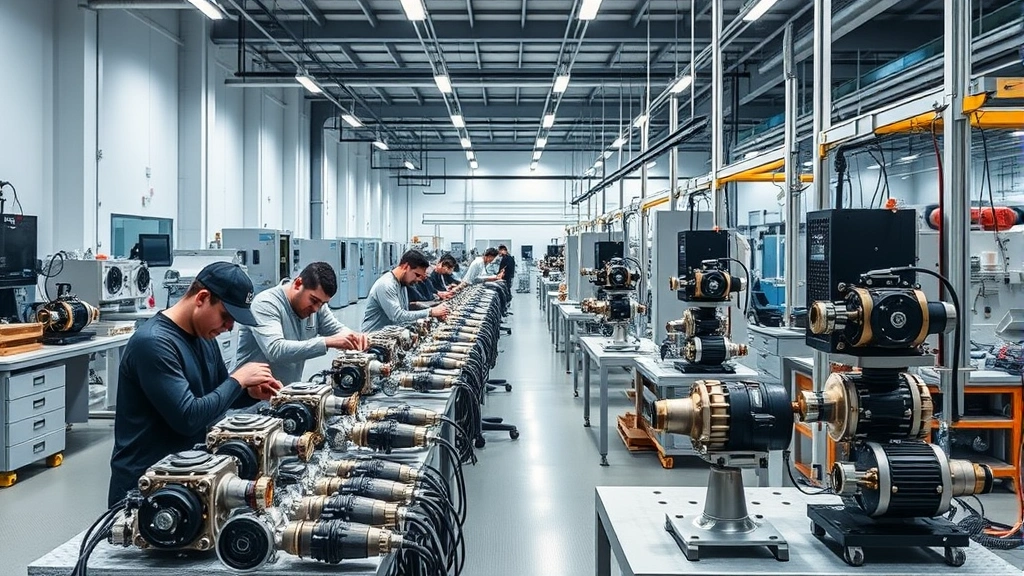
Cressi maintains manufacturing facilities in Italy, Japan, and China, strategically distributed to optimize production efficiency while maintaining quality control. This geographic diversification reduces supply chain vulnerability—a principle emphasized in business continuity planning frameworks. European facilities focus on premium products requiring specialized craftsmanship, while Asian operations handle high-volume production of standardized items.
Quality assurance protocols exceed industry standards. Cressi implements rigorous testing procedures including pressure testing of regulators, tensile strength analysis of wetsuits, and optical verification of masks. Each product batch undergoes random sampling and destructive testing to ensure manufacturing consistency. This commitment to quality control directly impacts brand reputation and customer safety—critical factors in equipment where failure could result in serious injury.
Cressi holds multiple certifications including CE marking for European compliance, ISO standards for manufacturing processes, and specialized certifications from diving organizations like CMAS (Confédération Mondiale des Activités Subaquatiques). These certifications serve as third-party validation of quality standards, providing customers and distributors with confidence in product reliability.
Market Position and Competitive Advantage
Cressi occupies the premium-to-mid-tier segment of the global diving equipment market, competing against brands like Scubapro, Aqualung, and Mares. Unlike competitors focused primarily on North American markets, Cressi maintains balanced geographic distribution across Europe, Asia-Pacific, and emerging markets. This diversified market presence reduces dependence on any single region and provides revenue stability during localized economic fluctuations.
Competitive advantages stem from multiple sources. Brand Heritage represents perhaps the strongest moat—seven decades of consistent quality and innovation create customer loyalty that newer entrants cannot easily replicate. Vertical Integration enables Cressi to control production costs and quality at every stage, from raw material sourcing to finished product assembly. Technical Expertise concentrated in their Italian headquarters attracts world-class engineers and designers, maintaining innovation leadership.
Market research from McKinsey & Company indicates that premium sports equipment brands with strong heritage command price premiums of 15-25% relative to commodity competitors. Cressi’s pricing reflects this premium positioning, justified by superior performance and reliability metrics.
The company’s approach to market positioning aligns with strategic frameworks discussed in SWOT analysis methodologies. Cressi’s strengths (quality, heritage, innovation) directly counter competitive threats from mass-market manufacturers, while their opportunities lie in emerging diving markets in Asia and Latin America where recreational diving participation continues expanding.
Pricing Strategy and Value Proposition
Cressi employs value-based pricing rather than cost-plus pricing, reflecting their premium market positioning. A Cressi regulator typically costs 20-30% more than entry-level alternatives from lesser-known manufacturers, yet 10-15% less than ultra-premium brands like Scubapro’s top-tier offerings. This strategic positioning occupies the “sweet spot” for serious recreational divers who prioritize quality but remain price-conscious.
The value proposition extends beyond equipment performance. Cressi provides comprehensive customer support including detailed product documentation, maintenance guides, and authorized service centers globally. This ecosystem of support services reduces total cost of ownership compared to competing products requiring expensive repairs through limited service networks.
Warranty policies reflect confidence in manufacturing quality. Most Cressi products carry 2-3 year warranties, with some premium items offering lifetime warranties on specific components. These warranty structures signal quality commitment while creating favorable comparisons against competitors offering limited coverage.
Pricing varies by distribution channel and geography, reflecting local market conditions and competitive dynamics. Direct sales through Cressi’s website often feature competitive pricing relative to authorized retailers, creating incentive for consumers to purchase directly while maintaining relationships with distribution partners through selective pricing policies.
Distribution Channels and Market Reach
Cressi utilizes a multi-channel distribution strategy combining direct-to-consumer sales, authorized retailers, dive shops, and online marketplaces. This omnichannel approach maximizes market coverage while maintaining brand control through selective distribution agreements.
Authorized Retailers represent the primary distribution channel, particularly in established markets. Dive shops and sporting goods retailers stock Cressi products, providing customers with hands-on experience before purchase. These retail partnerships also generate valuable feedback informing product development decisions. Cressi supports retailers through training programs, marketing materials, and competitive margins that incentivize active promotion.
Direct-to-Consumer Sales through Cressi’s corporate website allow price optimization and customer relationship management. This channel captures price-sensitive customers while providing data on purchasing patterns and product preferences. E-commerce integration with major platforms like Amazon and specialized diving retailers extends reach without requiring dedicated infrastructure investment.
Geographic Expansion follows deliberate market selection criteria. Cressi prioritizes regions with established diving tourism infrastructure and growing recreational diving participation. Southeast Asia, particularly Thailand and Indonesia, represents a high-growth market where Cressi has invested in local distribution networks and marketing initiatives.
Digital marketing strategies complement traditional retail approaches. Digital marketing frameworks adapted for premium brands emphasize content marketing, technical education, and community engagement rather than aggressive promotional tactics. Cressi sponsors diving events, certifications programs, and underwater expeditions, generating authentic brand visibility among target audiences.
Customer Reviews and Performance Analysis
Independent reviews consistently rank Cressi products favorably across diving enthusiast communities. Analysis of customer feedback reveals several recurring themes that validate the company’s strategic positioning.
Reliability and Durability emerge as the most frequently praised characteristics. Customers report that Cressi equipment performs consistently across multiple diving seasons with proper maintenance. Comparative testing by diving publications often places Cressi regulators and wetsuits at or near the top of performance categories, particularly for cold-water diving.
Comfort and Ergonomics receive consistent positive feedback. Divers specifically mention reduced fatigue with Cressi fins, comfortable fit of wetsuits across diverse body types, and non-fatiguing mask designs. These subjective quality factors significantly influence purchasing decisions for recreational divers seeking extended underwater time.
Price-to-Performance Ratio represents a key differentiator in customer perception. Reviews frequently note that Cressi offers performance approaching premium brands at more accessible price points, making them an attractive option for serious recreational divers upgrading from entry-level equipment.
Negative reviews typically address availability in certain geographic markets, limited color options in some products, and slightly higher maintenance requirements for certain regulator models compared to sealed alternatives. These critiques represent minor issues relative to overall satisfaction metrics, which average 4.3-4.7 out of 5 stars across major review platforms.
Professional diving operations and military organizations utilize Cressi equipment extensively, providing third-party validation of reliability in demanding environments. This professional adoption enhances brand credibility and creates competitive advantages in premium market segments.
Sustainability and Corporate Responsibility
Cressi increasingly integrates environmental sustainability into business operations, recognizing that diving communities depend on healthy ocean ecosystems. Corporate responsibility initiatives address manufacturing impacts and broader environmental stewardship.
Manufacturing Sustainability includes reducing waste in production processes, utilizing recyclable materials where possible, and implementing energy-efficient manufacturing protocols. Cressi’s Italian facilities employ closed-loop water systems and waste reduction programs that minimize environmental footprint relative to industry averages.
Product Design considerations increasingly incorporate longevity and repairability. Modular designs enable component replacement rather than entire product disposal, extending product lifecycles and reducing waste. This approach aligns with circular economy principles gaining prominence in sustainable business models.
Ocean Conservation commitments extend beyond operations. Cressi sponsors marine conservation initiatives, partners with environmental organizations, and educates customers about sustainable diving practices. These programs build brand loyalty among environmentally conscious consumers while contributing meaningfully to ocean health.
Supply chain transparency represents an emerging focus area. Cressi works with suppliers to ensure ethical labor practices and environmental compliance, particularly in Asian manufacturing facilities. This commitment to responsible sourcing addresses growing consumer expectations regarding corporate ethics.
Research from Harvard Business Review indicates that sustainability initiatives increasingly influence purchasing decisions for premium brands, particularly among younger consumers. Cressi’s proactive approach to environmental responsibility positions them favorably as market preferences evolve toward sustainable products.
The company’s sustainability efforts represent strategic alignment with long-term business interests. Protecting ocean environments ensures continued market demand for diving equipment while building brand reputation that supports premium pricing and customer loyalty.
FAQ
What makes Cressi different from other diving equipment manufacturers?
Cressi differentiates through seven decades of heritage, Italian engineering excellence, vertical integration enabling quality control, and consistent innovation. Their balanced approach to premium positioning—offering superior quality at more accessible prices than ultra-luxury competitors—appeals to serious recreational divers seeking reliable equipment without excessive cost premiums.
Are Cressi products suitable for beginners?
Yes, Cressi offers entry-level products specifically designed for beginning divers. Their complete range serves recreational divers from certification level through advanced technical diving, with appropriate equipment for each skill progression. Beginners benefit from Cressi’s quality standards and ergonomic design even at entry-level price points.
How does Cressi maintain quality across multiple manufacturing locations?
Cressi implements standardized quality control protocols across all facilities, with Italian headquarters overseeing quality assurance and product development. Different facilities specialize in products appropriate to their capabilities—premium items in European facilities, high-volume products in Asia—allowing optimization while maintaining consistent standards.
What warranty coverage do Cressi products include?
Most Cressi products carry 2-3 year manufacturer warranties covering defects in materials and workmanship. Premium items often include lifetime warranties on specific components. Warranty terms vary by product category and should be verified at purchase.
Where can I purchase authentic Cressi products?
Authentic Cressi products are available through authorized retailers, specialized dive shops, the official Cressi website, and major online platforms like Amazon. Purchasing through authorized channels ensures warranty coverage and authentic products, avoiding counterfeit items that may appear on unauthorized marketplaces.
How does Cressi support environmental sustainability?
Cressi implements sustainable manufacturing practices, designs products for longevity and repairability, supports marine conservation initiatives, and maintains transparent ethical supply chains. Their commitment recognizes that diving communities depend on healthy ocean ecosystems, making environmental stewardship integral to business strategy.
What is the typical lifespan of Cressi diving equipment?
With proper maintenance and care, Cressi equipment typically provides 5-10+ years of reliable performance. Regulators may require periodic servicing every 1-2 years, while wetsuits and fins generally last 3-5 years depending on usage frequency. Proper storage and maintenance significantly extend equipment lifespan.


