Dean Foods Company represents a fascinating case study in the American dairy industry, showcasing both the opportunities and challenges inherent in large-scale food distribution and production. As one of the nation’s largest dairy processors and distributors, Dean Foods has navigated complex supply chains, evolving consumer preferences, and intense competitive pressures. Understanding its business model provides valuable insights into how major food companies operate, adapt, and ultimately face existential challenges in a rapidly changing market.
The company’s journey from regional processor to national powerhouse, and subsequently through significant restructuring, offers crucial lessons for business leaders, investors, and entrepreneurs interested in the food and beverage sector. This analysis examines Dean Foods’ core business operations, revenue streams, competitive positioning, and the strategic decisions that shaped its trajectory.
Dean Foods Business Model Overview
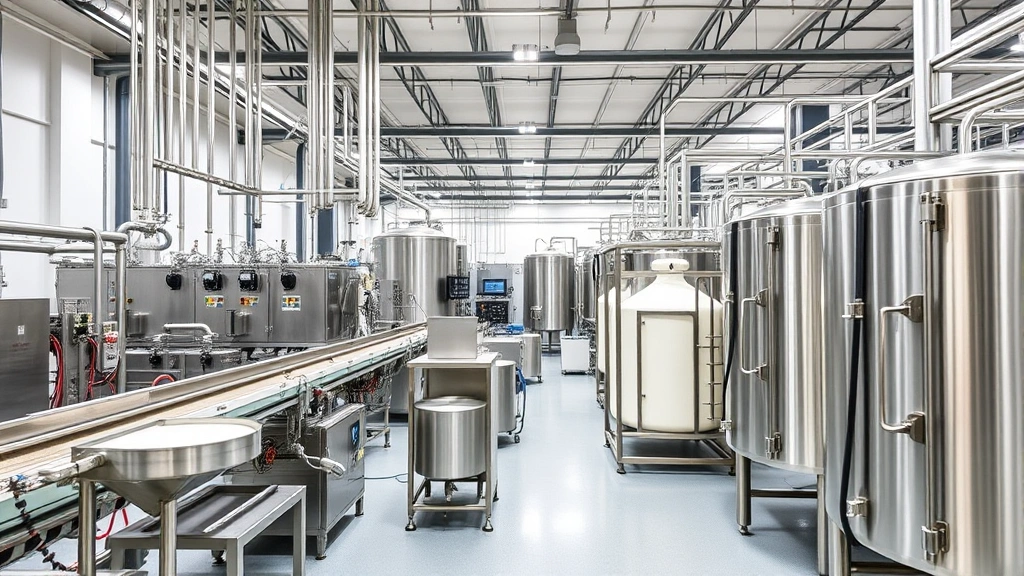
Dean Foods operated as a vertically integrated dairy company with operations spanning milk production, processing, packaging, and distribution. The company’s fundamental business model centered on acquiring milk from dairy farmers, processing it into various consumer products, and distributing these products through retail channels to end consumers.
At its peak, Dean Foods maintained a decentralized operational structure with multiple regional processing facilities. This approach allowed the company to serve diverse geographic markets efficiently while maintaining relationships with local dairy suppliers. The company positioned itself as a critical intermediary between American dairy farmers and major retail chains, controlling significant shelf space in supermarkets nationwide.
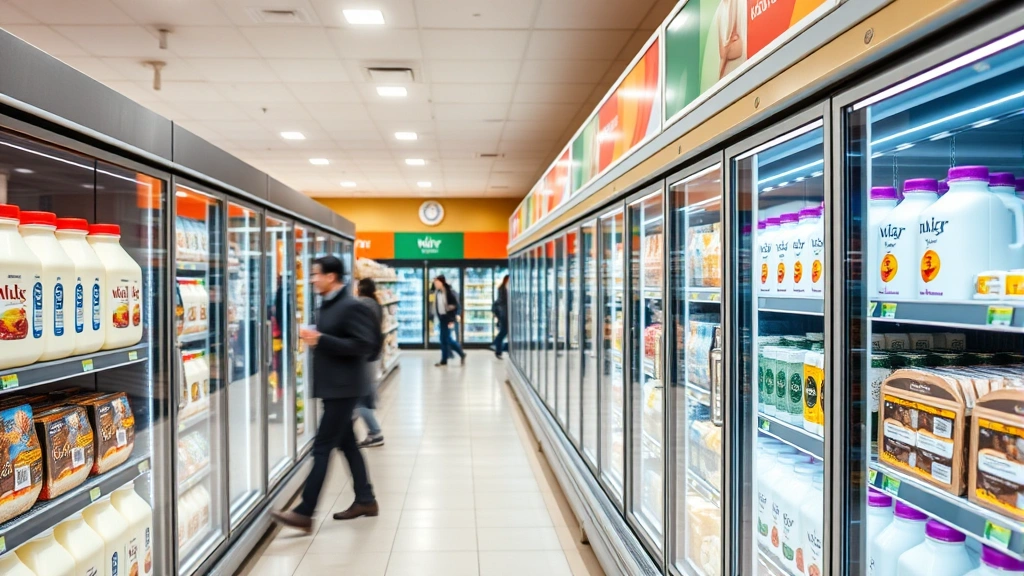
The business model relied heavily on scale economies, with Dean Foods leveraging its size to negotiate favorable terms with retailers while maintaining competitive pricing for consumers. The company operated under multiple brand names—including Horizon Organic, TruMoo, DairyPure, and Meadowgold—allowing it to serve different market segments and price points simultaneously. This multi-brand portfolio strategy enabled Dean Foods to maintain market presence even as consumer preferences shifted toward premium or specialty dairy products.
Core Revenue Streams and Product Categories
Dean Foods generated revenue through several interconnected product categories and service offerings. Fluid milk products represented the company’s largest revenue segment, including conventional white milk, flavored milk, and specialized varieties such as lactose-free and ultra-pasteurized options. These products generated consistent, predictable revenue streams tied closely to commodity milk prices.
Beyond basic milk, Dean Foods expanded into value-added dairy products including yogurt, cultured butter, sour cream, and other cultured products. The Horizon Organic brand particularly contributed significant revenue from premium-priced organic dairy products, capturing market share from health-conscious consumers willing to pay price premiums.
The company also generated revenue through plant-based alternatives and specialty beverages, recognizing shifting consumer preferences away from traditional dairy. This diversification attempt reflected strategic efforts to remain relevant as the dairy industry faced declining consumption trends.
Private label manufacturing represented another critical revenue stream, with Dean Foods producing store-brand dairy products for major retail partners. This business segment provided volume and market presence while maintaining lower margins than branded products.
Understanding how to implement effective customer relationship management systems proved essential for managing these diverse product lines and retail relationships across hundreds of locations.
Supply Chain and Distribution Network
Dean Foods’ competitive advantage historically stemmed from its sophisticated supply chain and distribution infrastructure. The company maintained direct relationships with thousands of dairy farmers, ensuring consistent milk supply while managing quality standards. This farmer-to-consumer pipeline represented a significant barrier to entry for potential competitors.
The company operated numerous regional processing facilities strategically located to minimize transportation costs and maintain product freshness. These facilities incorporated advanced pasteurization, homogenization, and packaging technologies enabling efficient conversion of raw milk into consumer products. The company invested substantially in cold chain logistics, maintaining refrigerated transport and storage systems essential for preserving product quality and safety.
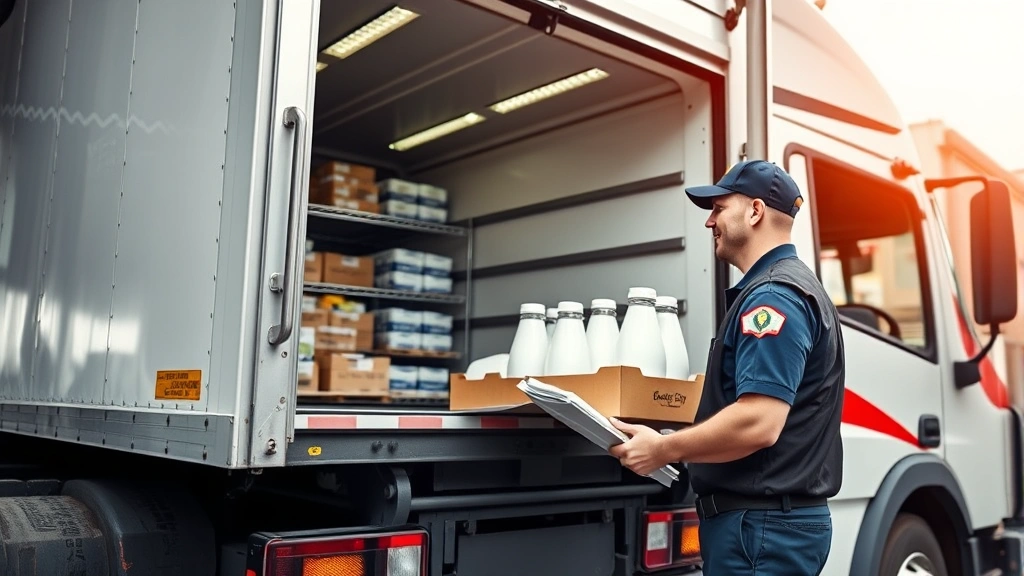
Dean Foods’ distribution network extended to thousands of retail locations, including supermarkets, convenience stores, and foodservice establishments. The company employed direct-store-delivery models in many markets, with company-employed or contracted drivers maintaining product shelf presence and managing inventory. This direct relationship with retail locations provided competitive advantages in product placement and promotional support.
However, this extensive infrastructure also created significant fixed costs and operational complexity. The company faced challenges in optimizing facility utilization as milk consumption declined, leading to stranded capacity and reduced efficiency across the network.
Competitive Landscape Analysis
Dean Foods competed in an intensely fragmented dairy industry characterized by regional players, national competitors, and increasing pressure from international dairy companies. Major competitors included Dairy Farmers of America, Agropur, and Fonterra, each with distinct market strategies and geographic focus.
The competitive environment shifted dramatically with retailer consolidation and the rise of private label products. Large retailers like Walmart and Amazon increasingly leveraged their scale to demand lower prices and develop direct supplier relationships, reducing Dean Foods’ bargaining power. Private label dairy products captured significant market share, particularly among price-sensitive consumers, compressing margins across the industry.
Emerging competitors included plant-based beverage manufacturers like Oatly and Impossible Foods, fundamentally challenging traditional dairy companies’ market assumptions. These alternative beverages attracted younger consumers and health-focused demographics, fragmenting the traditional milk market.
Regional and artisanal dairy producers gained market traction, particularly in organic and grass-fed segments. These competitors offered product differentiation and local sourcing narratives that appealed to specific consumer segments, further fragmenting Dean Foods’ traditional market base.
Developing strong business risk management frameworks became increasingly critical as competitive pressures intensified and market dynamics shifted.
Strategic Partnerships and Retail Relationships
Dean Foods’ success historically depended on maintaining strong relationships with major retail chains. The company supplied products to virtually all significant supermarket chains, convenience store networks, and foodservice distributors. These relationships provided market access but also created dependency risks, as retailers increasingly consolidated purchasing and demanded lower prices.
The company pursued strategic acquisitions to expand its product portfolio and market reach. The acquisition of Horizon Organic for approximately $1 billion represented a pivotal investment in the premium organic segment, recognizing shifting consumer preferences toward organic products. This acquisition provided Dean Foods exposure to higher-margin products and the growing organic dairy market.
Dean Foods also invested in strategic partnerships with foodservice operators and institutional buyers, supplying dairy products to schools, hospitals, and corporate cafeterias. These relationships provided stable volume and diversified revenue beyond traditional retail channels.
However, these partnerships proved vulnerable to disruption. Retailers increasingly developed direct relationships with dairy cooperatives and regional producers, bypassing traditional middlemen like Dean Foods. Amazon’s entry into grocery distribution further threatened traditional retail relationships by offering alternative distribution channels and pricing structures.
Financial Performance and Challenges
Dean Foods’ financial trajectory reflected broader industry challenges and company-specific operational issues. The company faced declining milk consumption across the United States, with per-capita consumption dropping from approximately 25 gallons annually in the 1970s to less than 18 gallons by 2020. This secular decline pressured revenue and created excess capacity across the company’s processing network.
Commodity milk prices fluctuated significantly, creating margin pressure as the company faced milk supply costs it couldn’t fully pass to price-sensitive retailers and consumers. The company maintained high fixed costs from its extensive facility network, creating operational leverage that worked against profitability during periods of declining volume.
Debt accumulated as the company pursued acquisitions and attempted to maintain dividends despite operational challenges. By 2019, Dean Foods carried approximately $1.3 billion in debt, creating financial vulnerability as operational cash flows declined. Interest expenses consumed increasing percentages of operating cash flow, limiting flexibility for strategic investments or shareholder returns.
The company reported declining profitability through the 2010s, with operating margins compressed by competitive pressures and input cost volatility. Ultimately, Dean Foods filed for Chapter 11 bankruptcy in November 2019, representing a dramatic culmination of industry headwinds and company-specific challenges.
Understanding effective business leadership styles during periods of organizational stress proved essential for navigating the company’s difficult transition.
Industry Trends and Market Disruption
The dairy industry experienced fundamental disruption from multiple directions, challenging traditional business models like Dean Foods’. Consumer preferences shifted toward plant-based alternatives, with oat milk, almond milk, and soy milk gaining significant market share. These alternatives appealed particularly to younger consumers, health-conscious demographics, and environmentally-minded purchasers concerned about dairy’s environmental footprint.
According to research from McKinsey & Company, plant-based beverage sales grew at double-digit rates annually, while traditional dairy milk consumption declined. This trend fundamentally challenged Dean Foods’ core business assumption that fluid milk would remain the dominant beverage category.
E-commerce and direct-to-consumer models disrupted traditional retail channels. Companies like Thrive Market and various subscription dairy services offered consumers direct purchasing options, bypassing traditional supermarket distribution. This channel shift reduced the importance of retail shelf presence and direct-store-delivery models that had provided Dean Foods’ competitive advantages.
Sustainability concerns increasingly influenced consumer purchasing decisions. Consumers expressed concerns about dairy farming’s environmental impact, including water usage, greenhouse gas emissions, and waste management. These concerns favored smaller regional producers perceived as more sustainable, disadvantaging large industrial operations like Dean Foods.
Consolidation among retailers created additional pressure. Large retailers like Walmart and Amazon leveraged purchasing power to demand lower prices and develop alternative supplier relationships. The rise of discount retailers and warehouse clubs further compressed margins and reduced retailer dependence on traditional dairy distributors.
Risk Management and Strategic Pivots
Dean Foods’ experience demonstrates the importance of proactive risk management frameworks in identifying and responding to industry disruption. The company faced multiple interconnected risks: secular demand decline, competitive disruption from alternative beverages, retailer consolidation, and commodity price volatility. Effective risk management would have required earlier recognition of these trends and more aggressive strategic pivots.
The company attempted various strategic responses, including acquisitions of premium brands like Horizon Organic, investments in plant-based alternatives, and operational efficiency improvements. However, these initiatives proved insufficient to offset fundamental industry headwinds and the company’s accumulated debt burden.
Dean Foods’ experience underscores the challenge large incumbent companies face when disruption fundamentally challenges core business assumptions. The company’s fixed cost structure, debt load, and organizational inertia limited flexibility to pursue transformative strategic changes. Smaller, more agile competitors unburdened by legacy infrastructure adapted more quickly to changing consumer preferences.
According to Harvard Business Review, incumbent companies often struggle with disruptive change because success in existing markets creates organizational structures, processes, and cultures optimized for defending current positions rather than pursuing new opportunities. Dean Foods exemplified this challenge, with organizational structures built around traditional dairy distribution proving difficult to transform.
The company’s bankruptcy represented a tragic but instructive outcome. Post-bankruptcy, Dean Foods’ assets were acquired by Dairy Farmers of America and other entities, which pursued different operational models and strategic priorities. This transition demonstrated that industry participation remained viable for companies with different cost structures, capital positions, and strategic orientations.
For entrepreneurs and business leaders, Dean Foods’ experience provides crucial lessons about industry disruption and strategic adaptation. Understanding the consumer services landscape and recognizing how companies operate within it helps leaders identify emerging threats and opportunities. Successful companies recognize disruption early, maintain financial flexibility, and pursue strategic pivots before incumbent advantages erode completely.
FAQ
What was Dean Foods’ primary business model?
Dean Foods operated as a vertically integrated dairy company, acquiring milk from farmers, processing it into consumer products, and distributing through retail channels. The company maintained multiple processing facilities and a direct-store-delivery distribution network, operating under brands including Horizon Organic, TruMoo, and DairyPure.
Why did Dean Foods file for bankruptcy?
Dean Foods faced multiple challenges: declining milk consumption, competition from plant-based alternatives, retailer consolidation reducing its bargaining power, and accumulated debt from acquisitions. These factors combined to compress margins and reduce profitability, ultimately leading to Chapter 11 bankruptcy filing in November 2019.
What were Dean Foods’ major revenue streams?
Primary revenue came from fluid milk products (conventional, flavored, and specialty varieties), value-added dairy products (yogurt, cultured butter), organic products through the Horizon brand, private label manufacturing for retailers, and plant-based alternatives.
How did plant-based beverages impact Dean Foods?
Plant-based alternatives fundamentally disrupted the traditional dairy market, capturing market share particularly among younger consumers. This trend contributed to declining overall dairy consumption and fragmented the market Dean Foods served for decades.
What lessons does Dean Foods offer for business leaders?
Dean Foods demonstrates the importance of recognizing industry disruption early, maintaining financial flexibility for strategic pivots, and avoiding organizational structures that limit adaptability. The company’s experience shows how incumbent advantages can erode rapidly when fundamental market assumptions change.
Could Dean Foods have avoided bankruptcy?
Earlier and more aggressive strategic transformation might have improved outcomes. However, the company’s fixed cost structure, debt burden, and organizational inertia limited flexibility. More aggressive portfolio transformation, earlier debt reduction, and more substantial investments in alternative beverages might have improved positioning.
What happened to Dean Foods after bankruptcy?
Dean Foods’ assets were acquired by Dairy Farmers of America and other entities pursuing different operational and strategic models. This transition allowed continued industry participation under different ownership structures and strategic orientations.


