
Dough Pricing Strategies: Expert Tips for Bakery and Food Production Companies
Pricing dough products effectively is one of the most critical decisions a bakery or food production company can make. Whether you’re a small artisan bakery, a wholesale dough supplier, or a large-scale commercial operation, your pricing strategy directly impacts profitability, market competitiveness, and long-term sustainability. The challenge lies in balancing ingredient costs, labor expenses, overhead, market demand, and competitive positioning while maintaining healthy margins that allow for business growth and operational excellence.
Many dough companies struggle with pricing because they underestimate the complexity involved in calculating true product costs. Beyond the obvious expenses like flour, water, yeast, and salt, there are hidden costs including energy consumption for mixing and proofing, packaging materials, storage, quality control, distribution, and spoilage. This comprehensive guide explores proven pricing strategies that successful dough companies use to maximize revenue while remaining competitive in an increasingly challenging marketplace.
Understanding Your True Cost Structure
Before implementing any pricing strategy, dough companies must develop an accurate understanding of their complete cost structure. This goes far beyond simply adding up ingredient costs and applying a markup percentage. According to Harvard Business Review’s pricing research, companies that fail to account for all cost components typically leave 20-30% of potential profit on the table.
Your cost structure should include:
- Direct Material Costs: Flour, water, yeast, salt, fat, sugar, and any specialty ingredients specific to your product line
- Direct Labor: Wages for mixing, shaping, proofing, and packaging staff directly involved in production
- Equipment and Facility Costs: Depreciation, maintenance, and utilities for ovens, mixers, proofers, and storage space
- Packaging and Distribution: Boxes, labels, plastic wrapping, pallets, and transportation to customers
- Quality Control and Waste: Testing, inspection labor, and inevitable spoilage or product loss
- Regulatory Compliance: Food safety certifications, labeling requirements, and inspections
Many dough company owners make the mistake of using cost-plus pricing exclusively, where they simply multiply their direct costs by a fixed percentage. However, this approach ignores market dynamics and customer perception of value. A more sophisticated approach involves implementing a business risk management framework that accounts for demand fluctuations, ingredient price volatility, and competitive pressures.
Consider implementing activity-based costing (ABC) to allocate overhead more accurately. Instead of spreading all overhead costs equally across products, ABC assigns costs based on actual consumption of resources. For example, specialty doughs requiring extended fermentation times should bear more facility costs than quick-rise products. This precision enables more competitive pricing on high-volume, standardized products while justifying premium pricing for specialty items.
Value-Based Pricing Methodology
Value-based pricing represents a fundamental shift from cost-based thinking. Rather than asking “What does this cost to produce?”, the value-based approach asks “What is this worth to my customers?” This distinction is crucial for dough companies seeking competitive advantage and sustainable profitability.
Customers perceive value differently based on multiple factors: product quality, consistency, convenience, delivery speed, brand reputation, and unique attributes. A bakery purchasing dough for sourdough bread values different characteristics than a frozen pizza manufacturer purchasing pre-made dough bases. Understanding these nuanced value propositions allows you to segment your market and implement differentiated pricing.
Research from McKinsey & Company on pricing strategy demonstrates that companies using value-based pricing achieve 10-15% higher margins than cost-plus competitors. To implement this approach for dough products:
- Conduct Customer Research: Interview key accounts to understand what problems your dough solves and what outcomes they value most
- Quantify the Value: Translate qualitative benefits into quantifiable outcomes (e.g., reduced baking time, improved shelf life, consistent rise rates)
- Establish Pricing Tiers: Create distinct product offerings at different price points, each delivering specific value combinations
- Communicate Value Clearly: Educate customers about product benefits and justify premium pricing through transparent communication
For example, if your specialty artisan dough reduces customer baking time by 15% while improving crust quality, this translates to operational efficiency and enhanced end-product quality. You can quantify this value and price accordingly, potentially commanding a 20-30% premium over commodity dough products.
Competitive Analysis and Market Positioning
Understanding your competitive landscape is essential for strategic pricing decisions. Conduct thorough competitive analysis by identifying direct competitors (other dough manufacturers) and indirect competitors (bakeries making their own dough, pre-made frozen alternatives, and international imports).
For each competitor, document their pricing, product positioning, distribution channels, and target customer segments. This intelligence helps you identify pricing gaps and opportunities. Are there underserved market segments where customers perceive high value? Are there commodity segments where price competition is intense and margins are thin?
Position your dough company strategically within this competitive landscape. There are three fundamental positioning options:
- Premium Positioning: Command higher prices through superior quality, consistency, unique recipes, or exceptional service. This requires genuine differentiation and strong brand building
- Value Positioning: Offer competitive quality at lower prices than premium competitors, targeting price-sensitive customers without competing on commodity pricing alone
- Commodity Positioning: Compete primarily on price and availability for standardized, undifferentiated products. This requires operational excellence and cost leadership
Most successful dough companies avoid pure commodity positioning, as it leads to unsustainable margin compression. Instead, they differentiate through specialty products, superior consistency, reliability, or customer service. This allows them to maintain healthier margins while competing effectively.
Tiered Pricing and Volume Discounts
Implementing a tiered pricing structure allows you to serve different customer segments efficiently while maximizing overall revenue. Rather than offering a single price point, create distinct product tiers that appeal to different customer needs and budgets.
A typical tiered approach for dough companies might include:
- Premium Tier: Specialty doughs (sourdough, whole grain, gluten-free) with organic ingredients and extended fermentation. Priced 30-50% above commodity pricing
- Standard Tier: High-quality doughs meeting consistent specifications. Priced at market average, representing your core offering
- Value Tier: Functional doughs optimized for high-volume production. Priced 10-20% below premium, targeting price-sensitive segments
Volume discounts incentivize larger purchases while rewarding loyal customers. However, structure these carefully to maintain profitability. A common mistake is offering discounts that eliminate margin entirely. Instead, use tiered volume pricing where each volume tier has a specific price point:
- Orders 1-100 units: Standard price
- Orders 101-500 units: 5% discount
- Orders 501-1000 units: 10% discount
- Orders 1000+ units: 15% discount
This structure encourages customers to consolidate orders while maintaining healthy margins at all volumes. Importantly, volume discounts should reflect genuine cost savings from reduced handling, packaging, and transaction costs, not arbitrary reductions.
Dynamic Pricing and Seasonal Adjustments
Ingredient costs fluctuate seasonally and based on commodity market conditions. Rather than absorbing these variations and eroding margins, consider implementing dynamic pricing that adjusts to market conditions.
For flour-based doughs, wheat prices exhibit seasonal patterns, typically peaking in summer and declining through winter. Smart dough companies adjust pricing accordingly, increasing prices during high-cost seasons and offering modest discounts during low-cost periods. This approach maintains consistent margins while remaining competitive.
Seasonal demand patterns also justify pricing adjustments. Bakeries typically increase dough purchases before holidays, weekends, and special occasions. Premium pricing during peak demand periods captures additional value, while promotional pricing during off-peak periods maintains capacity utilization.
Implement a quarterly pricing review process that examines:
- Commodity ingredient costs and forward price expectations
- Demand forecasts and capacity utilization rates
- Competitive pricing movements and market share trends
- Customer feedback and price sensitivity indicators
Communicate pricing changes transparently to customers. Rather than surprising them with sudden increases, provide advance notice (typically 30-60 days) with clear explanations. This transparency builds trust and allows customers to adjust their own pricing accordingly.
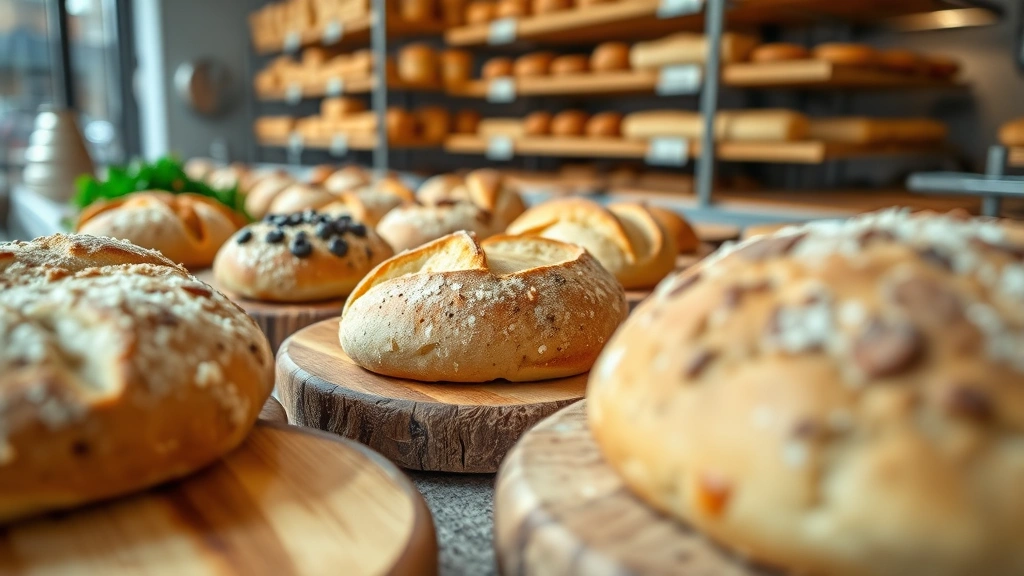
Premium Product Differentiation
Creating premium product lines allows you to serve customers willing to pay higher prices for enhanced value. Differentiation can be based on ingredients, production methods, certifications, or specialized functionality.
Successful premium dough products typically emphasize:
- Ingredient Quality: Organic flour, heritage grain varieties, specialty fats, or clean-label formulations appeal to quality-conscious customers
- Production Methods: Long fermentation, cold-proofing, or artisanal techniques create perceived value and justify premium pricing
- Certifications: Organic, non-GMO, kosher, halal, or allergen-free certifications open premium market segments
- Specialized Functionality: Doughs optimized for specific applications (high-rise, crispy crust, extended shelf-life) command premium pricing for professional bakeries
When launching premium products, invest in customer education and marketing. Premium pricing only works when customers understand and value the differentiation. Many dough companies fail with premium products because they assume customers will recognize quality differences. Instead, actively communicate what makes your premium products different and why that difference matters.
Distribution Channel Strategies
Different distribution channels require different pricing strategies. Direct sales to bakeries typically command higher prices than wholesale distribution through food service distributors, which in turn command higher prices than retail packaged products.
For dough companies, consider these channel-specific approaches:
Direct B2B Sales: Selling directly to bakeries and restaurants allows premium pricing because you provide personalized service, custom formulations, and responsive support. These customers value relationship benefits beyond the product itself. Implement account-based pricing where pricing reflects customer volume, payment terms, and service requirements.
Foodservice Distributors: Working through commercial distribution networks provides access to broader customer bases but involves margin sharing with the distributor. Typically, you receive 40-50% of retail price, with the distributor capturing the remaining margin. Optimize this channel through volume incentives and exclusive product offerings.
Retail Packaged Products: Selling consumer-packaged dough products (frozen or refrigerated) through grocery retailers involves the lowest per-unit price but highest volume potential. Retail pricing must account for slotting fees, promotional support, and retailer margins (typically 25-35%).
Online and Direct-to-Consumer: E-commerce channels allow premium pricing but require investment in digital marketing and logistics. This channel works best for specialty products where customers actively seek your brand and accept premium pricing plus shipping costs.
Develop distinct pricing strategies for each channel rather than attempting uniform pricing across all channels. This flexibility allows you to optimize profitability while remaining competitive within each channel’s dynamics.
Technology and Pricing Optimization
Modern dough companies increasingly use pricing optimization software and data analytics to maximize revenue. These tools analyze historical pricing data, demand patterns, competitive intelligence, and customer segments to recommend optimal pricing.
Key technologies include:
- Price Optimization Software: Platforms like PROS, Zilliant, and Apptio use algorithms to recommend prices that maximize profit while maintaining competitive positioning
- CRM Systems: Customer relationship management platforms track customer segments, purchase history, and price sensitivity, enabling targeted pricing strategies
- Business Intelligence Tools: Dashboards and analytics platforms provide real-time visibility into margin performance, competitive pricing, and profitability by customer segment
- Supply Chain Visibility: Integration with commodity markets and ingredient suppliers provides early warning of cost increases, enabling proactive pricing adjustments
Additionally, as you optimize pricing strategies, consider engaging with digital marketing experts to ensure your pricing messaging reaches target customers effectively. Strong positioning requires both strategic pricing and effective market communication.
For dough companies managing complex logistics and distribution networks, pricing optimization must account for transportation costs and delivery efficiency. Regional pricing strategies that reflect local delivery costs and competitive dynamics often outperform uniform national pricing.
Implement a formal pricing governance process that includes regular reviews (monthly or quarterly), clear accountability for pricing decisions, and documented rationale for price changes. This discipline prevents ad-hoc discounting that erodes margins and ensures consistent application of pricing strategy.

FAQ
What markup should dough companies target?
Target markups depend on your positioning and distribution channel. Premium direct sales often achieve 50-100% markups (2-3x cost), while wholesale distribution typically achieves 30-50% markups (1.3-1.5x cost). Commodity products may achieve only 15-25% markups. Importantly, markup percentage is less important than absolute margin dollars. A 30% markup on high-volume commodity products may generate more profit than a 100% markup on low-volume specialty products.
How often should dough companies adjust prices?
Formal pricing reviews should occur quarterly, with more frequent reviews during volatile commodity markets. However, avoid excessive price changes that confuse customers or damage relationships. Most successful companies implement 1-2 planned price adjustments annually, with additional adjustments only when commodity costs shift dramatically (typically 10%+ changes). Communicate changes with advance notice whenever possible.
How do I know if my pricing is competitive?
Conduct regular competitive price monitoring by purchasing competitor products, requesting quotes, and monitoring industry publications. Use this data to create a competitive pricing matrix showing your prices relative to competitors by product category. If you’re consistently 10-15% above commodity competitors, ensure your positioning and product quality justify the premium. If you’re significantly below competitors, you may be leaving profit on the table.
Should dough companies offer volume discounts?
Yes, but structure them strategically. Volume discounts should reflect genuine cost savings and incentivize customer consolidation. However, avoid excessive discounting that eliminates profitability. Tiered discounts (5-10-15% at increasing volumes) typically work better than aggressive discounts that train customers to expect constant promotional pricing. Consider offering non-price benefits (priority delivery, payment terms, technical support) instead of pure price reductions.
How do I price specialty dough products?
Specialty products should be priced based on perceived value and production costs, not simply marked up from commodity prices. Research customer willingness to pay for specialty attributes (organic ingredients, extended fermentation, specific functionality). Price specialty products 25-50% above commodity equivalents, ensuring the premium reflects genuine differentiation that customers value. Invest in marketing and customer education to justify premium pricing.
What role does customer service play in pricing?
Exceptional customer service justifies premium pricing by creating switching costs and customer loyalty. Customers willing to pay higher prices often do so for responsive support, consistent quality, custom formulations, and reliability. If your positioning emphasizes service advantages, invest in these capabilities and communicate them clearly. Service-based differentiation is more defensible than pure price competition.
How should dough companies price for seasonal demand?
Implement seasonal pricing that reflects demand patterns and ingredient costs. Increase prices modestly (5-10%) during peak demand periods (holidays, summer baking season) and consider promotional pricing during off-peak periods to maintain capacity utilization. Communicate seasonal pricing in advance so customers can plan accordingly. Balance profit maximization with customer retention and relationship preservation.


