Japanese Car Brands: Expert Analysis of Market Leaders and Industry Innovation
The Japanese automotive industry stands as one of the world’s most influential and strategically important sectors, shaping global manufacturing standards, technological advancement, and consumer expectations for over seven decades. Japanese car companies have transcended their origins as cost-conscious manufacturers to become synonymous with reliability, innovation, and operational excellence. Today, brands like Toyota, Honda, Nissan, and Mazda command significant market share across every continent, while luxury manufacturers such as Lexus, Acura, and Infiniti compete directly with European heritage brands. This transformation reflects a deliberate business strategy rooted in continuous improvement, customer-centric design, and unwavering commitment to quality.
Understanding Japanese car brands requires examining the philosophical and operational foundations that distinguish them in competitive global markets. The principle of kaizen—continuous improvement—permeates every aspect of Japanese automotive manufacturing, from supply chain management to product development cycles. This article provides comprehensive analysis of major Japanese car companies, their strategic positioning, technological contributions, and future direction in an increasingly electrified and autonomous vehicle landscape. Whether you’re evaluating these companies for investment, competitive analysis, or understanding industry best practices, this expert guide delivers actionable insights grounded in market data and strategic frameworks.
Major Japanese Car Manufacturers Overview
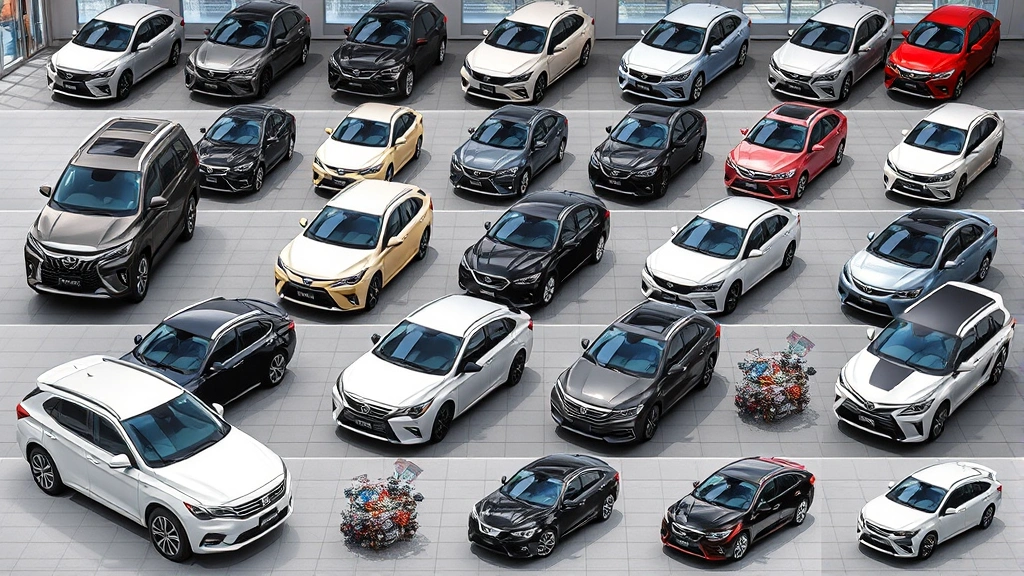
The Japanese automotive sector comprises several tier-one manufacturers, each commanding distinct market positions and strategic advantages. Toyota Motor Corporation maintains global supremacy with annual production exceeding 10 million vehicles, while Honda, Nissan, Mazda, Subaru, Daihatsu, and Isuzu represent significant players with specialized market focuses. These companies collectively represent approximately 12-15% of global automotive production, with particularly dominant positions in North America, Asia-Pacific, and emerging markets.
What distinguishes Japanese car companies from competitors is their operational philosophy emphasizing long-term value creation over short-term profits. This approach, influenced by Japanese business culture and stakeholder capitalism principles, has enabled these manufacturers to weather economic cycles, invest heavily in R&D, and maintain premium brand valuations. The industry’s structure reflects vertical integration, extensive supplier networks, and collaborative relationships with component manufacturers—a model that contrasts sharply with some Western automotive approaches.
Japanese manufacturers have strategically diversified their portfolios across vehicle segments, from ultra-efficient compact cars to premium luxury vehicles, high-performance sports cars, and commercial vehicles. This segmentation strategy, supported by multiple brand architectures and mission-driven brand positioning, enables these companies to capture value across the entire consumer spectrum while maintaining distinct brand identities and market positioning.
Toyota: The Industry Standard Bearer
Toyota Motor Corporation represents the pinnacle of automotive manufacturing excellence and strategic business acumen. As the world’s largest automaker by revenue and profitability, Toyota has fundamentally shaped industry standards through its Toyota Production System (TPS)—a manufacturing methodology adopted globally across industries far beyond automotive. The company’s relentless focus on quality, efficiency, and waste elimination has created competitive advantages that competitors continue attempting to replicate.
Toyota’s product portfolio spans economy vehicles (Corolla, Yaris), midsize sedans and crossovers (Camry, RAV4, Highlander), premium vehicles (Lexus brand), and pioneering hybrid technology leadership. The RAV4 consistently ranks as the world’s best-selling vehicle model, while the Prius revolutionized consumer perception of hybrid vehicles and environmental responsibility. Toyota’s hybrid technology, developed over three decades, represents accumulated intellectual property and manufacturing expertise that competitors cannot quickly replicate.
The company’s strategic vision increasingly emphasizes electrification, autonomous driving capabilities, and mobility solutions beyond traditional vehicle manufacturing. Toyota’s commitment to hydrogen fuel cell technology (Mirai) demonstrates willingness to pursue alternative pathways alongside battery electric vehicles—a diversified approach to energy transition that hedges against technological uncertainty. This strategic flexibility, informed by rigorous business case development, positions Toyota advantageously regardless of which electrification pathway ultimately dominates.
Toyota’s financial performance reflects operational excellence: consistent profitability, strong cash generation, and disciplined capital allocation. The company maintains substantial R&D investments (approximately 3-4% of revenue annually), supporting innovation in battery technology, autonomous systems, and alternative fuels. Toyota’s supplier relationships, characterized by long-term partnerships and collaborative problem-solving, create ecosystem resilience and supply chain advantages—critical capabilities in volatile global markets.
Honda and Innovation Leadership
Honda Motor Company has established itself as the innovation leader within Japanese automotive, with particular strength in engine technology, hybrid systems, and customer-centric design philosophy. Honda’s engineering culture emphasizes solving customer problems through elegant technical solutions, reflected in vehicles like the Civic, Accord, CR-V, and Odyssey—each category leader in reliability and owner satisfaction metrics.
Honda’s innovation extends beyond powertrains to include advanced safety technologies, infotainment systems, and human-machine interface design. The company’s commitment to robotics and artificial intelligence, extending from automotive into broader technology domains, positions Honda as a technology company that manufactures vehicles rather than a traditional automaker. This strategic positioning attracts engineering talent, supports premium pricing, and creates differentiation in increasingly commoditized vehicle segments.
The company’s luxury brand, Acura, targets affluent consumers seeking performance and technological sophistication without European heritage brand cachet. Acura’s Precision Crafted Performance positioning emphasizes engineering excellence and attention to detail—values that resonate with professionals who value substance over brand heritage. Honda’s strategy of maintaining distinct brand architectures while sharing platform technologies and powertrains demonstrates sophisticated portfolio management aligned with digital marketing and brand positioning imperatives.
Honda’s EV strategy emphasizes multiple electrification pathways, including battery electric vehicles, hybrid systems, and hydrogen fuel cells. The company’s willingness to pursue diverse technologies reflects confidence in engineering capabilities and recognition that market preferences will evolve regionally. This technological pluralism, supported by substantial R&D investment, positions Honda to capitalize on whichever electrification pathway achieves dominant market position in specific geographies.
Nissan, Mazda, and Emerging Competitors
Nissan Motor Company, historically among Japan’s automotive leaders, has experienced strategic challenges in recent years but maintains significant global presence with strong brand equity in key markets. The Altima, Rogue, and Sentra models serve core market segments, while Nissan’s Infiniti luxury brand targets premium consumers. The company’s Leaf electric vehicle pioneered mass-market EV adoption, though recent competitive intensity from Tesla and Chinese manufacturers has pressured market position.
Nissan’s strategic repositioning emphasizes electric vehicles, autonomous driving capabilities, and connected vehicle technologies. The company’s partnership with Renault and Mitsubishi creates significant scale advantages in electrification investments while enabling technology sharing across distinct brand architectures. This alliance approach, increasingly common in automotive, allows smaller manufacturers to compete in capital-intensive technology domains.
Mazda occupies a distinctive strategic position as the premium mass-market manufacturer, emphasizing driving dynamics, design excellence, and emotional connection with consumers. The company’s “Zoom-Zoom” brand positioning and Jinba Ittai philosophy (the feeling of oneness between car and driver) create differentiation in commodity vehicle segments. Mazda’s smaller scale enables agility and focus on niche segments underserved by larger competitors—a positioning that supports premium pricing and customer loyalty.
Subaru, though smaller than tier-one competitors, has achieved remarkable success through distinctive engineering (symmetrical all-wheel drive architecture) and brand loyalty among specific consumer segments. The company’s focus on safety, reliability, and outdoor-oriented positioning creates strong emotional connections with customers, enabling pricing premiums and exceptional customer retention rates that exceed industry averages significantly.
Luxury Segments and Premium Positioning
Japanese luxury automotive brands—Lexus, Acura, and Infiniti—have successfully challenged European heritage manufacturers by emphasizing reliability, advanced technology, and value proposition rather than brand heritage or design lineage. Lexus, Toyota’s luxury division, has achieved remarkable success through uncompromising quality standards, innovative hybrid technology integration, and customer service excellence that establishes industry benchmarks.
Lexus vehicles command premium pricing despite competing against brands with centuries of heritage, reflecting superior reliability metrics, lower ownership costs, and technological sophistication that appeals to rational consumers evaluating total cost of ownership. The brand’s success demonstrates that automotive luxury extends beyond heritage and design to encompass engineering excellence, manufacturing precision, and customer experience—factors that Japanese manufacturers excel at delivering.
These luxury brands support premium positioning and brand equity development through exclusive dealer networks, personalized customer service, and differentiated product portfolios. The investment in luxury segments enables parent companies to achieve higher profit margins while developing technologies and manufacturing processes that eventually cascade into mainstream brands—a strategic portfolio architecture that maximizes shareholder value across distinct market segments.
Technological Innovation and EV Strategy
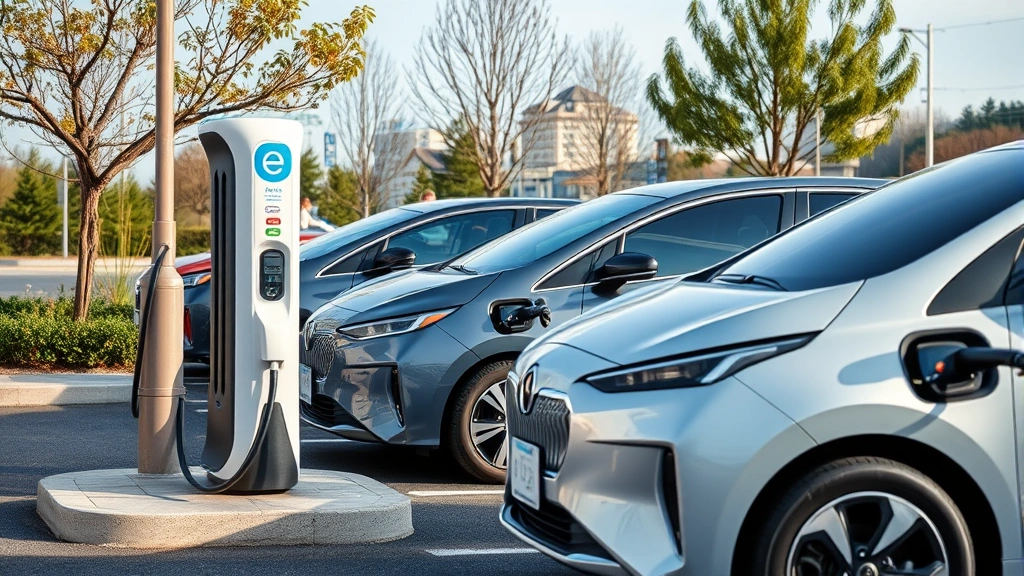
Japanese car companies are investing unprecedented capital in electrification, autonomous driving, and connected vehicle technologies. Toyota’s commitment to carbon neutrality by 2050 and interim targets demonstrates strategic alignment with global climate imperatives while creating differentiation opportunities in environmentally conscious markets. The company’s battery technology partnerships, including collaborations with BYD and other technology leaders, accelerate development timelines and reduce capital requirements.
Honda’s electrification strategy emphasizes battery electric vehicles across multiple segments while maintaining hybrid technology investments as transitional solutions. The company’s announced target of 100% electrified vehicle sales by 2040 (with hybrid and fuel cell vehicles included in this definition) reflects pragmatic recognition that diverse technologies will coexist for extended periods. This technological flexibility, grounded in manufacturing capabilities and engineering expertise, positions Honda advantageously as markets evolve.
Nissan’s Leaf pioneered mass-market EV adoption and remains competitive despite newer entrants. The company’s expanded EV portfolio and battery technology partnerships support aggressive electrification targets. Mazda’s approach emphasizes balanced electrification, with hybrid and plug-in hybrid vehicles serving as primary focus areas while developing battery electric vehicle capabilities for future market conditions.
Autonomous driving development represents another critical innovation domain where Japanese manufacturers invest heavily. Toyota’s Woven Planet subsidiary, established specifically to develop autonomous and mobility technologies, demonstrates commitment to competing in next-generation transportation. These investments, though capital-intensive and uncertain in outcomes, are essential for maintaining competitive relevance in rapidly evolving automotive sectors.
Supply Chain Excellence and Manufacturing
Japanese automotive supply chain management represents a competitive advantage grounded in decades of optimization and continuous improvement methodologies. The just-in-time inventory system, pioneered by Toyota, minimizes working capital requirements while maintaining production efficiency—a system that requires exceptional supplier coordination and quality management. Recent global supply chain disruptions have tested these systems, though Japanese manufacturers’ diversified supplier networks and long-term partnership approaches have enabled resilience superior to competitors with more transactional supplier relationships.
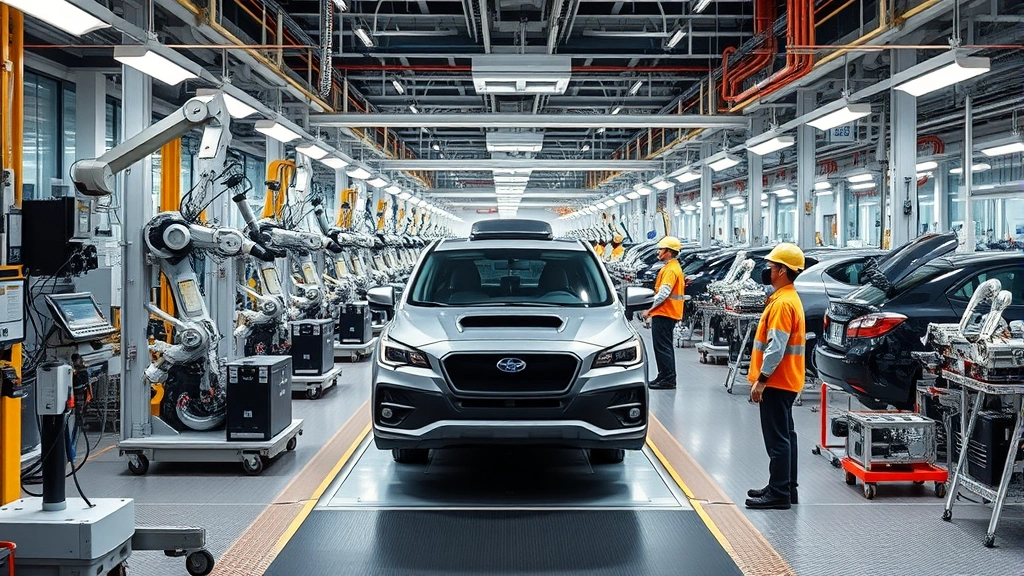
Manufacturing excellence in Japanese facilities reflects investments in automation, worker training, and process optimization that create quality advantages and cost competitiveness. The company’s commitment to sustainable manufacturing practices and environmental responsibility demonstrates how operational excellence and sustainability align strategically. Japanese manufacturers’ early adoption of lean manufacturing, environmental management systems, and social responsibility programs position them advantageously in markets increasingly valuing corporate responsibility.
The integration of advanced robotics, artificial intelligence, and data analytics into manufacturing processes enables Japanese companies to maintain quality standards while managing labor costs in developed markets. These technological investments support domestic manufacturing despite wage pressures and competition from lower-cost jurisdictions—a strategic choice reflecting commitment to domestic employment and community investment.
Global Market Positioning and Challenges
Japanese car companies maintain dominant positions in North America, Asia-Pacific, and increasingly in emerging markets, though European market share has declined as local manufacturers strengthen competitive positions. The companies’ strategic responses include localized product development, regional manufacturing investments, and brand positioning tailored to specific market preferences—approaches that reflect sophisticated understanding of market dynamics and consumer preferences across geographies.
Competitive challenges emerge from multiple directions: Chinese manufacturers leveraging cost advantages and government support, European manufacturers accelerating electrification, and Tesla demonstrating that automotive incumbency is not insurmountable. Japanese manufacturers’ responses emphasize technology differentiation, quality reputation, and customer loyalty—assets that provide competitive insulation though not immunity from disruption.
The transition to electric vehicles presents both opportunities and challenges for Japanese manufacturers. While their manufacturing excellence and quality reputation transfer to EV production, battery technology represents a domain where they historically lagged Tesla and emerging Chinese competitors. Aggressive investments in battery development, partnerships with technology leaders, and vertical integration strategies address these gaps, though competitive intensity may compress industry profitability.
Regulatory environments, particularly in Europe and California, increasingly mandate electrification timelines that compress traditional vehicle profitability windows. Japanese manufacturers’ diversified technology portfolios and global presence provide advantages in navigating fragmented regulatory landscapes, though the transition requires substantial capital reallocation and organizational adaptation.
The industry’s future competitive dynamics will reflect which manufacturers successfully navigate electrification transitions, develop autonomous driving capabilities, and build connected vehicle ecosystems. Japanese companies’ engineering excellence, manufacturing capabilities, and financial resources position them favorably, though their success is not guaranteed. The winners will be manufacturers who combine operational excellence with strategic vision, technology innovation with customer understanding, and financial discipline with investment courage—qualities where Japanese automotive companies have demonstrated substantial strength historically.
FAQ
Which Japanese car company is the largest globally?
Toyota Motor Corporation is the world’s largest automotive manufacturer by revenue, production volume, and profitability. The company produces over 10 million vehicles annually across all brands and maintains market leadership through continuous innovation, manufacturing excellence, and strategic diversification across vehicle segments and technologies.
What makes Japanese car brands known for reliability?
Japanese automotive manufacturers emphasize quality throughout design, manufacturing, and supply chain processes. The kaizen philosophy of continuous improvement, rigorous testing standards, and long-term supplier partnerships create vehicles with superior reliability and lower defect rates. Additionally, Japanese manufacturers’ focus on durability and owner satisfaction drives engineering decisions prioritizing longevity and dependability.
How are Japanese manufacturers responding to electric vehicle competition?
Japanese car companies are investing heavily in battery electric vehicles, hybrid technology, and alternative fuel solutions including hydrogen fuel cells. Companies are forming partnerships with battery manufacturers, establishing dedicated EV platforms, and accelerating product launches. Their strategy emphasizes technological diversity, recognizing that different markets may favor different electrification solutions. Organizational transformation and employee engagement support these transition efforts.
What is the Toyota Production System and why is it important?
The Toyota Production System (TPS) is a manufacturing methodology emphasizing waste elimination, continuous improvement, and quality at the source. It pioneered just-in-time inventory management, lean manufacturing principles, and employee involvement in process optimization. TPS has been adopted globally across industries and represents one of Toyota’s most valuable intellectual property assets.
Are Japanese luxury car brands competitive with European brands?
Yes, Japanese luxury brands (Lexus, Acura, Infiniti) compete successfully with European heritage brands by emphasizing reliability, technological innovation, and value proposition. Lexus particularly has achieved remarkable market success and customer satisfaction ratings that exceed many European competitors, demonstrating that luxury can be defined through engineering excellence and quality rather than solely through heritage.
What are the main challenges facing Japanese automotive manufacturers?
Primary challenges include accelerating electrification transitions requiring substantial capital investment, competition from emerging Chinese manufacturers, autonomous driving development complexity, battery technology competitiveness, and adapting to fragmented global regulatory environments. Additionally, these manufacturers must balance legacy business profitability with investments in transformative technologies and new business models.
How do Japanese manufacturers maintain cost competitiveness while producing in developed markets?
Japanese manufacturers achieve cost competitiveness through manufacturing excellence, automation investments, process optimization, and supply chain efficiency rather than relying solely on labor cost advantages. Their commitment to domestic manufacturing reflects strategic choices valuing community investment, employment stability, and proximity to R&D centers, supported by technological capabilities that minimize labor cost disadvantages.
What external sources provide additional insights on Japanese automotive industry?
Leading resources include Harvard Business Review which regularly publishes strategy analysis on automotive manufacturers, McKinsey & Company providing industry research and competitive analysis, Forbes covering automotive industry developments and executive strategy, Automotive Intelligence specializing in industry analysis and technology trends, and S&P Global Mobility providing comprehensive market data and competitive intelligence on automotive manufacturers globally.


