Kia vs Hyundai: Key Differences Explained
While Kia and Hyundai share a common parent company and manufacturing heritage, they operate as distinct brands with separate identities, market positioning, and strategic objectives. Understanding the relationship between these South Korean automotive giants is essential for consumers, investors, and business professionals seeking to comprehend modern corporate structure and brand management. This comprehensive analysis explores how two companies under the same ownership maintain independent operations while leveraging shared resources and technological innovations.
The automotive industry presents fascinating case studies in corporate organization, where parent companies manage multiple brands to capture different market segments. Kia and Hyundai exemplify this strategy, demonstrating how sister companies can coexist competitively while maintaining distinct brand personalities and customer experiences. Their relationship mirrors broader trends in business management and organizational structure, where operational efficiency meets brand differentiation.
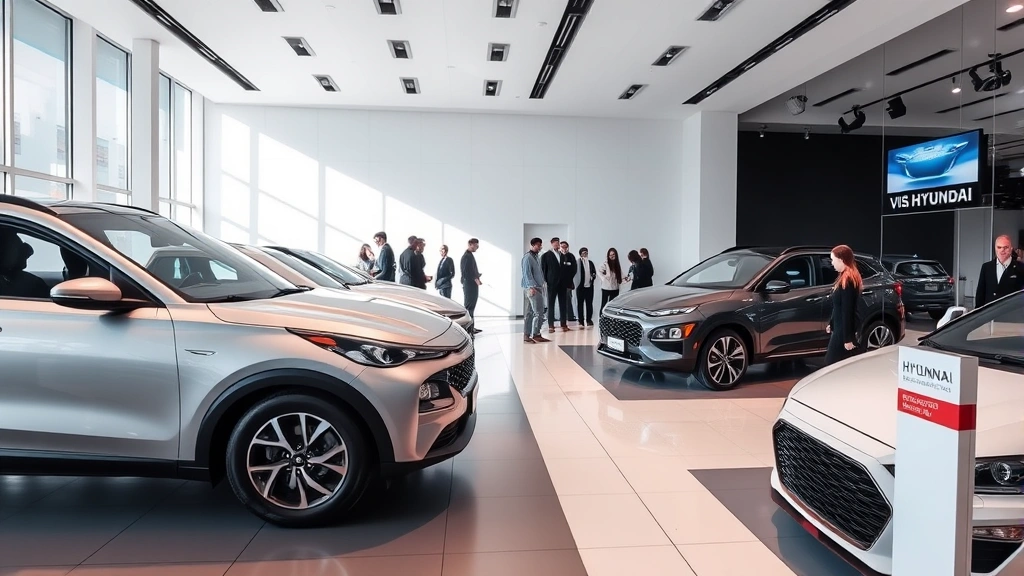
Corporate Ownership and Structure
Hyundai Motor Company and Kia Corporation exist within the Hyundai Motor Group, a massive conglomerate with operations spanning automotive manufacturing, component production, robotics, and heavy equipment. However, this shared ownership does not mean the companies operate identically. Hyundai Motor Company owns approximately 33% of Kia, making Kia a majority-controlled subsidiary rather than a fully absorbed division. This structure allows both companies to maintain separate boards of directors, executive leadership teams, and strategic planning processes.
The relationship between parent and subsidiary in this context differs significantly from traditional corporate divisions. Kia operates with considerable autonomy in decision-making, product development, and market positioning, while benefiting from Hyundai’s technological resources, manufacturing expertise, and supply chain networks. This arrangement represents a sophisticated approach to business partnership structures, where entities maintain independence while leveraging synergies from common ownership.
Historically, Kia was established in 1944 as a bicycle and motorcycle manufacturer, while Hyundai Motor Company was founded in 1967. Hyundai acquired Kia in 1998 during South Korea’s financial crisis, transforming the struggling automaker into a competitive global manufacturer. This acquisition proved transformative, providing Kia with access to Hyundai’s engineering capabilities and manufacturing processes while preserving Kia’s brand identity and market positioning.

Brand Positioning and Market Strategy
Despite common ownership, Kia and Hyundai pursue distinctly different brand strategies in global markets. Hyundai positions itself as a value-oriented mainstream brand emphasizing reliability, affordability, and technological advancement for middle-market consumers. The brand appeals to practical buyers seeking dependable transportation with modern features at competitive prices. Hyundai’s marketing emphasizes durability, warranty coverage, and engineering excellence, targeting households prioritizing functionality and long-term value.
Kia, conversely, cultivates a more youthful, dynamic brand image focused on design innovation and lifestyle appeal. The brand targets younger demographics and consumers seeking personality in their vehicles alongside practical benefits. Kia’s marketing campaigns emphasize style, technological features, and environmental consciousness, positioning the brand as forward-thinking and design-conscious. This differentiation strategy allows both companies to compete in overlapping market segments while maintaining distinct brand identities.
Both brands implement sophisticated sustainability practices aligned with global environmental standards, though they market these initiatives differently. Hyundai emphasizes engineering reliability in sustainable technologies, while Kia highlights design innovation in electric and hybrid vehicles. This dual approach enables the Hyundai Motor Group to address diverse consumer preferences while advancing shared environmental objectives.
Vehicle Lineup and Product Differentiation
While Kia and Hyundai share underlying platforms and powertrains, their vehicle lineups demonstrate significant differentiation. Hyundai’s lineup includes the Elantra, Sonata, Santa Fe, and Tucson, positioned as practical, feature-rich options for mainstream consumers. These vehicles emphasize roominess, comfort, and value-for-money propositions. Hyundai’s SUV and crossover segments focus on family-oriented buyers seeking spacious, reliable transportation.
Kia’s lineup features vehicles like the Forte, K5, Sportage, and Telluride, many sharing platform similarities with Hyundai counterparts yet differentiated through distinctive styling, feature prioritization, and pricing strategies. The Kia Sportage, for example, shares platforms with the Hyundai Tucson but presents more aggressive styling and emphasizes design innovation. Kia’s Telluride competes in the three-row SUV segment with premium positioning and upscale interior appointments that exceed comparable Hyundai offerings.
Both manufacturers have invested heavily in electric vehicle development, with Kia launching the EV6 and Hyundai introducing the Ioniq series. These vehicles showcase advanced battery technology and performance capabilities that compete with premium electric vehicle manufacturers. The differentiation in electric offerings demonstrates how shared technological foundations enable distinct product strategies.
Design Philosophy and Innovation
Design represents a critical differentiator between the brands. Hyundai’s design language emphasizes clean lines, practical proportions, and timeless styling that appeals to conservative buyers prioritizing longevity over trendsetting aesthetics. Hyundai vehicles feature understated elegance, focusing on functional design that maintains appeal across multiple model years without appearing dated.
Kia’s design philosophy embraces bolder statements, distinctive styling cues, and contemporary aesthetics that signal design-forward thinking. Kia vehicles feature more pronounced character lines, distinctive grille treatments, and modern design elements that appeal to style-conscious consumers. The Kia brand has invested in design leadership, recruiting renowned designers and establishing design centers that prioritize aesthetic innovation alongside engineering excellence.
This design differentiation extends to interior appointments, material quality, and user interface design. Kia emphasizes premium interior materials and cutting-edge infotainment systems, while Hyundai prioritizes practical, durable interiors with straightforward technology integration. Both approaches serve distinct market segments effectively, demonstrating how design strategy drives brand positioning and consumer perception.
Pricing and Target Demographics
Pricing strategies reveal fundamental differences in target market positioning. Hyundai typically prices vehicles at lower entry points, emphasizing value and affordability for cost-conscious consumers and first-time buyers. Hyundai’s pricing strategy focuses on market penetration, building brand loyalty through accessible pricing and exceptional warranty coverage. This approach has proven particularly effective in emerging markets and price-sensitive segments.
Kia generally prices vehicles slightly higher than Hyundai counterparts, reflecting the brand’s design-focused positioning and premium feature content. While not positioning as a luxury brand, Kia prices above mainstream segments, targeting consumers willing to pay for distinctive design and advanced technology. This pricing strategy supports Kia’s brand positioning as a design-forward alternative to traditional mainstream manufacturers.
Target demographics differ accordingly. Hyundai appeals to practical, value-oriented consumers including families, first-time buyers, and fleet operators. Kia attracts younger demographics, design-conscious consumers, and buyers prioritizing technological features alongside affordability. Understanding these demographic differences is essential for market communication strategies and brand positioning effectiveness.
Warranty and Customer Service
Warranty offerings represent a significant competitive advantage for both brands, though approached differently. Hyundai emphasizes comprehensive warranty coverage as a core value proposition, offering industry-leading bumper-to-bumper coverage and powertrain warranties that extend well beyond competitors. This warranty strategy directly supports Hyundai’s reliability messaging and appeals to risk-averse consumers prioritizing long-term ownership security.
Kia provides competitive warranty coverage comparable to Hyundai, recognizing that warranty assurance supports consumer confidence in the brand. However, Kia’s marketing emphasizes design and features more prominently than warranty benefits, allowing warranty coverage to serve as an expected benefit rather than primary differentiator. Customer service infrastructure remains comparable between brands, with both maintaining extensive dealer networks and service facilities globally.
Sustainability and Environmental Initiatives
Both Kia and Hyundai have committed to aggressive sustainability goals aligned with global environmental standards. Hyundai has pledged to achieve carbon neutrality by 2050, investing in electric vehicle development, hydrogen fuel cell technology, and sustainable manufacturing practices. The brand emphasizes engineering-driven sustainability solutions that maintain performance while reducing environmental impact.
Kia’s sustainability initiatives parallel Hyundai’s commitments while emphasizing design innovation in green technology. Kia has invested in battery technology, electric vehicle platforms, and sustainable material sourcing that aligns with broader corporate responsibility objectives. Both brands recognize that modern consumers increasingly value environmental consciousness, making sustainability a strategic business imperative.
Global Market Performance
Despite shared ownership, Kia and Hyundai maintain distinct market positions globally. Hyundai holds stronger market presence in certain regions, particularly among price-sensitive consumers and in markets prioritizing value and reliability. Hyundai’s sales volume typically exceeds Kia’s globally, reflecting the brand’s broader mainstream appeal. However, Kia has demonstrated stronger growth in recent years, particularly in premium segments and among younger consumers.
According to McKinsey & Company, the automotive industry increasingly emphasizes brand differentiation despite shared manufacturing platforms, a strategy both Kia and Hyundai exemplify effectively. Regional preferences influence brand performance, with Hyundai dominating certain Asian markets while Kia gains ground in North American and European segments. Forbes analysis indicates that Kia’s design-forward positioning has attracted premium segment consumers, expanding the brand’s addressable market beyond traditional mainstream segments.
Market research from Harvard Business Review emphasizes that successful corporate strategy in automotive manufacturing requires maintaining distinct brand identities while leveraging shared technological resources. Kia and Hyundai exemplify this approach, with each brand capturing different customer segments through differentiated positioning strategies. Business Wire reports indicate both brands continue gaining market share in competitive segments, supported by expanding electric vehicle offerings and advanced driver assistance systems.
The Hyundai Motor Group’s ability to manage multiple brands successfully reflects sophisticated corporate strategy and organizational management. Strategic business leadership at both Kia and Hyundai recognizes that brand independence drives consumer choice while shared operations maximize efficiency and profitability. This balanced approach has enabled the Hyundai Motor Group to become a global automotive powerhouse competing effectively against established manufacturers.
FAQ
Are Kia and Hyundai the same company?
Kia and Hyundai are separate companies under common ownership within the Hyundai Motor Group. Hyundai Motor Company owns approximately 33% of Kia, maintaining distinct operations, leadership, and brand strategies while benefiting from shared technological resources and manufacturing expertise.
Do Kia and Hyundai share vehicle platforms?
Yes, both companies share underlying platforms and powertrains to optimize manufacturing efficiency and reduce development costs. However, they differentiate vehicles through distinct styling, feature prioritization, interior design, and pricing strategies that appeal to different consumer segments.
Which brand offers better value?
Hyundai typically offers lower entry-level pricing, making it excellent for cost-conscious consumers prioritizing affordability. Kia prices slightly higher but emphasizes design innovation and premium features. The best value depends on individual priorities regarding price, design, and features.
What are the warranty differences?
Both brands offer competitive, industry-leading warranty coverage. Hyundai emphasizes warranty benefits in marketing, while Kia presents warranty as an expected benefit alongside design and technology features. Coverage levels remain comparable between brands.
Which brand has better reliability?
Both Kia and Hyundai demonstrate strong reliability ratings from independent testing organizations. Historical perception favored Hyundai, but Kia has significantly improved reliability and now matches or exceeds Hyundai in many reliability metrics, reflecting shared manufacturing standards and quality control.
Are Kia and Hyundai electric vehicles different?
While sharing battery technology and platform foundations, Kia and Hyundai differentiate electric vehicles through design, performance positioning, and pricing. Kia’s EV6 emphasizes design innovation, while Hyundai’s Ioniq series emphasizes efficiency and practical appeal. Both offer competitive electric vehicle options.