Lagunitas Daytime IPA Review: Craft Beer Expert Analysis
Lagunitas Brewing Company has established itself as a cornerstone of the American craft beer movement, and their Daytime IPA represents a strategic pivot toward the session IPA category that has reshaped consumer preferences over the past decade. This brew exemplifies how established craft breweries can innovate within market constraints while maintaining brand integrity and flavor complexity. The Daytime IPA delivers a compelling case study in product development, positioning, and the evolving landscape of craft beverage consumption.
The session IPA segment emerged as craft breweries recognized a critical market opportunity: consumers wanted the bold, hoppy characteristics of traditional IPAs without the alcohol content that limited daytime consumption. Lagunitas capitalized on this trend with a product that balances approachability with sophistication, creating a beer suitable for extended social occasions, work environments, and health-conscious consumers. Understanding the business strategy behind Daytime IPA reveals insights applicable to product innovation across industries.
Product Overview and Market Positioning
Lagunitas Daytime IPA stands at 4.65% alcohol by volume, positioning it squarely in the session category where breweries compete on flavor intensity rather than alcohol strength. This strategic positioning required sophisticated brewing techniques to maintain hop-forward characteristics while reducing fermentable sugars. The beer arrives in distinctive 12-ounce cans and bottles featuring Lagunitas’s recognizable branding, which communicates the brand’s commitment to accessibility and contemporary beer culture.
The session IPA category represents a fundamental shift in how craft breweries approach product development. Rather than viewing lower alcohol content as a compromise, innovative brewers like Lagunitas recognized it as an opportunity to expand consumption occasions. This approach mirrors broader business strategies where process optimization enables market expansion. By developing efficient brewing processes that extract maximum flavor from fewer grains, Lagunitas created a product with superior margins and broader appeal.
Market research indicates that session IPAs appeal to diverse demographics: fitness enthusiasts, professionals navigating workplace constraints, and consumers seeking moderation without sacrificing taste. This demographic expansion directly impacts revenue potential and market reach. The category has grown from niche novelty to mainstream staple, with major breweries now dedicating significant production capacity to session offerings.

Flavor Profile and Brewing Excellence
The Daytime IPA exhibits a carefully calibrated flavor profile that balances citrus, pine, and herbal notes with subtle malt sweetness. The nose presents bright grapefruit and tangerine aromatics, immediately signaling the beer’s hop-forward character. On the palate, drinkers experience crisp, clean bitterness that avoids harshness—a technical achievement requiring precise hop selection and timing. The finish remains dry and refreshing, encouraging repeated consumption and extending the drinking experience across extended occasions.
Brewing Daytime IPA involves sophisticated technical decisions. Lagunitas employs a combination of premium hop varieties, likely including Cascade, Centennial, and proprietary blends that define the brand’s signature character. The malt bill remains relatively simple—likely Pale 2-Row as the base with specialty malts contributing minimal sweetness—allowing hop character to dominate without creating imbalance. Water chemistry, fermentation temperature control, and yeast selection all contribute to the final product’s quality.
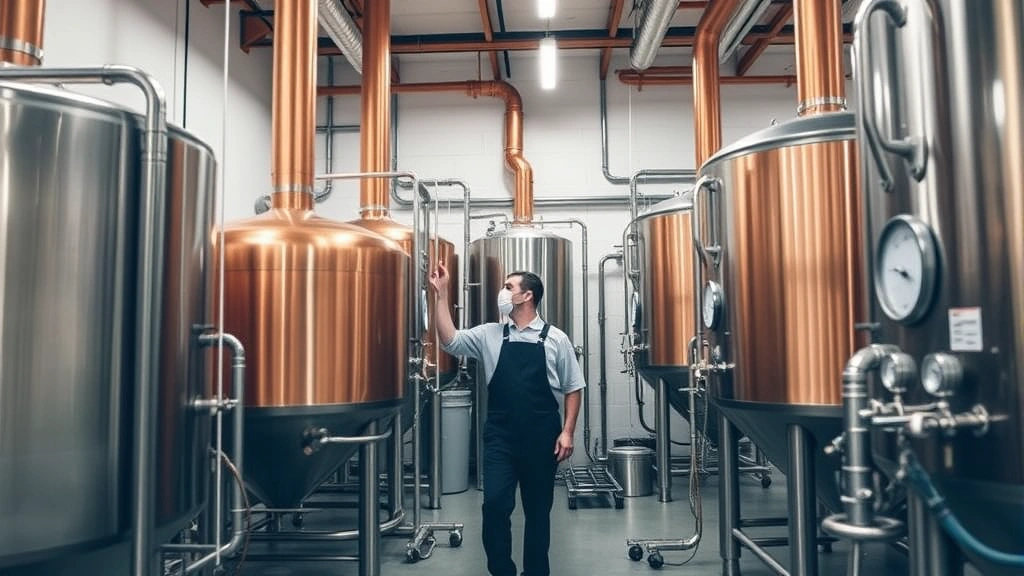
The brewing process reflects principles applicable to any complex manufacturing environment: efficient resource allocation and cost management must balance against quality standards. Lagunitas achieves this through scaled production that leverages economies of scale while maintaining craft quality standards. This balance between efficiency and excellence represents a core business competency that extends beyond brewing into organizational culture.
Quality control measures ensure consistency across production batches, critical for maintaining brand reputation in competitive markets. Sensory evaluation, chemical analysis, and shelf-life testing all contribute to product reliability. Consumers expect Daytime IPA to taste identical whether purchased in California, New York, or anywhere in between—an expectation that demands rigorous operational discipline.
Competitive Landscape Analysis
The session IPA category has attracted significant competition from established breweries and emerging craft producers. Ballast Point Sculpin IPA, Sierra Nevada Torpedo, and numerous regional offerings compete for shelf space and consumer preference. However, Daytime IPA maintains competitive advantages through brand recognition, distribution infrastructure, and flavor consistency. Lagunitas’s investment in digital marketing and brand awareness has created strong consumer loyalty.
Competitive analysis reveals that Daytime IPA competes effectively on taste metrics while maintaining price accessibility. The beer typically retails for $8-12 per six-pack, competitive with mainstream craft offerings while undercutting premium specialty beers. This pricing strategy maximizes market penetration while maintaining healthy margins. The competitive positioning reflects sophisticated understanding of price elasticity and consumer value perception across different market segments.
Distribution represents another critical competitive factor. Lagunitas benefits from established relationships with major distributors and retailers, enabling shelf presence in markets where smaller breweries struggle for visibility. This distribution advantage compounds over time, as retailers stock products with proven sales velocity. The competitive moat created by distribution superiority protects market share and enables premium pricing relative to unknown alternatives.
Business Strategy and Brand Development
Lagunitas Brewing Company’s product portfolio strategy employs Daytime IPA as a cornerstone offering that attracts new consumers while maintaining loyalty among existing customers. The beer serves as a bridge product—approachable enough for craft beer newcomers yet sophisticated enough to satisfy experienced enthusiasts. This strategic positioning maximizes total addressable market while protecting brand equity.
The Lagunitas brand represents independence, quality, and innovation in craft beer culture. Daytime IPA reinforces these brand attributes while expanding consumption occasions. Marketing communications emphasize the beer’s suitability for daytime enjoyment, professional environments, and active lifestyles—positioning that broadens appeal beyond traditional beer enthusiast demographics. This messaging strategy reflects understanding that product success depends on aligning consumer perceptions with actual product characteristics.
Corporate strategy considerations include production capacity planning, supply chain optimization, and market expansion priorities. Lagunitas must balance demand across its portfolio—including flagship offerings like IPA, Little Sumpin’ Sumpin’, and seasonal releases—while maximizing brewery capacity utilization. These operational decisions directly impact profitability and competitive positioning. The company’s approach to customer relationship management extends beyond digital tools to encompassing brand experience at retail and consumption points.
Sustainability considerations increasingly influence brewery operations and brand positioning. Lagunitas has implemented water conservation measures, renewable energy utilization, and sustainable sourcing practices—aligning with consumer expectations for environmentally responsible businesses. Business sustainability strategies create competitive advantages while supporting long-term value creation.
IMAGE_2
Consumer Reception and Market Performance
Market reception for Daytime IPA has exceeded expectations, with strong sales performance across major metropolitan areas and regional markets. Consumer reviews consistently praise the balance between hop character and drinkability, with average ratings exceeding 3.8/5.0 across major beer rating platforms. This positive reception validates the product strategy and execution, translating to sustained sales momentum.
Sales data indicates that Daytime IPA appeals to diverse consumer segments: casual beer drinkers seeking flavor without excessive alcohol, professionals navigating workplace or social constraints, and serious craft enthusiasts appreciating technical brewing achievements. This broad appeal contrasts with many craft offerings that target narrower demographic segments. The ability to appeal across segments maximizes revenue potential and reduces market concentration risk.
Consumer behavior research reveals that Daytime IPA consumers purchase with higher frequency than average beer drinkers, suggesting strong product loyalty and repeat consumption. This frequency pattern indicates successful product-market fit and positions Daytime IPA as a core revenue driver for Lagunitas. Retention metrics significantly impact lifetime customer value and overall business profitability.
Distribution expansion continues as retailers recognize strong consumer demand and attractive margins. Major grocery chains, convenience stores, and specialty beer retailers now stock Daytime IPA prominently, improving accessibility and visibility. This retail penetration creates positive feedback loops where increased availability drives awareness and consumption, further justifying retail partnerships.
Nutritional Considerations
Daytime IPA contains approximately 150-160 calories per 12-ounce serving, reasonable within craft beer categories. Carbohydrate content remains relatively low at 2-3 grams, appealing to consumers monitoring macronutrient intake. The beer contains no artificial additives or preservatives, aligning with consumer preferences for natural ingredients and clean labels. These nutritional characteristics support positioning toward health-conscious demographics without compromising flavor or quality.
The lower alcohol content (4.65% ABV) reduces caloric contribution from ethanol while maintaining flavor complexity—an important consideration for consumers tracking overall consumption. This characteristic enables extended drinking occasions without excessive intoxication, supporting daytime consumption and social occasions where moderation matters. The nutritional profile reflects intentional product design decisions that balance indulgence with responsibility.
Transparency regarding ingredients and nutritional content builds consumer trust and supports brand positioning. Lagunitas provides detailed product information across channels, demonstrating commitment to informed consumer decision-making. This transparency aligns with broader business practices around stakeholder engagement and organizational integrity.
Pairing and Consumption Occasions
Daytime IPA’s flavor profile supports diverse culinary pairings, from light appetizers to substantial meals. The hop bitterness complements spicy foods, particularly Asian cuisines featuring chili peppers and complex spice profiles. The citrus notes pair beautifully with seafood preparations, while the clean finish cuts through fatty foods. This versatility increases consumption occasions and positions the beer as a sophisticated beverage choice rather than simple refreshment.
Professional and social contexts represent key consumption occasions. The lower alcohol content enables responsible consumption in workplace settings, golf outings, and afternoon social gatherings—occasions where traditional IPAs might seem excessive. Marketing communications emphasize these occasions, expanding the addressable market beyond traditional beer enthusiast demographics. This occasion-based positioning reflects sophisticated understanding of consumer needs and lifestyle integration.
The daytime consumption positioning creates psychological and cultural associations that differentiate Daytime IPA from evening-focused offerings. Consumers perceive daytime consumption as more responsible, sophisticated, and socially acceptable—perceptions that enhance brand appeal across diverse demographics. This positioning leverages behavioral psychology and cultural trends toward moderation and wellness.
IMAGE_3
FAQ
What is the alcohol content of Lagunitas Daytime IPA?
Lagunitas Daytime IPA contains 4.65% alcohol by volume, positioning it in the session IPA category. This lower alcohol content enables extended consumption occasions without excessive intoxication while maintaining bold hop character.
How does Daytime IPA compare to Lagunitas’s flagship IPA?
Lagunitas IPA contains 6.2% ABV and delivers stronger hop intensity and alcohol warmth. Daytime IPA offers similar hop character with reduced alcohol content and enhanced drinkability, appealing to consumers seeking moderation without flavor compromise. Both represent quality craft offerings serving different occasions.
Where can I purchase Lagunitas Daytime IPA?
Daytime IPA enjoys broad distribution across major retailers, including grocery stores, convenience stores, and specialty beer shops. Availability varies by region, with strongest presence in major metropolitan areas. Online retailers and direct brewery sales offer alternatives where local availability remains limited.
What food pairings work best with Daytime IPA?
The hop bitterness and citrus notes pair excellently with spicy foods, seafood preparations, and lighter meals. The clean finish complements fatty foods while the brightness enhances vegetable-forward dishes. The beer’s versatility supports diverse culinary applications from casual snacks to formal dining.
Is Daytime IPA suitable for newcomers to craft beer?
Yes, Daytime IPA serves as an excellent introduction to hoppy craft beers. The balanced flavor profile, lower alcohol content, and approachable character appeal to craft beer newcomers while satisfying experienced enthusiasts. The beer demonstrates that craft quality and accessibility need not conflict.
What brewing techniques enable Daytime IPA’s flavor complexity at lower alcohol content?
Sophisticated hop selection, precise fermentation control, and optimized malt composition enable bold flavor at moderate alcohol levels. Brewers employ late-addition hops to maximize aroma while controlling bitterness intensity. Water chemistry and yeast selection further refine the final product, reflecting technical brewing expertise.
How does Daytime IPA fit within broader beverage industry trends?
Daytime IPA reflects growing consumer preferences for moderation, wellness, and occasion-appropriate consumption. The session IPA category represents one of craft beer’s fastest-growing segments, driven by demographic shifts toward health consciousness and sophisticated consumption practices. This trend extends across beverage categories including wine, spirits, and non-alcoholic alternatives.


