
Table of Contents
Introduction
Let’s be honest—managing business finances can feel like trying to juggle flaming torches while riding a unicycle. You know what separates the businesses that thrive from those constantly scrambling to make sense of their numbers? It’s not luck or magic. It’s the smart use of business budgeting software that transforms financial chaos into clear, actionable insights.
Think about it: some companies seem to have their financial game completely locked down, while others are still drowning in spreadsheets and guesswork. The difference? They’ve discovered what modern budgeting software can really do. We’re talking about tools that don’t just track your money—they help you make smarter decisions, spot opportunities before your competitors do, and actually sleep better at night knowing your finances are under control.
Business budgeting software isn’t just another tech trend that’ll disappear next year. It’s become the backbone for smart financial management. Gone are the days of manually updating endless spreadsheets (and praying you didn’t make a calculation error that throws everything off). Today’s software brings automation, real-time tracking, and team collaboration right to your fingertips. If you’re serious about accuracy and forecasting, understanding these tools isn’t optional—it’s essential.
Now, budgeting doesn’t exist in a vacuum. Your financial planning works best when it connects with other business systems. That’s why learning how to use customer relationship management effectively can supercharge your budgeting efforts by giving you clearer revenue insights. And if you’re curious about where the technology is heading, the advantages of cloud computing in business will show you how cloud-based budgeting solutions are changing the game with better accessibility and security.
Want to take your financial skills up a notch? Understanding how to analyze financial statements will give you the foundation to really leverage what your budgeting software tells you. Plus, keeping an eye on technology in financial services helps you stay ahead of the curve as these tools continue evolving at breakneck speed.
What You’ll Learn in This Guide
Ready to master business budgeting software? Whether you’re running a small business or managing finances for a larger team, this guide has everything you need to transform your financial planning. Here’s what we’re covering:
- Understanding Business Budgeting Software: We’ll break down exactly what this software does, which features matter most, and why it’s become a must-have for financial success.
- Key Benefits and Advantages: Discover how the right software can eliminate guesswork, boost accuracy, and help your team collaborate like never before.
- Features to Look For: Learn which functionalities are game-changers and which ones are just nice-to-have bells and whistles.
- Choosing and Implementing the Right Software: Get practical, no-nonsense advice on picking the perfect solution and rolling it out without the usual implementation headaches.
By the time you finish this article, you’ll have a crystal-clear picture of how budgeting software can work for your specific situation. The goal isn’t just to understand the technology—it’s to build a financial planning process that actually supports your business goals instead of slowing you down.
Coming up, we’ll dig into what makes budgeting software tick and how each feature contributes to better financial control. You’ll also get actionable advice for choosing software that fits your business size, industry, and unique challenges. No one-size-fits-all recommendations here—just real guidance for real businesses.
We’ll also walk through implementation best practices that ensure your team actually uses the software (instead of letting it collect digital dust). Because the best budgeting software in the world won’t help if nobody knows how to use it properly. And to round things out, we’ll show you how budgeting software connects with other business tools and strategies.
Before we dive in, you might want to check out how to create a business case if you need to convince stakeholders that investing in budgeting software is worth it. Trust me—having the right financial tools changes everything. Ready to take control of your financial future? Let’s get started.
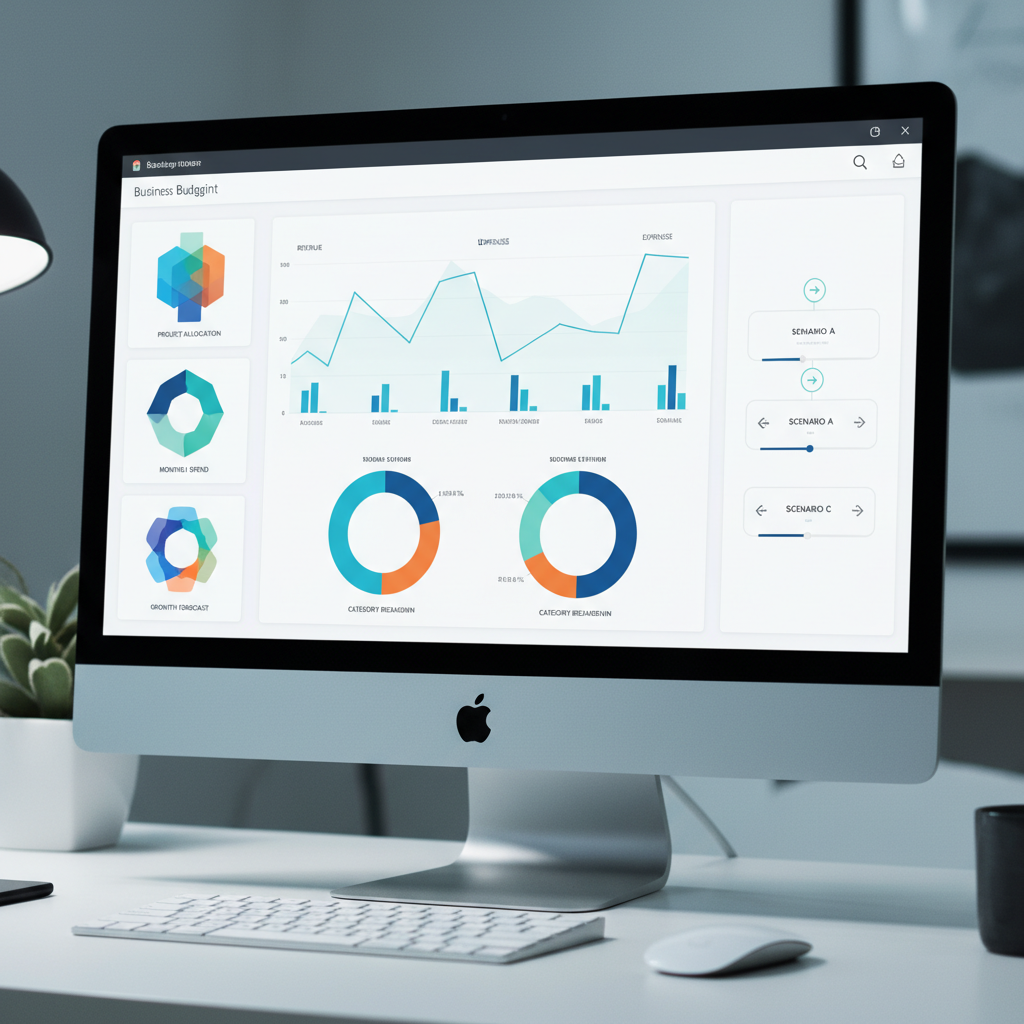
Here’s where things get really interesting. Business budgeting software isn’t just another tech tool—it’s actually changing how companies handle their money. And honestly? It’s about time. These platforms do way more than keep your financial records straight (though they definitely nail that part). They turn you into a planning powerhouse, helping you make decisions with real confidence instead of crossing your fingers and hoping for the best. When you embrace budgeting software, you’re basically giving your team superpowers: automated processes, live data updates, and collaboration that actually works. So let’s dig into what makes these tools so game-changing, starting with the benefits that’ll make you wonder how you ever managed without them, then moving on to the features you absolutely can’t live without.
Key Benefits of Business Budgeting Software
Let’s be real—understanding why budgeting software rocks is the first step to getting why so many businesses are jumping on board. The biggest win? Accuracy. These tools automate all those mind-numbing calculations, which means way fewer “oops, I messed up the spreadsheet” moments. (We’ve all been there.) But the real magic happens when your budget team stops drowning in data entry and starts focusing on actual strategy. Plus, with real-time tracking, you’re not flying blind anymore—you know exactly where your money’s going and coming from, so you can pivot fast when the market throws you a curveball. Top business management software guides consistently highlight how automation and integration make everything flow smoother, and they’re absolutely right.
But wait—there’s more to love. Remember those budget meetings where everyone’s working from different versions of the same document? Yeah, those days are over. Budgeting software lets multiple people jump in simultaneously, make edits, leave comments, and actually communicate instead of playing telephone with spreadsheets. The reporting capabilities are pretty sweet too—you can generate detailed insights in minutes instead of hours, giving investors and executives the intel they need for smart forecasting and strategic moves. This kind of visibility is what separates businesses that react from businesses that anticipate. And when you integrate these tools with your other business systems? That’s when the real magic happens—seamless data flow that powers next-level analytics and planning.
Major Advantages of Business Budgeting Software
Here’s the breakdown of what you actually get when you implement budgeting software—the real-world value that makes all the difference.
- Automated Calculations and Reporting: The software handles all those complex financial calculations that used to eat up your afternoon, practically eliminating human error and spitting out instant reports. Time saved? Check. Reliable data for big decisions? Double check. If you’ve ever wondered about automation benefits in other areas, customer relationship management insights show similar game-changing advantages across different business functions.
- Real-Time Financial Tracking: No more guessing games about your financial status. The software keeps your budgets updated continuously, so you always know where you stand. Stakeholders can see current figures instantly, which means you can catch overspending before it becomes a problem and make quick adjustments when needed.
- Collaboration Across Teams: Multi-user access with smart permissions means everyone can contribute without stepping on each other’s toes. Team members can coordinate their inputs, adjust assumptions, and share feedback right inside the platform. It’s like having a really well-organized group project, except it actually works.
- Better Forecast and Planning Capabilities: Here’s where things get sophisticated. Advanced forecasting tools dig into your historical data and trends to generate predictions that are actually useful. This predictive power helps you allocate resources smarter and manage risks better—both essential for keeping your business healthy and growing.
Now that you’ve seen what these tools can do for you, let’s talk about what to look for when you’re shopping around. Because not all budgeting software is created equal, and picking the right features can make the difference between a tool that transforms your business and one that just takes up digital space.
Essential Features to Look For in Business Budgeting Software
Choosing the right budgeting software feels a bit like online dating—you need to know what you’re looking for before you start swiping. First up: flexibility. You want software that bends to fit your unique budgeting process, not the other way around. Nobody wants to completely overhaul their workflow just to accommodate a rigid system. Integration capabilities are non-negotiable too—your budgeting tool should play nice with your accounting software and other financial platforms. Think of it as building a digital ecosystem where everything talks to everything else. Scenario analysis and what-if planning are also must-haves, letting your finance team test different business conditions and prepare for whatever comes next. Business sustainability strategies consistently emphasize how important it is to align your tools with your bigger picture goals—and they’re spot on.
User-friendly dashboards matter more than you might think. When your non-finance team members and executives can actually understand the financial data (without needing a translation), decision-making becomes way more inclusive and effective. Cloud-based access and mobile compatibility aren’t just nice-to-haves anymore—they’re essential for supporting remote teams and keeping everyone updated in real time. And let’s talk security for a second, because we’re dealing with sensitive financial information here. You need bulletproof data protection protocols. Finally, think about scalability. Your business is going to grow (fingers crossed), and you don’t want to be shopping for new software again in two years. These features work together to create a budgeting process that’s not just smooth, but actually strategic.
Common Features in Business Budgeting Software
These are the baseline functionalities that should come standard in any solid budgeting solution—think of them as your starting point.
- Customizable Budget Templates: Build budgeting frameworks that actually fit how your business works, whether you’re dealing with different departments or industry sectors. Custom templates save time and boost accuracy by standardizing how information goes in and comes out.
- Integration with Accounting Tools: Automatic data sharing with your accounting platforms means no more duplicate entry and no more wondering if your numbers match across systems. This connection creates a unified financial management approach that actually makes sense.
- Scenario Analysis and What-If Planning: Test the financial impact of different decisions or market scenarios before you commit. This feature is like having a crystal ball—it helps you spot potential risks and fine-tune your strategies to stay resilient and keep growing.
- User-Friendly Dashboards: Visual presentations with graphs, charts, and key indicators that actually make sense to everyone, not just the finance team. When data is easy to understand, collaboration and transparency follow naturally.
Advanced Functionalities to Enhance Efficiency
For businesses with complex needs or big growth plans, these sophisticated features provide that extra edge you’re looking for.
- Cloud-Based Access: Work from anywhere, anytime—whether you’re in the office, at home, or halfway around the world. Cloud solutions typically include automatic updates and reduce the IT maintenance headaches, which is always a win.
- Multi-User Collaboration: Multiple people can work simultaneously with controlled permissions, audit trails, and conflict resolution features built right in. It’s teamwork that actually maintains data integrity instead of creating chaos.
- Data Security and Backup: Protection against data loss, unauthorized access, and cyber threats isn’t optional—it’s essential. Look for robust encryption, regular backups, and compliance with industry standards, because your financial information deserves serious protection.

Look, I’ve seen too many business owners wrestling with spreadsheets at 2 AM, trying to make sense of their finances. Business budgeting software changes all that—and I mean really changes it. Instead of those error-prone calculations that keep you up at night, you get automated workflows that actually work. Real-time tracking? Check. Decision-making clarity that doesn’t require three cups of coffee? Double check. Your team can collaborate without stepping on each other’s toes, and everyone stays in the loop with insights that matter.
Here’s where it gets interesting: forecasting becomes less guesswork and more science. The software looks at your historical data, runs scenario analysis, and suddenly you’re not just reacting to problems—you’re seeing them coming. That’s the kind of advantage that separates successful businesses from the ones that are always playing catch-up.
Now, choosing the right software? That’s where many people get stuck. Don’t overthink it, but do think smart. You need features that actually fit your business, not just a fancy feature list. Customizable templates are huge—they should feel like they were made for your company, not some generic business model. Integration with your existing accounting tools isn’t just nice to have; it’s essential unless you enjoy manual data entry (and who does?). Cloud-based access gives your team the flexibility to work from anywhere, while robust security keeps your financial data locked down tight.
Training your staff properly makes or breaks the whole thing. I can’t stress this enough. The best software in the world won’t help if your team doesn’t know how to use it. Keep your budget data updated regularly, and actually use those built-in analytics—they’re goldmines for strategic insights if you let them be.
Ready to take the next step? Start by putting together a solid business case that shows stakeholders exactly why this investment makes sense. While you’re at it, dive into the advantages of cloud computing in business—understanding these benefits will help you see why cloud-based budgeting tools are often the smart choice. Don’t forget to align your financial planning with business sustainability strategies for long-term success. And if you want to level up your financial game even more, learning how to analyze financial statements will give you deeper insights that complement your budgeting efforts perfectly.
The bottom line? Business budgeting software isn’t just another tech tool—it’s your financial command center. As you get comfortable with these systems, consider expanding your toolkit with insights on finding the right business mentors or exploring other business management software that can streamline your entire operation. With the right approach and commitment to learning, you’ll have the financial control you’ve been looking for, a more empowered team, and the clear path to sustainable growth you need.
Frequently Asked Questions
-
What types of businesses benefit most from budgeting software?
- Honestly? Almost any business with more than a handful of transactions. From small startups to large corporations across every industry you can think of—everyone benefits from cleaner, more organized budgeting processes.
-
Is business budgeting software difficult to learn?
- Not really. Most modern solutions are designed with real people in mind, offering intuitive interfaces and plenty of training resources. You’re not learning rocket science here—just better ways to handle your money.
-
Can budgeting software integrate with accounting systems?
- Absolutely. The good ones play nice with popular accounting software like QuickBooks, Xero, and others. No more double data entry or trying to reconcile numbers across different platforms.
-
How secure is business budgeting software?
- Very secure when you choose reputable providers. We’re talking encryption, automatic backups, user access controls—the works. Your financial data gets better protection than most people’s personal information.
-
Do cloud-based solutions offer advantages?
- Big time. Access your budgets from anywhere, collaborate with your team in real-time, and never worry about losing data when your computer crashes. It’s like having your office in your pocket.