
How to Market Magic Hats? Expert Tips for Growing Your Magic Hat Company
The magic hat industry represents a unique niche within the broader entertainment and novelty goods market. Whether you’re selling classic silk production hats, color-changing designs, or interactive performance pieces, your magic hat company faces distinct marketing challenges that require specialized strategies. Unlike mainstream products, magic hats appeal to magicians, entertainers, hobbyists, and collectors—each with different purchasing behaviors and motivations.
Successfully marketing magic hats demands a deep understanding of your target audience, creative positioning, and multi-channel promotional tactics. This comprehensive guide explores proven strategies that industry leaders use to build brand awareness, establish credibility, and drive consistent sales in the competitive magic equipment market.

Understanding Your Magic Hat Market
Before implementing any marketing strategy, you must thoroughly understand the landscape your magic hat company operates within. The magic equipment market is segmented into several distinct customer categories, each with unique needs and purchasing patterns.
Professional magicians represent your premium market segment. These performers invest significantly in high-quality equipment and expect superior craftsmanship, durability, and performance reliability. They often purchase multiple hats for different acts and are willing to pay premium prices for innovation and exclusivity. Professional magicians typically research products extensively, read reviews, and seek recommendations from peers before making purchasing decisions.
Amateur magicians and hobbyists form a larger but more price-conscious segment. This group includes people learning magic as a hobby, performing at small events, or entertaining at parties. They seek value for money and often purchase starter kits or mid-range products. Their purchasing decisions are heavily influenced by instructional content, tutorial videos, and community recommendations.
Collectors and enthusiasts represent a specialized niche that values rarity, historical significance, and unique designs. This segment often seeks limited-edition hats, vintage pieces, or specially branded items. They engage deeply with brand communities and are excellent sources of word-of-mouth marketing.
Retailers and distributors constitute your B2B market. These buyers purchase in volume and require competitive wholesale pricing, reliable supply chains, and strong marketing support to help them sell to end consumers.
Understanding these segments allows you to tailor your messaging, pricing, and distribution strategies accordingly. Business incubators and accelerators often provide market research resources that can help validate your positioning within these segments.
Developing a Compelling Brand Identity
Your brand identity is the foundation of all marketing efforts. For a magic hat company, this means creating a distinctive visual and emotional identity that resonates with magicians and performers while standing out in a competitive market.
Visual branding elements should reflect the magical nature of your products while maintaining professionalism. Your logo, color palette, and design language should be instantly recognizable and consistently applied across all touchpoints. Consider incorporating mystical or theatrical elements that appeal to your audience’s imagination while maintaining credibility within the magic community.
Your mission statement should articulate your company’s purpose beyond profit. A compelling mission for a magic hat company might emphasize enabling performers to create wonder, inspire audiences, or advance the art of magic. This emotional connection differentiates your brand from competitors who focus solely on product specifications.
Brand positioning requires identifying a unique angle within the market. You might position yourself as the innovator introducing cutting-edge designs, the heritage brand with decades of tradition, the eco-conscious manufacturer using sustainable materials, or the affordability leader making quality magic accessible. Your positioning should be authentic to your capabilities and resonate with your primary target audience.
Consistency across all channels—website, social media, packaging, customer service communications—reinforces your brand identity and builds trust with potential customers. According to McKinsey research on brand management, consistent branding increases customer recognition and loyalty significantly.
Digital Marketing Strategies for Magic Hat Companies
Digital channels provide cost-effective ways to reach your target audience and build your magic hat company’s online presence.
Search engine optimization (SEO) ensures potential customers find your company when searching for magic hats and related products. Focus on long-tail keywords like “professional silk production hat,” “color-changing magic hat,” or “beginner magic hat kit.” Create detailed product pages with high-quality images, specifications, and customer reviews. Build authoritative content around magic hat techniques, history, and applications to attract organic traffic.
Paid search advertising through Google Shopping and search ads targets customers actively looking for magic hats. Set up campaigns with clear conversion tracking to understand which keywords and ad copy generate sales. Retargeting campaigns remind website visitors about products they viewed, significantly improving conversion rates.
Email marketing builds direct relationships with customers and prospects. Segment your email list by customer type (professional, amateur, retailer) and send tailored content. Share new product launches, exclusive discounts, performance tips, and industry news. Email remains one of the highest-ROI marketing channels when executed strategically.
Social media marketing on platforms like Instagram, TikTok, and YouTube showcases your products in action. Instagram’s visual focus makes it ideal for displaying beautiful product photography and behind-the-scenes content. TikTok’s short-form video format allows creators to demonstrate tricks and engage younger audiences. YouTube enables longer educational content and testimonials from professional magicians.
Your website must function as a professional storefront and information hub. Invest in clear navigation, fast loading speeds, mobile optimization, and secure payment processing. Include detailed product descriptions, instructional videos, customer testimonials, and a blog section for regular content updates.
Building Community and Engagement
The magic community is tight-knit and values authentic engagement. Building genuine relationships within this community is invaluable for a magic hat company.
Online forums and communities like magic enthusiast forums, Reddit communities, and Facebook groups are where magicians discuss equipment, share techniques, and seek recommendations. Participate authentically in these spaces—answer questions, share expertise, and provide value without aggressive selling. When community members ask about magic hats, your genuine contributions build credibility and trust.
Customer advocacy programs transform satisfied customers into brand ambassadors. Provide special discounts, exclusive products, or recognition to customers who refer friends or share content about your products. User-generated content from customers using your hats is more persuasive than company-created marketing materials.
Events and sponsorships connect you directly with your audience. Sponsor magic conventions, street performance festivals, or local entertainment events. Host workshops demonstrating magic hat techniques and your products’ capabilities. These face-to-face interactions build lasting relationships and generate word-of-mouth marketing.
Create a loyalty program rewarding repeat customers with points, discounts, or exclusive access to new products. This encourages repeat purchases and increases customer lifetime value significantly.
Influencer Partnerships and Collaborations
Influencers within the magic community—professional magicians, YouTube magic channels, and entertainment educators—have established audiences that trust their recommendations.
Identify relevant influencers whose audience aligns with your target market. A magician with 100,000 engaged followers interested in professional performance equipment is more valuable than a general entertainment influencer with millions of disengaged followers.
Collaboration approaches include sending free products for review, sponsoring content, or developing co-branded products. Authentic partnerships work best—influencers should genuinely use and believe in your products. Audiences quickly detect inauthentic endorsements and lose trust.
Micro-influencers (those with 10,000-100,000 followers) often provide better ROI than mega-influencers. They typically have highly engaged audiences, charge lower fees, and are more accessible for partnership negotiations. A magic YouTuber with 50,000 subscribers might be more cost-effective and impactful than a celebrity with millions of followers outside the magic community.
Track influencer campaign performance through unique discount codes, affiliate links, or UTM parameters. This allows you to measure ROI and identify which partnerships generate actual sales versus vanity metrics.
Content Marketing and Education
Educational content positions your magic hat company as a thought leader and trusted resource within the magic community.
Tutorial videos demonstrating tricks using your magic hats provide immediate value to viewers. Create content for different skill levels—beginner-friendly tutorials attract new magicians, while advanced techniques appeal to experienced performers. Well-produced, informative videos generate shares, backlinks, and sustained traffic to your website.
Blog articles addressing magician questions and pain points improve SEO while providing value. Topics might include “Choosing the Right Magic Hat for Your Act,” “Maintenance Tips for Professional Magic Hats,” or “The History and Evolution of Silk Production Magic.” Each article should target specific keywords and provide genuinely useful information.
Podcasts and interviews featuring successful magicians discussing their equipment choices and techniques reach audiences during commutes, workouts, or downtime. Interview format content requires less production effort than video while building authority and relationships with industry figures.
Webinars and online courses offer deeper educational value. Host live webinars teaching magic techniques or product demonstrations, then repurpose recordings as evergreen content. Online courses (free or paid) generate leads, establish expertise, and create additional revenue streams.
According to Forbes research on content marketing, companies that prioritize content marketing generate three times more leads than those that don’t.
Traditional Marketing Tactics
While digital marketing dominates modern strategy, traditional tactics remain valuable for a magic hat company targeting established performers and collectors.
Print advertising in magic magazines and entertainment publications reaches dedicated readers actively interested in magic equipment. These publications have high engagement rates and credible editorial content that lends authority to adjacent advertising.
Direct mail campaigns targeting professional magicians and retailers can be effective when executed with compelling offers and high-quality design. A beautifully printed catalog showcasing your magic hats with professional photography stands out in recipients’ mailboxes.
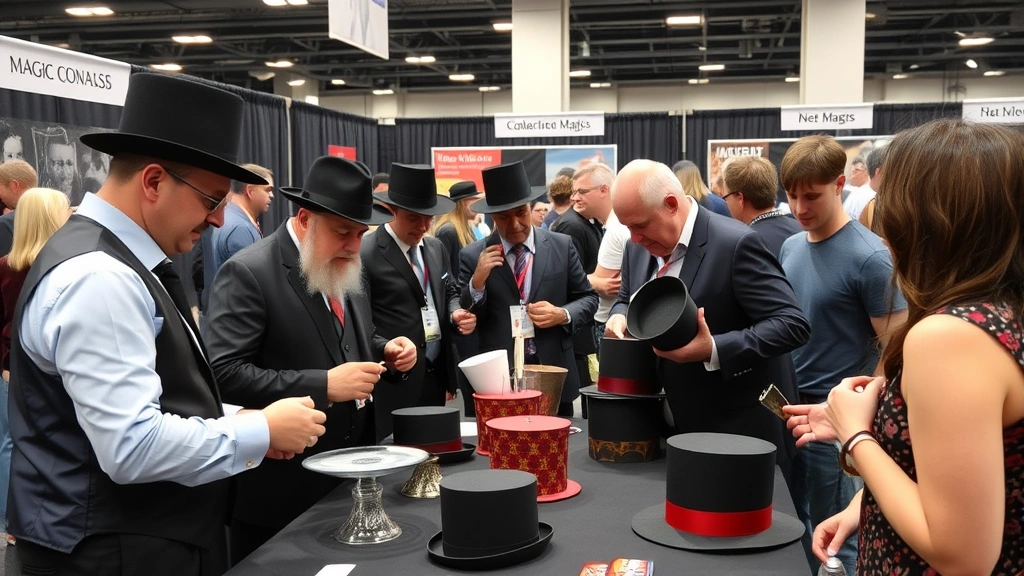
Trade shows and magic conventions provide opportunities to showcase products, meet customers face-to-face, and generate media coverage. Invest in an attractive booth, train staff to demonstrate products effectively, and offer show-exclusive deals to drive traffic and sales.
Public relations and media outreach generate credibility-building coverage. Pitch stories to entertainment journalists—perhaps about your company’s innovative designs, sustainability initiatives, or support for emerging magicians. Feature stories in publications like Harvard Business Review or industry-specific media significantly boost brand visibility.
Partnership with magic schools and training programs positions your products as the preferred choice for educators. Offer educational discounts, sponsor training programs, and work with instructors to integrate your products into curricula.
Measuring Success and Optimization
Effective marketing requires continuous measurement and optimization. Business process mapping tools help track marketing workflows and identify inefficiencies.
Key performance indicators (KPIs) for your magic hat company should include:
- Sales revenue and average order value—the ultimate measure of marketing effectiveness
- Customer acquisition cost (CAC)—total marketing spend divided by new customers acquired
- Customer lifetime value (CLV)—total revenue expected from a customer throughout their relationship with your company
- Conversion rates across different channels and campaigns
- Website traffic sources and user behavior metrics
- Email engagement rates—open rates, click rates, and conversion rates
- Social media engagement—likes, comments, shares, and follower growth
- Brand awareness metrics—brand search volume, social mentions, and press coverage
Use business communication tools to coordinate marketing efforts across your team and maintain consistency in messaging and execution.
A/B testing improves marketing effectiveness by systematically testing variations. Test different email subject lines, social media ad copy, landing page designs, and product photography. Document results and apply winning variations to future campaigns.
Analytics platforms like Google Analytics, Facebook Insights, and email marketing software provide detailed performance data. Regularly review this data to understand what’s working and what needs adjustment. Create monthly reports tracking progress toward goals and identifying trends.
Customer feedback provides qualitative insights that numbers alone cannot capture. Regularly survey customers about their satisfaction, what influenced their purchase decision, and what improvements they’d like. This feedback informs product development and messaging refinement.
Consider consulting with business schools and marketing programs that often provide consulting services or student projects focused on real-world marketing challenges.
FAQ
What’s the best way to start marketing a new magic hat company?
Begin by clearly defining your target audience, understanding their needs, and developing a unique value proposition. Build a professional website with clear product information, establish social media presence on platforms where your audience congregates, and create valuable content that addresses your customers’ questions and challenges. Start with lower-cost digital marketing tactics while building relationships within the magic community.
How important is social media for a magic hat business?
Social media is critical for reaching magicians and entertainers, especially younger audiences. Visual platforms like Instagram and TikTok allow you to showcase products in action, while YouTube enables detailed tutorials and demonstrations. However, social media should be part of a diversified marketing strategy, not your entire approach. Email, community engagement, and content marketing are equally important.
Should I focus on selling directly to consumers or through retailers?
An optimal strategy often includes both channels. Direct-to-consumer sales provide higher margins and direct customer relationships, while retail partnerships expand distribution and reach customers who prefer buying from local shops or established retailers. Different products and market segments may benefit from different approaches—professional-grade hats might sell better direct, while beginner kits might thrive in retail channels.
How can I build credibility in the magic community?
Credibility comes from product quality, authentic engagement, and genuine expertise. Participate honestly in magic communities, sponsor events, partner with respected magicians, create educational content, and consistently deliver high-quality products. Avoid aggressive sales tactics—magicians appreciate authenticity and will recommend your products if they genuinely believe in them.
What’s the typical marketing budget for a magic hat company?
Budget depends on your company size and growth goals. Many small magic equipment companies allocate 10-20% of revenue to marketing. Startups might invest more heavily in initial brand building, while established companies might spend more on customer retention and product innovation. Focus on ROI—invest more in channels and tactics that generate the best returns.
How long does it take to see results from marketing efforts?
Digital marketing can generate immediate results—paid ads might drive sales within days. However, building sustainable, profitable marketing usually takes 6-12 months. Content marketing and SEO require time to generate traffic and rankings. Community building and influencer relationships develop over time. Patience and consistency are essential; avoid constantly changing strategies before giving them adequate time to produce results.


