How to Start a Mexican Bar: Complete Owner’s Guide
Opening a Mexican bar represents a compelling entrepreneurial opportunity in today’s dynamic hospitality market. With the growing consumer appetite for authentic Mexican cuisine, vibrant atmospheres, and quality spirits, establishing a successful Mexican bar requires strategic planning, cultural authenticity, and operational excellence. This comprehensive guide walks you through every critical step—from initial concept development to grand opening and beyond—ensuring you build a thriving establishment that captures the essence of Mexican hospitality while maintaining strong profitability.
The Mexican bar industry has experienced remarkable growth over the past decade, with establishments generating average revenues between $750,000 and $2 million annually, depending on location, size, and operational efficiency. Success in this competitive space demands more than passion for Mexican culture; it requires meticulous financial planning, regulatory compliance, staff training, and marketing acumen. Whether you’re a seasoned restaurateur or first-time business owner, this guide provides actionable insights grounded in industry best practices and real-world operational wisdom.

Market Research and Feasibility Analysis
Before investing substantial capital into your Mexican bar venture, conduct thorough market research to validate demand and identify competitive advantages. Begin by analyzing demographic data in your target location—population density, age distribution, income levels, and cultural composition significantly influence customer acquisition potential. Mexican bars thrive in areas with established Hispanic communities, university towns, tourist destinations, and metropolitan regions with diverse populations.
Evaluate existing competitors within a three-mile radius. Visit competing establishments during peak and off-peak hours, documenting their menu offerings, pricing structures, atmosphere, customer demographics, and operational practices. Identify gaps in the market—perhaps existing venues lack authentic regional cuisine, fail to offer quality tequila selections, or underinvest in entertainment programming. These gaps represent opportunities to differentiate your concept.
Survey potential customers through online questionnaires, focus groups, and informal interviews. Ask about preferred drink types, food preferences, entertainment expectations, and price sensitivity. According to McKinsey research on beverage industry trends, consumers increasingly value authentic experiences and craft quality over mass-market standardization. This insight should inform your positioning strategy.
Analyze foot traffic patterns, public transportation access, parking availability, and visibility from main roads. Successful bars typically operate in locations with high visibility and convenient access. Review zoning regulations to ensure residential or commercial restrictions won’t hinder operations or limit hours of service.
Business Planning and Financial Projections
Develop a comprehensive business plan serving as your roadmap and financing document. This document should articulate your vision, competitive positioning, operational strategy, and financial projections spanning three to five years. Include an executive summary, market analysis, organizational structure, marketing plan, and detailed financial statements.
Calculate startup costs meticulously. For a mid-sized Mexican bar (2,000-3,000 square feet), expect initial investments ranging from $250,000 to $500,000, including:
- Lease deposit and build-out: $80,000-$150,000
- Kitchen and bar equipment: $60,000-$100,000
- Furniture, fixtures, décor: $40,000-$70,000
- Initial inventory: $20,000-$35,000
- Licensing and permits: $5,000-$15,000
- Insurance: $3,000-$8,000 annually
- Technology systems: $10,000-$20,000
- Marketing and pre-opening: $15,000-$30,000
Project revenue conservatively. Establish assumptions based on seat count, average check size, customer turnover rates, and seasonal variations. A 100-seat bar averaging $35 per customer with three turns during dinner service and two turns during late-night service generates approximately $21,000 in daily revenue at full capacity. Real-world capacity typically runs 60-75% of maximum during early operational phases, ramping to 80-90% within 12-18 months.
Model operating expenses carefully. Industry benchmarks suggest cost of goods sold (COGS) should represent 28-32% of beverage revenue and 30-35% of food revenue. Labor typically consumes 25-30% of revenue, while occupancy costs (rent, utilities, insurance) should not exceed 10-12%. Understanding these metrics helps you evaluate profitability scenarios and identify operational leverage opportunities.
Implement strategic pricing strategies that balance competitiveness with profitability. Research local pricing, but remember that authentic ambiance and quality justify premium pricing. Many successful Mexican bars price margaritas at $12-16, specialty cocktails at $14-18, and beer at $5-8, depending on location and positioning.
Legal Structure and Licensing Requirements
Select an appropriate legal structure—sole proprietorship, LLC, S-corporation, or C-corporation—based on liability protection, tax implications, and funding requirements. Most bar owners choose LLC structures, offering liability protection while maintaining favorable tax treatment. Consult with a business attorney and accountant to evaluate options specific to your situation and jurisdiction.
Obtain essential licenses and permits before opening. Requirements vary by location but typically include:
- Business License: General operating permit from your city/county
- Liquor License: Most critical permit; often requires background checks, financial documentation, and local approvals. Research whether your jurisdiction operates under monopoly systems (state controls distribution) or open systems
- Food Service Permit: Health department certification required if serving food
- Building Permits: Required for renovations and build-out work
- Music License: ASCAP, BMI, or SESAC licenses for live or recorded music performance
- Sign Permits: Exterior signage approvals
- Employment Documentation: EIN, payroll tax registration, workers’ compensation insurance
Liquor licensing represents the most complex and time-consuming process. Some jurisdictions limit the number of licenses available, creating competitive scarcity. Begin this process early—applications often require 3-6 months for approval. Budget $5,000-$15,000 in licensing costs and legal fees. Consider establishing a formal partnership agreement if operating with co-owners, clearly delineating roles, capital contributions, profit distribution, and dispute resolution mechanisms.
Location Selection and Lease Negotiation
Location fundamentally determines success probability. Prioritize high-traffic areas with excellent visibility, convenient parking, and proximity to complementary businesses (restaurants, entertainment venues, hotels). Corner locations with multiple street frontages offer superior visibility. Avoid locations in declining neighborhoods or areas with restrictive zoning that limits operating hours or entertainment options.
Evaluate lease terms strategically. Negotiate favorable terms that protect your investment while providing landlord confidence:
- Lease Duration: Seek 5-10 year terms with renewal options, providing stability for long-term operations
- Rent Structure: Negotiate percentage rent arrangements where rent adjusts with revenue, aligning incentives
- Tenant Improvement Allowance: Request landlord contributions toward build-out costs, typically $10-25 per square foot
- Operating Expense Caps: Limit escalations in shared operating costs
- Exclusivity Clauses: Prevent landlords from leasing adjacent spaces to competing bars
- Assignment Rights: Preserve flexibility to transfer lease if circumstances change
Calculate occupancy costs carefully—they should not exceed 10-12% of projected revenue. For a bar projecting $1.2 million annual revenue, occupancy costs should remain under $144,000 annually (approximately $12,000 monthly). Negotiate aggressively; landlords often have flexibility, particularly if you demonstrate financial strength and long-term commitment.
Menu Development and Beverage Strategy
Your beverage program represents the operational and financial heart of your Mexican bar. Develop a curated selection showcasing tequila and mezcal—the spirits defining Mexican bar identity. Partner with distributors specializing in premium Mexican spirits, offering access to diverse agave-based products across price points.
Build a sophisticated tequila portfolio spanning three categories:
- Blanco/Silver: Unaged tequilas (entry-level to premium options) for margaritas and cocktails
- Reposado: Aged 2-12 months, offering complexity and smoothness for sipping
- Añejo/Extra Añejo: Aged 1-3+ years, premium products supporting high-margin sales
Develop signature cocktails distinguishing your bar from competitors. Balance classic margaritas (always essential) with innovative drinks reflecting regional Mexican traditions and modern mixology trends. Document recipes precisely, ensuring consistency across bartenders and shifts. Train staff thoroughly on cocktail preparation, ingredient sourcing, and storytelling—customers increasingly value narratives about ingredients and preparation methods.
Curate beer selections featuring Mexican breweries alongside popular imports. Mexican craft beer has experienced explosive growth; offering regional selections demonstrates authenticity. Include Corona, Modelo, Pacifico, and Tecate as familiar options, supplemented by craft selections from breweries like Cervecería Mexicana, Minerva, and Barba Roja.
Design a food menu complementing your beverage program. Authentic appetizers (ceviche, tostadas, chile rellenos), entrees, and desserts encourage higher customer spend and increase visit frequency. Price food strategically to support profitability—food typically carries higher margins than beverages. Research shows that customers spending on both food and beverages visit 40% more frequently and generate 60% higher lifetime value.
Design, Ambiance, and Customer Experience
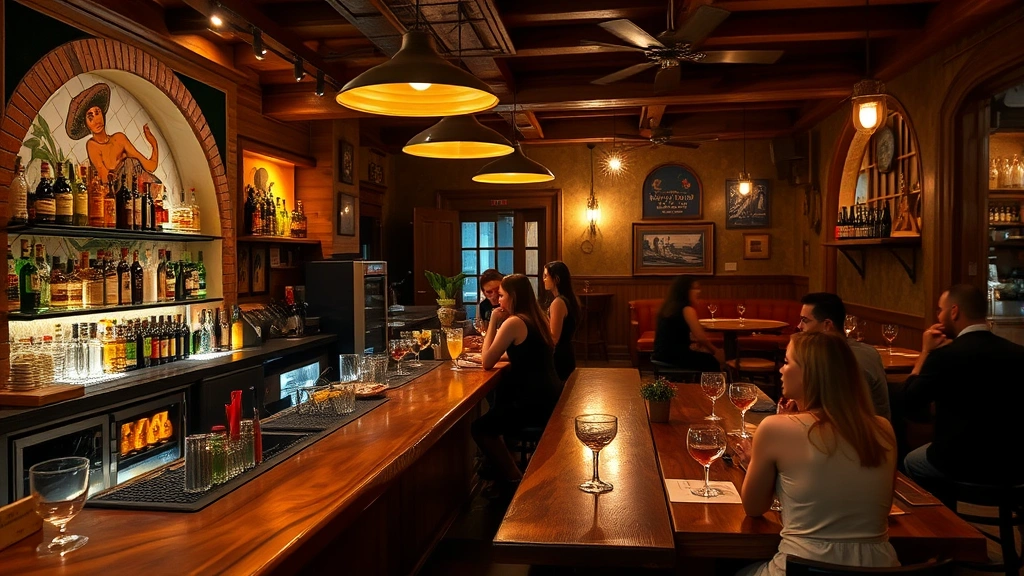
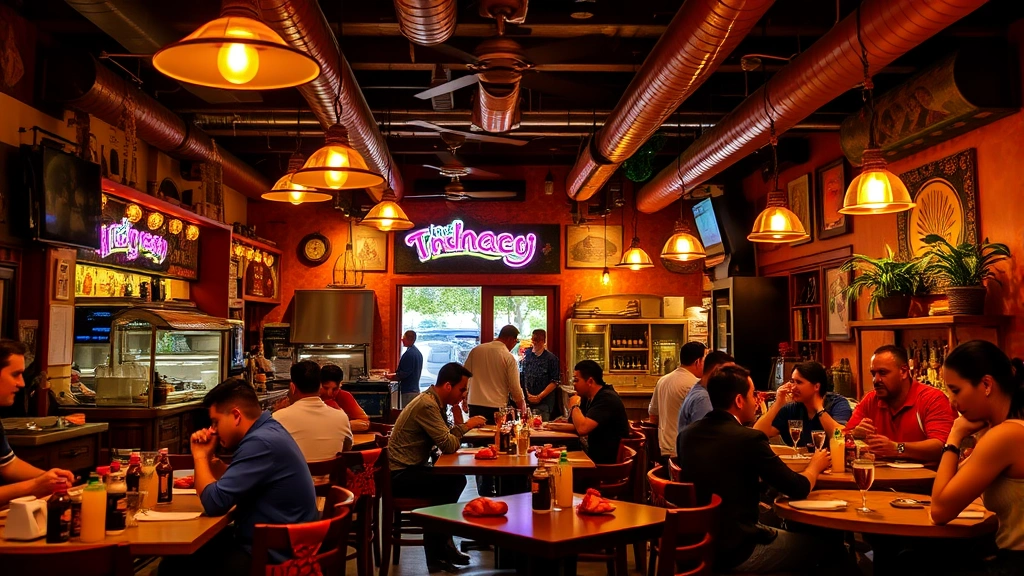
Authenticity in design and ambiance differentiates successful Mexican bars from mediocre competitors. Invest in décor reflecting genuine Mexican culture—hand-painted tiles, wrought iron fixtures, rustic wood elements, vibrant color palettes, and traditional artwork create immersive environments transporting customers to Mexico. Avoid stereotypical clichés like oversized sombreros or generic mariachi imagery; instead, feature regional art, historical photographs, and culturally meaningful décor.
Optimize layout for operational efficiency and customer experience. Design bar seating to maximize bartender visibility and conversation opportunities. Create distinct zones—a lively main bar area for standing customers and socializing, comfortable seating areas for dining groups, and potentially a quieter lounge for conversations. Ensure adequate spacing between tables, as crowded environments create negative perceptions despite high occupancy.
Invest in quality sound systems supporting live music performances while maintaining conversation-friendly volumes during regular service. Mexican bars benefit tremendously from live music—mariachi bands, guitar performers, or acoustic ensembles create authentic atmosphere and justify premium pricing. Schedule entertainment strategically during peak hours (Friday-Saturday evenings, holiday periods).
Implement strategic lighting combining ambient warmth with accent lighting highlighting architectural features and artwork. Avoid overly bright or dim environments; optimal lighting creates intimate yet vibrant atmospheres. Consider dimmable systems allowing ambiance adjustments throughout service periods.
Staffing and Training Programs
Your team directly determines customer satisfaction and operational success. Recruit passionate individuals with hospitality experience and genuine interest in Mexican culture. Prioritize attitude and coachability over experience—you can train skills but cannot instill genuine enthusiasm.
Develop comprehensive training programs covering:
- Product Knowledge: Tequila varieties, agave cultivation, production methods, regional differences, tasting notes, and cocktail applications
- Service Excellence: Hospitality standards, customer interaction protocols, problem-solving approaches, and complaint resolution
- Cocktail Preparation: Precise recipes, ingredient measurements, preparation techniques, garnishing, and presentation
- Food Safety: Sanitation protocols, allergen management, and health code compliance
- Cultural Sensitivity: Appreciation for Mexican traditions, appropriate language usage, and authentic storytelling
- Operational Procedures: Cash handling, inventory management, opening/closing protocols, and emergency procedures
Implement ongoing training programs maintaining quality standards as staff evolves. Monthly product tastings, quarterly service workshops, and annual development planning demonstrate investment in employee growth while improving operational consistency. Research from the Harvard Business Review on employee training demonstrates that organizations investing in staff development experience 24% higher profit margins and 41% lower turnover rates.
Establish competitive compensation structures attracting and retaining talented staff. While hospitality offers modest base wages, gratuity-based compensation can be substantial—bartenders in successful establishments earn $50,000-$80,000 annually. Offer benefits including health insurance, paid time off, and advancement opportunities to build loyalty and reduce costly turnover.
Marketing and Launch Strategy
Develop integrated marketing strategies generating awareness and driving initial traffic. Begin pre-opening marketing 8-12 weeks before launch, building anticipation and establishing brand presence.
Digital Marketing: Create professional social media accounts (Instagram, Facebook, TikTok) showcasing interior design, signature cocktails, and behind-the-scenes content. Partner with local influencers and food/beverage bloggers for preview events and social coverage. Instagram proves particularly effective for hospitality businesses—visually compelling cocktail and food photography drives engagement and trial.
Community Engagement: Sponsor local events, participate in business associations, and establish relationships with community leaders. Host pre-opening events for neighbors, local businesses, and media, generating word-of-mouth momentum.
Launch Promotions: Offer opening week specials—discounted cocktails, complimentary appetizers, or loyalty program enrollment incentives. These tactics drive trial among price-sensitive customers while building databases for future marketing.
Public Relations: Pitch local media (newspapers, magazines, radio, television) with unique story angles—perhaps your personal immigration journey, commitment to authentic cuisine, or innovative cocktail program. Media coverage provides credibility that paid advertising cannot achieve.
Strategic Partnerships: Develop relationships with nearby restaurants, hotels, and entertainment venues for cross-promotion and referral arrangements. Hotels frequently seek local bar recommendations for guests; establishing these relationships generates consistent traffic.
Implement loyalty programs encouraging repeat visits. Digital platforms like Belly or Toast enable easy point accumulation and redemption, driving customer data capture and lifetime value optimization. Research indicates loyalty program members visit 3-4 times more frequently than non-members and spend 20-30% more per visit.
Technology and Operations Systems
Modern technology systems streamline operations, improve profitability, and enhance customer experience. Implement cloud-based point-of-sale (POS) systems enabling real-time sales tracking, inventory management, and financial reporting. Quality POS systems (Toast, Square, or TouchBistro) cost $2,000-$5,000 initially plus monthly fees, but provide invaluable operational insights.
Establish inventory management systems tracking beverage costs and identifying waste or theft. Perpetual inventory monitoring allows rapid identification of variance and corrective action. Implement par-level systems ensuring optimal stock without excess capital tied up in inventory.
Utilize customer relationship management (CRM) systems capturing customer data, preferences, and visit history. These systems enable targeted marketing, personalized service, and customer lifetime value optimization. Many modern POS systems integrate CRM functionality seamlessly.
Implement online reservation and table management systems (OpenTable, Resy) reducing friction for customers while providing valuable data about demand patterns and customer preferences. These platforms also drive additional discovery traffic through their restaurant discovery features.
Develop operational manuals documenting all procedures—opening/closing checklists, cleaning protocols, inventory procedures, customer service standards, and emergency protocols. Documented systems ensure consistency, facilitate staff training, and protect your business during ownership transitions or unforeseen circumstances.
Embrace sustainable business practices reducing environmental impact while often lowering operating costs. Source ingredients from ethical suppliers, implement recycling and composting programs, and minimize single-use items. Sustainability increasingly influences consumer choices, particularly among younger demographics.
Maintain comprehensive financial records and reporting systems. Track key performance indicators (KPIs) including average check size, customer acquisition cost, customer lifetime value, labor percentage, COGS percentage, and profitability by product category. Monthly financial reviews enable rapid identification of performance issues and operational optimization opportunities.
Consider implementing risk management frameworks protecting your investment. Maintain adequate insurance coverage (general liability, liquor liability, property, workers’ compensation), establish emergency protocols, and develop contingency plans for supply chain disruptions or staffing challenges.
Building Long-Term Success and Growth
Initial launch represents just the beginning. Successful Mexican bars continuously evolve, responding to market changes and customer preferences while maintaining core identity. Implement regular customer feedback mechanisms—comment cards, online reviews monitoring, and direct conversations—identifying improvement opportunities and addressing concerns before they damage reputation.
Analyze performance metrics monthly, identifying trends and areas requiring attention. Strong performers should be replicated; underperforming menu items, service approaches, or marketing tactics require modification. This analytical approach to operations enables continuous improvement and sustained competitive advantage.
Plan for long-term growth and potential exit strategies. Consider whether you envision a single high-performing location, multiple unit expansion, or eventual sale to larger hospitality groups. Understanding your long-term vision shapes operational decisions, staffing investments, and financial management approaches.
Develop effective leadership practices building strong organizational culture. Your leadership approach directly influences staff satisfaction, customer experience, and financial performance. Prioritize clear communication, fair compensation, growth opportunities, and genuine appreciation for team contributions.
Stay informed about industry trends through industry publications, trade associations (National Restaurant Association), and peer networks. Emerging trends—craft spirits innovation, experiential dining, health-conscious options—require awareness and strategic response to maintain competitive relevance.
FAQ
How much capital do I need to start a Mexican bar?
Initial investment typically ranges from $250,000 to $500,000 for a mid-sized establishment (2,000-3,000 square feet). Factors including location, equipment quality, décor authenticity, and pre-opening marketing significantly influence final costs. Smaller bars (1,000-1,500 sq ft) may launch with $150,000-$250,000, while upscale establishments in premium locations may require $500,000+. Secure adequate capital through personal savings, bank loans, SBA financing, or investor partnerships.
What liquor license type should I obtain?
Most Mexican bars require on-premise liquor licenses permitting alcohol consumption at the establishment. Some jurisdictions offer tiered licenses (beer/wine vs. full spirits) with different approval processes and costs. Research your specific jurisdiction’s requirements and availability. Some areas maintain license caps, creating scarcity and higher acquisition costs. Consult local alcohol beverage control agencies and legal professionals specializing in liquor licensing.
How long until profitability?
Well-executed Mexican bars typically achieve profitability within 12-18 months. Initial months focus on building customer base, refining operations, and achieving operational efficiency rather than maximizing profits. Expect negative cash flow or minimal profits during months 1-6, gradually improving as customer acquisition, retention, and operational metrics optimize. Financial projections should conservatively model 18-24 months to profitability, providing buffer for unforeseen challenges.
What distinguishes successful Mexican bars from failures?
Successful establishments combine authentic ambiance with operational excellence, quality products, and customer-centric service. Failures typically result from inadequate capitalization, poor location selection, insufficient market research, weak management, or inconsistent quality. Many operators underestimate operating costs, overestimate revenue potential, or fail to invest adequately in staff training and customer experience. Success requires meticulous planning, realistic financial projections, genuine passion for the concept, and willingness to adapt based on market feedback.
Should I offer food service?
Food service significantly enhances profitability and customer experience. Bars offering food generate 30-40% higher customer lifetime value, experience higher visit frequency, and command premium pricing. Food also extends operating hours and customer dwell time, increasing beverage sales per visit. However, food service requires additional infrastructure (kitchen equipment, food handling permits), staff expertise, and inventory management. Many successful Mexican bars start as beverage-focused establishments and add food service once operations stabilize and cash flow permits.
How important is live entertainment?
Live entertainment significantly enhances ambiance and customer experience, justifying premium pricing and driving repeat visits. Mariachi bands, guitar performers, or acoustic ensembles create authentic Mexican atmosphere unavailable through recorded music. However, live entertainment increases labor costs and requires booking relationships. Many successful bars offer live music during peak periods (Friday-Saturday evenings, holidays) while maintaining recorded music during slower periods, balancing ambiance and cost efficiency.
What are typical operating margins for Mexican bars?
Well-operated Mexican bars typically achieve 15-25% net profit margins after accounting for all operating expenses. Beverage-focused operations often achieve higher margins (20-25%) due to superior beverage cost percentages. Food service reduces overall margins slightly but increases total revenue and customer value. Location, operational efficiency, labor management, and pricing strategy significantly influence actual margins. Conservative financial projections should model 12-15% net margins, providing realistic expectations while allowing upside surprise.
How do I differentiate from competitors?
Differentiation stems from authentic Mexican culture, superior product quality, exceptional service, unique ambiance, or distinctive programming. Successful bars often specialize—perhaps focusing on specific regional Mexican cuisine, offering rare tequila selections, hosting live music nightly, or creating experiential events. Identify market gaps and underserved customer segments, positioning your bar to meet unmet needs. Authentic passion for Mexican culture resonates with customers and provides sustainable competitive advantage.