
USDOT Number Requirement? Expert Guide for Movers
Operating a moving company in the United States requires navigating a complex regulatory landscape, and one of the most critical requirements is obtaining a USDOT number. This unique identifier, issued by the U.S. Department of Transportation, is essential for any moving company engaged in interstate commerce. Understanding when you need this number, how to obtain it, and what compliance obligations accompany it can mean the difference between a thriving, legitimate operation and costly legal penalties.
The USDOT number serves as your company’s official registration with federal transportation authorities. It tracks your safety record, insurance status, and operational history. For movers planning to expand beyond state lines or already operating across multiple states, this requirement is non-negotiable. This comprehensive guide will walk you through everything moving company owners and managers need to know about USDOT numbers.
What Is a USDOT Number?
A USDOT number is a unique identifier assigned by the Federal Motor Carrier Safety Administration (FMCSA), a division of the U.S. Department of Transportation. This number distinguishes your moving company in the federal transportation database and serves as a comprehensive record of your operational history, safety performance, and regulatory compliance.
The FMCSA uses USDOT numbers to monitor motor carriers engaged in interstate commerce. Your number becomes public record, meaning customers, competitors, and regulatory agencies can access information about your company’s safety ratings, violation history, and insurance status. This transparency is designed to protect consumers and maintain industry standards.
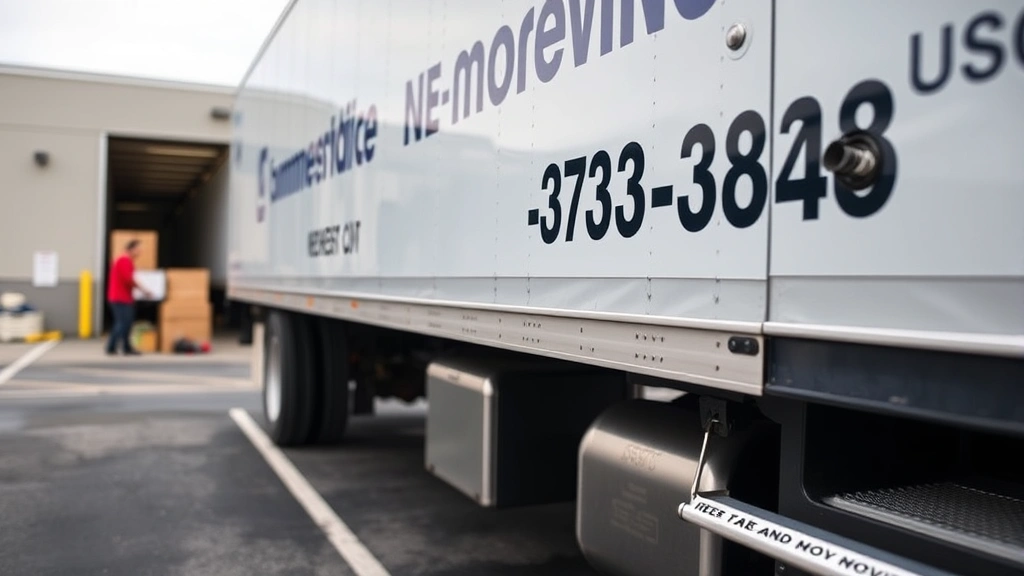
Unlike a business license, which is state-specific, a USDOT number is federal and applies across all state lines. If you operate a moving company that transports household goods, commercial goods, or specialized cargo across state boundaries, you’ll likely need this registration. The number itself is typically displayed on the side of your vehicles and included in all interstate transportation marketing materials.
Many moving companies confuse USDOT numbers with MC numbers (Motor Carrier numbers). While related, these are distinct identifiers. The MC number is issued by the FMCSA’s Office of Motor Carriers and is required for companies operating as for-hire carriers. You may need both numbers depending on your specific business model.

When Do Moving Companies Need a USDOT Number?
The primary trigger for needing a USDOT number is engaging in interstate commerce. If your moving company operates exclusively within a single state, you typically won’t need federal registration. However, once you cross state lines—even occasionally—you enter federal jurisdiction and must comply with FMCSA requirements.
The FMCSA defines interstate commerce as transporting passengers or property across state boundaries. For moving companies, this includes residential relocations, commercial moves, and specialized transportation services that cross state lines. A single interstate move triggers the requirement, not a minimum volume of business.
Several specific scenarios require USDOT registration for movers:
- Household goods moving: Any company moving residential belongings across state lines must register with the FMCSA and obtain a USDOT number.
- Commercial moving: Businesses relocating offices, equipment, or inventory across state boundaries need federal registration.
- Specialized moving services: Companies transporting pianos, art, vehicles, or other specialized items across states require USDOT numbers.
- Storage and moving combinations: If your moving company offers storage services as part of interstate moves, registration is mandatory.
- Freight brokers: Moving companies acting as freight brokers matching shippers with carriers must register separately as brokers.
Intrastate-only movers—those operating within a single state—may still need to register with their state’s transportation authority, but federal USDOT registration isn’t required. However, many states have adopted federal safety standards, so compliance requirements may be similar.
How to Obtain Your USDOT Number
Obtaining a USDOT number is a straightforward process, though it requires careful attention to detail and accurate information. The FMCSA has streamlined the application process through its online registration system, making it more accessible than ever.
Step 1: Prepare Your Documentation
Before applying, gather essential business information including your company’s legal name, business address, mailing address, phone number, and email address. You’ll also need your Employer Identification Number (EIN) from the IRS. Have details about your fleet ready, including the number of vehicles, their VINs, and whether you own or lease them.
Step 2: Register on FMCSA’s Portal
Visit the FMCSA’s online registration portal at FMCSA’s Licensing and Insurance system. Create an account using your company email address. You’ll receive a confirmation email with instructions for completing your profile.
Step 3: Complete the MCS-150 Form
The Motor Carrier Service (MCS-150) form is the official application for USDOT registration. This form captures detailed information about your company’s operations, including the types of cargo you transport, the states where you operate, and your company’s safety practices. Answer each question accurately—inaccurate information can delay approval or result in future compliance issues.
Step 4: Establish Safety and Insurance
Before final approval, you must demonstrate financial responsibility through commercial auto insurance. Household goods movers typically need $300,000 in liability coverage for one vehicle and $600,000 for multiple vehicles. Have your insurance documentation ready to provide proof of coverage.
Step 5: Submit and Wait for Approval
After submitting your application and insurance proof, the FMCSA processes your request. Approval typically takes 1-3 weeks. Once approved, you’ll receive your USDOT number via email. This number must be displayed on all commercial vehicles engaged in interstate commerce.
The entire process is free—the FMCSA doesn’t charge for USDOT registration. However, you’ll need to maintain required insurance, which involves ongoing costs. Some moving companies work with registration specialists or legal consultants to ensure accuracy, particularly if they’re unfamiliar with federal requirements.
USDOT Compliance Requirements for Movers
Obtaining a USDOT number is just the beginning. Once registered, your moving company must maintain strict compliance with multiple federal regulations enforced by the FMCSA. Non-compliance can result in warnings, fines, or even operating authority suspension.
Safety Regulations
The FMCSA enforces comprehensive safety regulations for all registered carriers. Your moving company must comply with rules governing driver qualifications, including background checks, medical certifications, and driving record reviews. All drivers must have valid commercial driver’s licenses (CDLs) appropriate for the vehicles they operate.
Vehicle maintenance is another critical compliance area. Your moving trucks must undergo regular inspections and maintenance to ensure they’re safe for operation. The FMCSA conducts roadside inspections and can issue citations for equipment violations. Maintaining detailed maintenance records is essential for demonstrating compliance.
Hours of Service Regulations
Federal law limits the number of hours drivers can work consecutively. For moving companies, drivers cannot operate more than 11 hours following 10 consecutive hours off-duty. Violation of these regulations risks driver fatigue and safety incidents. Your company must implement systems to track driver hours, whether through electronic logging devices (ELDs) or manual logs.
Drug and Alcohol Testing
All moving companies with USDOT numbers must participate in the Department of Transportation’s drug and alcohol testing program. This includes pre-employment testing, random testing during employment, and post-accident testing. Your company must maintain records of all testing and results.
Record Keeping
The FMCSA requires detailed record keeping across multiple operational areas. You must maintain driver files with qualifications documentation, training records, accident reports, and violations. Vehicle maintenance records must document all inspections and repairs. Financial records demonstrating insurance compliance are also mandatory.
Accessing resources from FMCSA’s safety resources can help your company stay current on regulatory changes.
Insurance and Financial Responsibility
Insurance is inseparable from USDOT registration for moving companies. The FMCSA requires proof of financial responsibility before approving your application, and this requirement continues throughout your operating life.
Required Coverage Amounts
Household goods movers must maintain minimum liability insurance of $300,000 for operations with one vehicle and $600,000 for fleets with multiple vehicles. These amounts cover bodily injury and property damage resulting from accidents during moves. Some states impose higher requirements, so verify your specific state’s regulations.
Selecting Insurance Providers
Not all insurance companies write policies for commercial moving operations. You’ll need an insurer authorized to provide coverage to motor carriers. When selecting a provider, compare quotes from multiple carriers specializing in moving company insurance. Coverage details, exclusions, and claims processes vary significantly between providers.
Proof of Insurance
Your insurance company must file proof of insurance directly with the FMCSA using Form BMC 34 (Uniform Motor Carrier Insurance Endorsement). This documentation confirms your coverage meets federal minimums. If your insurance lapses or is cancelled, your FMCSA registration can be suspended automatically.
Additional Coverage Considerations
Beyond minimum liability requirements, many moving companies carry additional coverage including general liability insurance (covering non-vehicle operations), workers’ compensation insurance (covering employee injuries), and cargo insurance (covering goods in transit). These additional policies protect against risks beyond basic operating liability.
Common Mistakes Moving Companies Make
Understanding common pitfalls helps moving companies avoid costly mistakes. Many operators face regulatory issues due to oversights that could have been prevented.
Operating Without Registration
The most serious mistake is operating interstate without obtaining a USDOT number. Some moving companies believe intrastate operations don’t require registration or attempt to operate without proper authorization. This violates federal law and exposes your company to substantial fines and potential criminal liability. The FMCSA actively monitors for unauthorized carriers.
Inaccurate Application Information
Providing false or incomplete information on the MCS-150 form creates compliance problems. Some operators misrepresent their cargo types, operational scope, or vehicle counts. When these discrepancies are discovered during audits or inspections, they damage your company’s regulatory standing and can result in enforcement actions.
Allowing Insurance to Lapse
Insurance lapses are surprisingly common but devastating to operations. If your policy cancels due to non-payment or coverage gaps, the FMCSA automatically suspends your authority. You cannot legally operate until coverage is restored and documented. This can halt all interstate moves and damage customer relationships.
Inadequate Driver Management
Failing to maintain proper driver qualifications and training creates safety risks and regulatory violations. Some companies don’t conduct thorough background checks, miss medical certification deadlines, or fail to document required training. These oversights violate FMCSA standards and increase accident liability.
Poor Record Keeping
The FMCSA conducts audits and roadside inspections where they review your records. Companies with disorganized or incomplete documentation struggle during these reviews. Maintaining organized driver files, vehicle maintenance records, and hours-of-service logs is essential for demonstrating compliance.
Maintaining Your USDOT Status
Once you’ve obtained your USDOT number, maintaining your registration and compliance status requires ongoing attention and systematic processes.
Annual Renewal Requirements
Your USDOT registration requires annual renewal. The FMCSA sends renewal notices to your registered email address. Failure to renew on time can result in suspension of your operating authority. Set calendar reminders and assign renewal responsibility to a specific team member to prevent lapses.
Updating Company Information
Any significant changes to your company operations must be reported to the FMCSA. If you relocate your business address, change your legal business structure, add new vehicle types, or expand into new states, you must update your MCS-150 information. Failing to report changes can result in compliance violations.
Monitoring Your Safety Record
The FMCSA publishes your company’s safety data publicly through its Safety Management System. Regularly review your company’s safety ratings, which are based on accident rates, violation frequency, and inspection results. High violation rates or safety concerns should trigger immediate corrective action.
Implementing Compliance Systems
Successful moving companies implement systematic processes for maintaining compliance. This includes electronic logging device (ELD) systems for tracking hours of service, maintenance management software for vehicle upkeep, and driver management systems for tracking qualifications and training. These systems reduce human error and provide documentation for audits.
Professional Development and Training
Keeping your team informed about regulatory requirements supports compliance. Many moving companies conduct regular training for drivers on safety regulations, hours-of-service rules, and proper documentation. Management should stay current on FMCSA regulatory changes through industry associations and official FMCSA communications.
Industry organizations like the American Moving & Storage Association provide resources, training, and advocacy for moving companies navigating regulatory requirements.
Understanding the relationship between operational structure and compliance is important. Consider reviewing business partnership agreements if you’re expanding your moving operation through partnerships, as ownership changes can affect USDOT registration requirements.
For moving companies using technology to streamline operations, advantages of cloud computing in business extend to compliance management, allowing centralized record keeping and easier regulatory documentation.
FAQ
Do I need a USDOT number for intrastate moves only?
No. If your moving company operates exclusively within a single state and never crosses state lines, you don’t need federal USDOT registration. However, you may need to register with your state’s transportation authority. Once you perform even a single interstate move, USDOT registration becomes mandatory.
How long does it take to get a USDOT number?
The FMCSA typically processes applications within 1-3 weeks of submission. However, processing times can vary based on application volume and completeness. Incomplete applications or insurance documentation issues can extend the timeline. Plan ahead if you have an upcoming interstate move scheduled.
What is the difference between a USDOT number and an MC number?
A USDOT number is your company’s unique identifier in the federal transportation database. An MC (Motor Carrier) number is a separate registration required for for-hire carriers. Some moving companies need both numbers, while others may only need a USDOT number. Verify requirements based on your specific business model.
Can I operate with a pending USDOT application?
No. You cannot legally operate interstate commerce until your USDOT number is officially approved and issued. Operating with only a pending application violates federal law. Wait for official approval before scheduling interstate moves.
What happens if my insurance lapses?
If your insurance policy cancels or lapses, the FMCSA is automatically notified and your operating authority is suspended. You cannot legally operate interstate until coverage is restored and documented with the FMCSA. This can halt all interstate business immediately, making insurance management critical.
How often do I need to renew my USDOT registration?
Your USDOT registration requires annual renewal. The FMCSA sends renewal notices via email to your registered address. Renew promptly to avoid suspension of your operating authority. Set calendar reminders to ensure timely renewal.
Can I appeal a USDOT suspension?
Yes. If the FMCSA suspends your authority, you have the right to request a hearing and appeal the decision. However, prevention through compliance is far preferable to dealing with suspension and appeals. Maintain accurate records and comply with all requirements to avoid suspension scenarios.
What safety violations most commonly result in USDOT enforcement actions?
Common violations include improper vehicle maintenance, driver qualification deficiencies, hours-of-service violations, and inadequate insurance documentation. Roadside inspections frequently identify equipment problems like brake defects or lighting issues. Maintaining vehicles properly and managing driver records carefully helps avoid these violations.


