Sewer backup cleanup represents one of the most critical and costly emergencies a property owner can face. When raw sewage infiltrates your home or business, the health hazards are immediate and severe, requiring swift intervention from qualified professionals. The stakes are high—contamination can spread rapidly through your property, affecting structural integrity, personal health, and property value.
Selecting the right sewer backup cleanup company demands careful evaluation beyond simple price comparisons. You need specialists who understand both the technical aspects of sewage remediation and the regulatory requirements governing hazardous waste disposal. This comprehensive guide explores the leading sewer cleanup firms and provides expert recommendations for making the most informed decision during this critical situation.
Understanding Sewer Backup Emergencies
Sewer backups occur when municipal sewer lines become overwhelmed, blocked, or damaged, causing sewage to flow backward into residential or commercial properties. Common causes include tree root intrusion, grease accumulation, aging infrastructure, heavy rainfall, and structural pipe damage. The contamination includes pathogenic bacteria, viruses, and harmful chemicals that pose serious health risks including gastrointestinal illness, respiratory infections, and skin conditions.
The immediate response to a sewer backup is critical. Professional cleanup firms must address not only the visible sewage but also the microscopic biological hazards that persist long after visible contamination appears removed. This requires specialized equipment including industrial-grade pumps, HEPA filtration systems, and antimicrobial treatment protocols. The cleanup process involves documentation for insurance claims, proper disposal of contaminated materials, and comprehensive decontamination of affected areas.
Reputable sewer backup cleanup companies understand that speed matters tremendously. The longer sewage remains in your property, the more extensive the damage becomes and the higher the risk of health complications. Emergency response teams should be available 24/7, capable of arriving within hours of your call. They must also provide detailed assessments of damage scope and clear timelines for restoration completion.
Key Credentials and Certifications
When evaluating sewer cleanup companies, verify their professional certifications and credentials. The Institute of Inspection, Cleaning and Restoration Certification (IICRC) represents the gold standard for water damage restoration professionals. IICRC-certified technicians have completed rigorous training in water damage assessment, structural drying, and microbial remediation. This certification demonstrates commitment to industry best practices and ongoing professional development.
Additionally, look for companies holding licenses specific to hazardous waste handling and biohazard cleanup. Many states require specific licensing for sewage remediation due to the contamination risks involved. Verify that the company maintains proper insurance coverage, including general liability and pollution liability insurance. This protects both you and the cleanup team during restoration work.
OSHA compliance is another critical credential. Reputable firms ensure their technicians follow Occupational Safety and Health Administration protocols for protecting workers during hazardous material exposure. They should also maintain membership in professional organizations such as the Restoration Industry Association (RIA) or the American Biological Safety Association (ABSA), indicating ongoing commitment to industry standards and ethical practices.
Top Sewer Cleanup Firms
The leading sewer backup cleanup companies combine emergency response capabilities with comprehensive restoration services. These firms typically operate regionally with strong local expertise and understanding of municipal sewer systems specific to their service areas. When researching potential contractors, examine their track records, customer reviews, and case studies demonstrating successful large-scale remediation projects.
Premier firms in this sector offer comprehensive services extending beyond initial cleanup. They provide structural assessment, water extraction, dehumidification, content restoration, and reconstruction services. Many maintain relationships with insurance companies, streamlining the claims process and reducing your administrative burden during an already stressful situation. The best companies also offer preventive services including sewer line inspections using video technology, drain cleaning, and maintenance programs designed to prevent future backups.
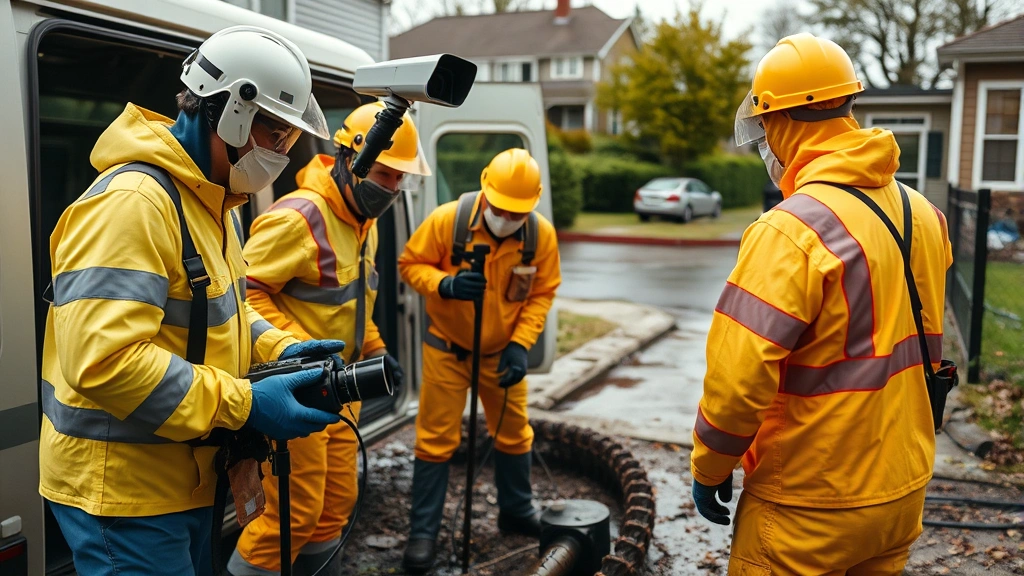
Industry leaders distinguish themselves through technological advancement. Companies investing in advanced diagnostic equipment like CCTV sewer inspection cameras can identify problem areas before they cause major backups. Some firms offer real-time monitoring systems that alert property owners to potential issues, enabling proactive intervention before emergencies occur. These forward-thinking approaches reduce overall costs and minimize property damage.
Evaluation Criteria for Selection
Start by verifying that any company you consider is properly licensed and insured. Request proof of current licensing, liability insurance, and workers’ compensation coverage. Don’t hesitate to contact your state licensing board to confirm active status and check for complaints or disciplinary actions. This foundational research prevents hiring unlicensed operators who may cut corners on safety and quality.
Emergency response time is paramount when sewage threatens your property. Ask potential contractors about their average response times and whether they maintain 24/7 availability. Some companies operate regional response centers with dedicated crews positioned to reach emergencies quickly. This infrastructure investment indicates serious commitment to rapid intervention when minutes matter most.
Request detailed written estimates before committing to any company. Legitimate firms will conduct on-site assessments to understand damage scope before providing pricing. Be wary of companies offering estimates without seeing the affected areas—accurate assessment requires professional evaluation. The estimate should itemize all services, equipment usage, labor costs, and disposal fees. It should also specify what insurance typically covers versus customer responsibility.
Customer testimonials and references provide valuable insight into company performance during actual emergencies. Ask about their experience with your specific situation—different sewer backup scenarios require different approaches. A company experienced with multiple backups in your neighborhood likely understands local sewer system issues and has developed specialized solutions.
Consider the company’s approach to communication and transparency throughout the cleanup process. You should receive regular updates on progress, emerging issues, and timeline adjustments. Professional firms assign a project manager who serves as your primary contact, ensuring consistent communication and accountability.
Prevention and Maintenance Strategies
While professional cleanup services address acute emergencies, prevention strategies protect your property long-term. Regular sewer line maintenance dramatically reduces backup risk. Professional drain cleaning services use hydro-jetting equipment to remove grease, mineral deposits, and debris accumulation that gradually restricts flow. Many companies recommend annual or biennial cleaning depending on your property’s age and usage patterns.
Tree root intrusion represents a major threat to sewer lines, particularly in properties with mature trees near underground utilities. Regular CCTV inspections identify root penetration before it causes backups. Some property owners elect root barriers or tree removal to prevent future issues. Understanding your sewer line’s condition enables proactive decision-making rather than reactive emergency response.
Proper household practices prevent many backup scenarios. Never flush non-biodegradable items, grease, or excessive paper products. Kitchen grease should be disposed of in trash, not drains. Avoid planting water-loving trees near sewer lines. If you operate a commercial kitchen or high-volume facility, install grease traps and maintain them regularly. These simple precautions significantly reduce backup likelihood.
Consider installing backwater valves if your property sits in a flood-prone area or low-lying neighborhood. These devices automatically close when sewage attempts to flow backward into your property, providing protection during municipal system overflows. While not foolproof, backwater valves offer valuable protection for vulnerable properties.
Insurance and Cost Considerations
Homeowners insurance typically doesn’t cover sewer backup damage, though some insurers offer optional endorsements. These policies usually cost $50-$200 annually and provide coverage for damage caused by sewage backup from municipal lines or your lateral line. Given the potential for tens of thousands in cleanup and restoration costs, this coverage often represents excellent value. Review your policy carefully to understand what’s covered and any deductibles that apply.
Commercial property owners face similar insurance challenges. Business policies frequently exclude sewer backup coverage, but endorsements are usually available. The cost-benefit analysis strongly favors purchasing coverage given the catastrophic financial impact of uninsured sewage damage.
Cleanup costs vary dramatically based on damage extent, affected area size, and contamination severity. Minor backups affecting a single bathroom might cost $3,000-$5,000. Extensive damage affecting multiple rooms or entire basement areas can exceed $25,000-$50,000 or more. Factors influencing cost include water extraction volume, affected material disposal, structural drying requirements, and reconstruction needs.
When obtaining estimates, ask about payment arrangements. Some companies offer insurance billing arrangements where they coordinate directly with your insurance provider. Others require payment upon completion. Clarify these details upfront to avoid financial surprises. Additionally, inquire whether emergency response fees apply separately from cleanup charges—some firms charge premium rates for rapid response services.
The importance of developing clear communication with your cleanup contractor extends to financial matters. Request itemized invoices documenting all work performed and materials used. This documentation supports insurance claims and creates accountability records. Professional firms understand this need and provide detailed paperwork automatically.
According to research from McKinsey & Company, property owners who invest in preventive maintenance reduce emergency response costs by 40-60% over five-year periods. This data emphasizes the financial wisdom of maintenance programs and early intervention strategies.
Industry Best Practices and Standards
The restoration industry has evolved significantly, with leading firms adopting evidence-based practices supported by research and professional guidelines. The Harvard Business Review has documented how professional service companies in the cleanup sector achieve superior outcomes through systematic processes and continuous improvement methodologies.
Reputable firms employ certified microbial remediation specialists who understand the biological aspects of sewage contamination. They recognize that visible cleanup represents only the initial phase—proper remediation requires antimicrobial treatment, air quality testing, and verification that all pathogenic organisms have been eliminated. This scientific approach prevents secondary contamination and ensures true health safety restoration.
Documentation practices distinguish professional firms from amateur operators. Legitimate companies photograph all damage, maintain detailed logs of work performed, and provide before-and-after comparisons. This documentation serves multiple purposes: supporting insurance claims, protecting both parties legally, and providing peace of mind that comprehensive work was completed.
The Forbes Business Council emphasizes that companies excelling in emergency services prioritize customer communication and transparency. During high-stress situations like sewer backups, clear communication reduces anxiety and builds confidence in the restoration process. Professional firms understand this psychological component and invest in communication infrastructure.
Sustainability considerations increasingly influence how cleanup firms operate. Leading companies implement proper waste disposal protocols, recycle recoverable materials, and minimize environmental impact. Some firms have achieved waste reduction certifications and participate in green remediation initiatives. This environmental consciousness appeals to property owners seeking responsible service providers.
The Restoration Industry Association maintains updated standards for all aspects of water damage and sewage remediation. Member companies commit to following these standards and participating in continuing education. Checking RIA membership status provides assurance that your chosen contractor maintains current knowledge of best practices.
Making Your Final Selection
After gathering information on multiple contractors, create a comparison matrix evaluating each firm across your prioritized criteria. Weight factors according to importance—emergency response time might be critical while cost considerations are secondary if insurance covers most expenses. This systematic approach reduces decision-making bias and ensures comprehensive evaluation.
Trust your instincts regarding company professionalism and responsiveness. During initial consultations, notice whether representatives listen carefully to your situation or immediately launch into sales pitches. Professional firms ask detailed questions to understand your specific circumstances before recommending solutions. They also acknowledge uncertainty rather than guaranteeing specific outcomes they cannot control.
Verify that the company you select maintains adequate crew capacity for your project timeline. Some firms subcontract work to other companies, which can compromise quality and accountability. Ask directly whether your project will be handled by company employees or subcontractors. Direct company involvement usually ensures better quality control and faster issue resolution if problems arise.
Request references from customers who experienced similar backup severity. Speaking directly with past clients provides invaluable perspective on company performance under actual emergency conditions. Ask about communication quality, timeline adherence, and whether the customer felt the company treated their property with appropriate care and respect.
Finally, review your insurance policy one more time before committing to a contractor. Some insurers maintain preferred vendor networks and may require you to use approved contractors for coverage. Using a non-approved contractor could jeopardize your claim, so verify compatibility before proceeding. If your insurer offers contractor recommendations, seriously consider their suggestions—they’ve evaluated these firms based on performance data and customer satisfaction metrics.
Business Resilience and Operational Continuity
For commercial property owners, sewer backups threaten operational continuity and revenue generation. The importance of maintaining diverse vendor relationships and service providers extends to emergency cleanup services. Establishing relationships with qualified contractors before emergencies occur enables faster response and smoother coordination when crises strike.
Forward-thinking business owners develop emergency response plans that include designated sewer cleanup contractors. This preparation ensures you’re not making critical decisions under pressure during actual emergencies. Your plan should identify preferred contractors, outline communication protocols, document insurance coverage details, and establish decision-making authority for approving emergency expenditures.
Businesses in industries particularly vulnerable to sewage damage—such as restaurants, healthcare facilities, and food processing operations—should prioritize relationships with contractors experienced in their specific sector. These specialized firms understand industry-specific regulations, compliance requirements, and operational needs that general contractors might overlook.
FAQ
How quickly should a sewer cleanup company respond to emergency calls?
Reputable firms typically respond within 2-4 hours during business hours and maintain 24/7 emergency response capabilities. Some companies position crews regionally to achieve faster response times. Ask about their specific response time guarantees during initial consultations.
What should I do immediately when I discover a sewer backup?
First, stop using all water fixtures to prevent additional sewage backup. Avoid walking through contaminated areas. Open windows for ventilation. Contact your chosen cleanup contractor immediately and notify your insurance company. Document visible damage with photos but don’t attempt cleanup yourself due to health hazards.
Will my homeowners insurance cover sewer backup cleanup?
Standard homeowners policies typically exclude sewer backup damage, but optional endorsements are usually available for $50-$200 annually. Contact your insurance agent to review your coverage and discuss whether adding this protection makes sense for your situation.
How long does the complete cleanup and restoration process take?
Timeline varies dramatically based on damage extent. Minor backups might require 3-5 days of active work. Extensive damage affecting multiple rooms or requiring structural drying might take 2-4 weeks. Your contractor should provide realistic timelines during the initial assessment.
Can I prevent sewer backups through maintenance?
Yes. Regular drain cleaning, CCTV inspections, proper household practices, and tree management significantly reduce backup risk. Some property owners install backwater valves for additional protection. Annual maintenance programs cost far less than emergency cleanup and restoration.
Should I use my insurance company’s recommended contractor?
Insurance companies often recommend contractors they’ve vetted and worked with successfully. Using approved contractors may streamline your claim process. However, verify that recommended firms meet your standards for credentials, experience, and communication before committing.
What makes one sewer cleanup company better than another?
Key differentiators include IICRC certification, emergency response time, experience with your specific situation, transparent communication, detailed documentation practices, and comprehensive service offerings beyond basic cleanup. Companies investing in advanced diagnostic equipment and preventive services typically deliver superior long-term value.