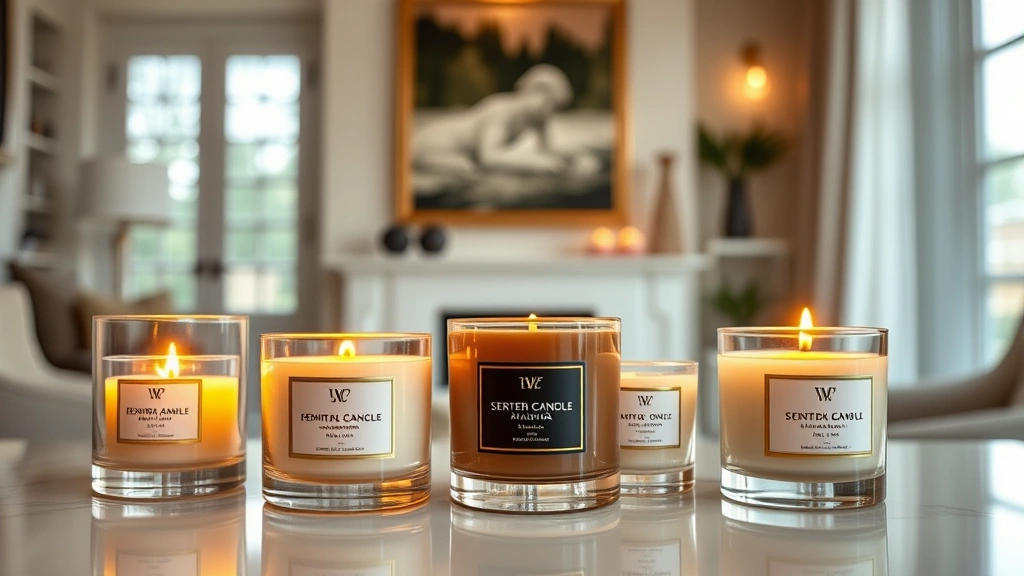
Tyler Candle Company: Scented Success Story
Tyler Candle Company has emerged as a dominant force in the premium fragrance market, transforming from a regional Texas-based operation into a nationally recognized brand synonymous with luxury scented candles. The company’s trajectory demonstrates how strategic positioning, product excellence, and customer-centric innovation can build a thriving business in the highly competitive home fragrance industry. With a portfolio spanning multiple product lines and distribution channels, Tyler has mastered the art of creating emotional connections through scent while maintaining operational excellence.
The success of Tyler Candle Company extends beyond mere product quality. The brand has cultivated a distinctive market identity by combining traditional candle-making craftsmanship with modern business practices. Their approach to customer experience, coupled with effective use of digital marketing strategies, has positioned them as an industry leader. This comprehensive analysis explores the key factors driving Tyler’s success and the operational strategies that enable sustainable growth in the fragrance sector.
Company Origin and Market Position
Founded in Mount Pleasant, Texas, Tyler Candle Company began with a simple vision: to create premium-quality scented candles that rival luxury European brands while maintaining authentic American craftsmanship. The company’s roots in the heart of Texas provided both geographic advantage and cultural identity that would become central to the brand narrative. What started as a local enterprise has evolved into a multi-million dollar operation with products available across North America and international markets.
The premium candle market was historically dominated by established European manufacturers and niche boutique producers. Tyler identified a strategic gap: American consumers desired high-quality, long-lasting scented candles with distinctive fragrances that reflected contemporary lifestyle preferences. By positioning themselves as a premium domestic alternative, Tyler captured market share from both mass-market competitors and established luxury brands. The company’s commitment to American manufacturing and locally-inspired fragrances resonated with consumers seeking authentic, quality products.
Tyler’s market position strengthened through consistent brand messaging and strategic retail partnerships. The company understood that success in the home fragrance industry requires more than quality products—it demands a cohesive brand experience across all customer touchpoints. Their emphasis on premium packaging, distinctive scent profiles, and reliable burn performance established Tyler as a credible competitor in the luxury segment.
Product Innovation and Development
The cornerstone of Tyler’s success lies in their relentless focus on product innovation and scent development. The company maintains an in-house fragrance development team that continuously creates new scent profiles while perfecting existing formulations. Each candle is crafted using premium wax blends and high-quality fragrance oils, ensuring consistent performance and superior scent throw—the distance a candle’s fragrance disperses throughout a room.
Tyler’s product portfolio extends far beyond traditional pillar and jar candles. The company offers premium home fragrance solutions including wax melts, room sprays, diffusers, and car fragrances. This diversification strategy allows customers multiple touchpoints for experiencing Tyler fragrances while maximizing revenue per customer. The sophisticated business management approach enables coordinated development across product categories.
Seasonal product releases represent a critical innovation strategy. Tyler introduces limited-edition fragrances aligned with seasonal preferences and holidays, creating urgency and encouraging repeat purchases. These seasonal offerings generate buzz on social media platforms and drive traffic to retail locations and e-commerce channels. The company’s ability to forecast demand and manage production timelines ensures product availability during peak selling periods without excessive inventory.
Fragrance naming and positioning demonstrate Tyler’s marketing sophistication. Rather than generic descriptors, the company creates evocative names with storytelling elements—such as “Southern Charm,” “Dewberry,” and “Tobacco Leaf”—that communicate the scent profile while building emotional connection. This narrative approach transforms candles from functional products into lifestyle accessories that reflect consumer identity and aspirations.

Operational Excellence and Scaling
Tyler Candle Company’s ability to scale operations while maintaining product quality demonstrates sophisticated operational management. The company invested in manufacturing infrastructure that balances automation with artisanal craftsmanship. Production facilities employ advanced quality control systems ensuring every candle meets strict performance standards for burn time, scent consistency, and packaging presentation.
Implementing business process automation has enabled Tyler to streamline production workflows, reduce waste, and optimize resource allocation. The company utilizes data-driven approaches to forecast demand, manage inventory, and coordinate logistics across multiple distribution channels. This operational sophistication allows rapid scaling without compromising the quality standards that define the brand.
Supply chain management represents another critical operational success factor. Tyler maintains strategic relationships with suppliers of premium wax, fragrance oils, and packaging materials. The company’s procurement strategy balances cost efficiency with quality assurance, ensuring that cost pressures never compromise product excellence. By managing supplier relationships effectively, Tyler secures favorable terms while maintaining access to premium inputs.
The organization’s approach to employee productivity emphasizes training, empowerment, and performance alignment. Manufacturing teams understand quality standards and brand values, translating into consistent product excellence. Sales and customer service teams receive comprehensive training ensuring they represent the brand authentically across all customer interactions. This human capital investment creates organizational capabilities that competitors cannot easily replicate.
Digital Transformation and Customer Engagement
Tyler’s digital strategy recognizes that contemporary consumers research products online, expect seamless omnichannel experiences, and value authentic brand engagement. The company maintains a sophisticated e-commerce platform offering product discovery, detailed descriptions, customer reviews, and streamlined purchasing. Website design emphasizes brand aesthetics while optimizing conversion through intuitive navigation and clear product differentiation.
Social media represents a cornerstone of Tyler’s customer engagement strategy. The company leverages platforms including Instagram, Facebook, and TikTok to showcase products, share customer experiences, and build community. User-generated content featuring Tyler candles in home settings provides authentic testimonials more persuasive than traditional advertising. Influencer partnerships amplify brand reach, connecting Tyler products with lifestyle audiences and driving trial among new customer segments.
Email marketing enables direct customer communication and personalized product recommendations. Tyler segments customer databases based on purchase history, preferences, and engagement patterns, delivering relevant content and offers. This data-driven approach maximizes marketing ROI while respecting customer preferences and avoiding excessive communications that diminish brand perception.
The company’s website incorporates educational content addressing customer questions about candle selection, burn optimization, and fragrance layering. This thought leadership positions Tyler as an expert authority rather than merely a product vendor. Content marketing drives organic search visibility while building trust with consumers evaluating premium candle options.
Enhanced business communication tools enable efficient coordination between marketing, sales, and customer service teams, ensuring consistent messaging and rapid response to customer inquiries. This internal alignment translates into superior external customer experience.
Distribution Strategy and Retail Presence
Tyler’s distribution strategy balances direct-to-consumer channels with strategic retail partnerships, maximizing market coverage while maintaining brand control. The company’s e-commerce platform serves as a primary revenue channel, offering complete product selection and premium presentation unavailable in many retail locations. Direct sales provide valuable customer data and higher profit margins compared to wholesale arrangements.
Retail partnerships extend Tyler’s reach to customers preferring in-store shopping experiences. Strategic placement in premium home décor retailers, department stores, and specialty fragrance shops positions Tyler alongside competing luxury brands while reaching customers at crucial purchase decision moments. Retail partnerships require disciplined inventory management and coordinated promotional activities, areas where cloud computing solutions provide significant operational advantages through real-time visibility and automated reordering.
The company operates flagship retail locations in select markets, creating immersive brand experiences where customers explore the complete product portfolio, sample fragrances, and interact with knowledgeable staff. These flagship stores generate significant direct revenue while serving as brand ambassadors, influencing consumer perception and driving retail partner demand.
International distribution represents an emerging growth opportunity. Tyler has expanded into Canadian markets and selected European retailers, extending brand reach beyond the domestic market. International expansion requires navigating regulatory requirements, adapting marketing messages to different cultural contexts, and managing longer supply chains. The company’s operational sophistication enables successful international scaling.
Brand Loyalty and Market Differentiation
Tyler has cultivated exceptional brand loyalty through consistent delivery of premium products, authentic brand storytelling, and genuine customer appreciation. Loyalty program members receive exclusive offers, early access to seasonal releases, and recognition of their status as valued community members. This structured approach to loyalty transforms occasional buyers into repeat customers and brand advocates.
The company’s commitment to American manufacturing and Texas heritage provides meaningful differentiation in a market where many competitors outsource production. This authenticity resonates with consumers valuing domestic manufacturing, quality craftsmanship, and supporting American businesses. Marketing communications emphasize these values, creating emotional connections that transcend functional product benefits.
Customer service excellence reinforces brand positioning. Tyler responds promptly to inquiries, addresses concerns generously, and demonstrates genuine commitment to customer satisfaction. This service philosophy creates positive experiences that customers share with friends and family, generating organic word-of-mouth marketing more credible than paid advertising.
Brand partnerships extend Tyler’s reach into complementary lifestyle categories. Collaborations with home décor brands, lifestyle publications, and wellness companies introduce Tyler products to new audiences while reinforcing premium positioning through association with respected partners.

Financial Performance and Growth Metrics
Tyler Candle Company’s financial performance reflects successful execution of business strategy and market positioning. The company has achieved consistent revenue growth over successive years, expanding market share in the premium home fragrance segment. Strong profitability enables reinvestment in product development, manufacturing capabilities, and market expansion initiatives.
Customer acquisition costs remain manageable relative to lifetime customer value, indicating efficient marketing spending and strong product-market fit. Repeat purchase rates exceed industry benchmarks, demonstrating superior customer satisfaction and brand loyalty. Average order value increases as customers discover complementary products and loyalty program benefits encourage larger purchases.
Inventory turnover metrics indicate strong demand management and accurate demand forecasting. The company minimizes markdowns through effective pricing strategy and promotional discipline, protecting margins while remaining competitive. Operational metrics including production efficiency, quality yields, and logistics costs demonstrate continuous improvement initiatives.
Market research indicates Tyler commands significant market share in the premium domestic candle segment, with brand awareness and consideration levels among target consumers substantially higher than most competitors. This market position translates into pricing power and retail partner leverage, supporting continued financial performance.
FAQ
What makes Tyler Candle Company different from other premium candle brands?
Tyler differentiates through commitment to American manufacturing, distinctive fragrance development, premium wax formulations, and authentic brand storytelling rooted in Texas heritage. The company combines artisanal craftsmanship with operational sophistication, delivering consistent quality across all products and customer touchpoints.
Where can consumers purchase Tyler Candle Company products?
Tyler products are available through the company’s e-commerce website, flagship retail locations, premium home décor retailers, department stores, and specialty fragrance shops. Distribution continues expanding into new geographic markets and retail channels.
How does Tyler ensure product quality and consistency?
The company maintains rigorous quality control standards throughout production, employing advanced manufacturing systems and comprehensive testing protocols. In-house fragrance development enables precise formulation control, ensuring every candle delivers consistent scent performance and burn characteristics.
What is Tyler’s approach to sustainability and environmental responsibility?
Tyler utilizes premium wax formulations and sustainable packaging materials, minimizing environmental impact while maintaining product quality. The company continues evaluating innovations in sustainable sourcing and eco-friendly materials as part of long-term business strategy.
How can customers join Tyler’s loyalty program?
Customers can join through the company website, receiving exclusive offers, early access to seasonal products, and special recognition. Loyalty members enjoy meaningful benefits rewarding their continued support and brand advocacy.


