Wilson Trailer Innovations: Industry Overview and Market Leadership
The trailer manufacturing industry represents a critical backbone of North American logistics and transportation infrastructure. Among the key players shaping this sector, Wilson Trailer Company has emerged as a significant force, driving innovation and setting standards that influence the entire industry. With decades of operational experience and a commitment to technological advancement, Wilson has positioned itself at the forefront of trailer design, manufacturing, and customer solutions.
Understanding Wilson Trailer’s role within the broader industry landscape requires examining market trends, competitive dynamics, and the evolving demands of logistics professionals. The company’s trajectory reflects larger shifts in transportation, sustainability initiatives, and the integration of smart technologies into heavy equipment manufacturing. This comprehensive overview explores Wilson’s innovations, market position, and the strategic factors that define success in modern trailer manufacturing.

Market Overview and Industry Context
The global trailer market has experienced substantial growth over the past decade, driven by increasing e-commerce activity, supply chain expansion, and infrastructure investment. According to McKinsey’s automotive and assembly insights, the commercial vehicle sector continues to adapt to changing regulatory environments and customer expectations. The North American trailer market specifically faces unique pressures: stricter emissions standards, driver shortage challenges, and the need for greater operational efficiency.
Wilson operates within a competitive landscape that includes established manufacturers and emerging innovators. The company’s success depends on understanding fleet operator needs, anticipating regulatory changes, and maintaining manufacturing excellence. Market research indicates that fleet operators prioritize durability, fuel efficiency, maintenance costs, and technological integration when selecting trailer solutions. These factors directly influence product development strategies across the industry.
The rise of digital logistics platforms and real-time tracking systems has transformed customer expectations. Modern fleet managers require trailers equipped with telematics capabilities, load sensors, and predictive maintenance systems. This technological shift has reshaped competitive advantages, moving beyond traditional manufacturing metrics toward comprehensive solution offerings. Wilson’s response to these market dynamics demonstrates the company’s strategic awareness and commitment to relevance.
Wilson Trailer Company: Foundation and Evolution
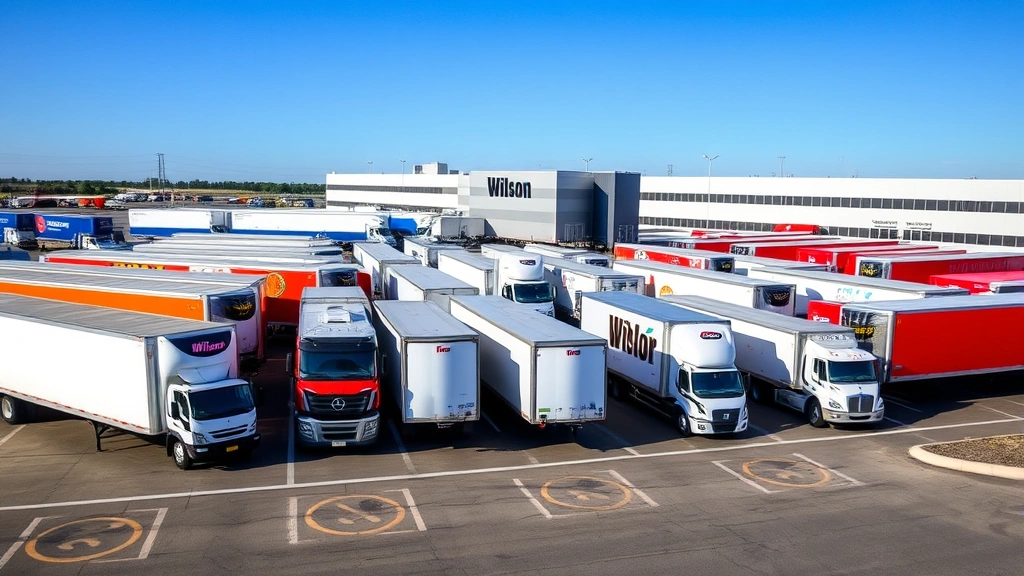
Wilson Trailer Company was founded with a vision to manufacture superior trailer solutions that exceed industry standards. The company’s heritage reflects American manufacturing traditions combined with forward-thinking innovation. Over its operational history, Wilson has expanded from regional operations to become a nationally recognized brand trusted by major logistics companies, owner-operators, and fleet managers across diverse industries.
The company’s evolution mirrors broader industry transformation. Early focus on basic trailer construction gradually expanded to include specialized solutions for different cargo types and operational scenarios. Refrigerated trailers, flatbeds, dry vans, and specialized hauling solutions represent the breadth of Wilson’s product portfolio. Each category reflects years of engineering refinement and customer feedback integration.
Strategic investments in manufacturing infrastructure, research and development, and workforce training have positioned Wilson as an industry innovator. The company’s commitment to continuous improvement extends beyond product design to encompass supply chain optimization, quality assurance, and customer relationship management. This holistic approach to business excellence distinguishes Wilson within a competitive marketplace.
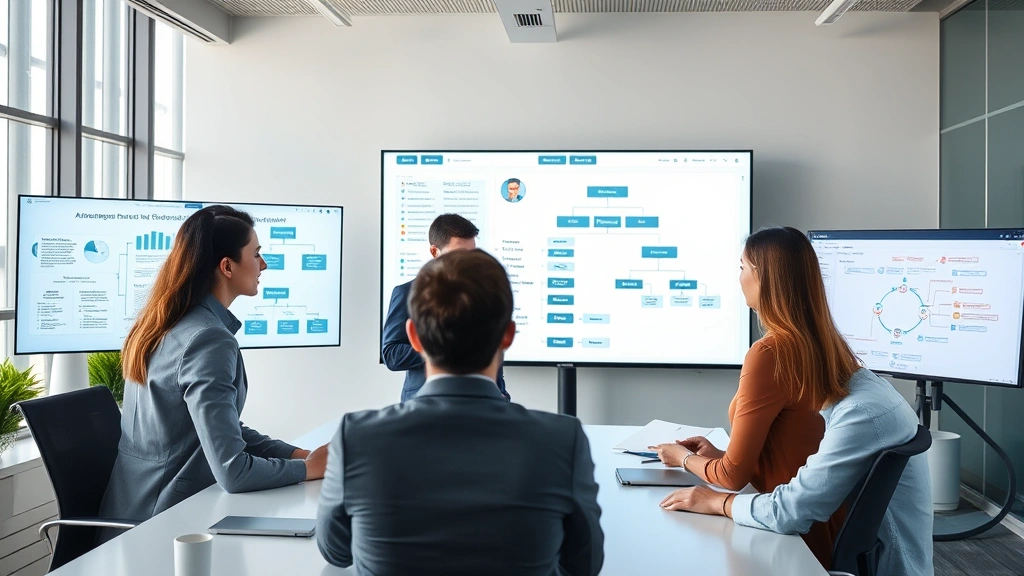
Understanding Wilson’s market position requires recognizing the importance of effective business communication tools in coordinating complex manufacturing operations. Modern trailer production demands seamless coordination across engineering, production, procurement, and quality departments. Wilson’s organizational structure reflects this operational reality.
Product Innovation and Technology Integration
Product innovation represents the cornerstone of Wilson’s competitive strategy. The company invests substantially in research and development, exploring advanced materials, aerodynamic improvements, and integrated technology solutions. Recent innovations include lightweight composite components that reduce fuel consumption, advanced suspension systems that improve ride quality and cargo protection, and integrated telematics platforms that provide real-time operational insights.
Aerodynamic enhancements have become increasingly important as fuel costs represent significant operational expenses for fleet operators. Wilson’s engineering teams have developed trailer designs that minimize wind resistance, reducing fuel consumption by measurable percentages. These improvements directly impact the total cost of ownership, a critical metric for fleet managers evaluating purchasing decisions. Harvard Business Review’s strategy insights emphasize that sustainable competitive advantage comes from innovations that align with customer value propositions—precisely what Wilson delivers through aerodynamic improvements.
Smart trailer technology represents another frontier of innovation. Integration of Internet of Things (IoT) sensors enables fleet managers to monitor cargo conditions, track location, predict maintenance needs, and optimize routes. These capabilities transform trailers from passive cargo containers into active participants in supply chain management. Wilson’s investment in telematics infrastructure positions the company at the intersection of manufacturing and digital solutions.
Customization capabilities demonstrate Wilson’s customer-centric innovation approach. Recognizing that different industries have distinct requirements, the company offers modular designs allowing customers to configure trailers meeting their specific operational needs. This flexibility attracts diverse customer segments and creates switching costs that enhance customer retention.
Operational Excellence and Manufacturing
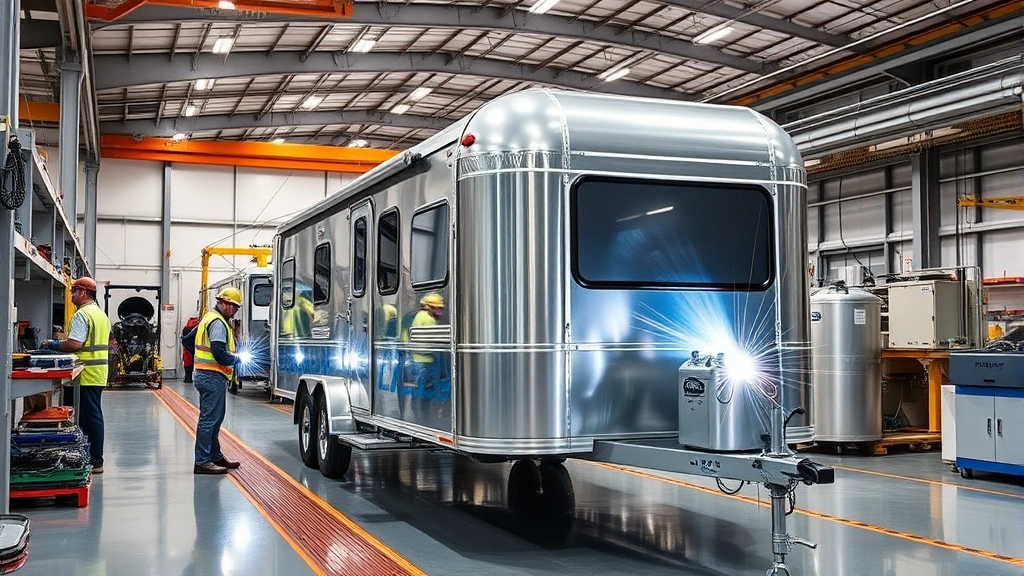
Manufacturing excellence directly impacts product quality, cost competitiveness, and delivery reliability. Wilson’s manufacturing facilities incorporate advanced production technologies, quality control systems, and lean manufacturing principles. These operational foundations enable the company to maintain consistent quality while managing production costs effectively.
Supply chain management represents a critical operational component. Wilson maintains strategic relationships with material suppliers, ensuring consistent access to quality components while negotiating favorable pricing. The global supply chain disruptions experienced in recent years highlighted the importance of supply chain resilience—a capability that separates industry leaders from struggling competitors. Wilson’s diversified supplier base and strategic inventory management have enabled the company to navigate supply constraints more effectively than some competitors.
Workforce development and training programs reflect Wilson’s understanding that manufacturing excellence depends on skilled, motivated employees. The company invests in employee development, creating career pathways and fostering a culture of continuous improvement. This human capital investment yields tangible benefits through improved productivity, reduced defect rates, and enhanced innovation.
Quality assurance systems embed quality throughout the manufacturing process rather than relying solely on end-stage inspection. This approach reduces defects, minimizes rework costs, and enhances customer satisfaction. Wilson’s commitment to business partnership agreement frameworks extends to supplier relationships, establishing clear quality expectations and collaborative improvement initiatives.
Sustainability and Environmental Commitment
Environmental responsibility has evolved from peripheral concern to central business imperative. Regulatory pressures, customer expectations, and long-term business sustainability considerations drive Wilson’s environmental commitments. The company recognizes that sustainable practices create competitive advantages while contributing to broader environmental goals.
Weight reduction initiatives represent a primary sustainability strategy. Lighter trailers consume less fuel throughout their operational lifetime, reducing greenhouse gas emissions and operating costs simultaneously. Wilson’s investment in advanced materials and innovative designs directly supports these objectives. Forbes business coverage frequently highlights how leading manufacturers integrate sustainability into core business strategy rather than treating it as a compliance burden.
Manufacturing process improvements reduce waste, energy consumption, and emissions at the production stage. Wilson’s facilities implement recycling programs, energy-efficient systems, and pollution prevention measures. These initiatives reduce environmental impact while often generating cost savings that improve operational margins.
The company’s corporate social responsibility initiatives extend beyond manufacturing to encompass community engagement and stakeholder relationships. Wilson’s commitment to responsible business practices strengthens brand reputation and attracts values-aligned customers and employees.
Customer-Centric Solutions and Support
Superior customer support distinguishes leading manufacturers from competitors. Wilson’s approach extends beyond initial sale to encompass ongoing relationship management, technical support, and solution optimization. Fleet operators increasingly value partnership approaches where manufacturers understand their operational challenges and proactively develop solutions.
Service networks and parts availability represent critical support components. Wilson maintains extensive dealer networks and parts distribution systems ensuring that customers can access maintenance support and replacement components conveniently. This infrastructure reduces downtime and enhances customer satisfaction. The importance of reliable support becomes evident during equipment failures when rapid response directly impacts operational continuity.
Training and education programs help customers maximize value from Wilson products. Comprehensive operator training, maintenance guidance, and best practice sharing create informed customers who achieve superior performance. These educational initiatives strengthen customer relationships while reducing support costs by preventing misuse and premature wear.
Digital customer engagement platforms enable convenient communication, order placement, and support access. Wilson’s investment in customer-facing technology reflects recognition that modern fleet managers expect seamless digital interactions. These platforms provide valuable data insights that inform product development and service improvements.
The company’s community engagement efforts strengthen relationships with customers and broader stakeholder communities. Industry sponsorships, trade show participation, and collaborative initiatives position Wilson as an invested member of the transportation and logistics ecosystem.
FAQ
What makes Wilson Trailer Company stand out in the industry?
Wilson differentiates through consistent innovation in product design, advanced manufacturing capabilities, comprehensive customer support, and strategic commitment to sustainability. The company’s integrated approach—combining technological advancement with operational excellence—creates sustainable competitive advantages that resonate with diverse customer segments.
How does Wilson address sustainability in trailer manufacturing?
The company implements weight reduction initiatives, energy-efficient manufacturing processes, and recyclable material usage. These efforts reduce environmental impact throughout the product lifecycle while generating cost savings for customers through improved fuel efficiency. Wilson views sustainability as integral to long-term business strategy rather than external compliance requirement.
What telematics capabilities do Wilson trailers offer?
Modern Wilson trailers integrate IoT sensors enabling real-time cargo monitoring, location tracking, predictive maintenance alerts, and performance analytics. These capabilities transform trailers into active supply chain participants, providing fleet managers with actionable insights for operational optimization.
How does Wilson ensure manufacturing quality?
Quality assurance systems embed quality throughout the manufacturing process through advanced testing, supplier standards, and continuous improvement initiatives. Wilson’s workforce training programs ensure skilled production teams maintain consistent quality standards across all manufacturing operations.
What customization options does Wilson provide?
Recognizing diverse industry requirements, Wilson offers modular designs allowing configuration of specialized features including refrigeration systems, specialized cargo containment, advanced suspension systems, and integrated technology solutions. This flexibility enables customers to create purpose-built solutions for specific operational needs.
How can fleet operators access Wilson support services?
Wilson maintains extensive dealer networks, parts distribution systems, and digital customer engagement platforms. Fleet operators can access technical support, schedule maintenance, order parts, and receive training through multiple convenient channels reflecting modern customer expectations for seamless interactions.
What is Wilson’s approach to driver safety and comfort?
The company prioritizes safety through advanced suspension systems, improved ergonomics, and integrated technology reducing driver fatigue. These features enhance driver satisfaction while reducing accident risk and improving overall fleet safety performance—critical considerations for fleet managers managing driver retention challenges.
How does Wilson stay competitive with emerging technologies?
The company maintains substantial research and development investments exploring emerging technologies including autonomous systems integration, advanced materials, artificial intelligence applications, and next-generation telematics platforms. This forward-looking approach positions Wilson to lead rather than follow industry evolution, aligning with strategic positioning principles that emphasize proactive market leadership.