Antique Sewing Machines: Singer Manufacturing Company’s Legacy Explained
The Singer Manufacturing Company stands as one of the most influential industrial enterprises in business history, revolutionizing domestic life through innovative sewing machine technology. From humble beginnings in the 1850s to becoming a global powerhouse, Singer’s journey reflects strategic business evolution, manufacturing excellence, and lasting cultural impact. Understanding Singer’s legacy provides valuable insights into how companies build enduring brand value and maintain relevance across generations.
Today, antique Singer sewing machines represent more than nostalgic collectibles—they embody a remarkable business achievement that transformed both manufacturing practices and consumer markets. These machines, many still functional after over a century, demonstrate superior engineering and the business acumen that made Singer a household name worldwide. Exploring Singer’s story reveals lessons applicable to modern business operations and strategic planning.
The Founding Vision: Isaac Merritt Singer’s Revolutionary Approach
Isaac Merritt Singer didn’t invent the sewing machine—but he perfected it and, more importantly, he understood how to build a sustainable business around it. Founded in 1851, the Singer Manufacturing Company emerged when sewing machines were considered mechanical curiosities rather than household necessities. Singer’s genius lay not just in technological refinement but in recognizing that successful manufacturing required integrated systems: production efficiency, distribution networks, marketing innovation, and customer service.
Singer’s early machines featured a vertical needle bar mechanism that proved more reliable and faster than competing designs. However, what truly distinguished Singer’s approach was the business model. While competitors focused solely on manufacturing, Singer invested heavily in sales infrastructure, consumer education, and financing options. The company pioneered the installment payment system, making sewing machines accessible to middle-class households that couldn’t afford large upfront purchases. This financial innovation transformed Singer from a niche manufacturer into a mass-market enterprise.
The strategic vision extended to establishing Singer Sewing Centers across America and internationally. These weren’t mere retail locations—they functioned as service centers, training facilities, and community hubs. This omnichannel approach, decades before the term existed, created customer loyalty and recurring revenue through maintenance and repairs. Business strategy articles often highlight how Singer’s model anticipated modern customer relationship management principles.
Manufacturing Innovation and Industrial Leadership
Singer’s manufacturing operations set new standards for industrial efficiency during the Victorian era. The company established factories in Glasgow, Scotland; Newark, New Jersey; and eventually locations worldwide. These weren’t small workshops—Singer’s Elizabethton, Tennessee facility became one of the largest sewing machine factories globally, employing thousands of workers and implementing assembly-line production techniques that predated Ford’s automotive innovations.
The manufacturing philosophy emphasized standardization and quality control. Singer machines featured interchangeable parts, reducing production costs while maintaining consistency. This commitment to quality meant that antique Singer machines found today often function as well as when manufactured over 150 years ago. The cast-iron construction, precision engineering, and meticulous assembly created products with exceptional longevity—a testament to manufacturing principles that remain relevant in contemporary discussions about business management and operational excellence.
Singer invested significantly in research and development, continuously improving machine mechanisms, stitch quality, and user-friendliness. The company held numerous patents protecting its innovations, creating competitive moats that sustained market dominance. This R&D commitment reflects timeless business principles: continuous improvement, intellectual property protection, and customer-focused innovation remain essential for long-term success.
Global Expansion and Market Dominance
By the 1870s, Singer Manufacturing Company had achieved unprecedented global reach. The company established operations across Europe, Asia, Africa, and South America, becoming arguably the first truly multinational manufacturing enterprise. Singer’s international strategy balanced centralized product standards with localized marketing and distribution approaches—a sophisticated business model that modern multinationals still employ.
The company’s market dominance was remarkable: at its peak, Singer controlled approximately 90% of the global sewing machine market. This wasn’t achieved through monopolistic practices but through superior products, aggressive marketing, and customer-centric service. Singer invested heavily in advertising, sponsoring exhibitions, offering free demonstrations, and hiring sales representatives who understood local markets. The company recognized that brand building required consistent messaging across diverse markets while respecting cultural nuances.
Singer’s success created an international business ecosystem. Retailers, repair technicians, and complementary product manufacturers built businesses around Singer machines. The company’s dominance generated wealth that funded further expansion—a virtuous cycle of growth, reinvestment, and market consolidation. This expansion strategy provides historical perspective for understanding modern corporate growth, discussed in resources about business transition planning and corporate evolution.
Antique Singer Machines: Models and Characteristics
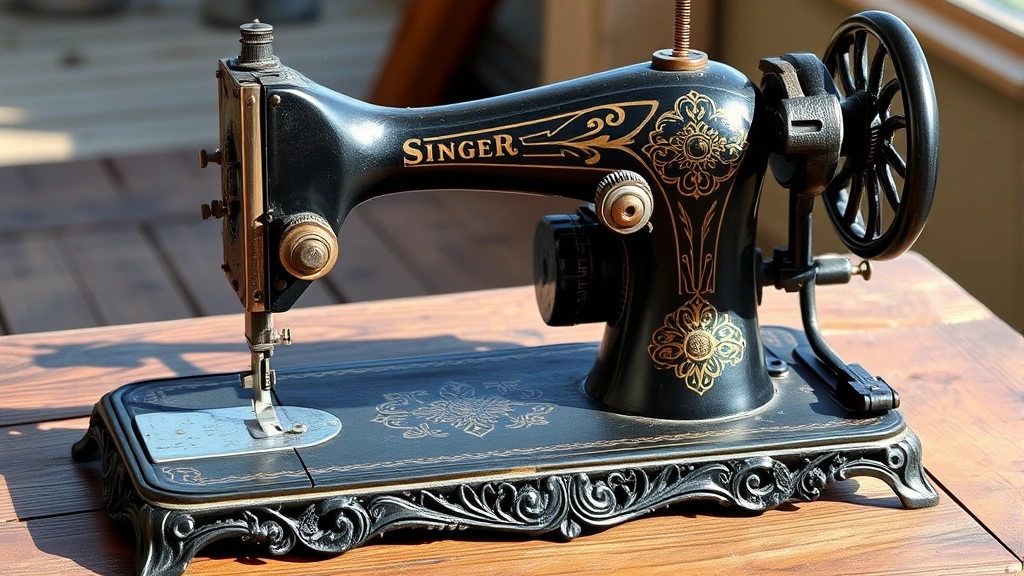
Collectors and historians recognize distinct eras in Singer machine design, each reflecting technological advancement and manufacturing philosophy. The earliest models, from the 1850s-1860s, featured ornate iron bases and treadle-powered mechanisms. These machines, though heavy and requiring physical coordination, represented revolutionary convenience compared to hand-sewing. Their mechanical elegance appeals to modern collectors who appreciate industrial design and mechanical engineering.
The Model 27, introduced in 1889, became one of the most iconic antique sewing machines. Its compact design, reliability, and affordability made it accessible to working-class households. Millions of Model 27 machines were produced, making them relatively common in antique markets today. Despite their ubiquity, they’re highly valued by collectors for their durability and nostalgic appeal.
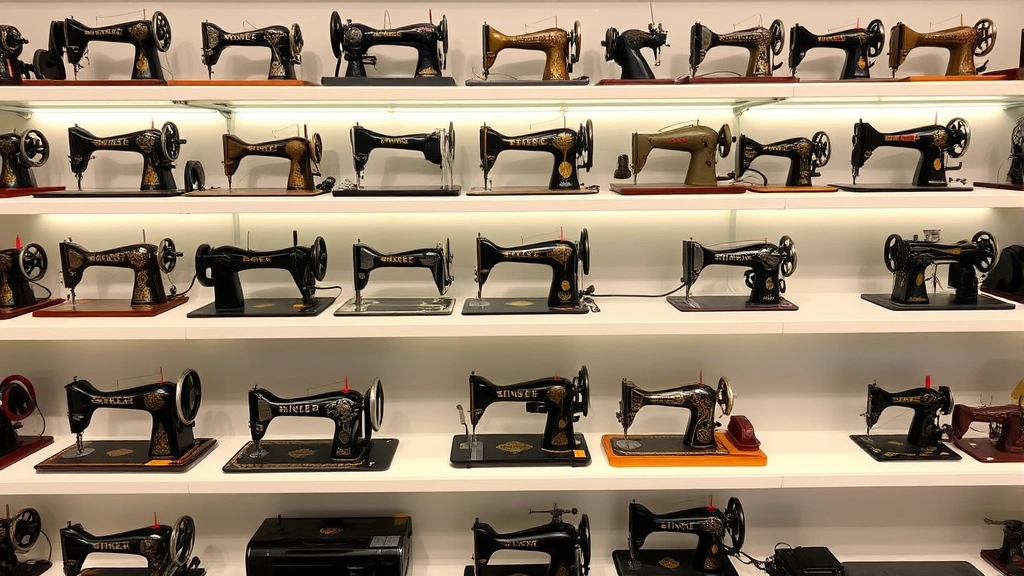
Later models incorporated electric motors, automatic stitch mechanisms, and decorative cabinet designs that reflected period aesthetics. Victorian-era machines featured elaborate cast-iron ornamentation, while Art Deco models from the 1920s-1930s displayed streamlined designs reflecting contemporary artistic movements. These design evolutions tell stories about changing consumer preferences, manufacturing capabilities, and cultural values—making antique Singer machines valuable artifacts for design historians and business scholars.
The treadle mechanism, ubiquitous in antique Singer machines, demonstrates elegant engineering. The foot-powered drive system required skill to operate but provided independent speed control that electric motors couldn’t initially match. Many experienced seamstresses preferred treadle machines, creating lasting demand that extended production into the electric era. This market persistence reflects a business principle: sometimes traditional methods retain value even as innovation progresses.
Design Evolution Through the Decades
Singer’s design philosophy evolved dramatically from the 1850s through the mid-20th century, reflecting technological progress, manufacturing capabilities, and shifting consumer aesthetics. Early machines prioritized mechanical function, with ornate iron castings serving both practical and decorative purposes. The decorative elements weren’t frivolous—they communicated quality, permanence, and craftsmanship to consumers making significant household investments.
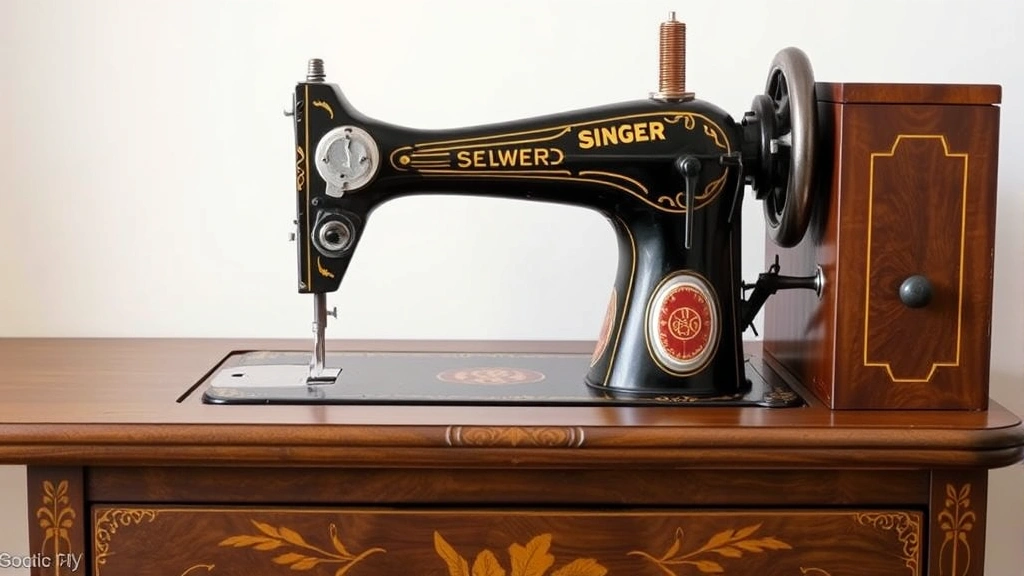
By the early 1900s, Singer introduced cabinet models that integrated sewing machines into furniture pieces. These weren’t simply machines on stands—they were sophisticated furniture designs featuring drop-leaf tables, storage compartments, and decorative veneers. This product evolution reflected understanding that consumers viewed sewing machines as permanent household furnishings deserving aesthetic consideration. The cabinet models commanded premium prices, demonstrating that consumers valued design and integration alongside functionality.
The Art Deco period brought dramatic design changes. Machines became more streamlined, featuring chromium plating, simplified casting designs, and geometric ornamentation reflecting contemporary artistic movements. Singer’s ability to adapt design while maintaining mechanical reliability showed sophisticated understanding of market segmentation—offering premium aesthetic designs for affluent consumers while maintaining affordable utilitarian models for working-class markets.
Electric motors gradually replaced treadle mechanisms, though Singer’s transition was gradual and market-responsive. The company recognized that electrification required infrastructure development—reliable household electricity remained unavailable in rural areas well into the 20th century. This patient, market-aware approach to technological transition demonstrates business wisdom applicable to modern industries experiencing digital transformation. Understanding market readiness, not just technological capability, determines successful product innovation, as discussed in resources addressing business collaboration and strategic partnerships.
Collecting and Valuing Antique Singer Machines
The antique sewing machine market reflects broader collecting trends and historical valuation principles. Prices vary dramatically based on model, condition, rarity, and provenance. Early machines from the 1850s-1870s command premium prices, with exceptional examples reaching thousands of dollars. Mid-period machines from the 1890s-1920s offer more accessible entry points for collectors, with quality examples available for $200-$800. Later machines from the 1930s-1950s remain affordable, often available for $50-$300.
Condition significantly impacts value. Fully functional machines with original parts command substantial premiums over machines requiring restoration. The cast-iron components resist deterioration, but mechanical wear, missing parts, and rust affect value. Restoration specialists have built businesses around refurbishing antique Singer machines, creating a secondary market that sustains collector interest and preserves these mechanical artifacts.
Rarity drives collector premiums. Standard production models remain affordable despite age, while limited-production specialty machines attract serious collectors willing to pay substantial premiums. Machines with unusual features—specialized stitching mechanisms, unique cabinet designs, or historical documentation—become investment-grade collectibles. This valuation pattern reflects universal collecting principles: scarcity, condition, and provenance determine market value across collectible categories.
The restoration and collecting community maintains Singer machine knowledge through specialized forums, publications, and collector organizations. These networks serve educational functions, connecting enthusiasts and facilitating knowledge transfer about maintenance, restoration, and historical research. The vibrant collector community sustains interest in Singer machines, ensuring that these mechanical artifacts remain appreciated rather than discarded as obsolete technology.
The Decline and Modern Legacy
Singer’s dominance began eroding in the mid-20th century as Japanese manufacturers introduced innovative designs and competitive pricing. Companies like Brother and Janome developed computerized machines with advanced features at lower prices, fragmenting Singer’s market dominance. The company’s manufacturing declined, with factories closing and production shifting to lower-cost locations. By the late 20th century, Singer had transformed from an industrial manufacturer to a brand licensed to various producers.
However, Singer’s decline as a contemporary manufacturer paradoxically enhanced the brand’s legacy. Vintage and antique Singer machines became cultural artifacts, appreciated for mechanical purity, durability, and aesthetic appeal in an era of disposable consumer goods. Environmental consciousness and maker culture revived interest in durable goods that could be repaired rather than replaced. Antique Singer machines exemplify sustainable manufacturing—products designed and constructed to function for generations.
The company’s story provides valuable business lessons about market disruption and legacy preservation. Singer failed to anticipate computerization and didn’t invest adequately in electronic innovations. The company’s manufacturing excellence in mechanical engineering didn’t translate to electronic product development. This represents a classic business challenge: incumbent advantages in one technological paradigm don’t automatically transfer to successor technologies. Modern businesses studying corporate histories and business transformations can extract valuable insights from Singer’s trajectory.
Today, Singer machines—both antique and modern—represent more than sewing tools. They symbolize manufacturing heritage, mechanical reliability, and enduring value. Antique machines are displayed in museums, featured in design exhibitions, and celebrated in maker culture communities. This cultural significance ensures that Singer’s legacy extends far beyond commercial success, embedding the brand in historical consciousness as an exemplar of industrial achievement.
Singer’s story also illuminates broader economic patterns. The company’s rise reflected industrial development, the emergence of mass consumer markets, and the power of integrated business models combining manufacturing, distribution, and service. The company’s decline reflected globalization, technological disruption, and competitive pressure from lower-cost producers. These patterns recur throughout industrial history, making Singer’s experience instructive for understanding business cycles and market evolution.
FAQ
What makes an antique Singer sewing machine valuable?
Value depends on model, age, condition, and rarity. Early machines from the 1850s-1870s command premium prices. Fully functional machines with original parts are worth significantly more than machines requiring restoration. Limited-production specialty models attract collector premiums. Condition—mechanical function, cast-iron preservation, and original components—substantially impacts market value.
How can I identify my Singer machine’s age?
Singer machines feature serial numbers indicating production dates. The company maintained comprehensive records documenting when machines were manufactured. Serial number location varies by model—typically on the cast-iron base or underneath the machine. Online databases and collector communities provide resources for determining age from serial numbers. Consulting specialist dealers or collector organizations ensures accurate dating.
Are antique Singer machines still functional?
Many antique Singer machines remain fully functional despite age exceeding 100 years. The cast-iron construction and mechanical design resist deterioration. Machines requiring maintenance typically need lubrication, adjustment, and occasional part replacement rather than major repairs. Restoration specialists can return neglected machines to working condition. The durability of antique Singer machines demonstrates superior manufacturing compared to many contemporary products.
Where can I find antique Singer sewing machines?
Antique machines are available through estate sales, antique dealers, online auction platforms, and specialized collector networks. Prices vary significantly by location, condition, and seller expertise. Building relationships with local antique dealers and joining collector communities provides access to machines before they reach broader markets. Patience and knowledge enable collectors to acquire quality examples at reasonable prices.
What’s the difference between Singer treadle and electric machines?
Treadle machines use foot-powered mechanisms providing independent speed control and requiring physical coordination. Electric machines utilize motors for consistent power, requiring less physical effort. Both designs have advantages—treadle machines appeal to experienced seamstresses preferring speed control, while electric machines offer convenience and reduced physical demand. Collectors appreciate both for different reasons: treadle machines for mechanical elegance, electric models for design evolution.
How should I maintain an antique Singer machine?
Regular maintenance preserves function and value. Light machine oil lubricates mechanical components—avoid heavy grease that accumulates dust. Gentle cleaning removes dust and debris without damaging finishes. Store machines in dry environments preventing rust development. Address mechanical issues promptly before minor problems become major damage. Specialist restoration services can address significant deterioration while preserving historical authenticity and mechanical integrity.


