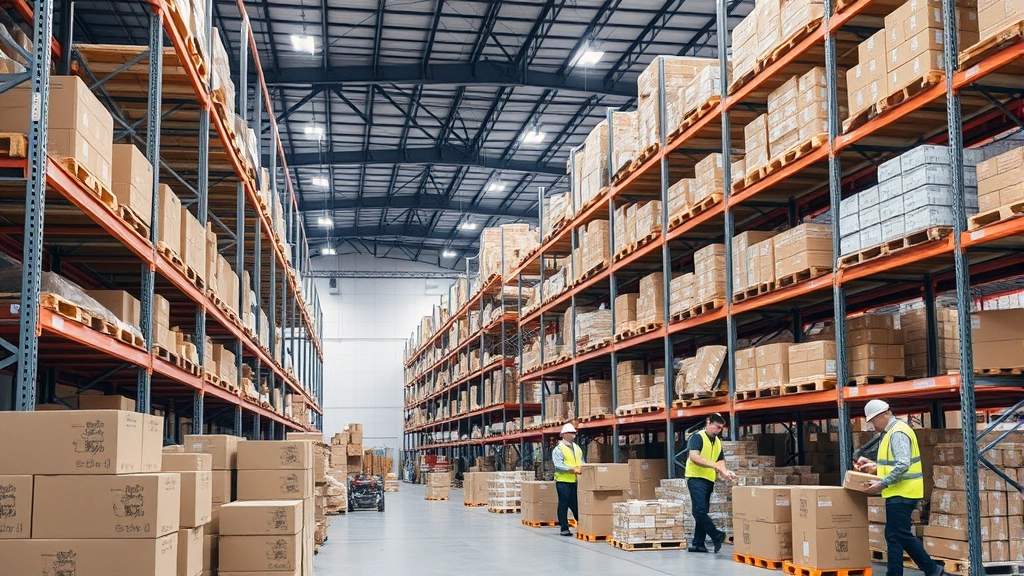
What Are 1PL Companies? Logistics Expert Insight
First-party logistics (1PL) represents the foundational layer of supply chain management, where companies handle their own warehousing, inventory management, and distribution operations. Unlike outsourced models, 1PL companies maintain complete control over their logistics infrastructure, from storage facilities to last-mile delivery. This approach has become increasingly relevant as businesses recognize the strategic advantages of vertical integration and data ownership in competitive markets.
Understanding 1PL operations is essential for entrepreneurs and business leaders evaluating their logistics strategy. Whether you’re launching a startup or restructuring an established operation, knowing how 1PL companies function can inform critical decisions about operational efficiency, customer satisfaction, and long-term profitability. This comprehensive guide explores the mechanics, advantages, challenges, and strategic considerations of first-party logistics.
Understanding 1PL: Definition and Core Operations
First-party logistics (1PL) encompasses all logistics activities performed directly by the company that manufactures or sells products. This means the organization owns or leases warehouses, manages inventory systems, operates distribution centers, and controls transportation networks. Unlike third-party or fourth-party logistics providers, 1PL companies bear direct responsibility for every logistics touchpoint.
The core operations of a 1PL company include receiving goods from suppliers, quality inspection, warehouse management, order fulfillment, and product delivery to customers. Companies like Amazon, Walmart, and Tesla exemplify modern 1PL operations, having invested billions in proprietary logistics networks that give them competitive advantages. These organizations recognize that logistics isn’t merely a cost center—it’s a strategic asset that directly impacts customer experience and profitability.
1PL operations require substantial upfront capital investment and ongoing operational expertise. Companies must maintain staff for warehouse operations, transportation management, and logistics coordination. However, this direct control enables real-time visibility into inventory levels, shipment status, and customer delivery performance, creating opportunities for optimization that outsourced models cannot easily match.
Key Characteristics of First-Party Logistics
Several defining characteristics distinguish 1PL companies from other logistics models. First, these organizations maintain complete ownership or control of physical assets including warehouses, distribution centers, and transportation equipment. This asset ownership provides stability and eliminates dependency on third-party service providers whose interests may not align with company objectives.
Second, 1PL companies exercise direct control over inventory management systems. They determine storage locations, implement inventory control methodologies, and make real-time decisions about stock levels. This autonomy allows for sophisticated demand forecasting and inventory optimization strategies that reduce carrying costs while maintaining service levels.
Third, end-to-end visibility characterizes 1PL operations. Companies track products from warehouse receipt through customer delivery, capturing detailed data about handling, transit times, and delivery performance. This comprehensive visibility enables continuous improvement initiatives and rapid problem resolution when issues arise.
Fourth, 1PL companies develop proprietary logistics technology and processes. Rather than adapting to third-party systems, these organizations build custom solutions optimized for their specific product mix, customer base, and geographic markets. This technological differentiation becomes a sustainable competitive advantage over time.
Finally, 1PL operations require deep expertise in logistics management. Companies must develop internal capabilities in supply chain design, warehouse management, transportation optimization, and logistics technology. This expertise becomes embedded in organizational culture and decision-making processes.
1PL vs. Other Logistics Models
The logistics industry encompasses several operational models, each with distinct characteristics and strategic implications. Understanding these differences helps business leaders select the appropriate model for their circumstances.
1PL (First-Party Logistics): The company handles all logistics operations internally. This model provides maximum control but requires significant capital investment and operational complexity. It’s ideal for companies with high-volume operations and distinctive logistics requirements.
2PL (Second-Party Logistics): The company contracts with transportation providers for specific services while maintaining control of warehousing and inventory. This hybrid approach reduces capital requirements for fleet operations while preserving supply chain visibility.
3PL (Third-Party Logistics): External providers manage warehousing, inventory, and transportation. Companies using 3PL focus on core business activities while outsourcing logistics complexity. This model works well for businesses with variable demand or limited logistics expertise.
4PL (Fourth-Party Logistics): Specialized providers manage entire supply chains, including coordination with multiple 3PL providers. This model suits complex, multi-channel operations requiring sophisticated orchestration.
The choice between these models depends on company size, product characteristics, customer expectations, and strategic priorities. A business plan for startups should carefully evaluate logistics strategy, as this decision shapes operational structure and capital requirements.
Advantages of Managing Your Own Logistics
1PL companies enjoy numerous strategic and operational advantages that justify the substantial investment required. Understanding these benefits helps explain why leading companies maintain proprietary logistics networks.
Complete Control and Flexibility: 1PL operations enable rapid adaptation to changing market conditions. Companies can adjust warehouse locations, modify delivery routes, adjust inventory levels, or implement new technologies without negotiating with external providers. This agility becomes particularly valuable during market disruptions or seasonal demand fluctuations.
Superior Customer Experience: Direct control over logistics enables companies to deliver exceptional customer service. 1PL companies can offer same-day delivery, flexible delivery windows, and responsive customer service because they manage the entire experience. This customer-centric approach builds loyalty and supports premium pricing.
Data Ownership and Insights: 1PL companies capture comprehensive data about customer behavior, delivery patterns, and operational efficiency. This proprietary data becomes a strategic asset, enabling sophisticated analytics that inform product development, marketing strategies, and operational improvements. Third-party providers typically retain this data, limiting insights available to their clients.
Cost Optimization Over Time: While initial capital requirements are substantial, 1PL companies can optimize costs through operational improvements and technology investments. As volume increases, per-unit logistics costs decrease, creating economies of scale unavailable to companies using expensive third-party providers.
Competitive Differentiation: Logistics excellence becomes a marketing advantage. Companies that deliver faster, more reliably, and more flexibly than competitors attract and retain customers willing to pay premium prices. Amazon’s logistics network, for example, fundamentally transformed customer expectations and enabled the company to dominate e-commerce.
Vertical Integration Benefits: 1PL operations enable companies to integrate logistics with manufacturing, inventory management, and sales. This integration creates opportunities for process improvements and cost reductions impossible in fragmented supply chains with multiple external partners.
Brand Enhancement: Reliable, fast delivery reinforces brand perception. Companies that consistently deliver exceptional logistics performance build stronger brand equity and customer loyalty than competitors dependent on third-party logistics quality.
These advantages explain why successful companies invest heavily in 1PL infrastructure. The initial capital outlay pays dividends through improved profitability, customer satisfaction, and competitive positioning.

Challenges and Limitations
Despite significant advantages, 1PL operations present substantial challenges that require careful management and ongoing investment.
Capital Requirements: Building logistics infrastructure requires enormous capital investment. Warehouse facilities, transportation equipment, sorting systems, and technology platforms represent multi-million dollar commitments. This capital intensity limits 1PL viability for smaller companies or those with limited access to financing.
Operational Complexity: Managing logistics operations demands sophisticated expertise. Companies must recruit and retain talented professionals in warehouse management, transportation, inventory control, and logistics technology. Recruiting this talent and developing organizational capabilities requires significant time and resources.
Fixed Cost Burden: Owned or long-term leased facilities create fixed costs that remain regardless of demand fluctuations. During economic downturns or seasonal low periods, companies continue paying facility costs while operating below capacity. This fixed cost structure reduces flexibility and profitability during difficult periods.
Technology Investment and Maintenance: Modern 1PL operations require sophisticated technology systems for warehouse management, transportation optimization, and inventory control. These systems demand continuous investment, updates, and skilled personnel to maintain and improve them.
Scalability Constraints: Expanding 1PL operations to new geographic markets requires significant investment in new facilities and infrastructure. This capital requirement can slow growth and limit market expansion compared to companies using flexible 3PL providers.
Talent and Expertise Requirements: Logistics expertise is specialized and increasingly scarce. Companies must develop strong recruitment and retention strategies to maintain the workforce necessary for successful operations. Additionally, handling customer complaints effectively requires well-trained logistics teams who understand service recovery.
Environmental and Sustainability Pressures: Owning transportation and facilities creates direct responsibility for emissions and environmental impact. Companies face growing regulatory pressure and customer expectations regarding business sustainability strategies, requiring significant investments in electric vehicles, renewable energy, and sustainable practices.
Technology and Infrastructure Requirements
Modern 1PL operations depend on sophisticated technology systems that enable efficiency, visibility, and continuous improvement. Understanding these requirements helps companies plan appropriately for successful 1PL implementation.
Warehouse Management Systems (WMS): These platforms control inventory movements, optimize storage locations, manage picking and packing operations, and track product movements. Advanced WMS systems integrate with inventory control, transportation management, and customer systems, creating seamless information flow throughout the supply chain.
Transportation Management Systems (TMS): TMS platforms optimize route planning, manage carrier relationships, track shipments in real-time, and analyze transportation costs. These systems enable companies to balance speed, cost, and reliability while providing customers with accurate delivery information.
Inventory Management Systems: Real-time inventory visibility prevents stockouts, reduces excess inventory, and enables efficient order fulfillment. Advanced systems use demand forecasting, seasonal analysis, and customer behavior data to optimize inventory levels continuously.
Order Management Systems (OMS): These platforms integrate customer orders from multiple channels, route orders to appropriate fulfillment locations, and coordinate with logistics operations. Omnichannel retailers particularly depend on sophisticated OMS to manage complex fulfillment scenarios.
Data Analytics and Business Intelligence: 1PL companies capture vast amounts of operational data that, when properly analyzed, reveals opportunities for improvement. Analytics platforms identify inefficiencies, forecast demand, optimize pricing, and support strategic decision-making.
Automation and Robotics: Modern warehouses increasingly incorporate automated systems including conveyor systems, robotic picking, and automated sorting. These technologies reduce labor costs, improve accuracy, and increase throughput, though they require substantial capital investment.
Integration and API Capabilities: Successful 1PL operations require seamless integration between systems. APIs enable information flow between WMS, TMS, OMS, accounting systems, and customer platforms, eliminating manual data entry and enabling real-time decision-making.
Technology investment is continuous. Companies must regularly update systems, implement new capabilities, and integrate emerging technologies to maintain competitive advantage. This ongoing investment represents a permanent feature of 1PL operations.
Cost Implications and Financial Planning
Financial planning for 1PL operations requires careful analysis of capital requirements, operating costs, and long-term profitability implications. Understanding these financial dynamics helps leaders make informed decisions about logistics strategy.
Capital Expenditure: Warehouse facilities typically represent the largest capital requirement, ranging from $50 to $200 per square foot depending on location and specification. A 100,000 square foot warehouse in a major metropolitan area might cost $10-20 million. Transportation equipment, technology systems, and material handling equipment add millions more. Total capital requirements for meaningful 1PL operations typically exceed $20-50 million for companies with significant product volume.
Operating Costs: Annual operating expenses include facility maintenance, utilities, labor, insurance, and technology maintenance. Warehouse labor typically represents 40-50% of operating costs in non-automated facilities. These costs scale with volume but also include fixed components that don’t decrease during low-demand periods.
Technology Costs: WMS, TMS, and other systems require significant annual investment. Software licenses, system maintenance, upgrades, and skilled personnel to manage these systems typically cost $2-5 million annually for large operations.
Workforce Costs: Warehouse workers, supervisors, drivers, and logistics managers represent substantial ongoing expenses. Recruiting and retaining quality talent requires competitive compensation and benefits, training programs, and career development opportunities.
Transportation Costs: Operating company-owned transportation includes vehicle acquisition, fuel, maintenance, insurance, and driver compensation. These costs fluctuate with fuel prices and labor markets but represent significant ongoing expenses.
Break-Even Analysis: The capital intensity of 1PL operations requires high volume to achieve profitability. Companies must carefully project demand and ensure sufficient order volume to justify infrastructure investments. Underutilized facilities dramatically reduce profitability.
Return on Investment: 1PL companies typically require 3-7 years to recover initial capital investments, depending on volume growth and operational efficiency. Long-term profitability depends on continuous improvement, technology innovation, and market growth supporting capacity utilization.
Financial planning should include sensitivity analysis examining profitability under various demand scenarios. This analysis helps companies understand downside risks and plan contingencies for challenging market conditions.
Best Practices for 1PL Success
Companies operating 1PL models employ several best practices that maximize efficiency, profitability, and customer satisfaction. These practices reflect lessons learned from leading logistics operators.
Strategic Network Design: Successful 1PL companies carefully plan facility locations to minimize transportation costs while maintaining service levels. Network design considers customer geography, supplier locations, product demand patterns, and transportation networks. This strategic planning optimizes the entire supply chain rather than individual facilities.
Continuous Process Improvement: Leading 1PL companies implement continuous improvement methodologies including lean, six sigma, and kaizen approaches. Regular analysis of operations identifies inefficiencies and enables systematic improvements that compound over time.
Workforce Development: Companies that excel at 1PL invest heavily in employee training, development, and retention. Well-trained, motivated workforces drive efficiency, quality, and customer service excellence. Business partnership agreements with logistics service providers should similarly emphasize performance standards and continuous improvement.
Technology Leadership: Successful 1PL companies invest in cutting-edge technology and continuously upgrade systems. These companies treat technology as a competitive advantage rather than a cost center, ensuring systems enable rather than constrain operations.
Customer-Centric Approach: Leading 1PL companies organize operations around customer needs rather than internal convenience. This approach drives decisions about delivery speed, flexibility, and service quality, ultimately building customer loyalty and supporting premium pricing.
Data-Driven Decision Making: Rather than relying on intuition or historical practices, successful companies use comprehensive data analysis to guide decisions. Advanced analytics identify opportunities for improvement and enable predictive management of demand and resources.
Sustainability Integration: Leading companies recognize that corporate social responsibility examples increasingly include logistics sustainability. These companies invest in electric vehicles, renewable energy, and efficient operations that reduce environmental impact while often reducing costs.
Flexibility and Scalability: Successful 1PL operations design systems with flexibility to accommodate growth, new markets, and changing customer requirements. Modular facility designs and scalable technology platforms enable expansion without complete system redesign.
Performance Metrics and Accountability: Clear metrics for efficiency, quality, customer service, and safety drive accountability throughout the organization. Regular measurement and reporting ensure focus on what matters most and enable rapid problem identification and resolution.
Supply Chain Integration: Leading 1PL companies integrate logistics tightly with procurement, manufacturing, and sales. This integration enables optimization across the entire supply chain rather than isolated logistics improvement.

Competitive Benchmarking: Companies regularly benchmark performance against competitors and industry leaders, identifying gaps and opportunities for improvement. This external perspective prevents complacency and ensures competitive practices.
FAQ
What is the primary difference between 1PL and 3PL companies?
1PL companies manage all logistics operations internally using owned or controlled facilities and systems. 3PL companies contract with external logistics providers who manage warehousing, inventory, and transportation. 1PL provides maximum control but requires significant capital investment, while 3PL reduces capital requirements but limits supply chain visibility and control.
Is 1PL viable for small businesses?
For most small businesses, 1PL is not economically viable due to capital requirements and fixed costs. Small companies typically use 3PL providers or hybrid approaches. However, as companies grow and achieve sufficient volume, investing in 1PL infrastructure becomes increasingly attractive as per-unit costs decrease and control benefits become valuable.
What are typical 1PL facility locations?
1PL companies strategically locate facilities near customer concentrations, major transportation hubs, or supplier locations. Many companies operate multiple facilities across regions to minimize transportation costs and improve delivery speed. Location decisions balance transportation costs, labor availability, real estate costs, and customer service requirements.
How long does it take to build 1PL operations?
Developing meaningful 1PL operations typically requires 2-5 years from initial planning through full operational capacity. This timeline includes site selection, facility construction or lease negotiation, technology implementation, workforce recruitment and training, and process optimization. Larger networks require longer development timelines.
What technology is essential for 1PL operations?
Essential technologies include warehouse management systems, transportation management systems, inventory control platforms, order management systems, and business intelligence/analytics tools. These systems must integrate seamlessly to enable real-time visibility and coordinated decision-making throughout the supply chain.
How do 1PL companies handle seasonal demand fluctuations?
1PL companies manage seasonal variations through careful demand forecasting, flexible staffing strategies, temporary labor arrangements, and cross-training programs. Some companies operate additional leased facilities during peak seasons, or implement strategies to smooth demand through pricing or promotional activities. Advanced forecasting systems enable better anticipation and planning.
What skills are critical for 1PL management?
Successful 1PL management requires expertise in supply chain design, warehouse management, transportation optimization, logistics technology, data analysis, and project management. Leaders must understand both strategic supply chain design and operational execution details. Strong problem-solving abilities and continuous improvement mindset are essential.
How does 1PL impact customer satisfaction?
1PL operations enable superior customer satisfaction through faster delivery, greater flexibility, better tracking visibility, and responsive service recovery. Companies controlling their logistics can optimize for customer experience rather than third-party provider economics, often resulting in higher customer satisfaction and loyalty.
Can companies transition from 3PL to 1PL operations?
Yes, companies can transition from 3PL to 1PL as they grow and achieve sufficient volume to justify capital investment. This transition requires careful planning including facility development, technology implementation, and workforce recruitment. Many companies execute gradual transitions, bringing 1PL operations online for specific regions or product categories while maintaining 3PL for other areas.
What external resources help companies plan 1PL strategies?
Companies can access guidance from logistics consultants, industry associations, and business publications. Resources like McKinsey’s logistics practice, Harvard Business Review’s supply chain content, and Forbes business insights provide valuable perspectives. Additionally, consulting firms specializing in supply chain design can help evaluate 1PL feasibility and develop implementation strategies. Professional associations like APICS and industry conferences provide networking and knowledge-sharing opportunities.


