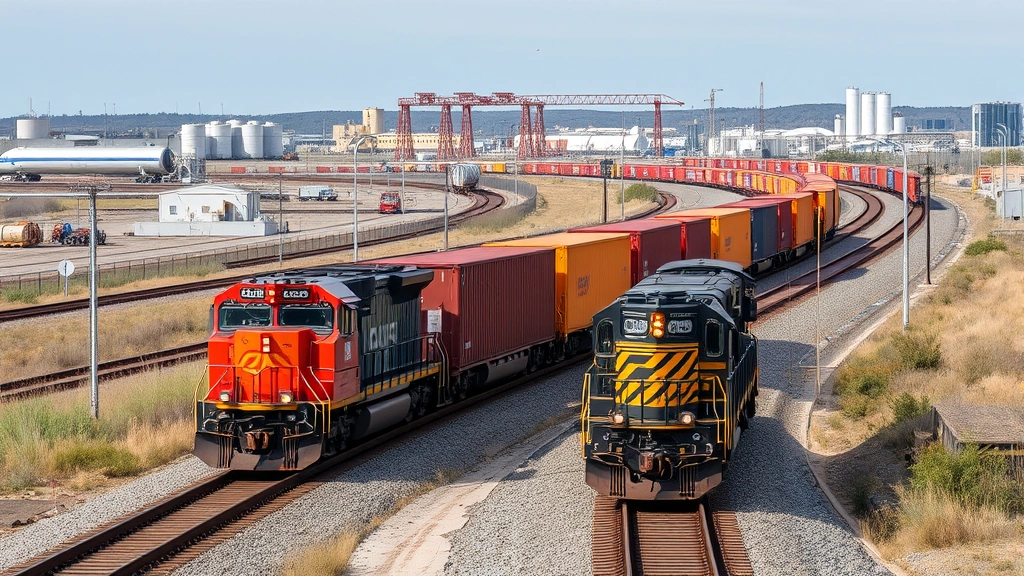
Top Railroad Companies in Michigan: Expert Review
Michigan’s railroad industry plays a pivotal role in the state’s economic infrastructure, connecting manufacturers, agricultural producers, and logistics providers across the Great Lakes region. With a rich history dating back to the 19th century, Michigan’s rail network continues to support billions of dollars in annual commerce and employment. The state hosts several major railroad operators and regional carriers that maintain essential freight and passenger services, making them critical to supply chain operations throughout the Midwest and beyond.
Understanding the landscape of railroad companies in Michigan is essential for businesses dependent on rail transportation, investors evaluating infrastructure opportunities, and stakeholders interested in regional economic development. This comprehensive review examines the leading railroad operators, their service capabilities, operational scope, and strategic importance to Michigan’s economy. Whether you’re a shipper, investor, or industry professional, this guide provides actionable insights into the state’s most significant rail carriers and their competitive positioning.
Overview of Michigan’s Railroad Infrastructure
Michigan’s railroad network comprises approximately 3,700 miles of track, making it one of the most extensive rail systems in the United States. The state’s geographic position between the Atlantic and Pacific coasts, combined with its access to Great Lakes shipping infrastructure, creates significant advantages for rail-based commerce. The rail system connects major industrial centers including Detroit, Grand Rapids, and Lansing, while serving ports in Marquette, Escanaba, and other strategic locations.
The state’s railroad infrastructure supports diverse economic sectors including automotive manufacturing, grain and agricultural products, chemicals, steel, and intermodal container services. Michigan’s rail carriers operate both freight and passenger services, with Amtrak providing limited intercity passenger rail connecting key destinations. The railroad companies operating in Michigan employ thousands of workers directly and support tens of thousands of indirect jobs through supply chain activities.
Effective business risk management frameworks are particularly important for railroad operators managing complex operational networks across multiple states. The industry faces regulatory pressures, infrastructure maintenance obligations, and competitive pressures from trucking and intermodal transportation alternatives. Understanding these dynamics helps shippers and stakeholders make informed decisions about rail service providers.
Canadian National Railway
Canadian National Railway (CN) operates one of the most extensive railroad networks in North America, with significant operations throughout Michigan. CN’s network extends over 20,000 miles across Canada and the United States, with Michigan serving as a crucial corridor for traffic moving between Canadian provinces and U.S. markets. The railroad maintains major rail yards and operating facilities in multiple Michigan locations, including Detroit and other strategic hubs.
CN specializes in moving diverse cargo including automotive products, intermodal containers, grain, chemicals, and minerals. The railroad’s integration with Canadian operations gives shippers access to transcontinental routes connecting Pacific and Atlantic ports. For Michigan businesses, CN provides reliable connections to major U.S. markets and Canadian customers, making it essential infrastructure for cross-border commerce.
The company operates modern locomotives and maintains advanced safety systems across its Michigan operations. CN has invested significantly in technology infrastructure, including real-time tracking systems that provide shippers with visibility into shipment status. According to McKinsey’s transportation analysis, major Class I railroads like CN continue investing in digital capabilities to enhance operational efficiency and customer service.
CSX Corporation
CSX Corporation operates the second major Class I railroad serving Michigan, with extensive freight operations connecting the state to major U.S. markets. CSX maintains significant infrastructure in Michigan, including rail yards, intermodal facilities, and maintenance operations. The railroad’s network provides essential connections from Michigan manufacturing centers to ports, distribution centers, and customers throughout the eastern and central United States.
CSX specializes in automotive, intermodal, coal, chemicals, and agricultural freight services. The railroad maintains dedicated automotive terminals serving Michigan’s major vehicle manufacturers, providing critical logistics support for the state’s largest industry. CSX’s network reaches major U.S. ports including those on the Atlantic Coast and Gulf of Mexico, expanding market access for Michigan shippers.
The railroad has implemented sophisticated business process automation software to optimize operations, improve safety, and enhance customer service. CSX continues investing in infrastructure modernization, including track improvements, signal systems upgrades, and facility enhancements across its Michigan operations. The company’s commitment to operational excellence reflects industry trends toward increased efficiency and reliability.
Regional and Shortline Operators
Beyond the two Class I carriers, Michigan hosts numerous regional and shortline railroad operators providing specialized services and connecting to major carrier networks. These smaller operators often serve specific industries, geographic regions, or specialized transportation needs that major carriers may not prioritize. Regional railroads frequently demonstrate greater flexibility in service offerings and personalized customer attention compared to large Class I carriers.
Huron and Eastern Railroad operates significant mileage in Michigan’s Lower Peninsula, providing freight service connecting to Class I railroads. The railroad specializes in automotive, industrial, and agricultural products, serving shippers across multiple counties. Huron and Eastern maintains relationships with both CN and CSX, creating multimodal transportation options for Michigan businesses.
Great Lakes Central Railroad operates in Michigan’s Upper Peninsula region, providing essential transportation links for mining, lumber, and agricultural products. The railroad connects to CN’s network, enabling shippers to access continental markets. Upper Peninsula communities depend on this operator for reliable freight service supporting regional economic development.
Tuscola and Huron Railroad provides shortline service in Michigan’s Thumb region, connecting to major carriers and serving local industrial customers. These regional operators demonstrate the importance of business continuity planning for communities and shippers dependent on rail service. Disruptions to shortline operations can significantly impact local economies.
Additional operators including the Escanaba and Lake Superior Railroad and other regional carriers maintain critical infrastructure serving Michigan’s diverse transportation needs. These operators often provide niche services including specialty freight handling, industrial switching, and local distribution services that complement Class I railroad operations.
Economic Impact and Strategic Importance
Michigan’s railroad companies generate substantial economic value for the state, supporting manufacturing competitiveness, agricultural commerce, and regional development. The rail industry directly employs approximately 4,000 workers in Michigan, with wages and benefits exceeding $250 million annually. Indirect employment in rail-dependent industries adds thousands of additional jobs throughout the state economy.
The automotive industry particularly depends on railroad transportation for moving vehicles and components. Michigan’s major vehicle manufacturers rely on rail carriers to efficiently transport completed vehicles to distribution centers and customers nationwide. Disruptions to rail service directly threaten automotive production and supply chain reliability, highlighting the strategic importance of maintaining robust railroad operations.
Agricultural producers throughout Michigan depend on rail transportation for grain, sugar beets, and specialty crops. Rail service provides cost-effective transportation for bulk agricultural commodities, enabling farmers to access regional and national markets. The competitive advantage provided by rail access influences agricultural commodity prices and producer profitability across the state.
Michigan’s ports depend on railroad connections for efficient cargo movement. Intermodal services connecting rail and water transportation enhance competitiveness for Michigan ports competing with other Great Lakes and coastal facilities. Harvard Business Review’s supply chain research emphasizes how multimodal transportation networks create competitive advantages for regional economies.
Industrial manufacturers across Michigan benefit from railroad access for receiving raw materials and shipping finished products. Rail service enables manufacturers to serve continental markets cost-effectively, supporting business expansion and investment. The availability of reliable railroad service influences location decisions for manufacturing facilities and distribution centers.
Implementing effective business budgeting software helps companies optimize transportation costs and incorporate railroad service availability into supply chain planning. Understanding rail service capabilities and limitations enables better strategic planning for businesses dependent on freight transportation.
Operational Challenges and Future Outlook
Michigan’s railroad companies face significant operational challenges including aging infrastructure requiring substantial investment, labor shortage pressures, and competitive pressures from trucking and other transportation modes. Many rail lines in Michigan require track improvements, bridge rehabilitation, and signal system upgrades to maintain safety and operational reliability. Funding these capital investments while maintaining profitability remains a persistent challenge for railroad operators.
Environmental regulations and sustainability initiatives are reshaping railroad operations and investment priorities. Railroads emit significantly less greenhouse gas per ton-mile than trucking, creating environmental advantages that support policy support for rail transportation. However, compliance with environmental standards requires ongoing investment in cleaner locomotives and operating procedures.
Workforce challenges including engineer shortages, maintenance technician availability, and labor cost pressures affect railroad profitability and service reliability. The railroad industry competes with other sectors for skilled workers, requiring competitive compensation and working conditions. Addressing customer service excellence becomes increasingly important as railroads compete for freight business amid labor constraints.
Technological advancement offers opportunities for improving railroad operations and competitiveness. Autonomous locomotives, advanced analytics, real-time tracking systems, and predictive maintenance technologies enable railroads to improve safety, efficiency, and customer service. Investment in technology infrastructure positions railroads favorably against alternative transportation modes.
Intermodal service growth represents a significant opportunity for Michigan railroads. The combination of rail and truck transportation provides flexibility and cost advantages for shippers moving containers and trailers. Expanding intermodal capacity and improving intermodal facility capabilities support rail competitiveness and revenue growth.
Railroad industry consolidation and partnership strategies continue reshaping competitive dynamics. Major carriers explore strategic partnerships, joint operating agreements, and service enhancements to improve competitiveness. These developments affect service options available to Michigan shippers and regional economic competitiveness.
Forbes transportation coverage indicates that rail industry transformation will accelerate over the next decade as automation, sustainability requirements, and competitive pressures reshape operations. Michigan’s railroad companies must navigate these changes while maintaining reliable service supporting the state’s diverse economic sectors.
FAQ
Which railroad companies provide the most extensive service coverage in Michigan?
Canadian National Railway and CSX Corporation provide the most extensive service coverage in Michigan as Class I carriers operating thousands of miles of track throughout the state. These carriers connect Michigan to continental markets and provide comprehensive freight services. Regional and shortline operators supplement Class I service in specific geographic areas and specialized niches.
How do railroad companies in Michigan support automotive manufacturing?
Railroad companies provide dedicated automotive terminals and specialized equipment for transporting vehicles and components. Both CN and CSX operate automotive facilities connecting Michigan manufacturers to distribution centers nationwide. Rail transportation reduces logistics costs and improves supply chain reliability for automotive producers.
What types of freight do Michigan railroads typically transport?
Michigan railroads transport diverse cargo including automotive products, intermodal containers, grain and agricultural products, chemicals, steel, minerals, and coal. The variety of freight types reflects Michigan’s diverse economy and strategic position connecting multiple markets and industries.
How can businesses access railroad services in Michigan?
Businesses can contact Class I carriers directly or work with freight brokers and logistics providers specializing in rail transportation. Regional railroads serve specific geographic areas and industries. Shippers should evaluate service coverage, rates, transit times, and reliability when selecting railroad providers.
What is the economic significance of railroads to Michigan?
Railroads directly employ thousands of Michigan workers and support tens of thousands of indirect jobs across manufacturing, agriculture, and distribution sectors. Rail transportation reduces logistics costs, improves competitiveness for Michigan businesses, and supports regional economic development. The rail industry generates hundreds of millions in annual economic activity.
How are Michigan railroads adapting to sustainability requirements?
Railroads invest in cleaner locomotives, operational efficiency improvements, and technology modernization to reduce environmental impact. Rail transportation’s inherent efficiency advantages compared to trucking position railroads favorably for sustainability-focused supply chains. Continued investment in environmental performance supports regulatory compliance and competitive positioning.
What role do shortline railroads play in Michigan’s transportation network?
Shortline operators provide specialized services, flexible accommodations for small shippers, and connections to Class I railroads. Regional carriers serve specific geographic areas and industries that major carriers may not prioritize. Shortlines demonstrate importance of business networking strategies and relationship building in freight transportation.


