Top Car Brands? Consumer Reports Insights on the Most Reliable Car Company
When consumers invest in a vehicle, reliability ranks among the top priorities. The automotive industry has witnessed significant evolution in quality standards, manufacturing processes, and customer service expectations. Understanding which brands consistently deliver dependable vehicles requires examining comprehensive data from trusted sources like Consumer Reports, industry benchmarks, and long-term ownership studies. This analysis reveals not only which manufacturers lead the reliability rankings but also explores the strategic factors that enable certain companies to achieve and maintain superior quality standards.
The pursuit of finding the most reliable car company extends beyond simple brand recognition or marketing claims. It demands rigorous evaluation of warranty coverage, repair frequency, component durability, and real-world owner experiences. Organizations like Consumer Reports have spent decades collecting and analyzing vehicle performance data, creating one of the most authoritative frameworks for understanding automotive reliability. Their methodology examines thousands of vehicles across multiple model years, identifying patterns that distinguish genuinely dependable manufacturers from those with inconsistent quality records.
Understanding Consumer Reports Reliability Methodology
Consumer Reports employs a sophisticated data collection system that tracks vehicle ownership experiences across years of operation. Their methodology incorporates responses from hundreds of thousands of vehicle owners who report on specific systems, components, and overall satisfaction. The organization evaluates reliability across multiple categories including engine and transmission performance, electrical systems, climate control, suspension, and body integrity. This comprehensive approach provides a nuanced picture of which manufacturers excel in different areas.
The reliability ratings generated by Consumer Reports influence purchasing decisions for millions of consumers annually. Their scoring system translates complex data into accessible ratings that help buyers understand expected performance and maintenance costs. Organizations seeking fleet vehicles or managing transportation operations rely heavily on these assessments. Understanding how to measure customer satisfaction and reliability metrics applies directly to how manufacturers build brand loyalty and market positioning.
Top Performing Car Brands in Recent Rankings
Recent Consumer Reports data consistently identifies Japanese manufacturers as leaders in the reliability rankings. The top tier of automotive brands demonstrates exceptional performance in reducing defect rates, extending component lifespan, and maintaining consistent quality across production facilities worldwide. These manufacturers have invested heavily in quality control systems, supplier relationships, and continuous improvement processes that translate directly into superior vehicle reliability.
The competitive landscape reveals that certain brands have mastered the balance between innovation and reliability. While introducing advanced technology features, leading manufacturers maintain rigorous testing protocols ensuring new systems perform dependably. This strategic approach prevents the common pitfall where cutting-edge features compromise overall vehicle stability and longevity. Organizations managing corporate fleets understand that handling warranty claims and customer complaints effectively correlates strongly with brand reputation and manufacturing excellence.
Toyota and Lexus: Consistency Leaders
Toyota and its luxury division Lexus have established themselves as the gold standard for automotive reliability. The Toyota Production System, developed over decades, emphasizes waste elimination, continuous improvement, and quality assurance at every manufacturing stage. This philosophy extends across their entire vehicle lineup, from economy sedans to premium SUVs, creating consistent reliability regardless of price point.
Lexus, Toyota’s luxury brand, takes these principles further by implementing even more stringent quality controls and using premium materials throughout vehicles. The brand’s reputation for reliability has created a strong secondary market where Lexus vehicles command higher resale values specifically because owners expect minimal maintenance and repairs. Toyota’s investment in hybrid technology has also positioned them as reliability leaders in alternative powertrains, addressing consumer concerns about long-term durability of newer technologies.
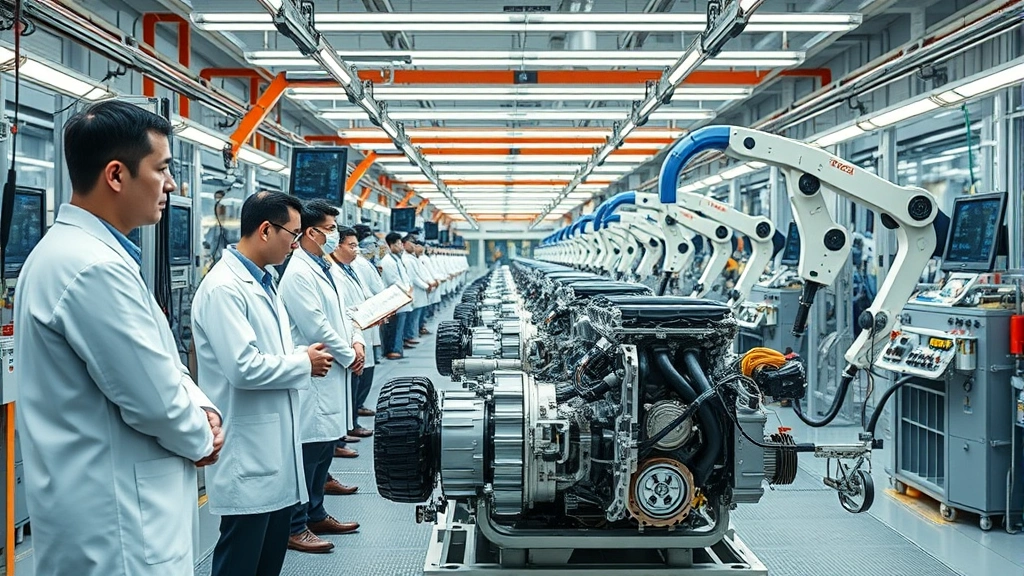
The manufacturing infrastructure supporting Toyota and Lexus includes advanced robotics, precision tooling, and comprehensive testing facilities. Production workers receive extensive training on quality standards, and the organization maintains rigorous supplier audits ensuring component quality meets exacting specifications. This integrated approach to quality management demonstrates how operational excellence directly translates into consumer satisfaction and brand dominance.
Honda and Acura: Engineering Excellence
Honda consistently ranks among the top manufacturers for reliability, with a heritage built on engineering excellence and mechanical simplicity. The company’s philosophy emphasizes designing systems that perform reliably while remaining maintainable by both dealership technicians and owner-operators. Honda’s engine technology has earned respect across the automotive industry for combining performance with exceptional longevity.
Acura, Honda’s premium division, applies these engineering principles to luxury vehicles, offering sophisticated technology within a framework of proven reliability. The brand appeals to consumers seeking performance and refinement without sacrificing the dependability associated with Honda’s core brand. Both divisions maintain relatively low repair frequency rates across their model portfolios, with particular strength in transmission reliability, a category where many manufacturers struggle.
Honda’s approach to organizational excellence and continuous improvement extends throughout their manufacturing operations. Quality circles involving production workers, engineers, and management identify opportunities for enhancement, creating a culture where reliability improvement becomes everyone’s responsibility rather than a top-down mandate.
” alt=”Modern automotive manufacturing facility with precision robotics assembling vehicle components in controlled environment, quality control inspectors monitoring production line”>
Emerging Reliable Manufacturers
Beyond the established Japanese leaders, several manufacturers have demonstrated improving reliability trends. Mazda has earned recognition for combining driving dynamics with respectable reliability ratings, offering consumers an alternative to larger competitors. The brand’s commitment to lightweight construction and efficient powertrains appeals to environmentally conscious buyers who refuse to compromise on dependability.
Subaru has carved a distinctive niche emphasizing all-wheel-drive capability and safety engineering, supported by generally solid reliability ratings. The manufacturer’s focus on specific market segments and brand loyalty has created passionate owner communities who frequently report positive long-term ownership experiences. Hyundai and Kia, once perceived as value-oriented brands with reliability concerns, have significantly improved their quality standards and now appear in reliability rankings with greater frequency.
These emerging leaders demonstrate that reliability represents an achievable competitive advantage accessible to manufacturers willing to invest in quality infrastructure, supply chain management, and continuous improvement processes. Their progress illustrates how strategic focus on manufacturing excellence can transform brand perception and market positioning.
How Reliability Impacts Business Operations
For organizations managing vehicle fleets, reliability directly affects operational efficiency and total cost of ownership. Vehicles requiring frequent repairs generate unexpected downtime, create scheduling complications, and increase maintenance expenses. Fleet managers understand that selecting the most reliable car company options reduces these operational disruptions and improves predictability in transportation budgets.
The financial implications extend beyond repair costs. Reliable vehicles maintain higher resale values, enabling fleet operators to recover more capital when replacing aged vehicles. Insurance premiums often reflect reliability ratings, as insurers recognize that dependable vehicles generate fewer claims. When organizations establish partnerships with manufacturers and dealers, reliability becomes a central negotiating point influencing contract terms and service agreements.
Corporate reputation also benefits when companies operate vehicles from reliable manufacturers. Customer-facing fleets represent brand extensions, and vehicle breakdowns create negative impressions affecting business relationships. Companies transporting clients, delivering products, or providing mobile services recognize that vehicle reliability directly impacts their ability to maintain service commitments and customer satisfaction.
Future Trends in Automotive Reliability
The automotive industry faces unprecedented challenges as manufacturers transition toward electric vehicles, autonomous driving systems, and advanced connectivity features. Consumer Reports and other reliability tracking organizations continue adapting their methodologies to evaluate these emerging technologies. Early data suggests that electric vehicle reliability varies significantly by manufacturer, with established leaders generally maintaining quality advantages even in new powertrains.
The complexity of modern vehicle systems creates new reliability considerations. Software updates, battery performance degradation, and sensor calibration represent different failure modes than traditional mechanical systems. Manufacturers investing in robust testing protocols for these technologies will likely maintain reliability leadership as the industry evolves. Tesla’s reliability ratings have fluctuated as the company scales production, illustrating how manufacturing expertise matters regardless of technology platform.
Manufacturers pursuing innovation through structured processes and rigorous testing position themselves to lead in reliability as automotive technology transforms. The winners in future markets will balance rapid innovation with quality assurance, ensuring that new features enhance rather than compromise overall vehicle dependability.

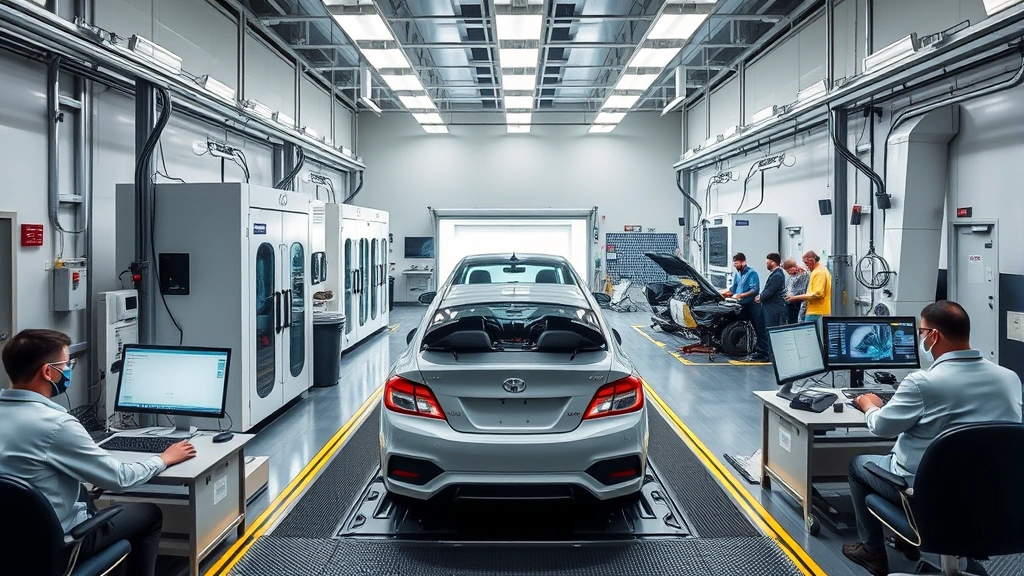
” alt=”Advanced automotive testing facility with climate chambers, durability testing rigs, and technicians monitoring vehicle systems under controlled conditions”>
Building Reliability Culture in Manufacturing
The distinction between top-performing and average manufacturers often reflects organizational culture emphasizing quality. Understanding how organizations structure governance and accountability reveals that reliability emerges from deliberate systems rather than accident. Leading manufacturers implement comprehensive training programs ensuring workers understand quality standards and feel empowered to identify problems.
Supply chain management represents another critical factor separating reliable manufacturers from competitors. Companies working closely with suppliers establish quality agreements, conduct regular audits, and invest in supplier capability development. This integrated approach ensures that components arriving at assembly plants meet exacting standards, reducing defects that might otherwise escape factory testing.
Design philosophy also influences reliability outcomes. Manufacturers simplifying systems, using proven technologies, and designing for manufacturability generally achieve better reliability than those prioritizing feature richness or radical innovation. This strategic choice reflects a commitment to delivering vehicles that perform consistently rather than pushing technological boundaries at the expense of dependability.
Consumer Reports Data and Market Implications
Analysis of Consumer Reports reliability data reveals that brand reputation correlates strongly with actual performance metrics. Manufacturers perceived as reliable by consumers generally show corresponding performance in repair frequency and component durability data. This alignment suggests that brand reputation reflects genuine quality differences rather than marketing effectiveness alone.
The reliability rankings influence vehicle values in secondary markets, with highly-rated models commanding premium prices even as vehicles age. This market dynamic creates incentives for manufacturers to maintain quality standards, as reliable vehicles generate stronger customer lifetime value through resale potential and brand loyalty. Buyers recognizing this dynamic increasingly reference Consumer Reports data during purchasing decisions.
Geographic variations in reliability sometimes emerge, with some manufacturers performing better in specific regions due to environmental factors, driving patterns, or dealer service quality. Consumer Reports methodology accounts for these variations, providing regional insights alongside national rankings. Fleet managers operating across multiple states benefit from understanding these geographic reliability patterns.
FAQ
Which car brand has the highest Consumer Reports reliability rating?
Toyota and Lexus consistently rank at the top of Consumer Reports reliability assessments, with Honda and Acura also maintaining strong positions. These Japanese manufacturers dominate the highest reliability tiers due to decades of quality focus and manufacturing excellence.
How does Consumer Reports measure vehicle reliability?
Consumer Reports collects data from hundreds of thousands of vehicle owners reporting on specific component failures and repair experiences. This data accumulates across years of ownership, creating reliability trends that account for how vehicles perform over extended periods rather than initial manufacturing quality alone.
Does buying a reliable car brand save money long-term?
Yes, purchasing vehicles from highly-reliable manufacturers typically reduces maintenance costs, minimizes unexpected repair expenses, and maintains higher resale values. These financial benefits often offset any initial price premium associated with top-performing brands.
Are electric vehicles from reliable manufacturers more dependable?
Early data suggests that established manufacturers extending their quality practices to electric vehicles generally produce more reliable EVs than newer entrants. However, electric vehicle reliability remains an evolving category as manufacturers gain experience with battery systems and electric drivetrains.
How do warranty lengths relate to reliability ratings?
Manufacturers with strong reliability records often offer longer warranties reflecting confidence in component durability. Conversely, shorter warranty periods sometimes indicate manufacturer concerns about long-term reliability, though this correlation isn’t absolute.
Can reliability rankings help fleet managers make purchasing decisions?
Absolutely. Fleet managers benefit significantly from Consumer Reports data when evaluating vehicle options. Reliability ratings directly impact total cost of ownership, downtime frequency, and resale values—critical metrics influencing fleet profitability and operational efficiency.


